Follow us on Facebook
Breaking updates in your feed — tap to open
You’ve seen the labels: IP68, IPX8, WR. Manufacturers stamp them on flagship phones, smartwatches, and earbuds. But what do these waterproof ratings actually mean? Can you take your phone swimming? Will it survive a spilled drink? The truth is more nuanced than the marketing suggests. Let’s break down the testing methods, decode the jargon, and explore what your device can really handle.
Understanding IP Ratings
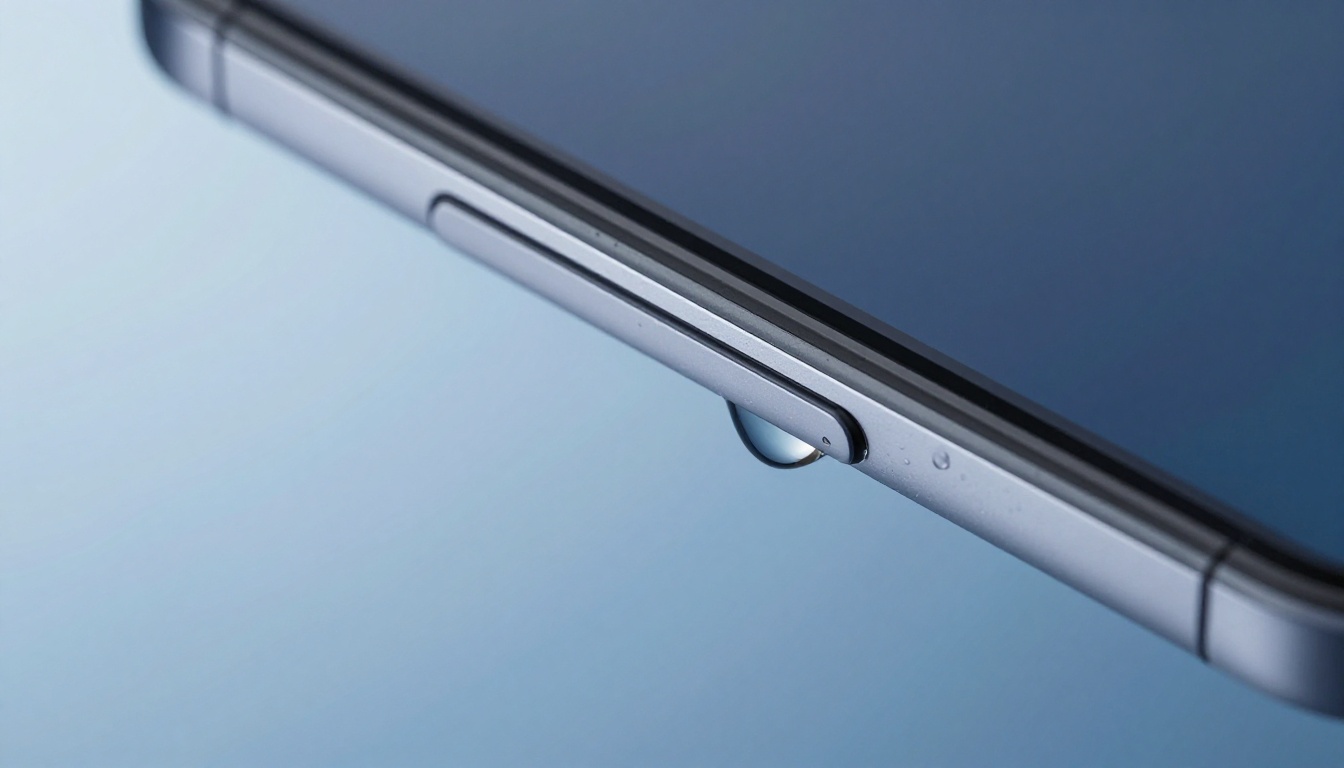
IP stands for Ingress Protection. It’s an international standard (IEC 60529) that rates how well a device resists dust and water. The code has two digits. The first digit (0-6) covers solid particles like dust. The second digit (0-9) covers liquids. When a digit is replaced by X, it means the device wasn’t tested for that category. So IPX8 means it was tested for water but not dust.
For phones, the most common rating is IP68. The ‘6’ means it’s dust-tight-no dust can enter. The ‘8’ means it can withstand continuous immersion in water beyond 1 meter. But here’s the catch: the exact depth and duration are set by the manufacturer. One IP68 phone might survive 1.5 meters for 30 minutes, while another handles 2 meters for an hour. Always check the fine print.
IPX8 is trickier. Without a dust rating, you don’t know if sand or lint can sneak in. It’s common on wearables and some rugged gadgets. A device with IPX8 can be submerged, but a day at the beach might still ruin it. Meanwhile, WR stands for Water Resistant, a vague term with no universal standard. It often appears on budget earbuds or fitness trackers. WR usually means it can handle sweat or light rain, but not a dunk.
Think of these ratings like a raincoat. A light jacket (WR) works for a drizzle. A sturdy shell (IPX8) handles a downpour. But neither is a wetsuit. Even the best waterproof ratings don’t guarantee protection against pressurized water, like a faucet or ocean waves. The testing is done in still, fresh water-not chlorinated pools or salty seas.
Real-World Limits and Common Myths
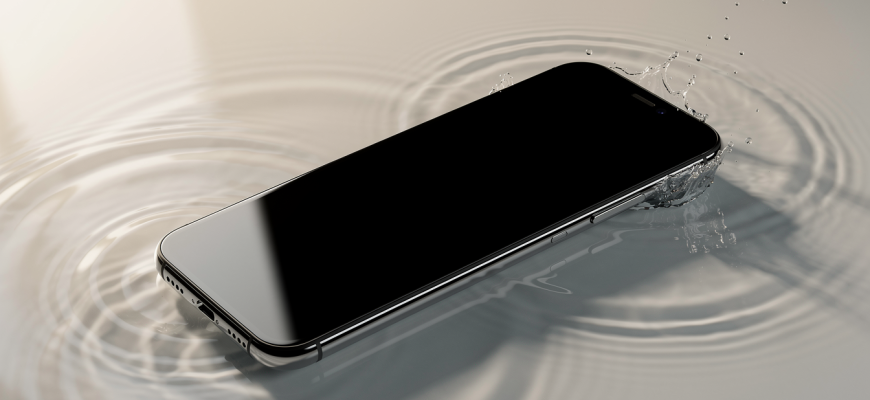
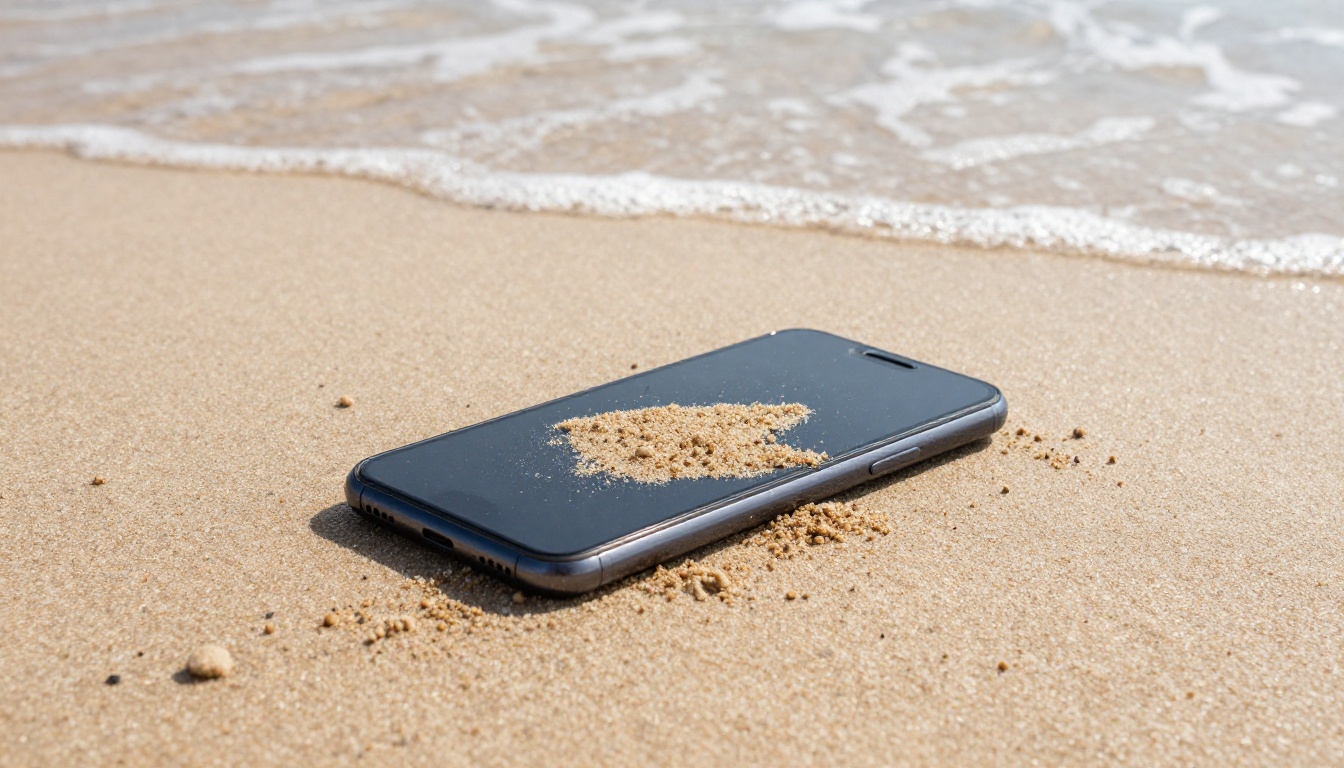
Lab tests are one thing. Real life is another. A phone rated IP68 might survive a quick drop in the sink. But leave it in a hot tub, and the heat can weaken seals. Drop it in saltwater, and corrosion can start within hours. Even soapy water reduces surface tension, letting liquid sneak past gaskets more easily. Manufacturers rarely cover liquid damage under warranty, even for flagship devices. That’s a crucial point many users miss.
Water resistance is a temporary condition, not a permanent feature. Seals degrade over time from drops, temperature changes, and everyday wear.
Another myth: higher numbers mean invincibility. IP69 exists, but it’s for high-pressure, high-temperature jets-not for swimming. You won’t find it on consumer phones. And don’t confuse water resistance with waterproof. No phone is truly waterproof. The term is banned in advertising for a reason. Even professional divers’ watches need regular seal checks.
So what about accidental spills? A splash of coffee or a quick rinse under a tap is usually fine for an IP68 device-if the seals are intact. But intentional submersion is a gamble. Many users report damage after filming underwater, even within rated limits. Why? Because the rating doesn’t account for movement. Diving into a pool creates pressure spikes that can exceed the static test conditions.
Understanding these nuances helps you make smarter choices. When comparing phones, look beyond the IP code. Check the manufacturer’s specific depth and duration claims. Some brands offer better ingress protection than others, even with the same rating. A smartphone durability test from a trusted source can reveal how seals hold up over time. But remember, no test replicates years of pocket lint, drops, and temperature swings.
Maintenance and Smart Precautions
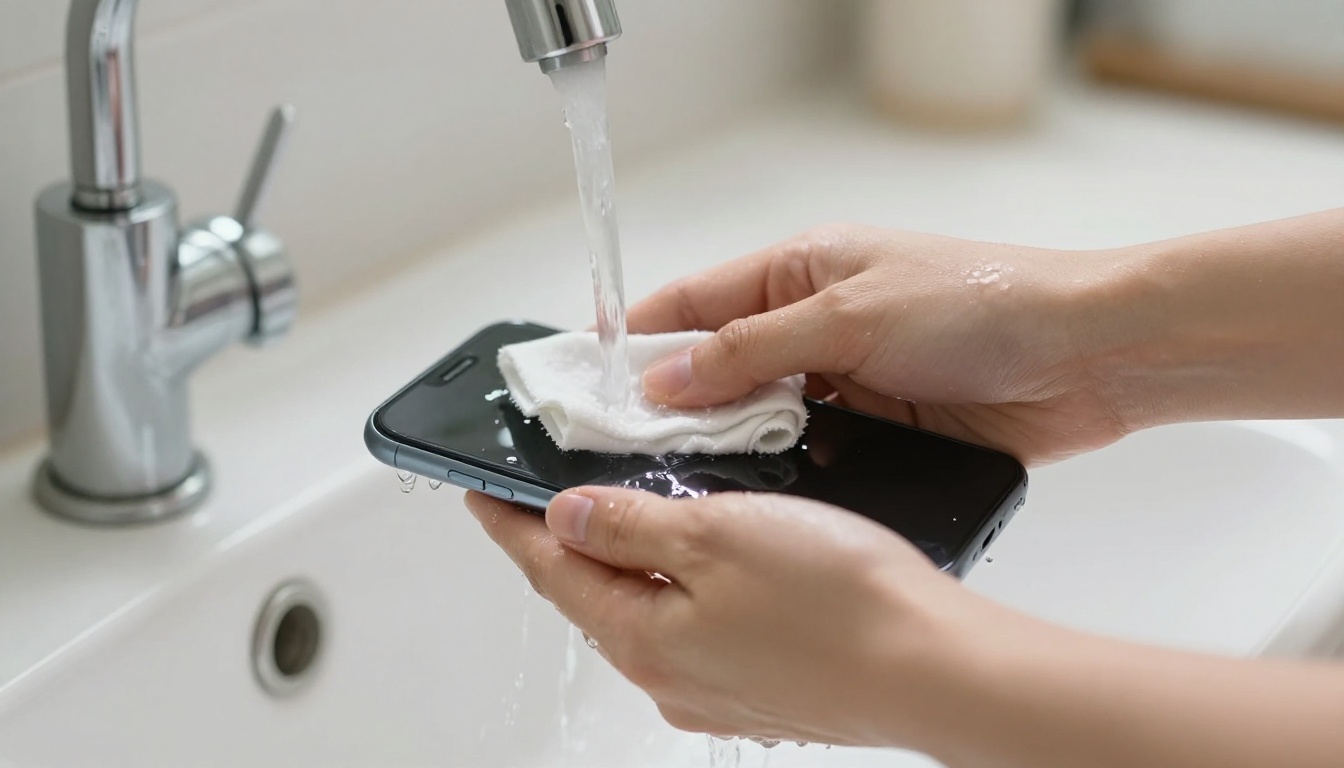
You can extend your device’s water resistance with a few simple habits. First, avoid exposing it to extreme temperatures. Don’t leave it on a sunny dashboard or take it into a sauna. Heat expands materials, creating gaps. Second, rinse your phone with fresh water after contact with salt, chlorine, or soap. Dry it gently with a soft cloth-never use compressed air, which can force liquid deeper.
Check the rubber gaskets on SIM trays and ports. If they look cracked or misaligned, water resistance is compromised. Many repair shops can replace these seals for a modest fee. If you’re often near water, consider a waterproof case. It adds a second layer of protection and peace of mind. For earbuds and watches, keep charging contacts clean and dry. Corrosion on these points can spread inside.
Wireless charging is your friend. Every time you plug in a cable, you stress the port’s seal. Using a wireless charger reduces wear and tear. It’s a small shift that can make a big difference over the years. And if your device does take an unexpected plunge, power it off immediately. Don’t shake it or press buttons. Let it air-dry for at least a day before turning it on. Rice is a myth-it leaves dust and doesn’t absorb moisture effectively. Silica gel packets work better.
Ultimately, waterproof ratings are a safety net, not a license to dive. They protect against accidents, not adventures. By understanding the standards and respecting their limits, you can keep your gear running longer. Whether you’re caught in a rainstorm or fumble your phone into the sink, that little IP code can save the day-if you know what it really means.