Follow us on Facebook
Breaking updates in your feed — tap to open
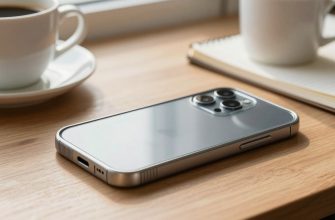
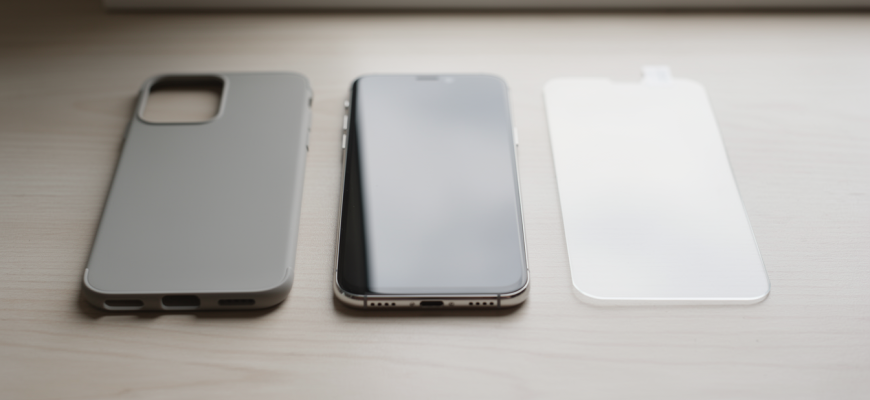
Your phone’s with you all day, every day. One slip, though, and you’re staring at a cracked screen or a dented corner. That’s why phone cases and screen protectors aren’t just add-ons-they’re your first line of defense. New phones look gorgeous with their glass backs and edge-to-edge displays. But they’re also fragile. A solid case soaks up shock. A tempered glass protector takes the impact instead of your screen. Together, they can save you a ton of cash on repairs.
Case Materials and Protection Levels
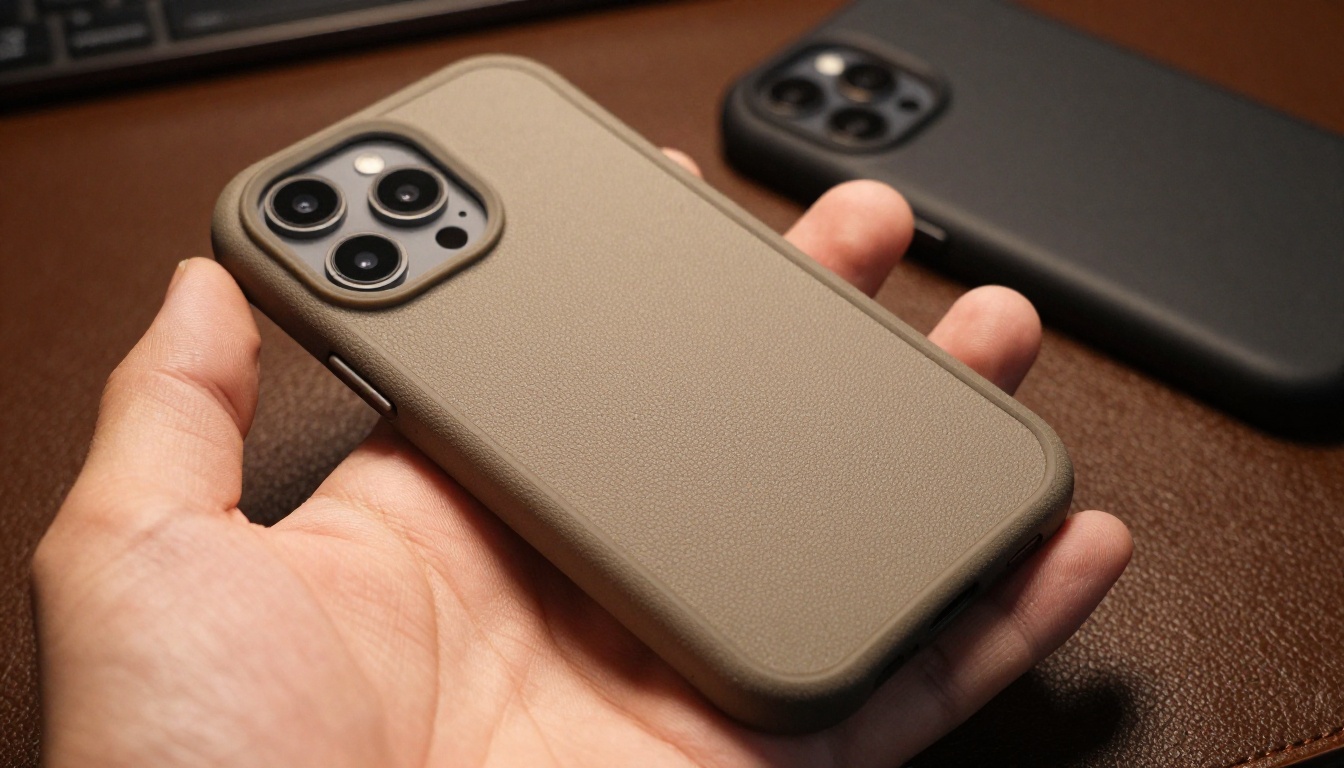
Cases aren’t all the same. The material decides how well your phone handles a fall. Polycarbonate shells give you rigid impact resistance. They’re often paired with softer TPU bumpers for extra shock absorption. Silicone cases feel grippy but they’re lint magnets. Leather adds a classy vibe, but drop protection is just okay. For rough conditions, hybrid cases mix a hard outer shell with a rubber inner core. Think about your day: desk jockeys might like slim profiles, while hikers need rugged armor.
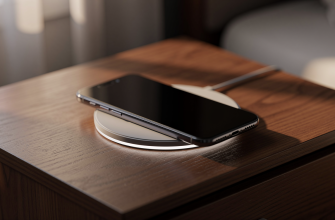
Drop ratings like MIL-STD-810G mean a case survived repeated drops from certain heights. But real-life accidents are unpredictable. Look for raised edges around the camera and screen-they stop direct contact when your phone lands face-down. Button covers should feel clicky, not mushy. Some cases have port covers to keep out dust, which is great for the beach or a job site. Wireless charging is pretty standard now, but thick cases or metal plates can mess with it. Always check if your case supports MagSafe or Qi charging without needing to take it off.
Screen Protector Technologies
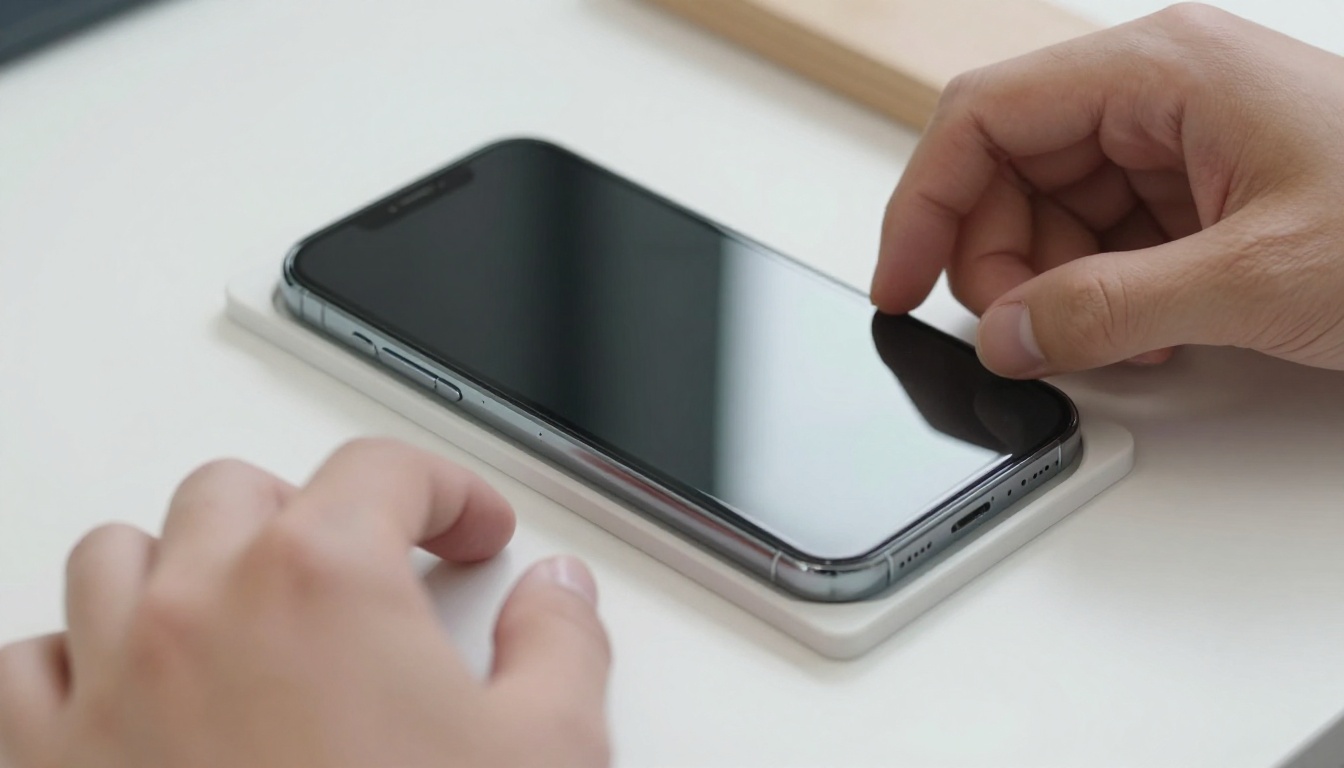
Screen protectors come in three main flavors: tempered glass, PET film, and liquid glass. Tempered glass is the gold standard for impact resistance. It feels and looks like the original screen, and it shatters to absorb energy. Go for 9H hardness-it resists scratches from keys and coins. PET film is thinner and cheaper, but it scratches more easily. Liquid glass is a nano-coating that adds scratch resistance without a visible layer. Thing is, it doesn’t do much against drops.
Installation is key. Dust-free alignment trays make it simpler, but one tiny speck can cause bubbles. Oleophobic coatings repel fingerprints, so your screen stays smudge-free. Privacy filters narrow the viewing angle-handy for commuters. Blue light filters claim to reduce eye strain, but results vary. For curved screens, full-adhesive glass is rare. Many use edge-only adhesive, which can lower touch sensitivity. Consider a case-friendly protector that leaves a gap around the edges to prevent lifting.
Choosing the Right Combination
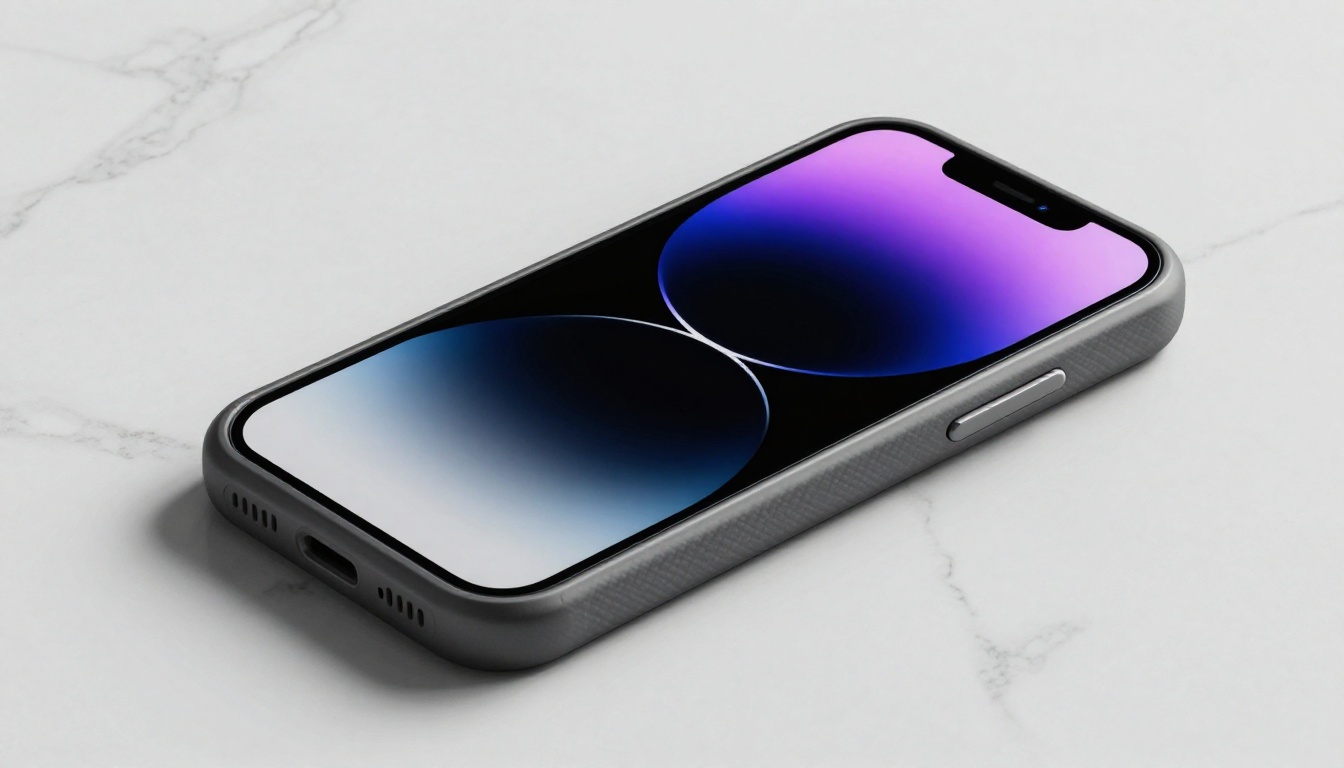
Your perfect setup balances protection, style, and function. Start by sizing up your risk: do you drop your phone on hard floors a lot? If so, grab a rugged case with a thick lip and a tempered glass screen protector. For minimalists, a thin aramid fiber case offers scratch protection without the bulk. It’s like a tailored suit for your phone. Pair it with a high-quality glass protector for everyday safety.
- Step 1: Figure out your main worry-drops, scratches, or both.
- Step 2: Pick a case material that fits your lifestyle (silicone for grip, polycarbonate for durability).
- Step 3: Choose a screen protector type: tempered glass for impact, film for basic scratch defense.
- Step 4: Check compatibility with wireless charging and other accessories.
- Step 5: Read reviews that focus on long-term durability and fit.
Don’t overlook warranties. Some case brands offer lifetime replacements, and screen protector companies might cover installation goofs. A well-chosen combo keeps your device looking fresh without hiding its design. Honestly, the best protection is the one you’ll actually use-so pick a setup that feels right in your hand.
Maintenance and Longevity
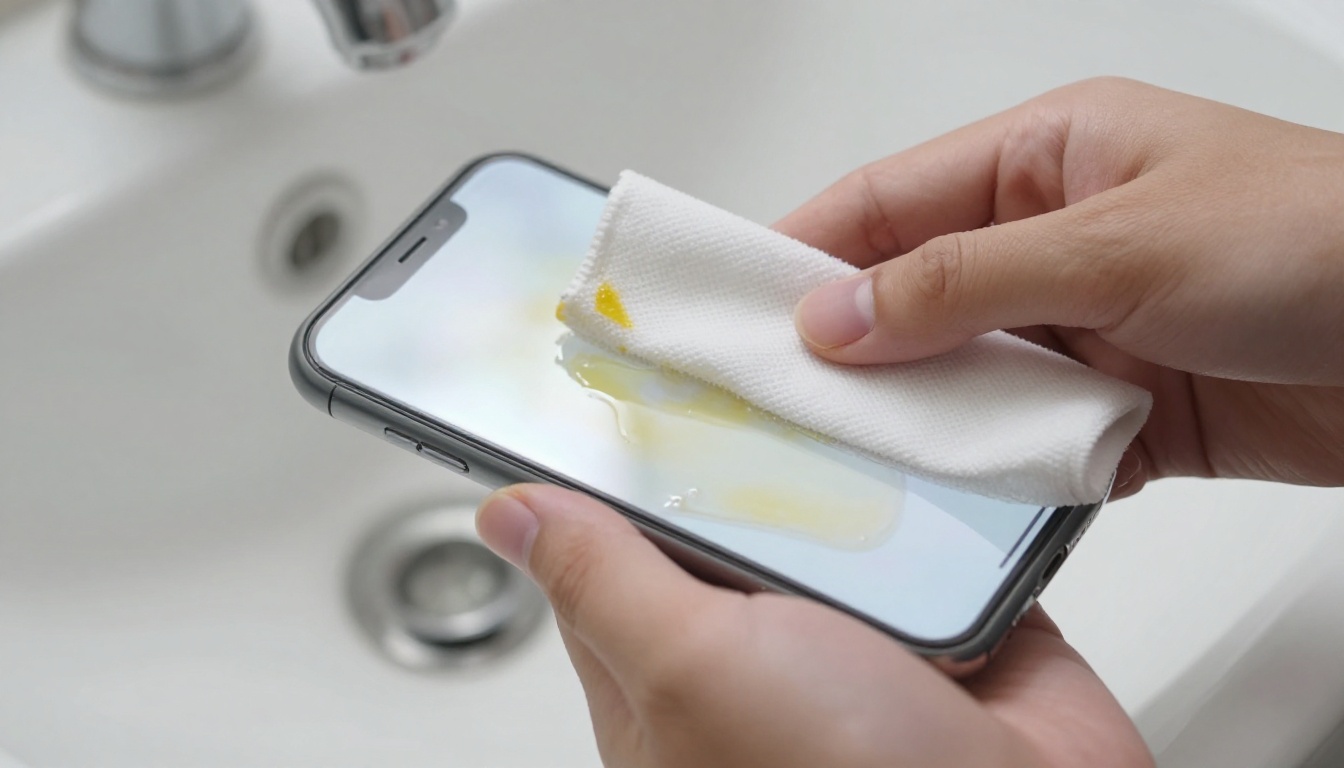
Even tough gear needs some TLC. Clean your case regularly with mild soap and water to stop discoloration. Clear cases can yellow over time from UV exposure. Some brands add anti-yellowing agents, but no material is immune. Swap out screen protectors when cracks show up-they’ve done their job and can’t take another hit. A chipped protector also messes with touch sensitivity and clarity.
For waterproof phones, make sure case seals are still intact after drops. Port covers can wear out, so check them now and then. If you use a folio case, the hinge might loosen with heavy use.
Think of your case and protector as consumable items-they sacrifice themselves to save your phone.
Budget for replacements as part of your device’s lifespan. With the right picks and some upkeep, your phone can survive years of adventures without a scratch.