Follow us on Facebook
Breaking updates in your feed — tap to open
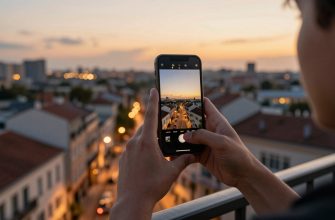
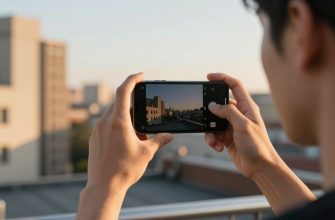
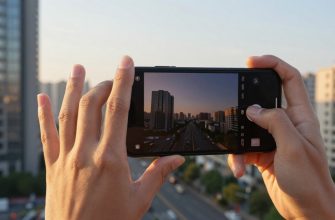
We are in a place where flagship smartphones are enjoying more sophisticated camera hardware with enhanced night mode features and effectual portrait modes rivaling professional equipment, and we are capturing life easier than ever seen before. What is needed however is a closer consideration of the psychological consequences of this self-documentation on a continuous basis. This discussion is not just a technical analysis of camera tips and tricks but is instead a discussion of a more basic question; when does the process of capturing a moment by what the smartphone displays on the screen start to undermine the process itself?
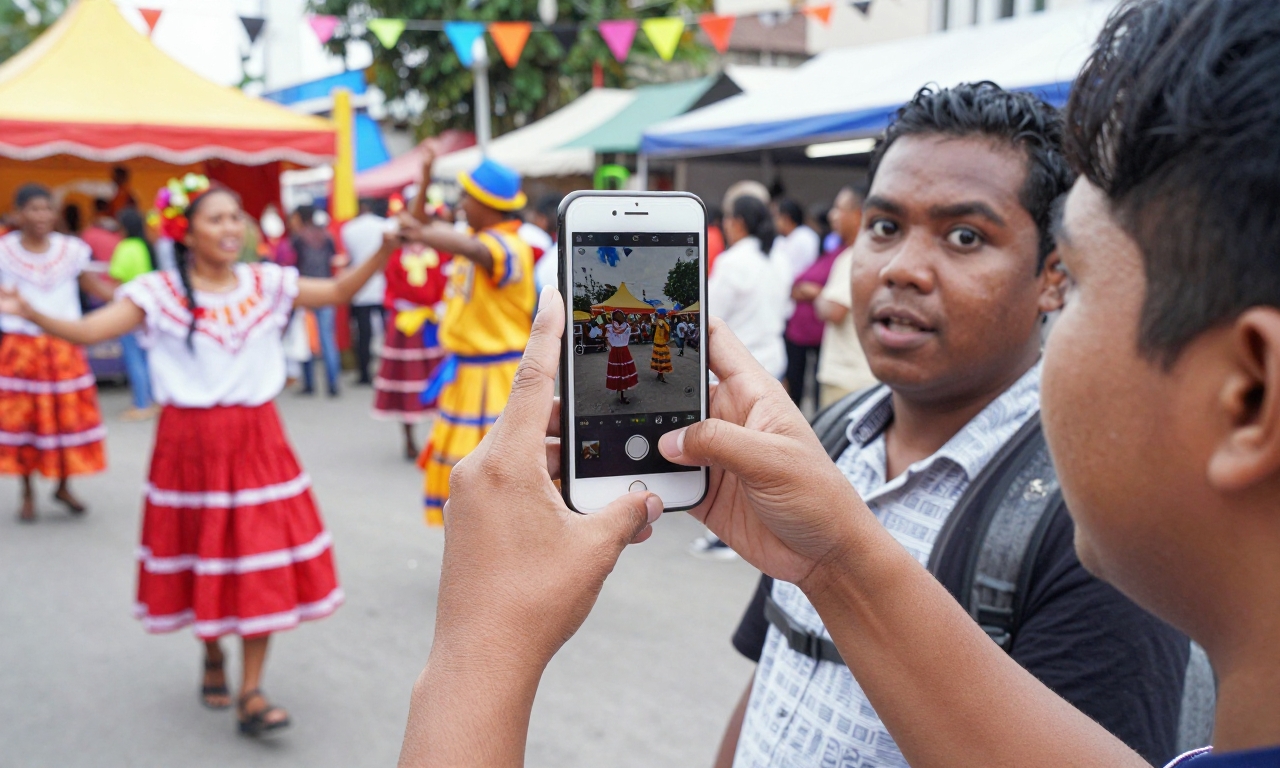
The Science of Memory and the Interference of the Camera
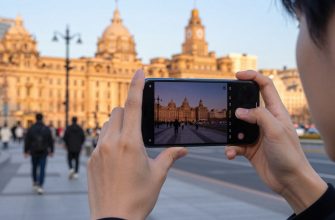
Studies done on memory creation go on to indicate that even the act of capturing an event through photography would indeed change the way we would recall the event. When we depend on a machine to record a picture we can lose track of the visual parts of perception, details of touch, smell, and feeling that make a personal intimate recollection. Rather, we construct a visual focal point, a two dimensional image that even feels more like a file than an experience. It is especially applicable to the experience of traveling, when it may be easy to concentrate on the necessity to write about all the places one has visited, and forget about the very fact of being in a new location.
Social Media and Its Impact
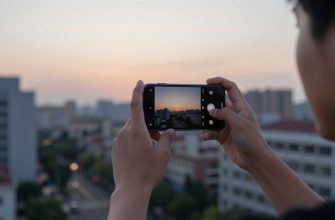
Social media has another layer, which is its impact. The motivation to create a flawless feed may turn photography as something personal it is done to preserve the past and as a show to an anonymous audience. We are also likely to be capturing images so as to post them to likes and comments, to get a validation in the form of a well-balanced image of a sunset or food. This outside influence may cause some level of unease in us as we are taken out of what we are seeing, imagine lighting, angles and filters rather than just taking in what is around us.

Striking a Balance
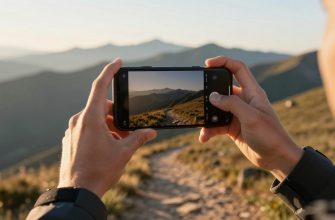
Striking a balance is not without trying. The conclusion is that having a camera-free atmosphere during important events or periods of time is one of the practical guidelines. An example of this would be to just watch and listen during first few minutes of a concert or first glimpse of a mountain peak. It is always so easy to take photos at later stages but once you get the first impression of something you never get a second chance to replicate the first, uncensored impression. By doing so, it serves to place more emphasis on genuine real-life experience, and yet, the possibility of doing some form of photographic preservation can still be considered.
Guiding Principles to Mindful Photography
The other strategy is the need to adjust quantity into quality. You can be out there and take dozens of shots with your rapid-fire, or you can compare yourself to make one or two really good photographs. This makes the interaction with the subject and composition more deliberate and conscious therefore making the process of photography conscious. It also saves us the hassle of going through hundreds of images that are similar to the one we required at a later stage a task that actually alienates us to the memory we were trying to retain.
Our devices also have settings that can be used as allies in this effort. Do you consider switching off unnecessary notifications or putting on the Do Not Disturb features when you need total focus? The endless pinging of notifications is a strong interrupt, activity, and it takes the mind out of reality and into the online realm. To the population who rely on the smartphone as a main camera, mastering the quick-access features would reduce the number of times people drop their phone and lose time on the display.
Daily Life and Photographic Habits
This discussion stretches the case beyond travelling and special occasions into day to day life. When we get used to taking pictures of each coffee, each commute or every informal event we are attending, this may unconsciously condition our brains to perceive experiences as content first. We are also on the verge of being spectators of our lives as opposed to being participants. Our photographic routines, we should occasionally examine our habits of shooting: is it the time we do have a photograph of real value, or is it because we are in automatic response or we are afraid of losing something?
The Influence of Technology and Individual Choice
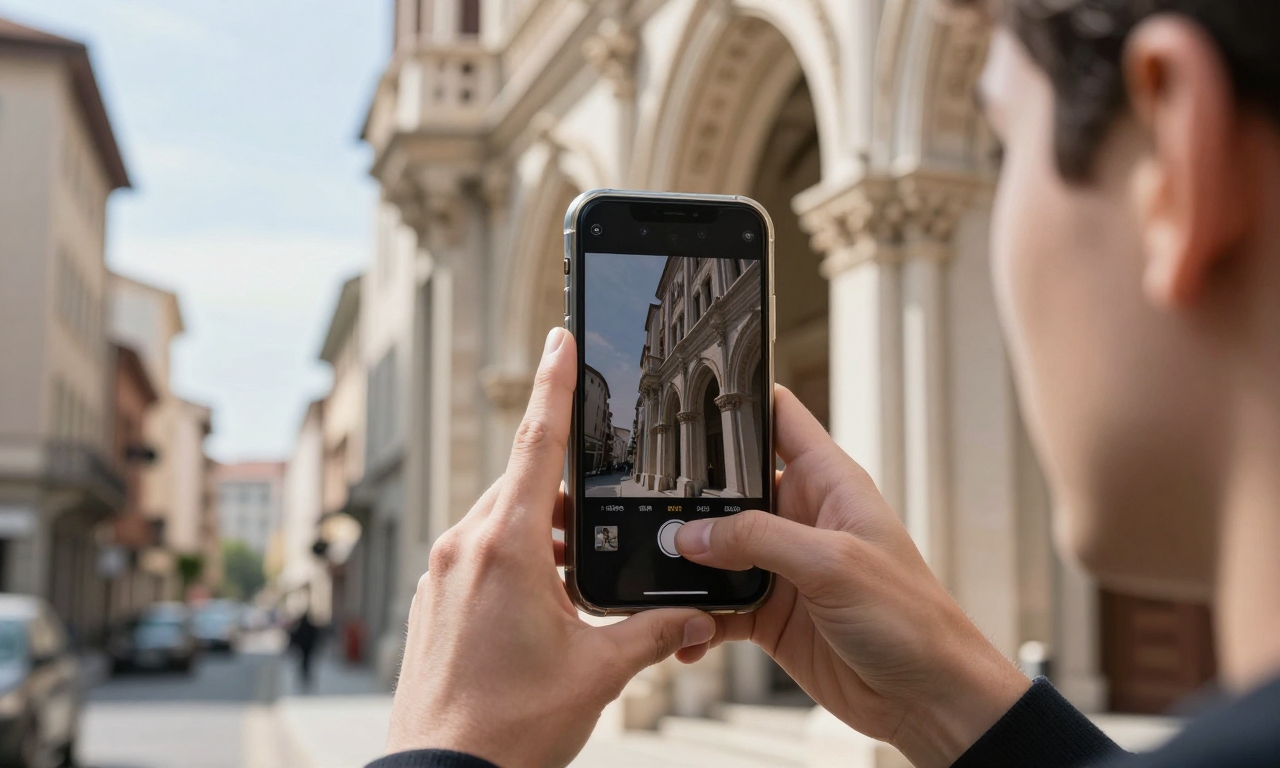
The awe-inspiring low-night performance of night mode, or the computational genius of the portrait mode, are amazing tools in the current modern smartphone. They do not pose intrinsic problems. The ethical aspect is the question of the manner and time with which we use them. Most buying directions to the best camera phones are usually related to specifications and sample photographs, however, the more comprehensive view would be to think of the ways a phone would slot into one life. Does it allow presence, or does it promote mediation of reality at all times behind its screen?
The matter also connects to the larger concerns of privacy, not only our own but also others. We should be respectful of the subjects who might not be interested in being photographed in our haste in writing down the information, that the camera becomes an object of social confrontation instead of being used as a social bonding tool. This is particularly important in a close-knit place or a social location where the privacy expectations differ.
Conclusion: Developing Awareness
Finally, there is no intention to give up smartphone photography that is a strong and convenient method of creative expression and image memory. The objective is to develop awareness. We can make better decisions with the knowledge of the psychological effects, whether it is the formation of memories about a particular event or social pressure influencing. We could be taught to set the camera aside, not in feelings of guilt but simply out of a position of deliberate fullness of the moments that go by, in direct choice to occupy these moments completely in all their memorylessness, which even the most developed sensor at present could never choose to record. We have the deepest experiences where we experience them more than we capture them in the most perfect way.