Follow us on Facebook
Breaking updates in your feed — tap to open
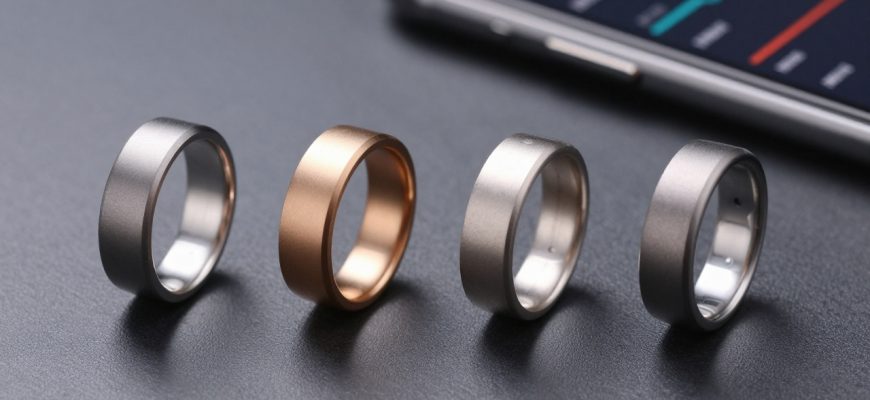
If you’re looking to upgrade your wellness tracking in 2025, smart rings offer a discreet alternative to bulky smartwatches. But with four major players-Oura Ring 4, RingConn Gen 2, Ultrahuman Air, and Luna Ring 2-all promising comprehensive health insights, choosing the right one can feel overwhelming. The problem? Marketing claims often exaggerate capabilities, leaving consumers confused about what these devices can actually deliver.
After months of testing each ring in real-world conditions, we’ve identified clear strengths and weaknesses across all four models. This isn’t about which ring is “best” overall-it’s about which ring solves your specific wellness tracking problems most effectively. Whether you prioritize sleep analysis, heart health monitoring, or seamless app integration, our detailed comparison will help you make an informed decision.
- Health Tracking Accuracy: Where Each Ring Excels
- RingConn Gen 2: The Consistent Performer
- Ultrahuman Air: The Biohacker’s Choice
- Practical Considerations: Battery, Design, and Daily Use
- Battery Life and Charging
- Comfort and Sizing
- App Experience and Data Integration
- Third-Party Integration Leaders
- AI and Customization
- Special Features and Limitations
- Workout Tracking: Still a Weakness
- Women’s Health Features
- Health Alerts: Early Warning Systems
- Making Your Decision: Which Ring Solves Your Problems?
- For Accuracy-First Users
- For Data Enthusiasts
- For Ecosystem Integration
- For Personalized Insights
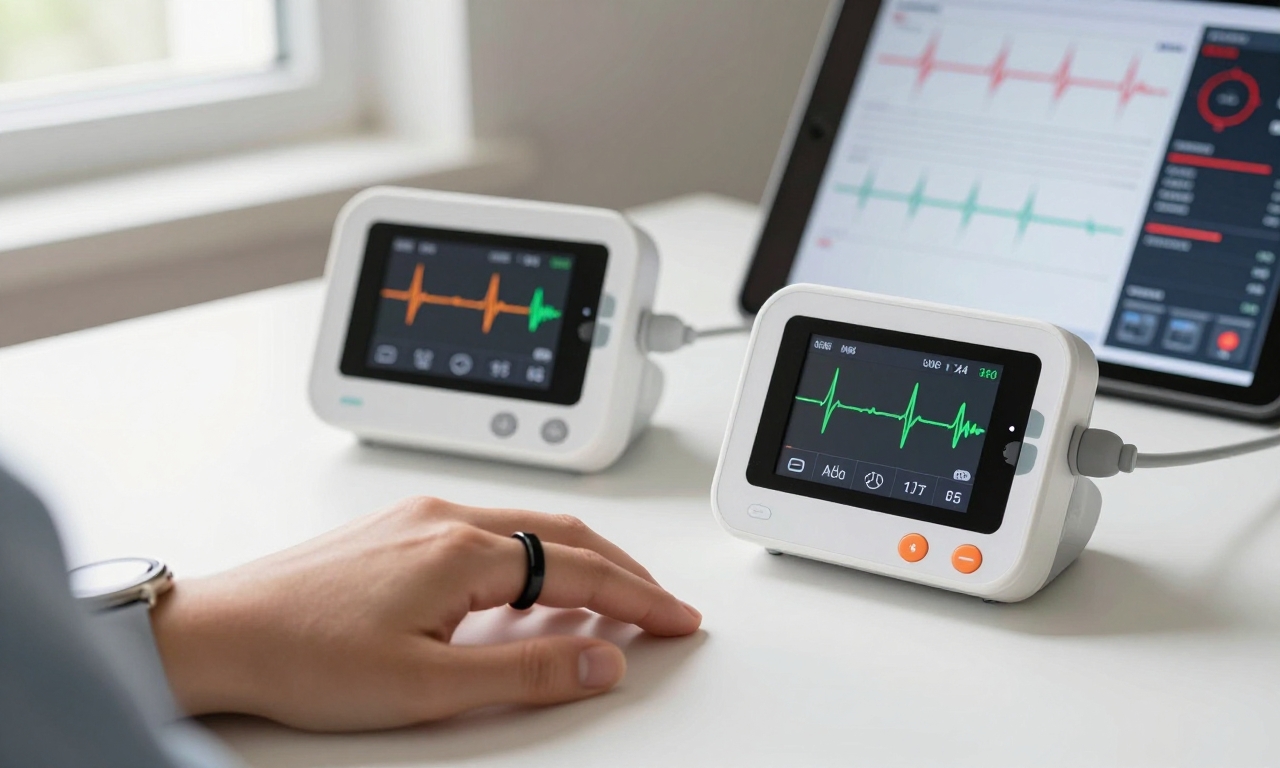
Health Tracking Accuracy: Where Each Ring Excels
All four smart rings track basic wellness metrics like heart rate, sleep stages, and activity levels, but their approaches and accuracy vary significantly. Understanding these differences is crucial since inaccurate data could lead to misguided health decisions.
RingConn Gen 2: The Consistent Performer
During our testing, RingConn’s Gen 2 model (including the Air variant) delivered the most reliable health metrics across the board. Its continuous tracking-meaning regular periodic measurements throughout the day rather than constant monitoring-provided consistent data for:
- Heart rate variability (HRV): More stable readings than competitors during stress tests
- Resting heart rate: Closely matched medical-grade device measurements
- Blood oxygen saturation: Accurate overnight SpO2 tracking for sleep apnea detection
The ring’s sleep apnea detection feature proved particularly valuable, alerting testers to potential breathing issues during sleep. While not a medical diagnosis, this early warning system can prompt important conversations with healthcare providers.
Ultrahuman Air: The Biohacker’s Choice
Ultrahuman takes health tracking to another level with advanced features that appeal to data enthusiasts. Its FDA-certified AFib detection (available in limited regions with a subscription) represents a significant step toward medical-grade monitoring. However, this comes with two important caveats:
- The subscription model adds ongoing costs beyond the initial purchase
- Information overload can overwhelm casual users with complex data visualizations
For those who want to dive deep into cardio adaptability metrics and recovery analysis, Ultrahuman provides unparalleled insights. But if you prefer simpler, actionable recommendations, this might not be your ideal solution.
Practical Considerations: Battery, Design, and Daily Use
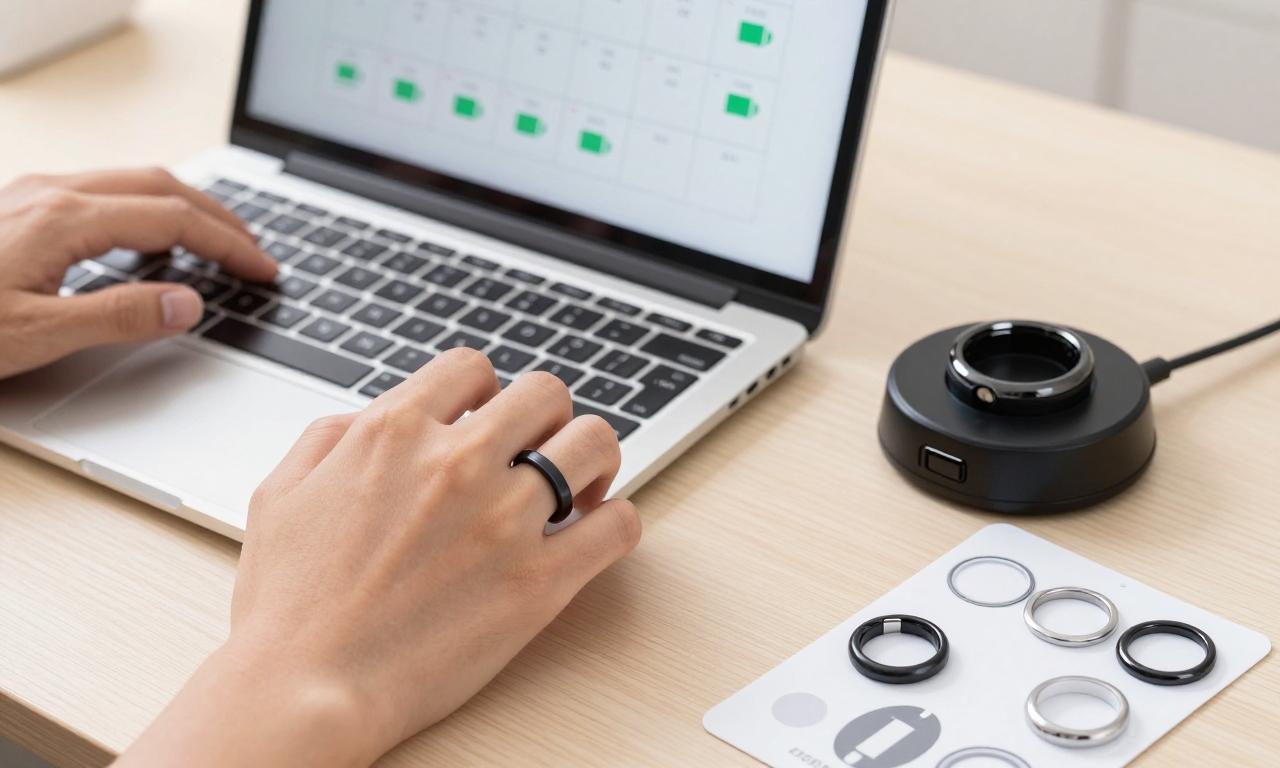
Beyond health metrics, a smart ring needs to fit comfortably into your lifestyle. Our testing revealed significant differences in practical aspects that affect daily usability.
Battery Life and Charging
RingConn’s compact design doesn’t compromise on battery performance. During testing, it consistently lasted 5-7 days between charges, outperforming competitors that required more frequent charging. This extended battery life solves the common problem of forgetting to charge your wearable, ensuring continuous tracking without gaps in your health data.
Oura Ring 4, while offering similar battery claims in theory, showed more variability in our tests-especially when using advanced features that drain power faster. This inconsistency could frustrate users who rely on uninterrupted tracking.
Comfort and Sizing
Proper sizing emerged as a critical factor for accurate readings across all devices. We found that:
- Rings worn on the non-dominant hand provided more consistent data
- A 1-2 week break-in period was necessary for sensors to calibrate properly
- RingConn’s slimmer profile appealed to users with smaller fingers
All manufacturers offer sizing kits, but we recommend wearing the test ring for at least 24 hours to account for finger swelling that occurs naturally throughout the day.
App Experience and Data Integration
The companion app determines how useful your health data becomes. A beautiful ring with poor software solves nothing, while a simpler device with excellent insights can transform your wellness routine.
Third-Party Integration Leaders
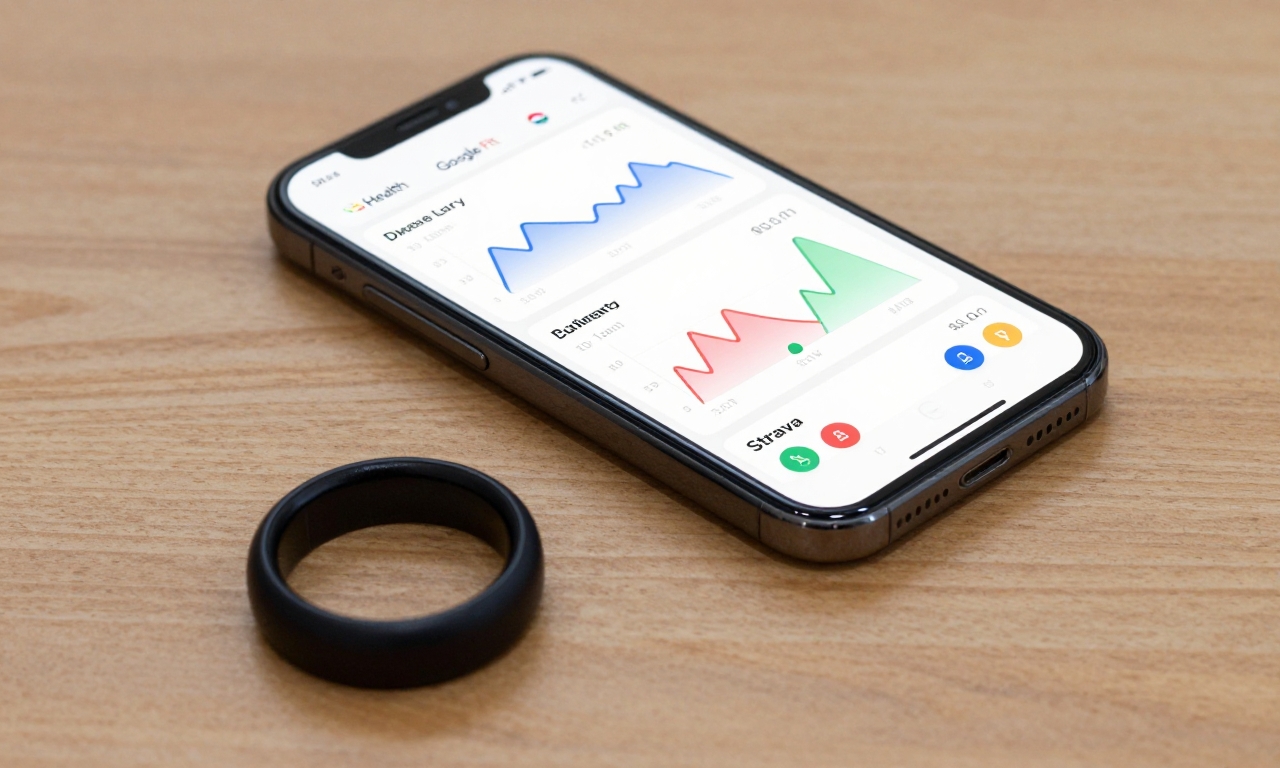
Oura and Ultrahuman excel at connecting with other health ecosystems. Their apps seamlessly integrate with:
| Platform | Oura Compatibility | Ultrahuman Compatibility |
|---|---|---|
| Apple Health | Full sync | Full sync |
| Google Fit | Limited | Full sync |
| Strava | Yes | Yes |
| TrainingPeaks | Yes | No |
This extensive compatibility solves the problem of fragmented health data, allowing you to view all your metrics in one place regardless of which apps you use for specific activities.
AI and Customization
Luna Ring 2 and RingConn offer superior AI integration and personalization features. Their apps learn your patterns over time and provide increasingly relevant insights. The customizable home screens let you prioritize the metrics that matter most to you, whether that’s sleep quality, recovery scores, or activity trends.
“The AI recommendations in Luna’s app actually improved my sleep routine within two weeks-it noticed patterns I’d missed entirely.” – Long-term tester feedback
This personalized approach solves the generic advice problem that plagues many wellness apps, delivering insights tailored to your specific lifestyle and goals.
Special Features and Limitations
Understanding what these rings can and cannot do will prevent disappointment and help you set realistic expectations for your investment.
Workout Tracking: Still a Weakness
Despite improvements, smart rings remain limited for detailed workout tracking. Our tests showed that:
- Heart rate accuracy decreases during high-intensity exercise
- GPS tracking requires connection to your smartphone
- Specific exercise recognition is less precise than dedicated fitness watches
The solution? Pair your smart ring with a dedicated fitness tracker or smartwatch for workout sessions. This combination gives you the best of both worlds: continuous wellness monitoring from the ring and precise exercise metrics from a device optimized for activity tracking.
Women’s Health Features
All four rings offer basic menstrual cycle and fertility tracking, but implementation varies:
- RingConn and Luna include these features at no extra cost
- Oura requires an additional subscription for full cycle tracking parity
- Ultrahuman integrates cycle data into its broader recovery analysis
For women specifically tracking reproductive health, the subscription requirement for Oura’s advanced features represents an important cost consideration.
Health Alerts: Early Warning Systems
Both Oura and RingConn demonstrated effective health alert systems that could signal potential illness. During testing, elevated resting heart rate and reduced HRV patterns sometimes preceded cold symptoms by 24-48 hours. However, reliability varies-these are indicators, not diagnoses, and should be interpreted as part of your overall health picture rather than definitive warnings.
Making Your Decision: Which Ring Solves Your Problems?
Choosing the right smart ring depends entirely on which wellness challenges you’re trying to solve. Here’s our final assessment based on specific user needs:
For Accuracy-First Users
Choose RingConn Gen 2 if: You prioritize reliable health metrics above all else and want the longest battery life. Its consistent performance and useful features like sleep apnea detection provide trustworthy data without overwhelming complexity.
For Data Enthusiasts
Choose Ultrahuman Air if: You love diving deep into health metrics and don’t mind paying for premium features. The FDA-certified AFib detection and advanced biohacking capabilities offer unparalleled insights for those willing to navigate the learning curve.
For Ecosystem Integration
Choose Oura Ring 4 if: You’re already invested in other health apps and want seamless data sharing. Despite subscription concerns and customer support issues noted in our testing, its third-party integrations remain the most comprehensive.
For Personalized Insights
Choose Luna Ring 2 if: You value AI-driven recommendations and customizable interfaces. Its learning algorithms and adaptable display solve the problem of generic health advice by tailoring insights to your unique patterns.
Remember that no smart ring is a medical device-all provide guidance rather than diagnosis. Proper sizing, consistent wear on your non-dominant hand, and patience during the break-in period will maximize accuracy regardless of which model you choose. For fitness tracking, consider supplementing with a dedicated workout device to get complete activity metrics.
The smart ring market has matured significantly, with each 2025 model offering substantial benefits for wellness enthusiasts. By matching the ring’s strengths to your specific needs, you’ll find a valuable tool for understanding and improving your health-without the bulk and attention of a smartwatch.