Follow us on Facebook
Breaking updates in your feed — tap to open
Your phone’s screen tech can make or break your day. You stare at it for hours, so knowing the difference between OLED, AMOLED, LCD, and LTPO matters. It’s not just about punchy colors or deep blacks. Battery life and eye comfort are on the line. Let’s cut through the noise and see what each panel type really gives you.
How display tech works
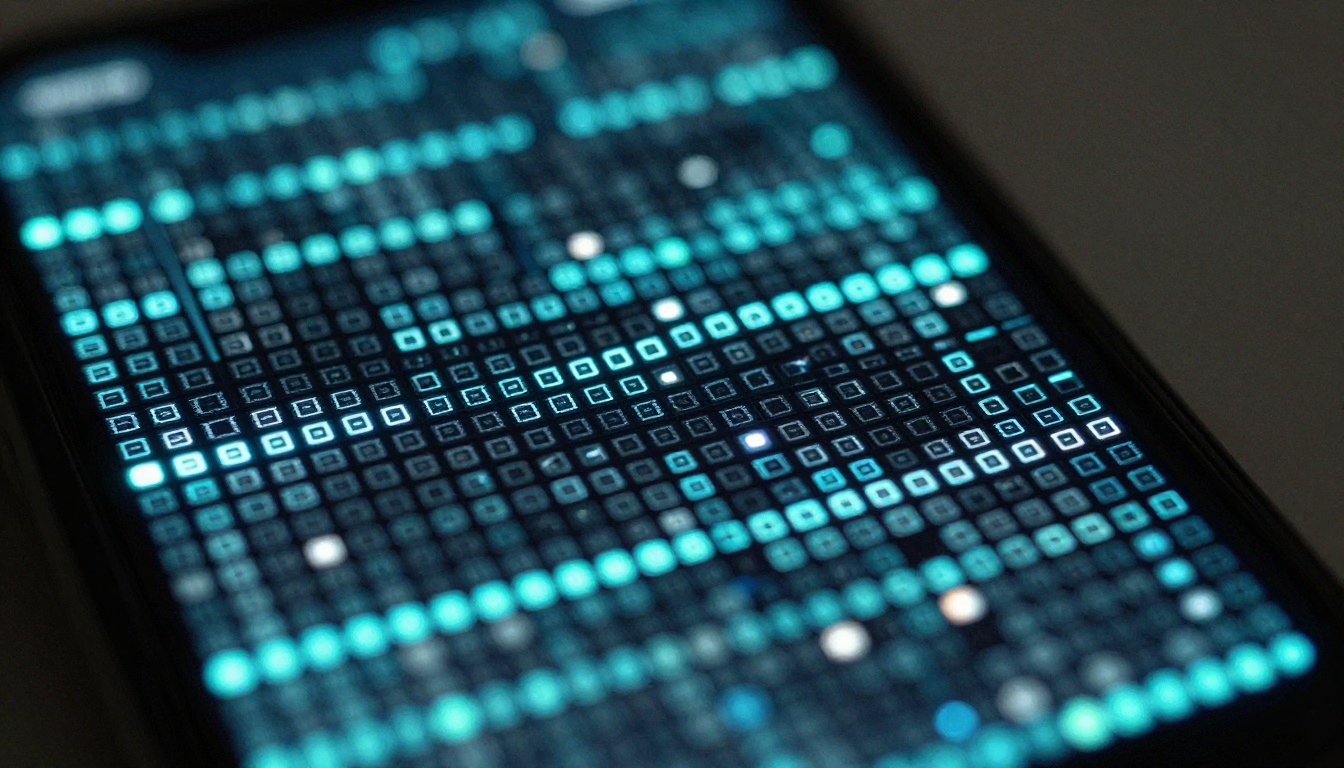
Think of a display as a tiny light show. Each pixel is a lamp. How those lamps are built and controlled defines everything. LCD, or liquid crystal display, uses a backlight. This backlight shines through a layer of liquid crystals that twist to let light through. It’s like a window with blinds. The backlight is always on, so blacks can look gray. Some light leaks through, no matter what.
OLED stands for organic light-emitting diode. Here, each pixel is its own light source. No backlight needed. When a pixel needs to show black, it simply turns off. That’s why OLED blacks are truly black. AMOLED is a type of OLED. The ‘AM’ means active matrix, which refers to how each pixel is controlled. It’s faster and more precise. Most modern smartphone OLED screens are actually AMOLED.
LTPO is a newer backplane technology. It’s not a separate display type like LCD or OLED. Instead, it’s a layer that controls the pixels more efficiently. LTPO stands for low-temperature polycrystalline oxide. It lets the screen change its refresh rate on the fly. From as low as 1Hz to as high as 120Hz. This saves power when you’re reading static content. It ramps up for smooth scrolling when you need it.
Eye comfort and blue light
Eye strain isn’t a myth. Staring at a screen too long can cause discomfort. The culprit is often blue light. All displays emit blue light, but some manage it better. OLED panels can shift their color temperature. Many phones now include a blue light filter or night mode. This makes the screen warmer, cutting down blue light exposure.
Another factor is flicker. LCD screens usually dim by flickering the backlight rapidly. This is called pulse-width modulation, or PWM. Some people are sensitive to this flicker. It can cause headaches. OLED screens also use PWM, but at different frequencies. A higher frequency is less noticeable. LTPO technology can help here. By adjusting the refresh rate, it can reduce the need for aggressive dimming. This leads to less flicker.
You can’t eliminate eye strain entirely. But choosing a display with a high PWM frequency or a DC dimming option helps. DC dimming reduces flicker by adjusting the current instead of pulsing. It’s not perfect, but it’s a step forward. Remember to take breaks. The 20-20-20 rule is timeless: every 20 minutes, look at something 20 feet away for 20 seconds.
Battery life and efficiency
Battery life is a top concern. The display is the biggest power hog. OLED has an advantage here. Since each pixel lights up individually, dark themes save power. Black pixels are off. That’s why dark mode can extend battery life on OLED phones. LCDs don’t benefit as much. The backlight is always on, so dark mode only reduces a fraction of the power draw.
LTPO takes efficiency further. By dropping the refresh rate to 1Hz for static images, it sips power. Imagine reading an ebook. The screen barely refreshes. Your battery lasts longer. This technology is common in flagship phones. It’s a key reason why some phones have always-on displays without killing the battery.
Color accuracy and brightness also play a role. Brighter screens use more power. OLEDs can be incredibly bright, but at a cost. Modern panels are more efficient than ever. They balance vivid visuals with reasonable consumption. When you’re shopping, look for phones with adaptive brightness and refresh rate. These features optimize battery life without you thinking about it.
Choosing your display
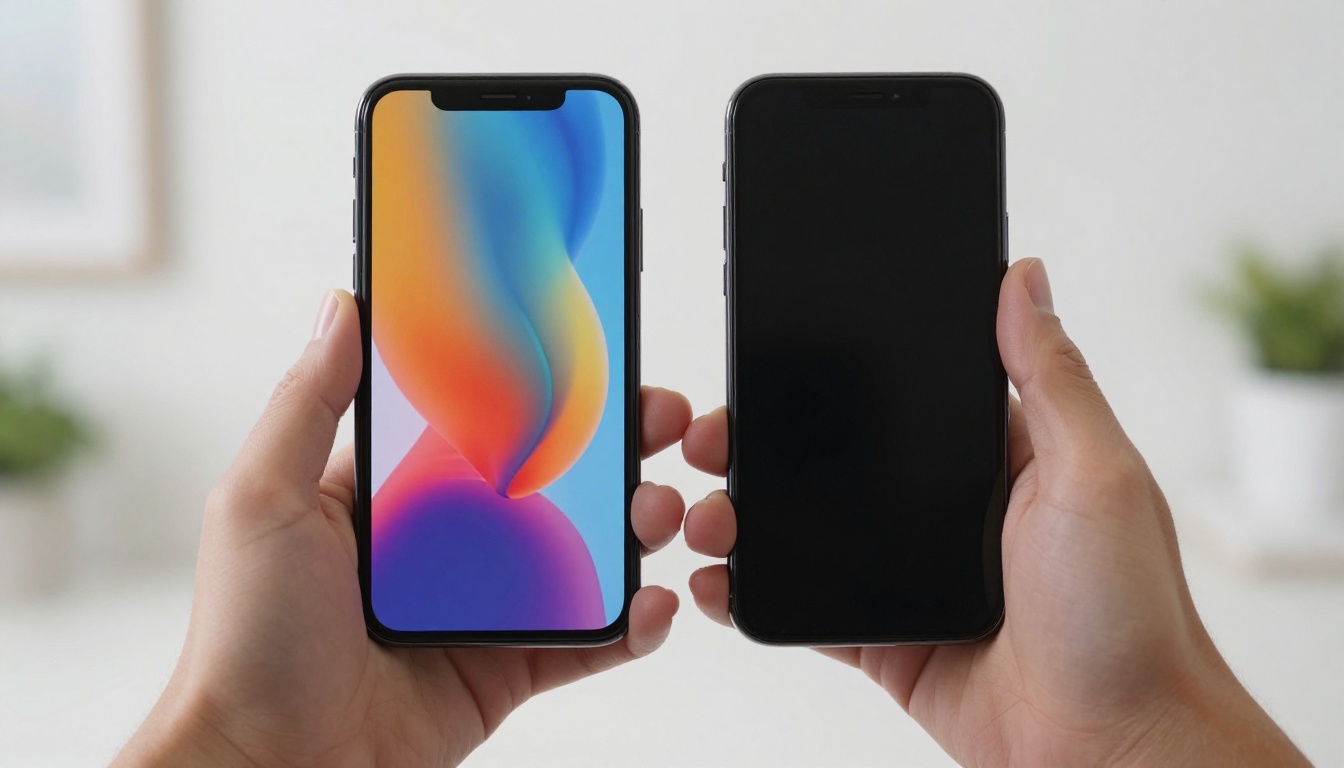
So, which is best? It depends on your priorities. If you crave deep blacks and vibrant colors, go OLED. Most flagship phones use AMOLED. It’s the standard for a reason. If you’re sensitive to PWM flicker, research specific models. Some OLED phones are better than others. LCD is still found in budget and midrange phones. It’s cheaper and can be very good. But you’ll miss those true blacks.
For the best battery life, LTPO is the winner. It’s a feature of high-end OLED panels. You get smooth scrolling when you need it and power savings when you don’t. Pair it with dark mode, and you’ll stretch your battery further. Eye comfort is a mix of factors. Blue light filters, high PWM frequency, and good brightness management all matter. No single technology is perfect.
Honestly, your eyes and usage habits are unique. Try to see phones in person before buying. Look at the screen from different angles. Check for color shift. See if the brightness feels comfortable. Read reviews that mention eye strain. Your perfect smartphone display is out there. It balances beauty, battery, and comfort in a way that works for you.