Follow us on Facebook
Breaking updates in your feed — tap to open
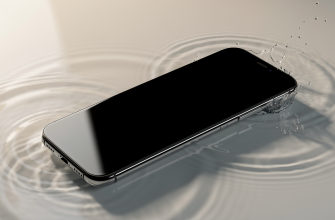
You see IP68 and IP67 slapped on spec sheets all the time. But what do they really promise? Manufacturers hype waterproof ratings like crazy. Thing is, the truth’s a bit messier. Your phone isn’t waterproof. Not really. It’s water-resistant, and only under certain conditions. Get a handle on these ratings and you might dodge a pricey repair. So let’s cut through the jargon and see what your gadget can actually survive.
Water-Resistant vs. Waterproof
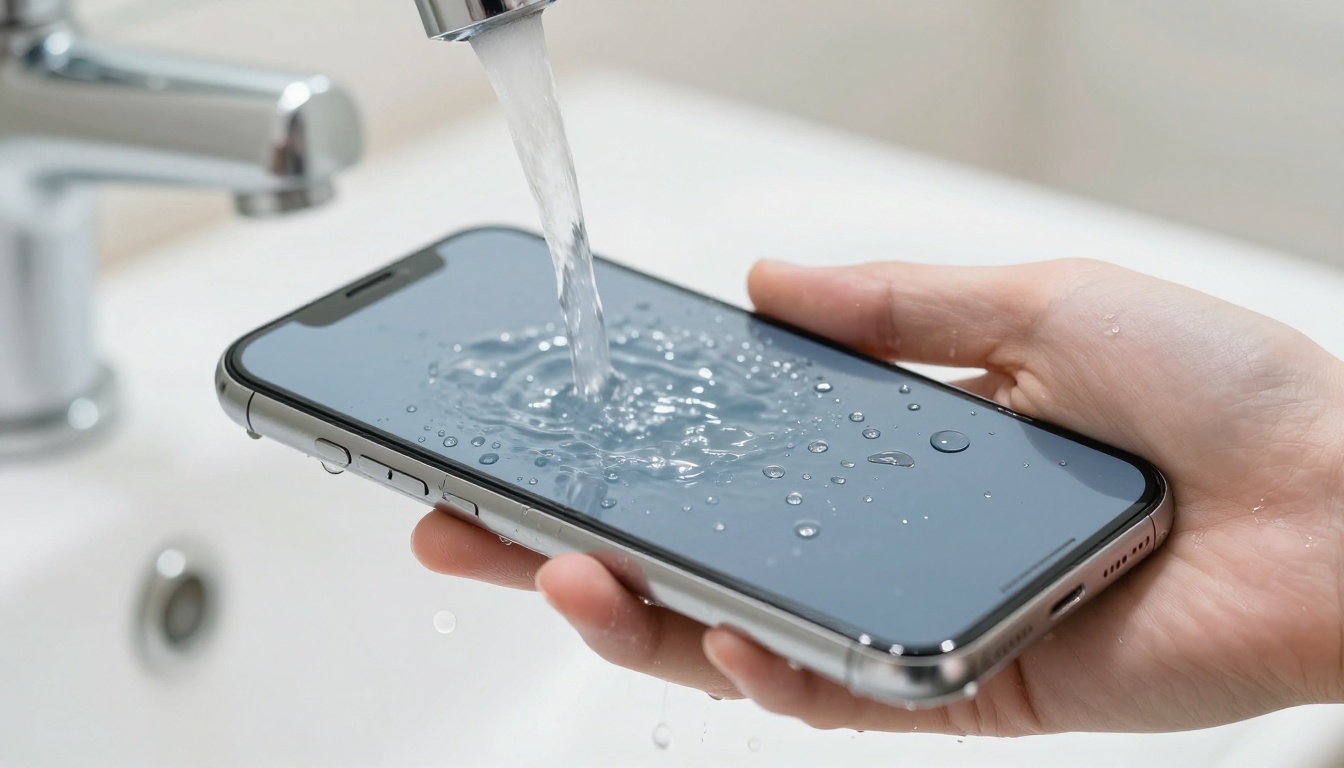
No smartphone is totally waterproof. Instead, they get water-resistance ratings from controlled lab tests. Think of it like a raincoat. It’ll keep water out for a while, but dunk it long enough and you’re soaked. The difference matters big time. Warranties hardly ever cover liquid damage, even on top-rated phones. Water resistance fades over time. Drops, wear and tear, and chemical exposure all take a toll. So that IP68 on a flagship? It’s not invincible. It just means it passed a specific test when it was brand new.
Manufacturers test in fresh, still water. Saltwater, chlorinated pools, soapy water-those are different animals. They eat away at seals and glue way faster. It’s kinda like expecting your hiking boots to survive a swamp after a light drizzle. Always rinse your phone with fresh water if it touches anything but clean tap water. Then dry it off completely.
IP Ratings: The Two-Digit Code
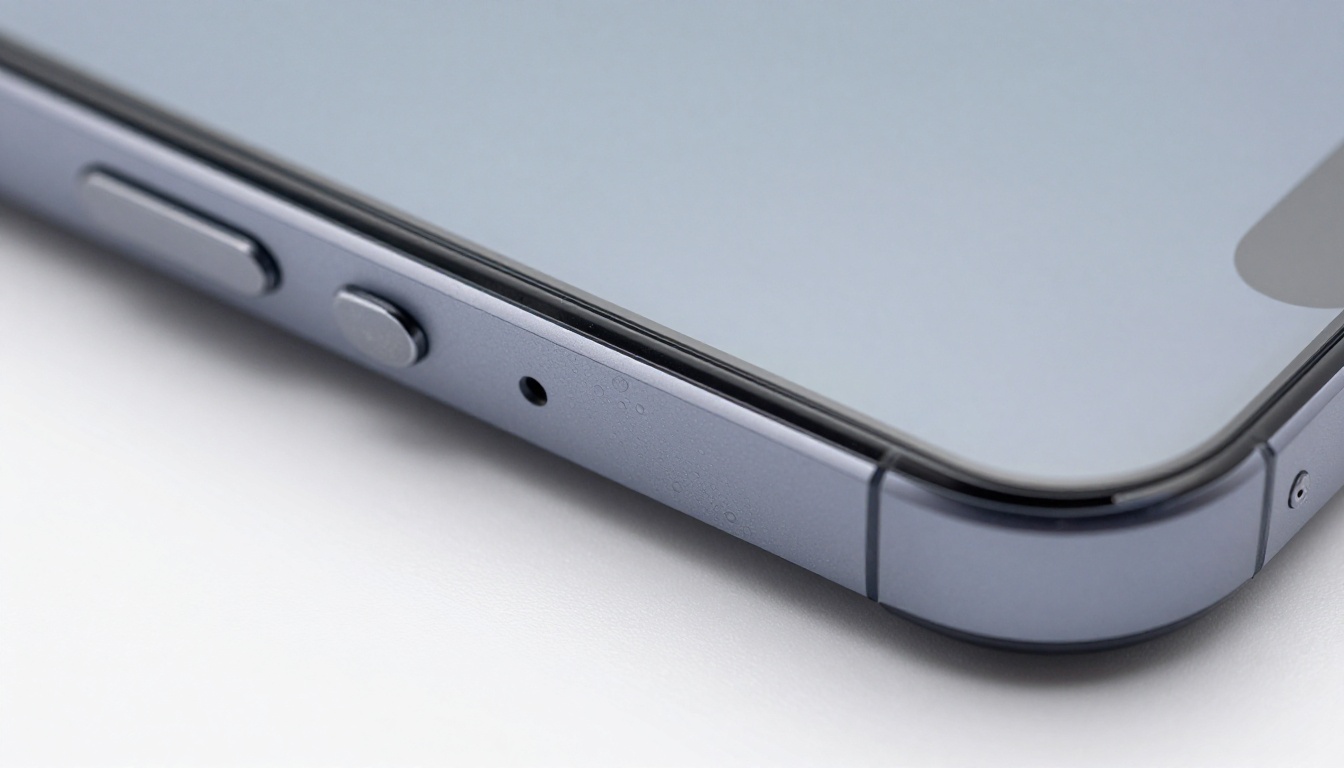
IP stands for Ingress Protection. First digit’s for dust, second’s for moisture. For phones, you’ll usually see a 6 for dust-that means dust-tight. Then a 7 or 8 for water. IP67 means it can handle being 1 meter deep for 30 minutes. IP68 typically goes deeper, maybe 1.5 meters or more. But the exact depth and time? That’s up to the manufacturer. One brand’s IP68 might be 1.5 meters for half an hour. Another’s could be 2 meters. Always check the fine print.
Lab tests happen with the device off. Real life isn’t so neat. You’ve got movement, temperature swings, and water pressure from jets or waves. That’s why a phone that survives a sink dunk might die in the ocean. Lab conditions are pristine, your life isn’t. Plus, IP ratings don’t cover other liquids like coffee or soda. Those leave sticky gunk that can wreck ports and speakers down the line.
ATM Ratings for Wearables
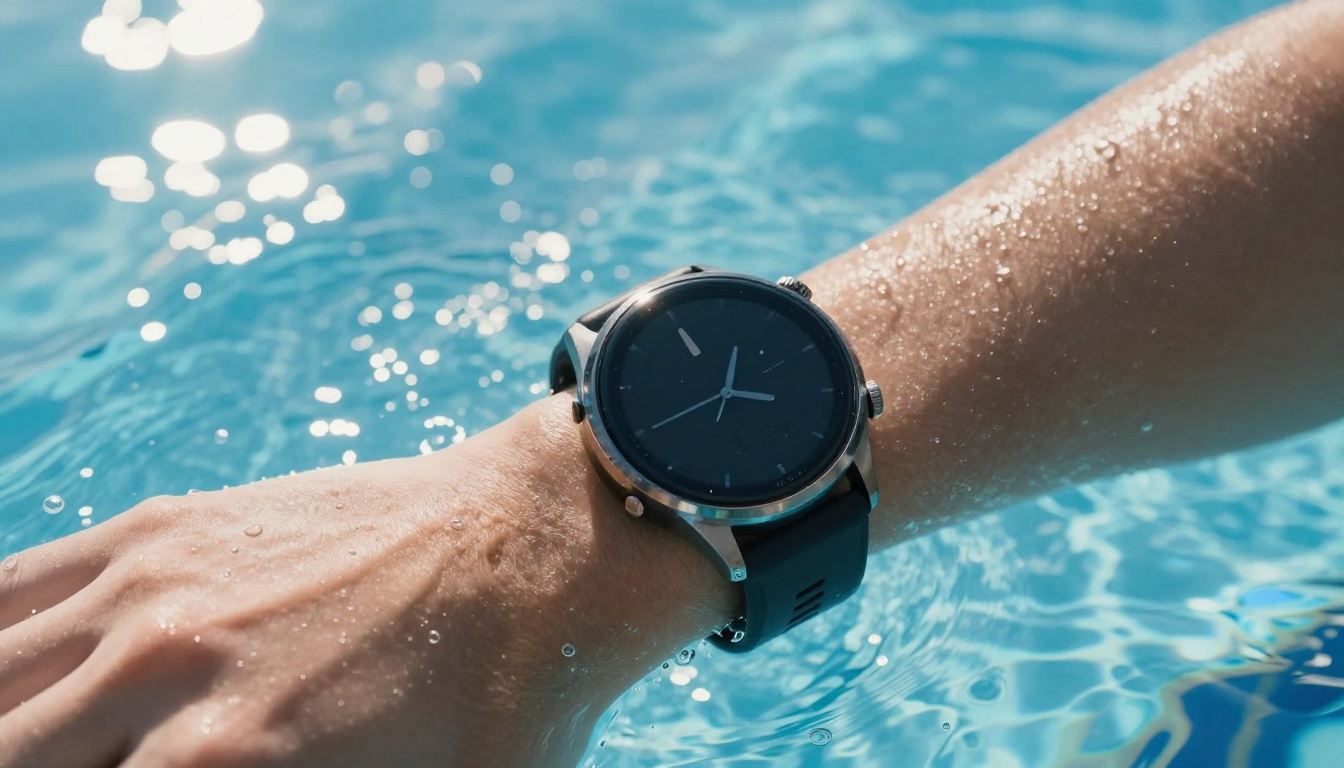
Smartwatches and fitness trackers often use ATM ratings instead of IP. One ATM equals the pressure at 10 meters of static water. A 5 ATM rating means it can take pressure like you’re 50 meters down. But here’s the catch: that’s static pressure. Swimming creates dynamic pressure that can blow past the rating. 5 ATM is usually fine for showering and surface swimming, but not for diving or high-speed water sports.
For serious swimmers or divers, look for 10 ATM or higher. Even then, leather bands can fall apart, and saltwater demands a rinse. Remember, like IP ratings, ATM testing uses fresh water. The ocean’s corrosive nature means you still gotta be careful. A basic fitness tracker with 5 ATM handles sweat and rain no problem. But a dive computer needs way tougher sealing.
Protecting Your Device
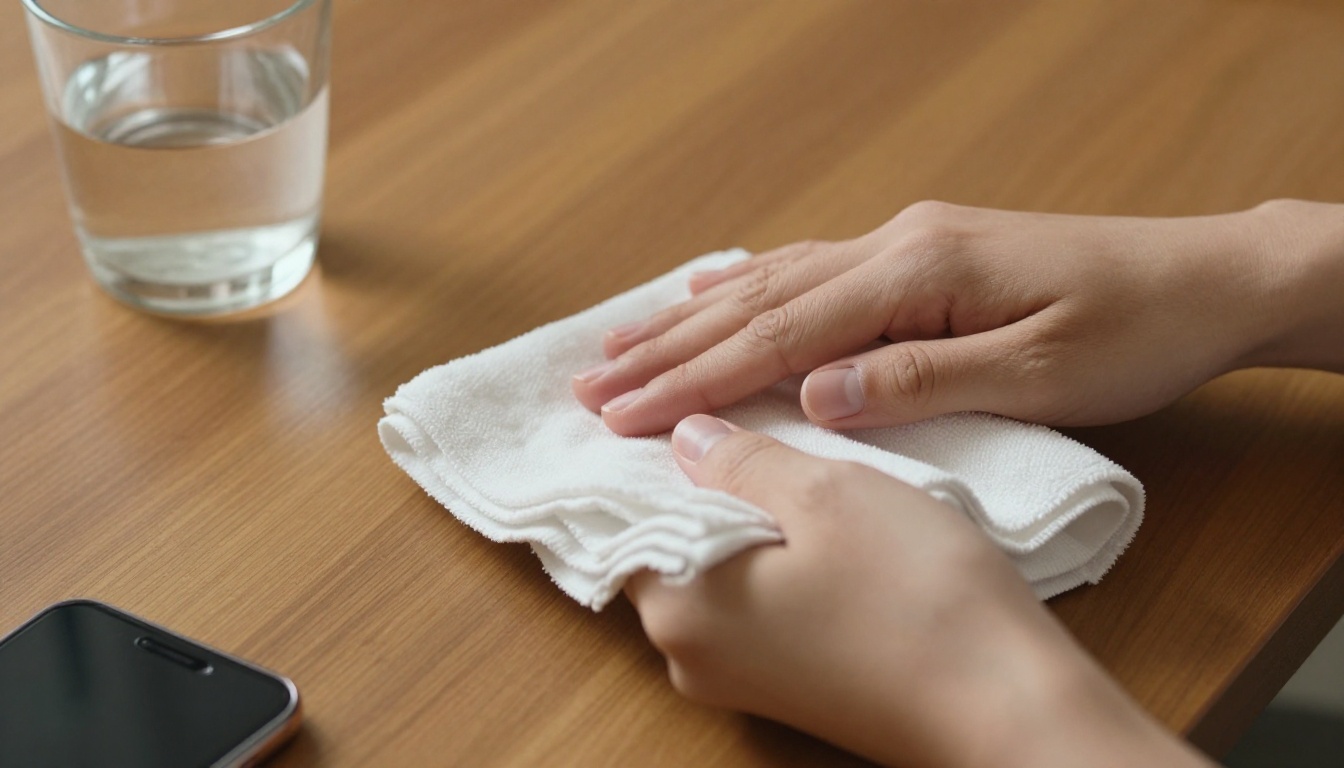
Water resistance isn’t permanent. Drops and dents can mess up seals. Extreme temps can weaken adhesives. To keep protection going, avoid steam-like in a hot shower. Vapor sneaks past seals easier than liquid. After any water contact, dry your device with a soft cloth and let ports air out before charging. Never charge a wet phone, that’s asking for a short circuit.
Think about a waterproof case if you’re around water a lot. They add a physical barrier and can boost protection beyond the built-in rating. For beach days, a simple zip-lock bag can save the day. Back up your data often. Liquid damage hits without warning, and recovery isn’t always possible. Honestly, treat water resistance like a safety net, not a free pass to take your phone for a swim.