Follow us on Facebook
Breaking updates in your feed — tap to open
The portable power landscape is still changing with new technologies and standards as we march on towards the year 2026. Choosing an appropriate power bank has become trickier than choosing the biggest capacity power bank. This detail manual discusses the essential aspects that set apart the new portable chargers, and guide you make accurate choice depending on your needs. Charging a flagship smartphone, a productivity tablet, or a combination of devices at a time, these main aspects will help you make a decision and buy a quality solution.
- Capacity Ratings and Real-World Performance
- Fast Charging Compatibility
- Multiple Device Charging and Wireless Options
- Important Safety Features to Keep in Mind
- Battery Chemistry and Thermal Management
- Device-Specific Considerations
- Deciding the Right Choice for You
- Environmental and Efficiency Factors
- Future Trends and Technologies
- Standardization and Compatibility Labels
- Conclusion
Capacity Ratings and Real-World Performance
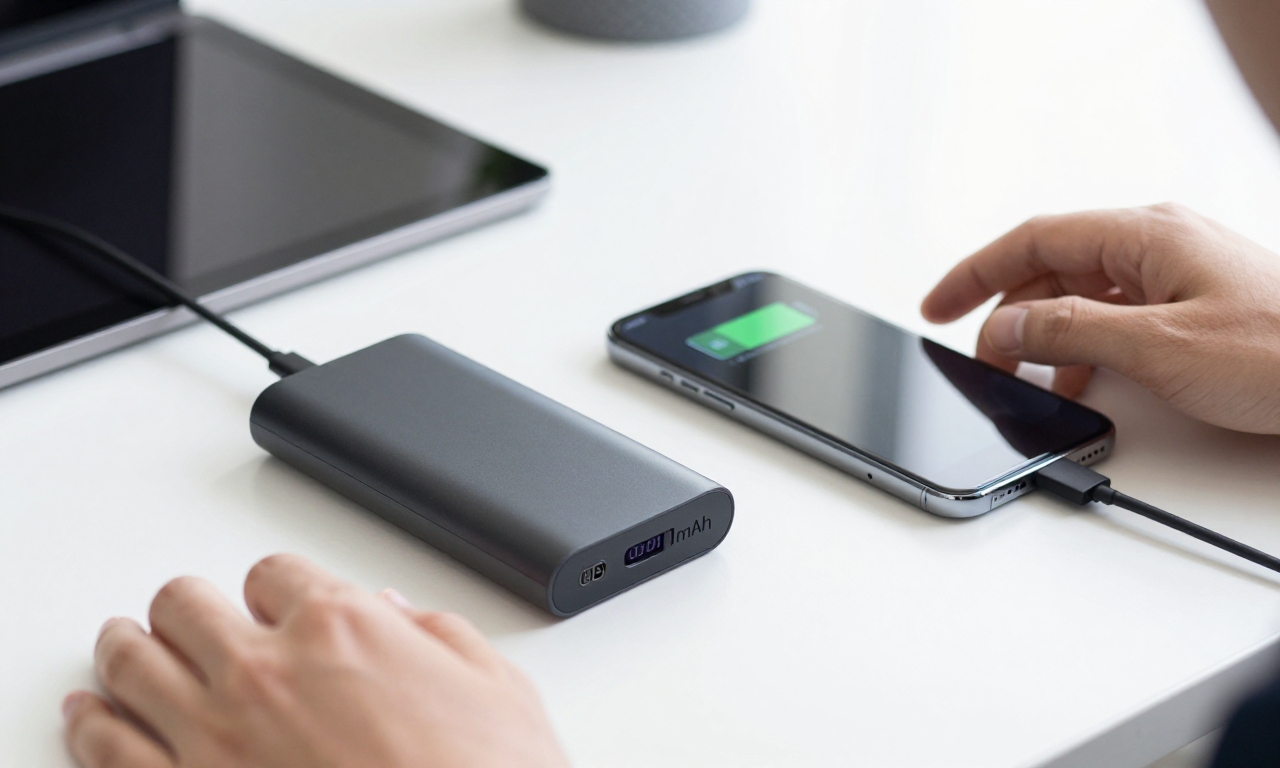
Capacity ratings are perhaps the most basic detail when it comes to any power bank but have been misconstrued. Manufacturers usually specify capacity in milliampere-hours (mAh) which does not directly translate to power that you can use with your devices. Conversion efficiency, voltage regulation, and in-house circuitry determine the actual output. To illustrate this, a 10,000mAh power bank may only provide about 6,000-7,000mAh of useful power to your smartphone when energy loss has been considered. As you consider your needs, you may want to factor in on the size of your device battery and the number of full charges. The 10,000mAh power bank would charge a smartphone with a 4000mAh battery once or twice, with larger batteries needed in tablets.
Fast Charging Compatibility
Knowing about Fast Charging Compatibility.
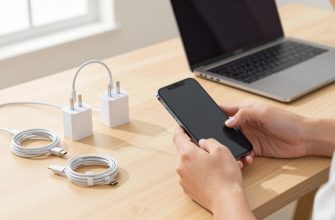
The concept of fast charging has transformed the act of charging our devices, although the compatibility differs greatly between manufacturers and between different standards. Most modern power banks currently work with several different protocols, such as USB Power Delivery and Qualcomm Quick Charge, Samsung Adaptive Fast Charging, and proprietary programs such as those used by OnePlus and Xiaomi. USB-C has made connectivity somewhat easier, but the standards behind the charging standard are still fragmented. In the process of assessing fast charging capabilities, make sure to examine what your particular devices are capable of. A MagSafe-compatible iPhone will enjoy the advantages of wireless charging power banks, whereas Android devices such as Samsung or Google Pixel phones may need to rely on alternative wired standards. The power banks available in 2026 should have wide compatibility with each of these systems.
Multiple Device Charging and Wireless Options
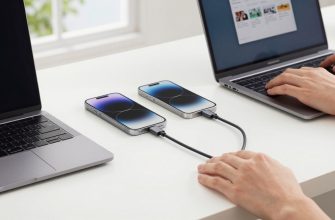
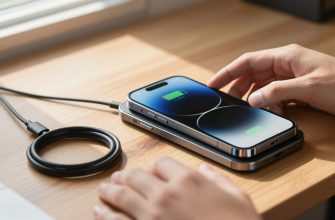
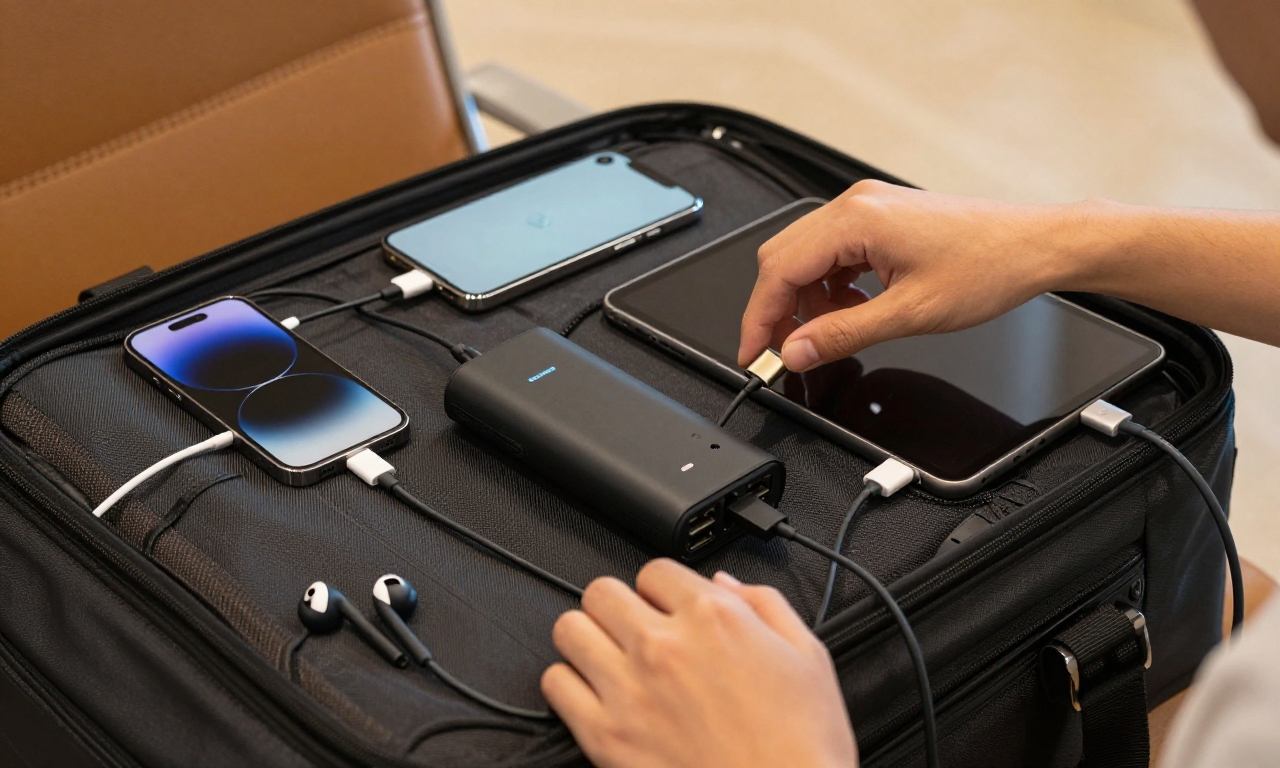
In addition to the charging speed of raw banks, look at the way power banks can deal with charging many devices at once. Several current models include multiple output ports that have smart output power distribution that changes with the devices being connected. It is of great use especially to the travelers or students who require charging their smart phones, tablets and accessories such as the earbuds using Bluetooth or noise-cancelling earphones, etc. all in one location. Certain power banks go so far as to have special wireless charging surfaces specifically dedicated to compatible devices, ignoring the use of cables altogether. Wireless charging has become much more convenient, but is generally slower than the wired connections. In users who own more than one Apple product, the MagSafe-powered power banks provide an easy fit to the devices without being particularly accurate in the arrangement.
Important Safety Features to Keep in Mind
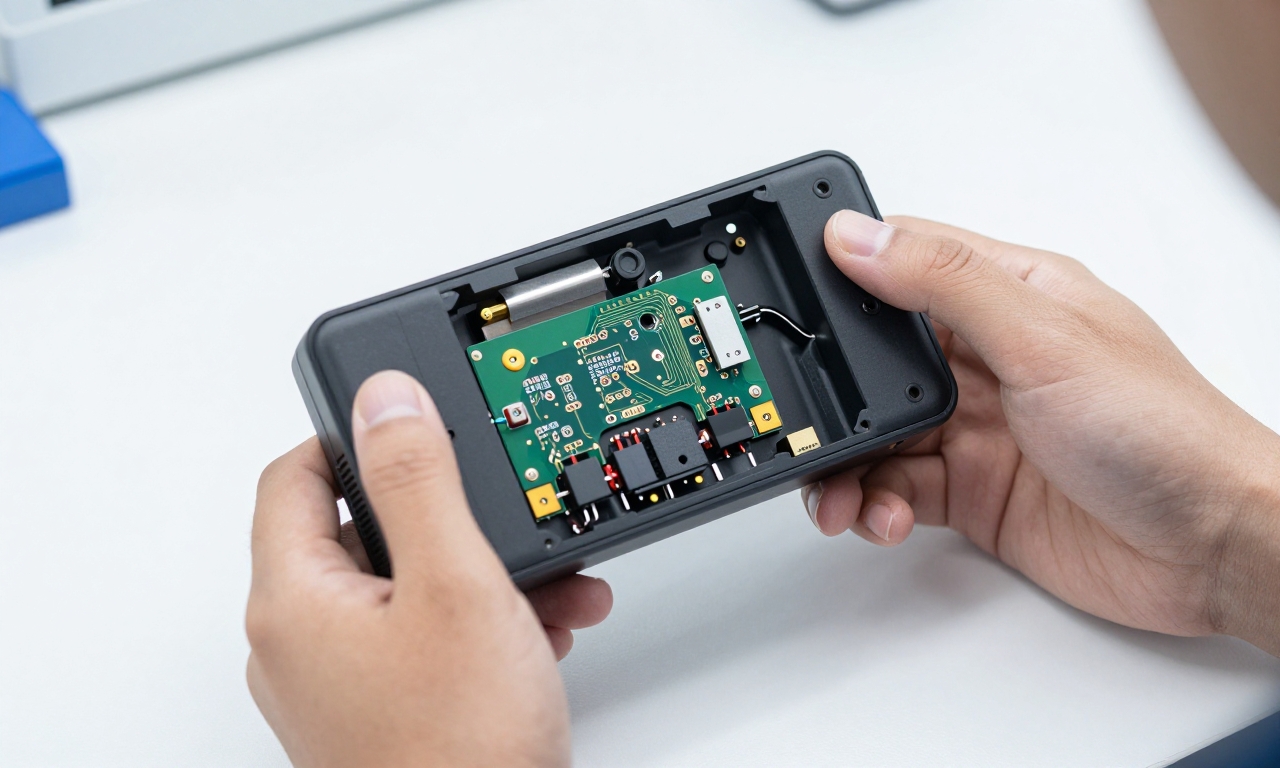
When it comes to making choices on portable power, safety should never be an after-thought. Good quality power banks have more than one protection system, such as overcharge protection, short circuit protection, temperature regulator, and voltage regulator. Such capabilities help avoid damage to the power bank itself, as well as, your precious gadgets. Seek out certification by a respected testing personnel and steer clear of non-brand or otherwise untrusty low-end products that are skimpy on security features. The longevity of construction is also important, particularly regarding the power banks that will be carried in bags or used every day. The impact resistance and waterproof can greatly increase the life of your investment.
Battery Chemistry and Thermal Management
Safety and longevity also depends on internal battery chemistry. The lithium-polymer cells found on most modern power banks are more flexible and have better energy density than older lithium-ion designs. But sound thermal regulation is all that is needed, especially when charging rapidly and creating additional heat. Other quality models have built in cooling or high-quality heat dissipation channels just to ensure the best operating temperatures. Safety algorithms and charging efficiency can be enhanced over time through regular updates to firmware, which are offered by some smart power banks as companion apps. These updates respond to new requirements and run specific usage patterns favorably.
Device-Specific Considerations
Other priorities come into course when it comes to using power banks with certain types of devices. Users of smartphones are usually more concerned with portability and the ability to charge their specific phone fast using the appropriate fast charging standard (i.e. MagSafe on iPhones or compatible with a certain fast charging technology on Android devices). Tablet users may require additional capacitor units to charge their larger batteries, and remain reasonably portable. With wearable devices such as smartwatches such as the Apple Watch or the Garmin, dedicated power banks with lower power settings may be the optimal choice to ensure that these smaller devices do not get overwhelmed. The increased selection of smart home products and tools has likewise brought greater need to power banks capable of serving as temporary power sources to power security cameras, sensors, or other connected devices during an outage or during outdoor usage.
Deciding the Right Choice for You
Inevitably, budget factors do impact purchasing, yet the lowest-cost product will tend to cost more over time with either a shorter lifespan or diminished safety. Most users find mid-range power banks to be the best combination of features, capacity, and reliability. Reputable brands have flagship models that use high quality materials, superior safety, and a wider compatibility offering at a premium cost. The less expensive, or the student consumer, has a few more trustworthy selections that provide good performance without the unnecessary add-ons. Look at how you actually use your devices instead of what you think the highest possible power consumption could be – a slightly smaller power bank that you can carry around in everyday life is more practical than an enormous one that has to be left at home because of its bulk.
Environmental and Efficiency Factors
The environmental factors are worth considering as well. Lithium-based batteries are sensitive to the environment when it comes to production and disposal. There are manufacturers who have started recycling options, or have made certain that they make their construction using materials that are more sustainable. Reducing waste, you can also save a battery that is swappable, or a modular battery for a power bank to increase its lifespan. Although not yet a standard throughout the industry, energy efficiency ratings can tell how effectively a power bank turns the energy stored into useful charge to power a device. More efficient models consume less power in the form of heat, which means that it will charge more capacity using the same size battery.
Future Trends and Technologies
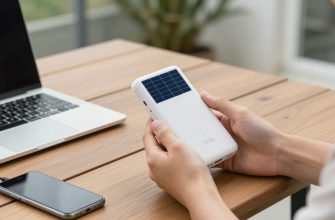
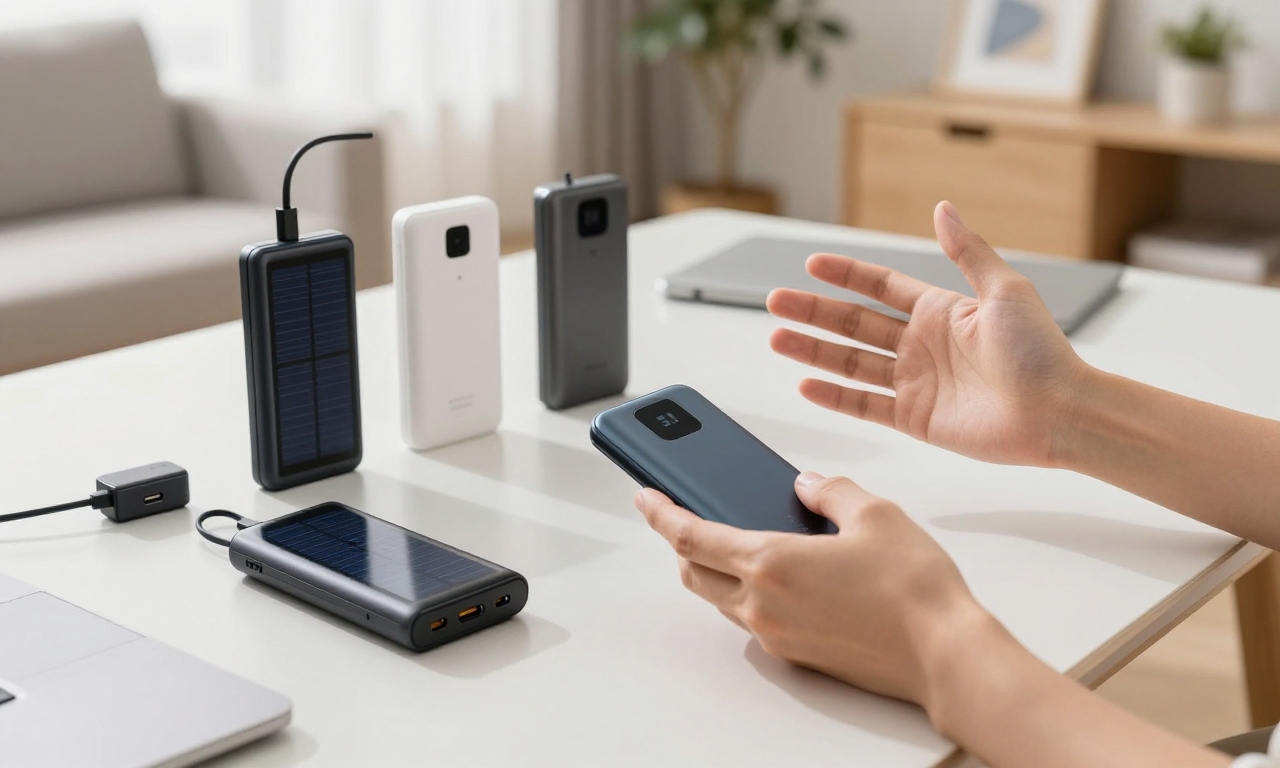
Looking ahead there are some new technologies, which are likely to transform the portable power arena. The use of Gallium nitrate charges is steadily growing in popularity due to their compactness and efficiency with integrated power banks starting to feature the technology. Though a solar ability to charge, which is still limited to the practical side of everyday usage, has become better in case of an emergency or outdoor. Digital display instant power banks capable of displaying the remaining power capacity, the applied output watt, and the estimated time required to charge the battery are useful in managing power supply. Connectivity to smartphone applications enables updating the firmware, schedule charging, and use statistics.
Standardization and Compatibility Labels
Combination of charging standards is perhaps the most important 2026 and beyond trend. With an increasing number of devices supporting the USB-C standard as the primary charging port, as well as the standardisation of wireless charging, power banks will find themselves required to support fewer potentially competing protocols. The advantage of this standardization to consumers is that it can simplify their compatibility choices and even reduce costs. But at the same time, in this transition, it is necessary to check a particular compatibility. Manufacturers have also started printing the compatibility labels on the products they offer making it easy to know which power banks to use with your specific devices.
Conclusion
Finally, finding the appropriate power bank means making a compromise between the necessary capacity and the speed of charge, safety, and affordability. Which option should be ideal will differ greatly depending on whether you charge only one smartphone or a combination of various gadgets such as tablets and accessories. Learning to convert capacity ratings into real-world performance, which fast charging protocols your devices can use, and what safety features can offer you basic protection can help you choose a power bank that can serve you well until 2026 (and beyond). The market is also becoming more advanced in terms of what it provides; bottom-line however is the quality, compatibility, and safety of the loaded product, all the same irrespective of how high or low the prices of the products and their features.