Follow us on Facebook
Breaking updates in your feed — tap to open
Cheap phones force you to give up something. You know that. Slower chip, meh camera-that’s the deal. But some cut corners you won’t spot right away. They’re not on the box. They creep up after a week or two, turning that sweet price into a daily headache. So let’s talk about the hidden budget phone trade-offs. Knowing them helps you grab a device that won’t drive you nuts.
Weak Haptics
The vibration motor sounds like a tiny detail. It’s not. It colors every tap, every swipe, every buzz. Typing, alerts, back gestures-they all lean on haptics. Fancy phones use a linear motor. Sharp. Tight. A little click you feel, not hear. Budget models? They get a spinning weight thing. It’s lazy. It rattles. Instead of a quiet nudge, you get a loud, cheap buzz. Honestly, it’s kinda embarrassing. Lots of folks just shut it off. And that’s a shame. Good haptics make a phone feel snappy and alive. Don’t sleep on this. A mushy motor kills the vibe every time you touch the screen.

Missing Sensors
Spec sheets brag about cameras and batteries. They skip the gyroscope. This little sensor powers panorama shots, 360 video, smooth AR stuff. Many budget phones ditch it to save a few bucks. No gyro? No VR. Motion games won’t work. Even some camera tricks vanish. Another silent drop is the compass. Map apps need it to point you the right way. Without it, you’re lost-literally, the map can’t tell which direction you’re facing. These gaps aren’t obvious in the store. They only bite when you really need them. So check the full sensor list before you buy.
Carrier-Locked Updates
Updates keep your phone safe and fresh. But on budget devices, carriers often hold the keys. Buy from a carrier and you might wait months for a patch-longer than the unlocked version. Sometimes, the update never shows. The maker releases a fix, but the carrier drags its feet testing. Your phone sits there, vulnerable. Security holes stay open. New features stay locked. It’s a mess. This fragmentation drives people crazy. And it shortens the phone’s life. When you shop, go for unlocked models if you can. Or dig into a brand’s update history. A low price isn’t worth a phone that’s abandoned after a year.
Slippery Glass Backs
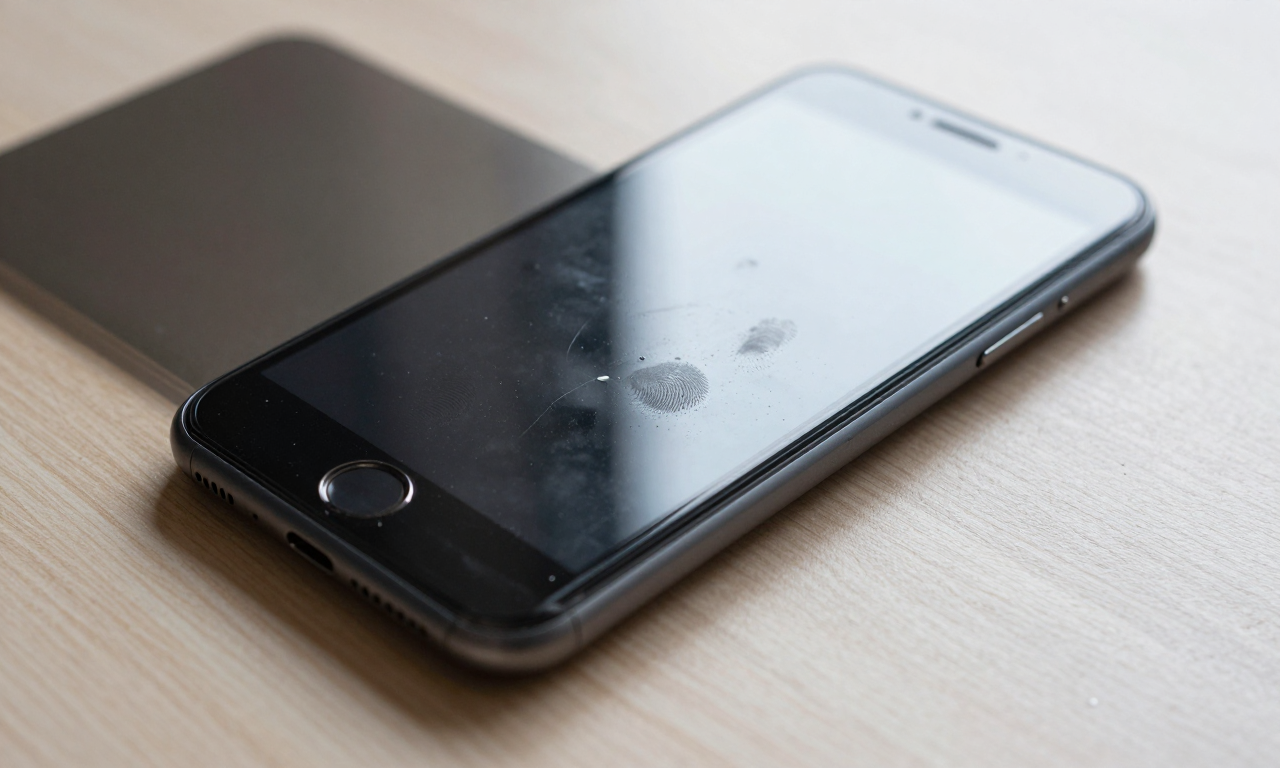
Glass backs look premium. They feel cool. But on cheap phones, they’re a pain. To cut costs, makers skip the oleophobic coating. That’s the stuff that fights fingerprints and adds grip. Without it, the phone’s a grease magnet. It slides off tables. Slips out of pockets. Most people slap a case on right away. So you hide the design you paid for. Some budget phones use glossy plastic instead. It looks like glass but grips better and takes a beating. Plastic backs often prove more practical on affordable devices. Don’t get seduced by glass unless you’re okay with a case.
Another hidden cost: wireless charging. Glass backs allow it, but budget phones usually skip the charging coil. So you get the fragility without the perk. Think about materials. A textured plastic back can feel nicer and survive drops.
Display Shortcuts
Screen talk focuses on resolution and size. But budget displays cheap out in other ways. Brightness takes a hit. A panel that’s fine indoors turns useless in sunlight. Colors go wonky. Whites lean blue or yellow. Viewing angles shrink-tilt the phone and the picture washes out. Touch can lag too. Scrolling feels muddy. These flaws pile up. You stare at that screen for hours. A bad display strains your eyes and sucks the fun out of everything. When you judge a budget phone, put display quality above resolution. A bright, color-accurate 720p screen beats a dim, washed-out 1080p one any day.
Bloatware Burden
Budget phones come stuffed with junk apps. Carriers and manufacturers pile on their own software. These apps eat storage. They run in the background, sipping battery. Some you can’t even delete. They just hang out, pinging notifications and hoovering up data. This bloatware drags performance down. It clutters your home screen. A phone with 64GB might leave you just 40GB after setup. That’s a big bite. Before you buy, check how much bloat a model packs. Some brands are infamous. Others keep it clean. A tidy software experience makes a budget phone feel quicker and way less annoying.
Build Quality Compromises
Budget phones often feel hollow. The frame flexes. Buttons wobble. The SIM tray sticks out. These aren’t just looks. Weak structure means the phone’s more likely to crack when you drop it. Water resistance is almost always absent in budget devices. A splash can fry the guts. Dust creeps into ports and speakers. Over time, these little flaws add up. A phone that feels solid gives you confidence. It lasts longer. When you handle a device, pay attention. Check button clickiness. Eye the seams. A well-built budget phone is out there, but you gotta hunt for it.
Making a Smart Choice
Not every compromise is a dealbreaker. Your needs steer the ship. Love photos? Don’t skimp on the camera. Clumsy? Go for durability and a grippy back. Gamers need a snappy screen and a gyroscope. Travelers want a solid compass and battery that lasts. List your top three must-haves before you shop. Then read reviews that dig into real life, not just specs. A spec sheet won’t whisper about haptic quality or update delays. User forums and long-term reviews spill the tea on these hidden budget phone trade-offs. With this stuff in your head, you can find a phone that fits your world without driving you up the wall.
Look, a budget phone should still feel like a trusty tool. It shouldn’t fight you. When you know where manufacturers cut corners, you dodge the worst traps. A little research goes a long way. The right budget phone is out there. You just need a sharp eye to spot it.