Follow us on Facebook
Breaking updates in your feed — tap to open
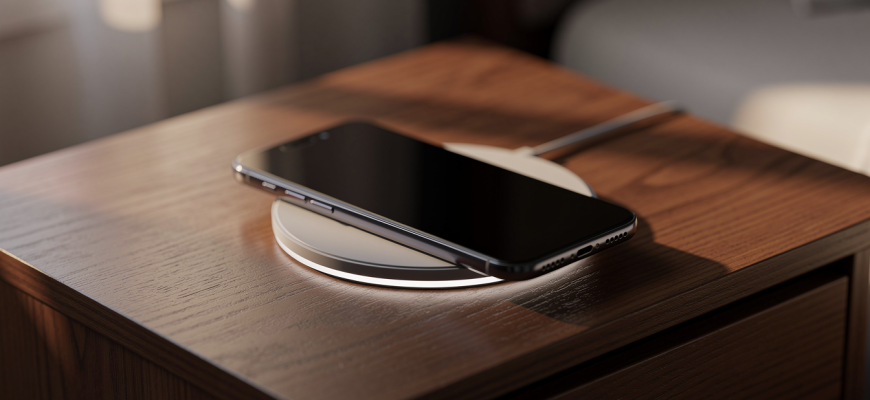
Wireless charging is everywhere now. It’s standard on most modern smartphones. But picking the best wireless chargers? That’s still a pain. You might grab one pad and it zips your phone to full, while another barely crawls. What gives? It’s all about the invisible magic of electromagnetic induction. Get the basics down, and you’ll dodge slow speeds, crazy heat, and cash down the drain.
Qi Standard Basics
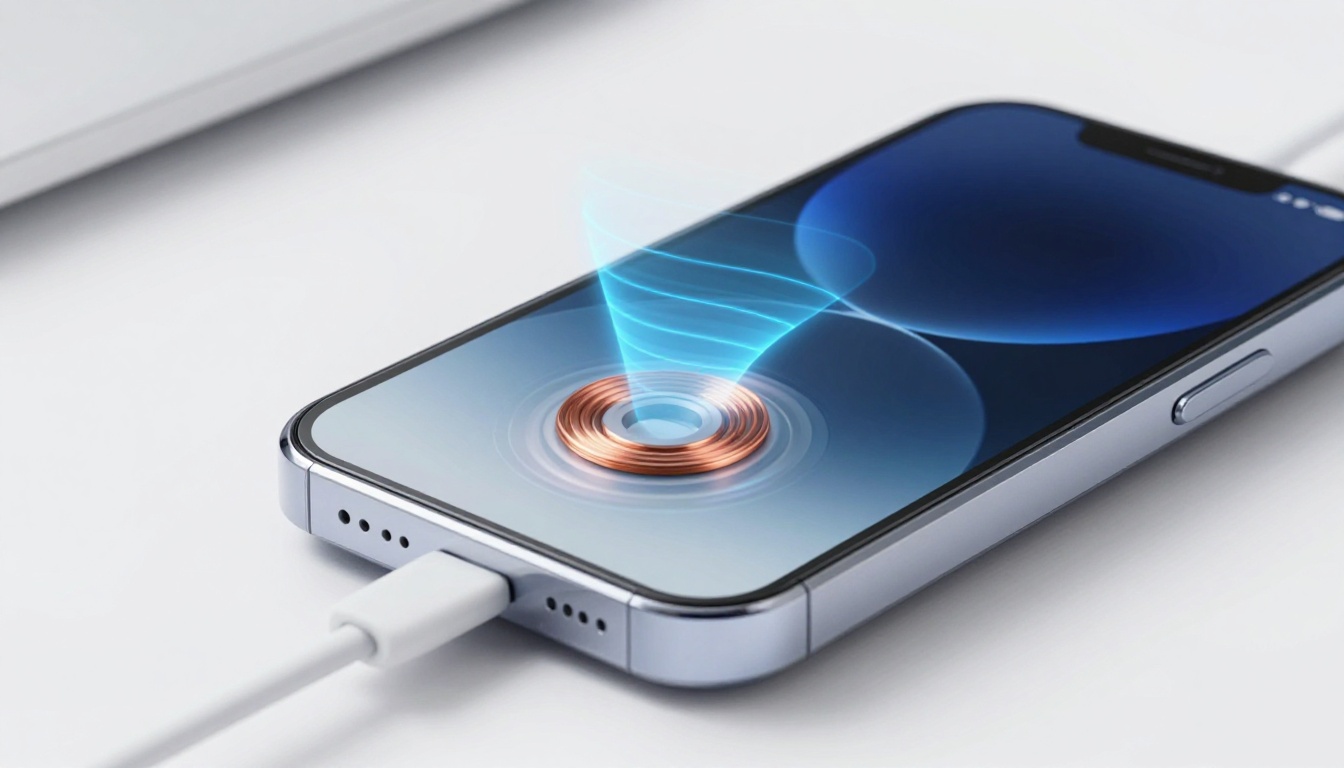
Qi-say it like “chee”-is the big universal standard from the Wireless Power Consortium. It’s the language your Samsung Galaxy or Google Pixel speaks. How’s it work? A coil in the charger kicks out a magnetic field that wiggles electrons in your phone’s coil. Simple, right? Not super efficient compared to a cable, but hey, the convenience is pretty much worth it.
Not all Qi pads are cut from the same cloth. They range from a pokey 5W up to 15W with Extended Power Profile. A 5W charger might need four hours for a big battery. A 15W one? Way faster. But your phone has to play along, or it’ll stick to a slower speed. Alignment’s a big deal too. Coils off-center mean wasted power and heat. Lots of pads now throw in extra coils or free-positioning to fix that.
Safety’s built in. Foreign object detection keeps your keys from turning into a hot mess. Thermal protection dials things back if it gets too toasty. Still, a shoddy charger can push your phone into thermal throttling, and that slows everything down. Look for Qi certification-it’s not just a sticker. It means the thing hits basic safety and performance bars. For Android folks, Qi is the backbone, and the best wireless chargers nail speed, alignment, and keeping their cool.
MagSafe vs Proprietary
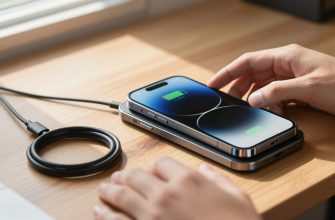
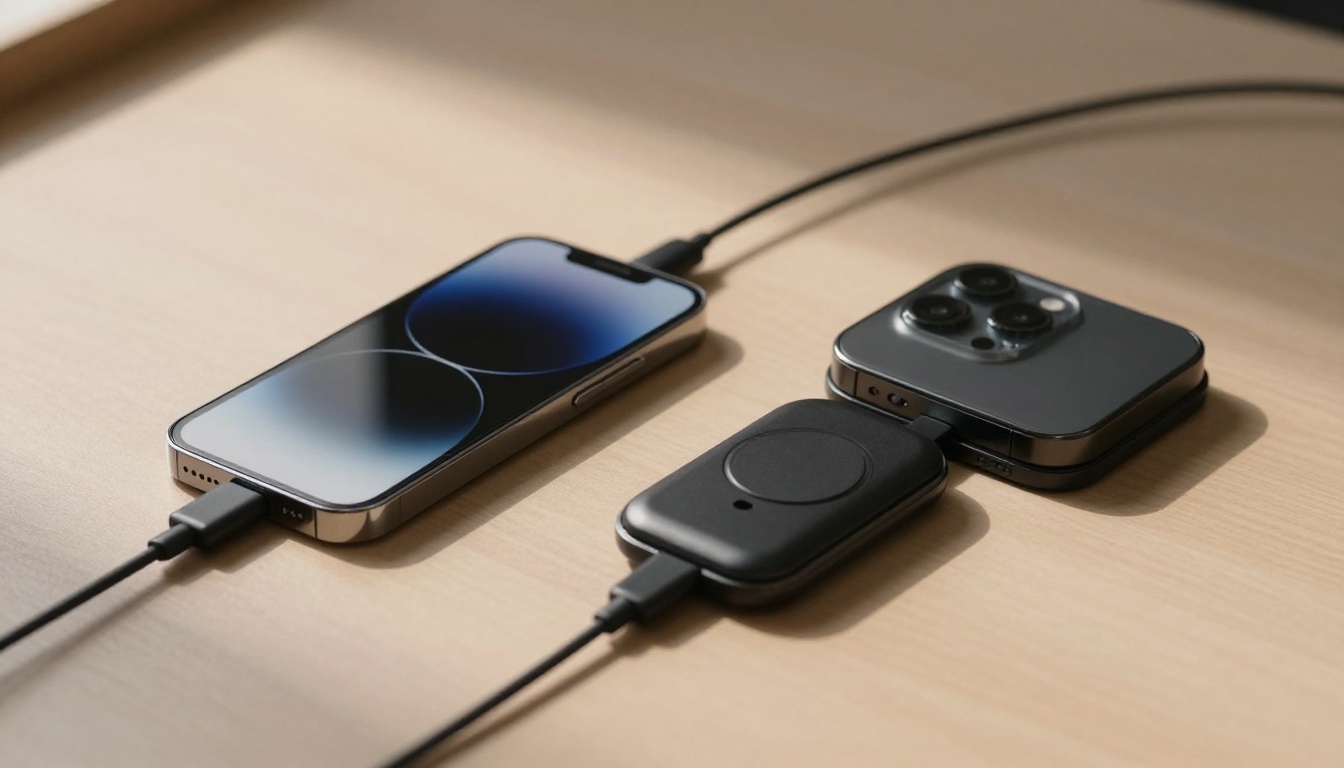
Apple’s MagSafe takes Qi and slaps on a ring of magnets. Perfect alignment, every time. It came with the iPhone 12, snapping on with a click and pushing up to 15W. That magnetic trick kills the alignment headache dead. But it’s a walled garden. Only iPhone 12 and newer get the full 15W. Older iPhones? 7.5W. Android phones? A measly 5W, unless you grab a magnetic case adapter.
Then there’s the proprietary stuff. OnePlus and Xiaomi cook up their own fast wireless tech that smashes past Qi’s limits-think 50W or more. You need their special charger and often a specific power brick. The speed is wild, but you’re locked in. Switch brands later, and that pricey charger turns into a basic Qi pad. It’s a gamble: crazy performance now versus flexibility down the road.
Heat is the sneaky villain here. MagSafe’s magnets cut waste, but that snug fit can trap heat. Proprietary systems sometimes have fans in the charger to fight it. Without good cooling, your battery health takes a hit over time. So don’t just drool over wattage numbers. A 15W charger that overheats in 20 minutes is worse than a steady 10W one. Honestly, thermal management is kind of ridiculous to ignore.
Multi-Device Charging Solutions
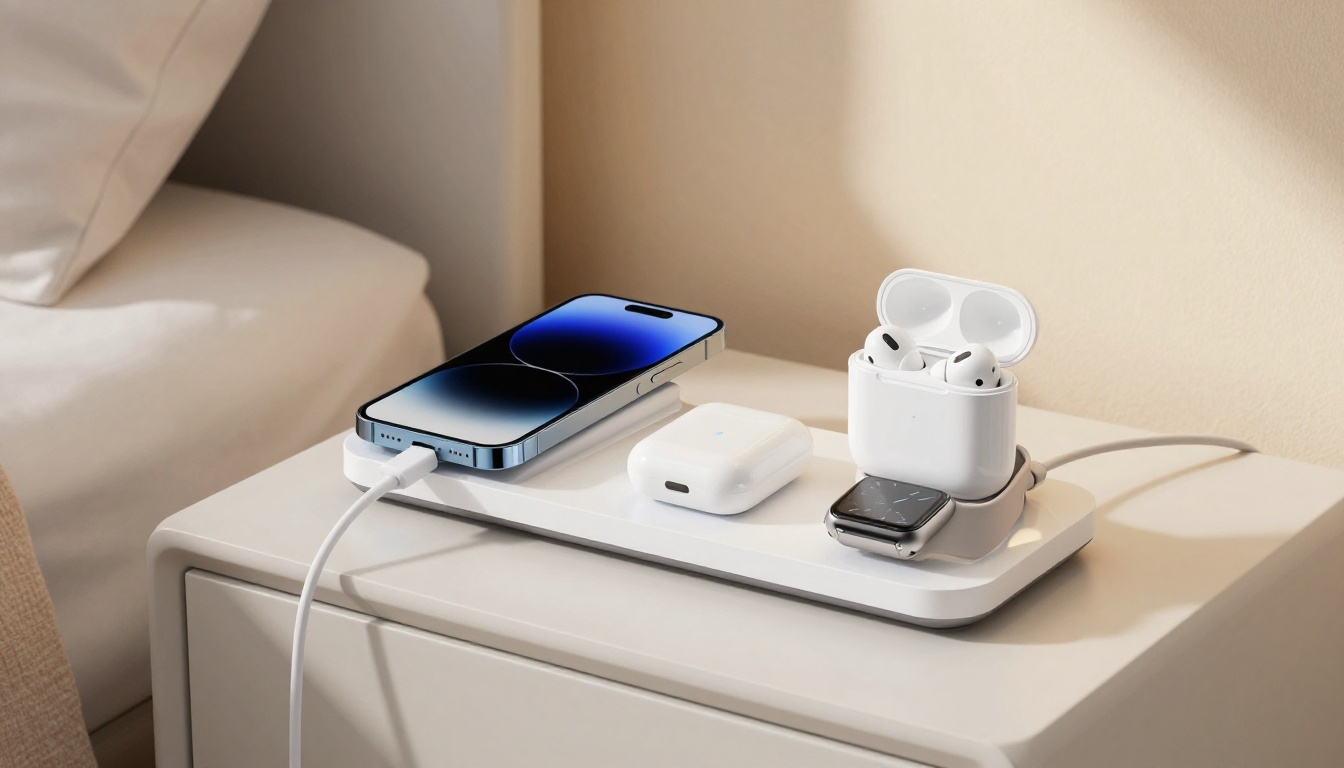
Charging your phone, earbuds, and watch every night can turn your nightstand into a cable octopus. Multi-device wireless chargers promise to clean that up. But they bring their own headaches. Most mix Qi pads for phones and buds with a special spot for a watch. Apple Watch uses a tweaked Qi, so it won’t juice up on a plain pad-hunt for chargers with an MFi-certified watch bit. Samsung Galaxy Watches need their own magnetic dock too.
Power sharing gets tricky. A three-in-one might boast 25W total, but it’s split up. Maybe 15W for the phone, 5W for buds, 5W for the watch. If your phone gulps more, the others might slow to a crawl or stop. Some fancy models have separate power lanes to dodge this. And don’t forget stability-a flimsy stand can tip when you yank your phone off. Rubberized bases and grippy pads are small things that make daily life less annoying.
For travelers, foldable multi-chargers are a godsend. But they often trade speed for size. A travel charger might only spit out 7.5W to your phone. Fine for overnight, but brutal during a quick airport stop. Think about your habits: if you mostly charge while snoozing, reliability and compatibility beat raw speed. Need a fast boost during the day? A single fast pad might be a better bet than a sluggish multi-device unit.
Wireless charging isn’t about raw speed-it’s about seamless integration into your daily rhythm. The right charger disappears into the background, keeping your devices topped up without demanding your attention.
Choosing Your Ideal Charger
First, list your gadgets and what they can do wirelessly. Got an iPhone 14? MagSafe’s your best friend. Samsung Galaxy S24? Hunt for a Qi pad that handles 15W Fast Wireless Charging 2.0. Pixel owner? Stick with standard Qi EPP chargers. Don’t forget your earbuds case and watch-check if they even support wireless charging. Some budget buds still cling to USB-C.
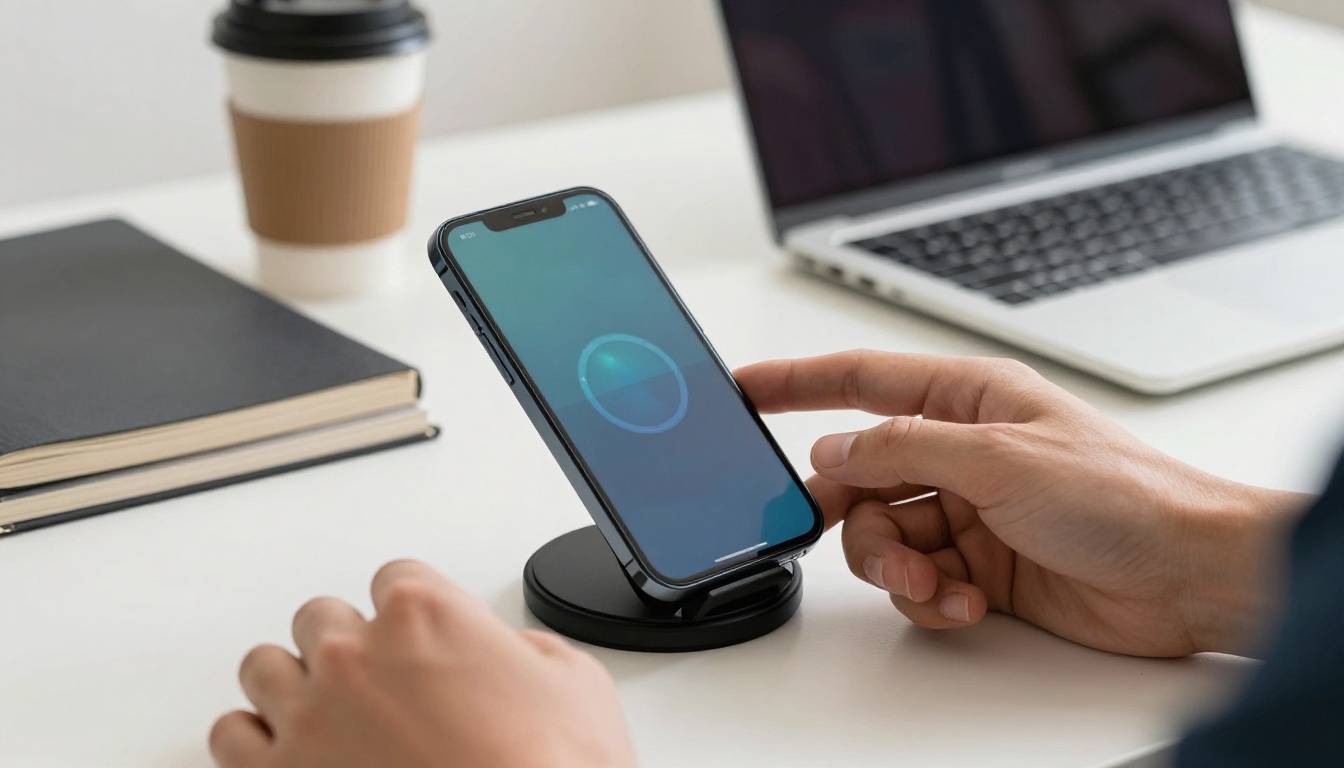
Next, pick your shape. Stands prop your phone up for face unlock and quick glances. Pads lie flat and are easier to align by touch. Multi-device chargers save space but cost more and can be a pain if you upgrade one device. Peek at build quality: a hefty base, braided cable, and a power adapter in the box scream good engineering. Lots of chargers skip the adapter, figuring you’ll use an old one, but a mismatched brick can tank performance.
Finally, weigh your budget against how long it’ll last. A certified Qi charger from a trusted brand might sting upfront but will probably outlive a no-name knockoff. MagSafe gear holds value if you’re deep in the Apple world. Proprietary fast chargers are a roll of the dice unless you’re brand-loyal for life. The best wireless chargers aren’t always the fastest or cheapest-they’re the ones that slide into your setup without adding friction.
| Feature | Qi Standard | MagSafe | Proprietary Fast |
|---|---|---|---|
| Max Speed | 15W | 15W | Up to 50W+ |
| Device Compatibility | Universal | iPhone 12+ | Brand-specific |
| Alignment | Manual | Magnetic | Varies |
| Ecosystem Lock-in | None | Moderate | High |
| Typical Use Case | Android phones, general | iPhone users | Enthusiasts, single brand |
Wireless charging is a luxury, not a must. But once you nail a good setup, going back to cable fumbling feels ancient. Take a beat to learn the standards, and you’ll land a charger that sticks with you for years, no matter what new phones drop next.