Follow us on Facebook
Breaking updates in your feed — tap to open
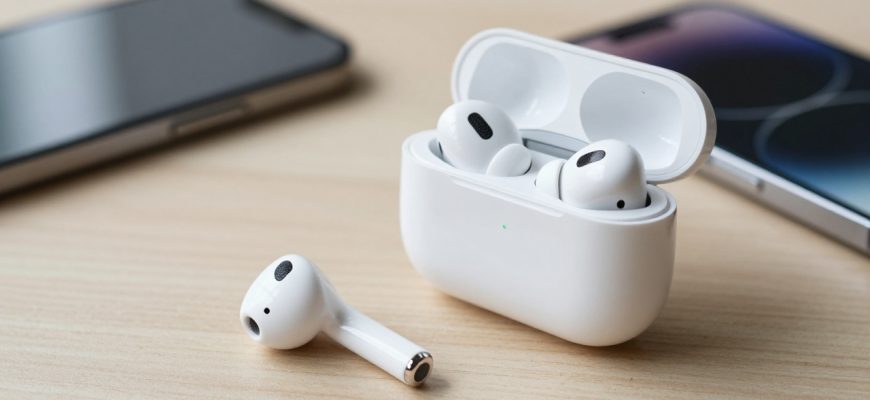
AirPods Pro 3 arrive as a careful refinement of Apple’s in-ear flagship. Compared with the second-generation model, the third Pro leans on stronger noise cancellation, a fuller sound signature and a rethought tip system that aims for a more secure, comfortable seal — but it also introduces a curious battery trade-off and a few compatibility quirks. This review breaks down the real-world differences, who benefits most, and how the new Pro sits inside Apple’s audio lineup.
What’s new in AirPods Pro 3
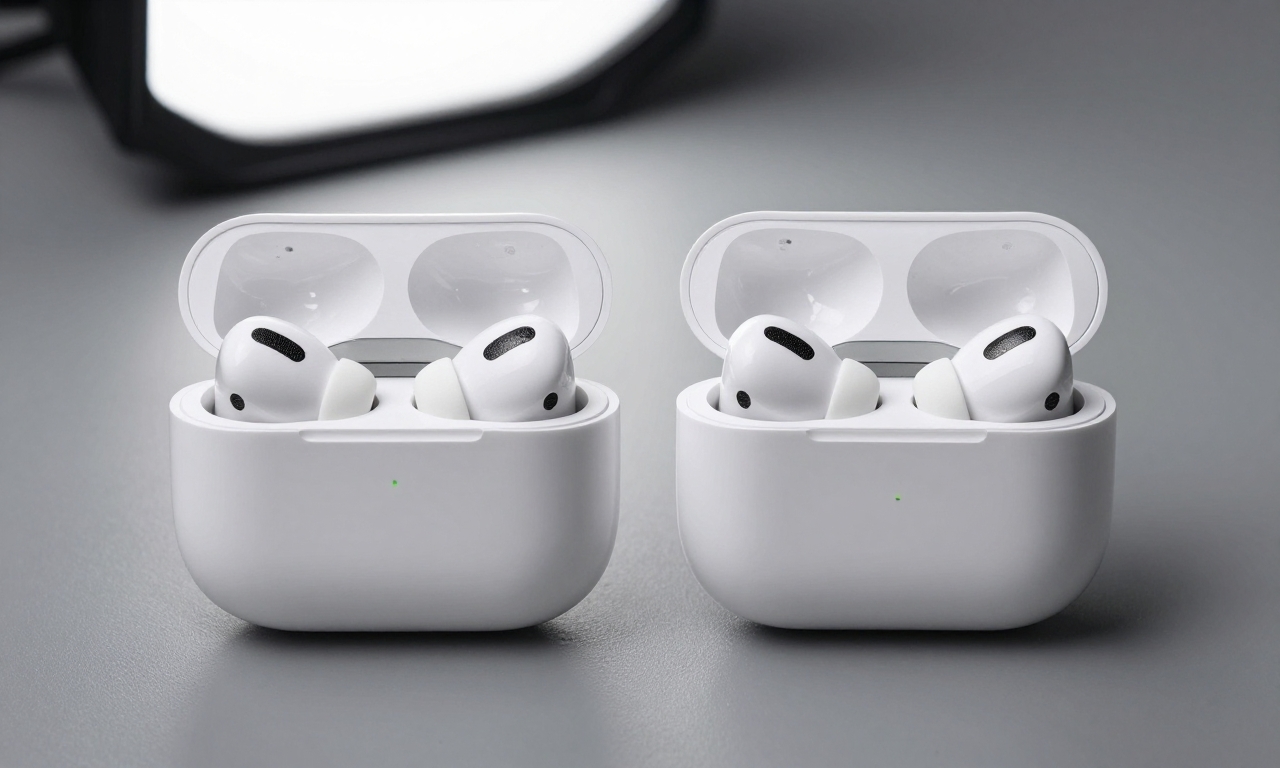
The Pro 3 is best described as an evolution rather than a reinvention. At the core Apple keeps the H2 chip and familiar feature set — conversation awareness, adaptive and personalized Spatial Audio, hearing test and hearing-aid modes — but refines the hardware where it counts. Active noise cancellation (ANC) is substantially improved: Apple says it outperforms the original generation by roughly four times and that overall cancellation is stronger than the Pro 2.
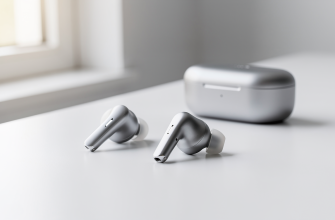
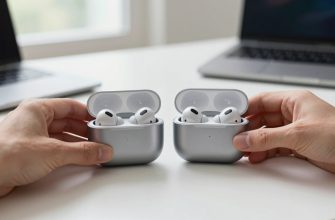
Physically, the earbuds are slightly larger and ship with a new hybrid ear tip that combines silicone and foam for a different seal and feel. The charging case is marginally bigger and now includes a newer Ultra Wideband (UWB) chip for improved location and pairing features, while ingress protection rises to IP57 from IP54. A few practical points matter: the new ear tips are not compatible with Pro 2, and users have reported an occasional clicking noise when running that did not appear on the Pro 2.
On price the Pro 3 sits at about $249 in the US and £219 in the UK, making the UK launch slightly cheaper than the previous generation in that market. In short, the changes focus on comfort, ANC and a richer sound rather than big new software tricks.
Sound, ANC, and day-to-day performance
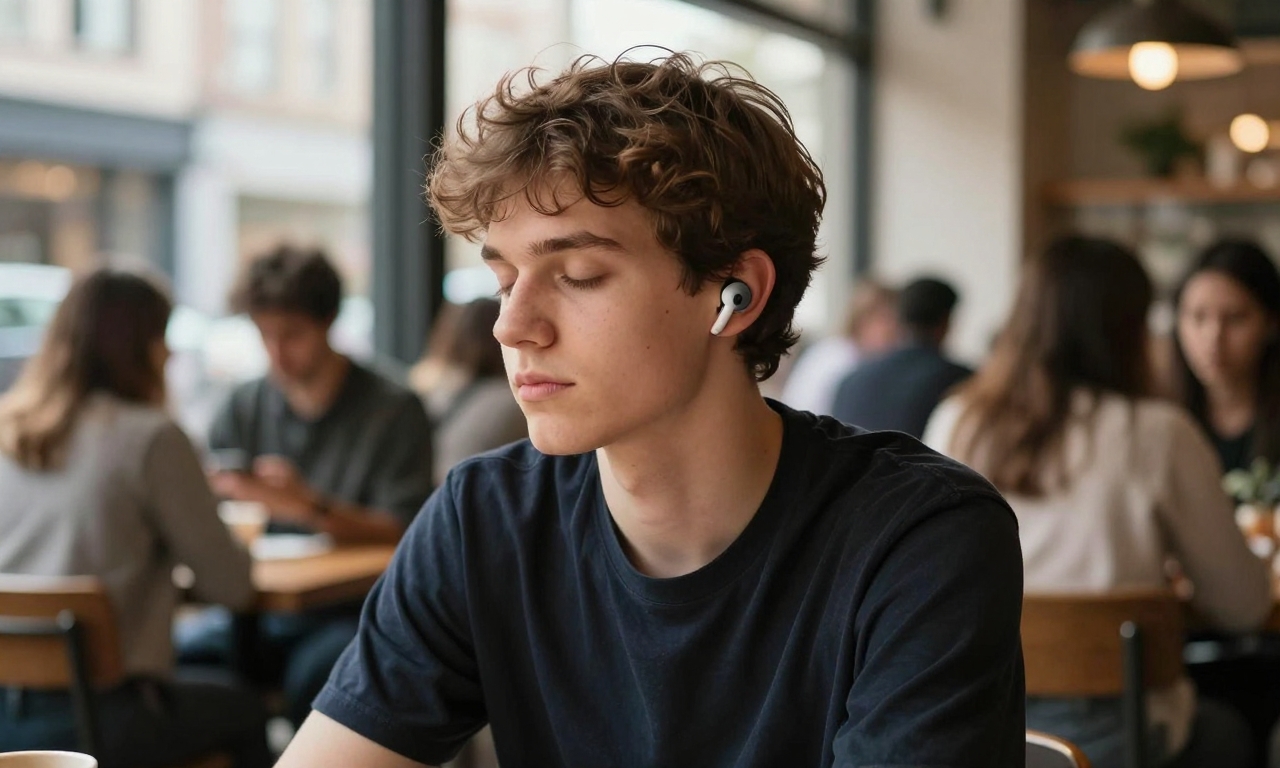
The headline is simple: the Pro 3 offers a fuller, richer sound than earlier AirPods Pro models, with improved clarity across the midrange and a tighter low end. That improvement pairs with noticeably stronger ANC: in busy environments — planes, trains, cafés — the Pro 3 cuts more background noise than the first-gen and edges ahead of the Pro 2 in our listening tests.
Spatial Audio remains a standout feature for compatible iPhones, and the Pro 3 keeps Apple’s adaptive and personalized modes that tailor the soundstage to head and ear geometry. Live translation and some advanced audio features still lean on the iPhone for processing, so the ecosystem matters: iPhone users will see the most seamless experience.
Quick comparison
| Area | AirPods Pro 3 | Notes |
|---|---|---|
| Active noise cancellation | Stronger than Pro 2; ~4× vs original | Clear ANC gains in real-world noise. |
| Sound | Fuller, richer | Better low-end control and clarity. |
| Fit & ear tips | Hybrid silicone-and-foam tips | More secure seal; tips not Pro 2 compatible. |
| Battery (earbuds) | 8 hours per charge | Good single-charge endurance. |
| Total listening (with case) | 24 hours | Down from 30 hours on Pro 2 — odd trade-off. |
| Case & connectivity | Marginally larger; newer UWB chip | Better location and pairing accuracy. |
| Water resistance | IP57 | Improved over Pro 2’s IP54. |
| Price | $249 / £219 | UK price slightly cheaper versus prior gen launch. |
Fit, comfort, and controls
One of the clearest, most tangible upgrades is the tip design. The hybrid tips give a different tactile response to the ear canal than pure silicone, and for many listeners they result in a secure, comfortable fit that stays put during movement. The larger bud body helps the seal but may change how some people perceive pressure inside the ear.
Apple keeps the same reliable in-ear control scheme: gestures and squeeze actions remain sensible and do a good job of avoiding accidental input. If you’re switching from the original AirPods Pro, expect a clear comfort and fit improvement; if you already use Pro 2, the change is meaningful but not dramatic.

Battery life, case, and connectivity
Battery life on the earbuds themselves is quoted at eight hours per charge, which is strong for long listening sessions. The puzzling change is total listening time with the case: the Pro 3 drops to 24 hours from the Pro 2’s 30 hours, even though the new case is slightly larger. That trade-off is worth noting if full-day autonomy without charging is a high priority for you.
The new case adds an updated Ultra Wideband (UWB) chip for improved spatial locating and pairing, and the overall fit-and-connection experience is fast and dependable with iPhones. If you rely on AirPods for workouts, the improved IP57 rating increases confidence for sweaty runs and rain, though some runners have reported a transient clicking sound when running that didn’t appear on the Pro 2.
Should you upgrade? Verdict and buying advice
The right answer depends on what you already own.
- If you have the original AirPods Pro: the Pro 3 is a clear upgrade — better ANC, improved fit and richer sound make it worthwhile.
- If you have AirPods Pro 2: the decision is less obvious; the Pro 3 refines ANC, sound and fit, but the gains are incremental for most users and the reduced total case runtime is a trade-off to consider.
- If you’re new to Apple’s in-ear options: the Pro 3 is positioned as the default choice for iPhone users who want the best overall balance of ANC, sound and ecosystem features.
From an audio and usability standpoint, the Pro 3 tightens the parts of the AirPods formula that matter most: noise cancellation, fit and sound quality. For most Pro 2 owners the changes are meaningful but not transformative; for users on older hardware the Pro 3 is a sensible, well-rounded upgrade.
Practical takeaways: try the hybrid tips before you buy if possible, check prices on the Pro 2 as sellers adjust stock, and weigh how much you value the improved ANC and fit against the shorter total listening time with the new case.
Bottom line: AirPods Pro 3 make Apple’s best in-ear product better in the areas that matter to daily listeners, but the evolution is careful and selective — worth upgrading from older models, optional for Pro 2 owners.