Follow us on Facebook
Breaking updates in your feed — tap to open
For years, I was a dedicated user of closed-back headphones. Like many audio enthusiasts, I valued their noise isolation, privacy, and practicality in shared spaces. But a recent journey into the world of open-back headphones completely changed my perspective on what headphone audio can achieve. While closed-back models have their place, open-back headphones offer a listening experience that’s closer to high-quality speakers, with natural sound reproduction that’s hard to match.
In this comprehensive guide, we’ll explore why open-back headphones represent the pinnacle of audio quality for private listening environments. We’ll compare their advantages against closed-back models, discuss practical considerations, and recommend some excellent options for different budgets and preferences.
- The Fundamental Difference: Open vs. Closed Design
- How Open Design Affects Sound Quality
- The Soundstage Advantage: Why Open-Back Headphones Sound More Natural
- Comparing the Listening Experience
- Comfort and Breathability Benefits
- Practical Considerations and Limitations
- When Open-Back Headphones Aren’t Ideal
- Creating the Right Listening Environment
- Top Open-Back Headphone Recommendations
- Sennheiser HD 560S: The Neutral Reference Standard
- HiFiMan HE400SE: Affordable Planar Magnetic Excellence
- What About Wireless Options?
- Making the Right Choice for Your Needs
- Conclusion: Embracing the Open-Back Experience
The Fundamental Difference: Open vs. Closed Design
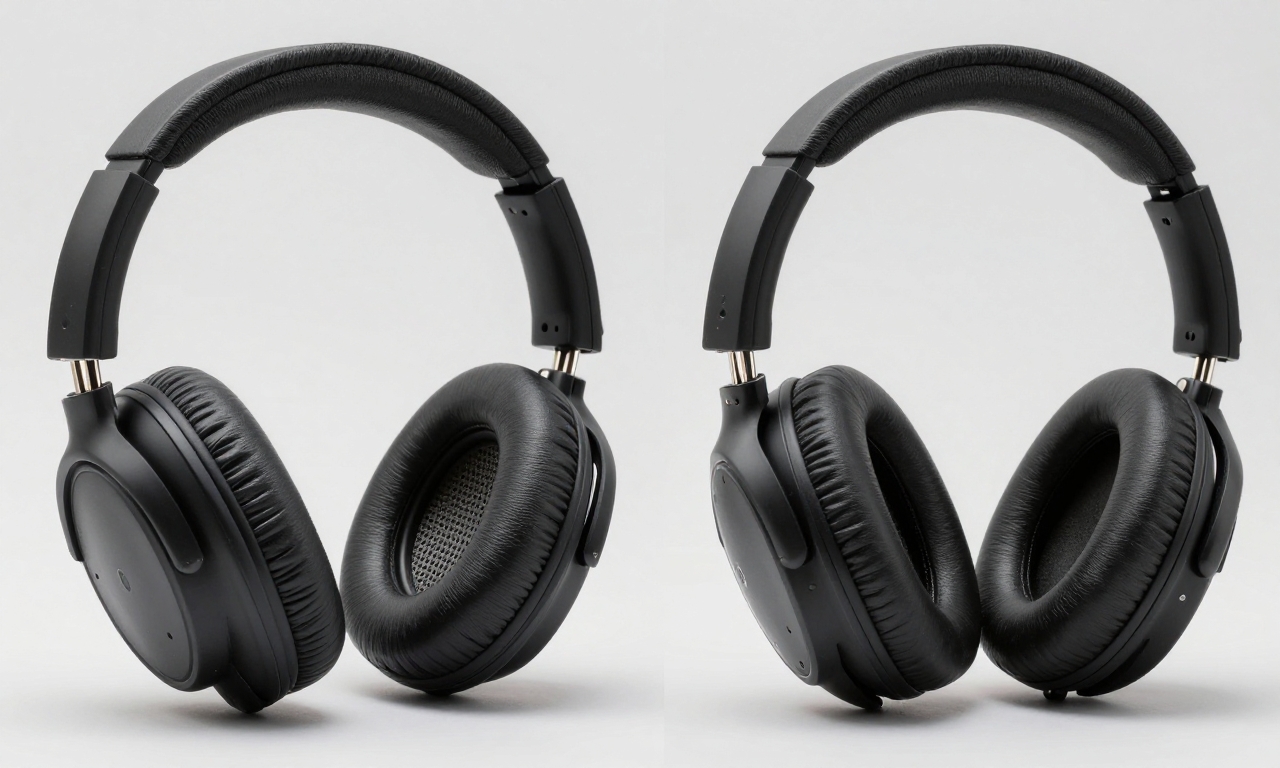
At their core, open-back and closed-back headphones differ in one crucial aspect: their enclosure design. Closed-back headphones feature sealed ear cups that prevent sound from escaping and external noise from entering. This design creates an isolated listening environment that’s perfect for public spaces, offices, or any situation where you need privacy or noise blocking.
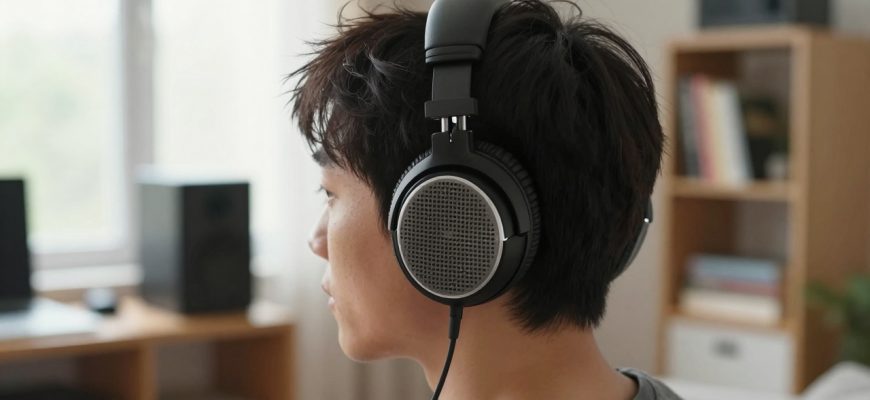
Open-back headphones, in contrast, have perforated ear cups or grilles that allow air and sound to pass through. This design might seem counterintuitive at first-why would you want sound to leak out? The answer lies in the physics of sound reproduction and how our ears perceive audio quality.
How Open Design Affects Sound Quality
The open design fundamentally changes how sound waves interact within the headphone enclosure. Without a sealed chamber, sound waves don’t bounce around and create resonance or standing waves that can color the audio. This results in several key advantages:
- Reduced resonance: Sound waves escape rather than reflecting inside the ear cup
- Natural bass response: Bass frequencies aren’t artificially enhanced by enclosure resonance
- Better driver performance: Drivers can move more freely without back pressure
- Improved transient response: Quick sound changes are reproduced more accurately
The Soundstage Advantage: Why Open-Back Headphones Sound More Natural
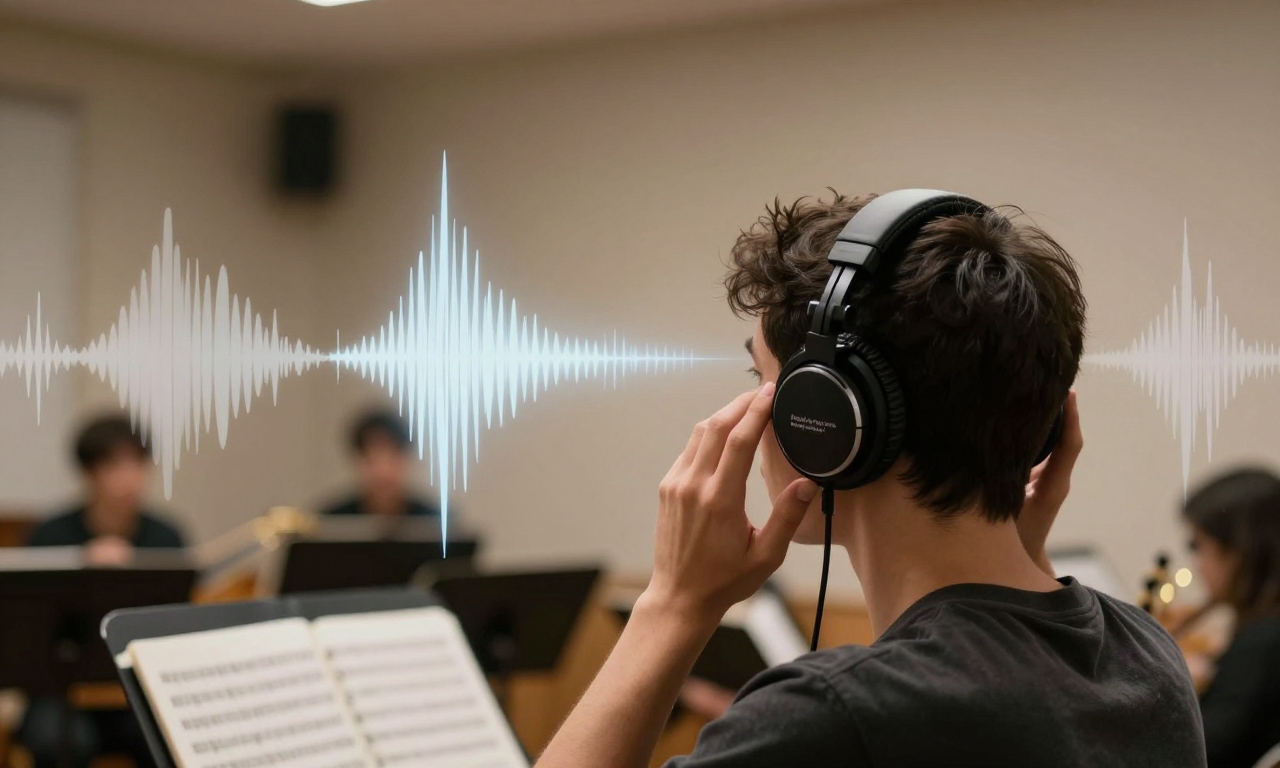
The most significant benefit of open-back headphones is their superior soundstage-the perceived spatial location of sounds. While closed-back headphones often create a “in-your-head” listening experience, open-back models produce sound that seems to come from outside your head, much like speakers in a room.
This spatial clarity transforms how you experience music, movies, and games. Instruments have distinct placement, vocals feel more natural, and the overall presentation becomes more immersive. It’s the difference between listening to a recording and feeling like you’re in the room with the performers.
Comparing the Listening Experience
To understand the difference, consider these contrasting experiences:
| Open-Back Headphones | Closed-Back Headphones |
|---|---|
| Sound appears to come from around you | Sound feels “injected” into your ears |
| Natural instrument separation | Blended or congested sound in complex passages |
| Wider, more spacious imaging | Narrower, more confined sound field |
| More accurate depth perception | Flatter, two-dimensional presentation |
This superior soundstage isn’t just about enjoyment-it’s also crucial for audio professionals who need accurate spatial information for mixing, mastering, or sound design work.
Comfort and Breathability Benefits
Beyond sound quality, open-back headphones offer significant comfort advantages. The perforated design allows air to circulate, preventing heat and moisture buildup during extended listening sessions. This makes them particularly comfortable for:
- Long listening sessions: No sweaty ear cups after hours of use
- Warm environments: Better temperature regulation in heated rooms
- People with sensitive ears: Reduced pressure on the ear canal
- Glasses wearers: Less pressure on temple areas
Practical Considerations and Limitations
While open-back headphones excel in audio quality, they’re not suitable for every situation. Understanding their limitations is crucial for making an informed decision about whether they’re right for your needs.
When Open-Back Headphones Aren’t Ideal
Open-back headphones have several practical limitations that might make closed-back models a better choice in certain situations:
- Noise isolation: They offer little to no noise blocking, making them unsuitable for noisy environments
- Sound leakage: Others can hear what you’re listening to, which isn’t ideal for shared spaces
- Wireless options: Most open-back models are wired, limiting mobility
- Bass quantity: They typically have less emphasized bass than closed-back models
Important note: If you need headphones for commuting, office use, or any situation where you need privacy or noise isolation, closed-back headphones remain the better choice. Open-back models are specifically designed for private, quiet listening environments.
Creating the Right Listening Environment
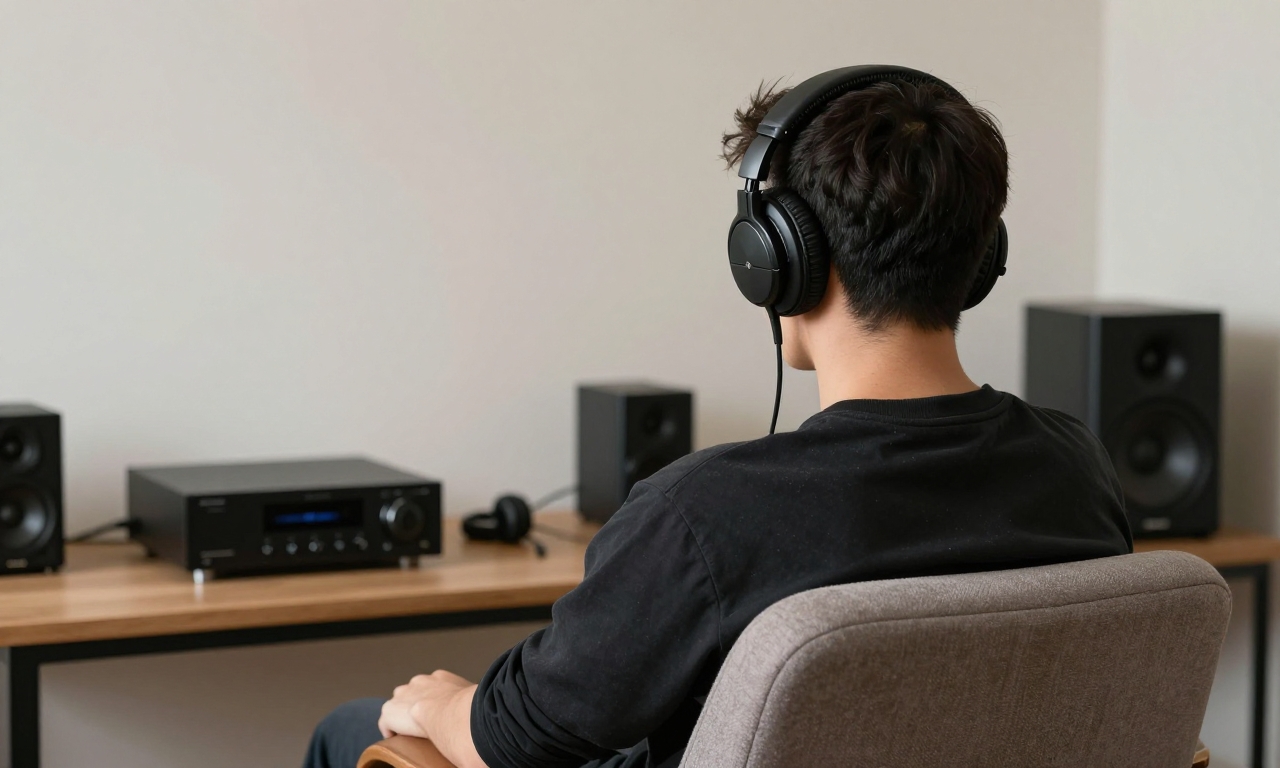
To get the most from open-back headphones, consider these environmental factors:
“Open-back headphones transform your listening space into part of the audio experience. They work best in quiet, controlled environments where you can appreciate their spatial qualities without distractions.”
Ideal conditions include:
- A quiet room with minimal background noise
- Private space where sound leakage won’t disturb others
- Comfortable seating for extended listening sessions
- Quality audio source (DAC/amp or high-quality audio player)
Top Open-Back Headphone Recommendations
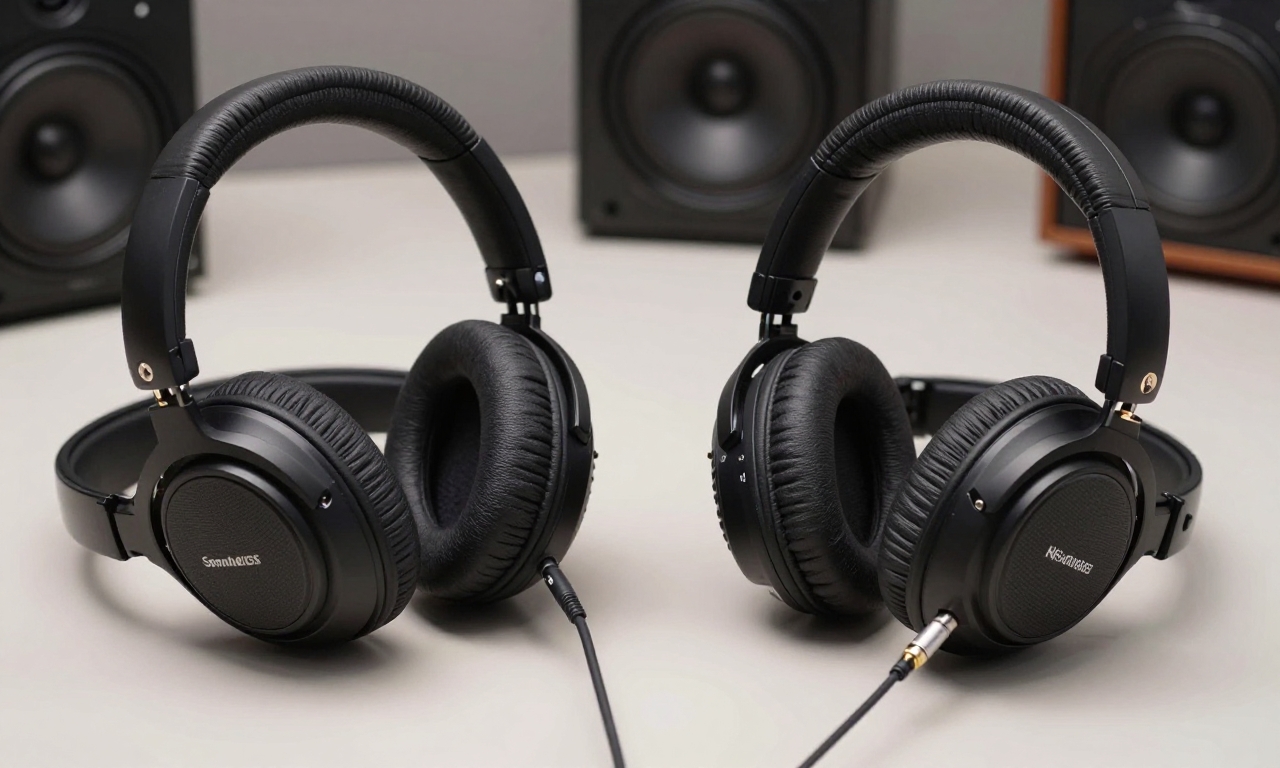
Based on extensive testing and personal experience, here are my top recommendations for open-back headphones across different price points and use cases.
Sennheiser HD 560S: The Neutral Reference Standard
The Sennheiser HD 560S represents what I consider the gold standard for neutral, accurate open-back headphones in the mid-range price category. These headphones offer:
- Exceptional neutrality: Flat frequency response ideal for critical listening
- Wide soundstage: Excellent instrument separation and spatial imaging
- Comfortable fit: Lightweight design with velour ear pads
- Easy to drive: Works well with most devices without needing an amplifier
For anyone seeking a reference-quality listening experience without breaking the bank, the HD 560S is an outstanding choice. They’re particularly good for audio professionals, critical listeners, and anyone who values accuracy over enhanced bass or treble.
HiFiMan HE400SE: Affordable Planar Magnetic Excellence
For those interested in planar magnetic technology at an accessible price point, the HiFiMan HE400SE offers remarkable performance. Key features include:
- Planar magnetic drivers: Fast, detailed sound with excellent transient response
- Fun, engaging sound: Slightly warmer tuning than the neutral HD 560S
- Great value: Premium technology at a budget-friendly price
- Comfortable design: Lightweight with good weight distribution
The HE400SE provides a more “fun” listening experience compared to the clinical accuracy of the HD 560S, making them excellent for music enjoyment rather than critical analysis.
What About Wireless Options?
Currently, the open-back wireless headphone market is limited due to the design challenges of combining open acoustics with wireless technology and battery life. Most quality open-back headphones remain wired, which actually benefits audio quality by eliminating compression and potential wireless interference.
If wireless capability is essential, consider these alternatives:
- Use a Bluetooth receiver/DAC with your wired open-back headphones
- Consider semi-open designs that offer some wireless functionality
- Use open-back headphones at your desk with a wired connection and wireless headphones for mobile use
Making the Right Choice for Your Needs
Choosing between open-back and closed-back headphones ultimately depends on your listening environment, priorities, and budget. Here’s a simple decision guide:
Choose open-back headphones if:
- You listen primarily in a quiet, private environment
- Audio quality is your top priority
- You value natural sound reproduction over noise isolation
- You don’t need wireless functionality
- You want the most accurate soundstage and imaging
Choose closed-back headphones if:
- You need noise isolation for commuting or office use
- Privacy is important (you don’t want sound leakage)
- Wireless functionality is essential
- You listen in noisy environments
- Enhanced bass response is a priority
Conclusion: Embracing the Open-Back Experience
My transition from closed-back to open-back headphones has been a revelation. While I still use closed-back models for travel and shared spaces, open-back headphones have become my go-to choice for serious listening at home. The natural soundstage, accurate reproduction, and comfortable design create an experience that’s closer to high-quality speakers than traditional headphones.
If you have a quiet space where you can appreciate their qualities without disturbing others, I highly recommend trying open-back headphones. Start with an affordable option like the HiFiMan HE400SE or Sennheiser HD 560S, and experience the difference for yourself. Once you hear music presented with the spatial clarity and natural tonality that open-back designs provide, you may find it difficult to go back to closed-back models for your private listening sessions.
Remember that the best headphones are the ones that suit your specific needs and listening environment. For those who can accommodate their requirements, open-back headphones offer an audio experience that represents the pinnacle of what headphone technology can achieve.