Follow us on Facebook
Breaking updates in your feed — tap to open
Logitech’s G Pro Superlight 2C arrives with a premium $160 price tag and promises of cutting-edge gaming performance, but our testing reveals a product struggling with fundamental execution issues. While the hardware specifications look impressive on paper, real-world usage exposes frustrating software glitches, questionable implementation of marquee features, and build quality concerns that make it difficult to recommend at this price point.
For competitive gamers and enthusiasts investing in high-end peripherals, reliability and seamless performance are non-negotiable. Unfortunately, the Superlight 2C frequently stumbles where it matters most, creating a user experience that feels unfinished despite the premium cost. Let’s dive into the specific issues that make this mouse a problematic purchase.
- G Hub Software: The Achilles’ Heel
- On-Board Memory Limitations
- 8K Polling Rate: Impressive on Paper, Problematic in Practice
- Game Engine Compatibility Issues
- Battery Life Consequences
- Build Quality Concerns: Creaks and Compromises
- Weight vs. Durability Balance
- Hardware Strengths Overshadowed by Execution Flaws
- The Value Proposition Problem
- Conclusion: Better Alternatives Exist
G Hub Software: The Achilles’ Heel
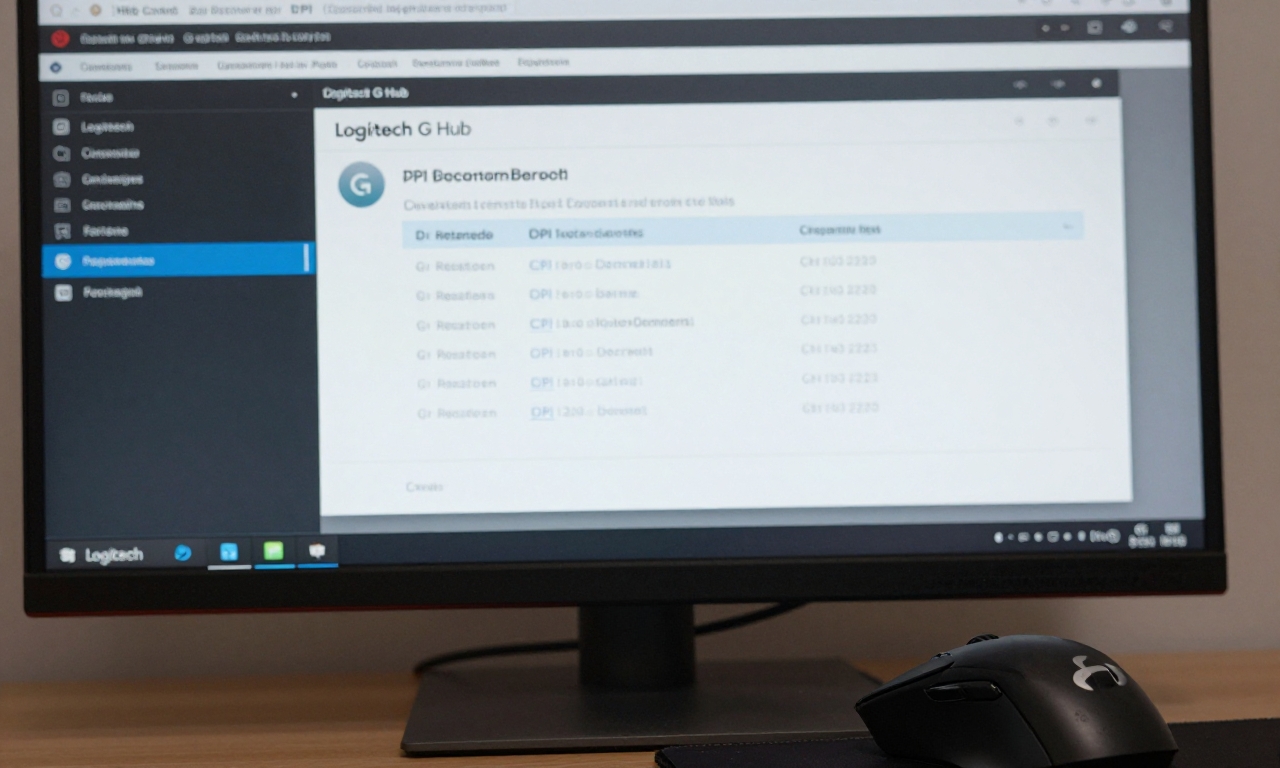
Logitech’s G Hub software has long been a point of contention among users, and with the Superlight 2C, these frustrations reach new heights. The most glaring issue involves the mouse’s inability to maintain custom settings when powering on or waking from sleep mode. Each time you start your gaming session, you’re greeted with several seconds of default DPI settings before your personalized configuration loads-an unacceptable interruption for competitive gaming where every moment counts.
The problem extends beyond mere inconvenience. During this loading period, intrusive notifications from G Hub can disrupt your focus, creating a disjointed experience that contradicts the mouse’s “pro” designation. This fundamental failure in software reliability undermines the entire premise of a premium gaming peripheral designed for serious competitors.
On-Board Memory Limitations
For users hoping to bypass G Hub’s issues through on-board memory mode, the solution proves equally frustrating. While this mode allows you to save settings directly to the mouse, it comes with significant trade-offs:
- No Software Adjustments: Once enabled, you cannot make further adjustments through G Hub without disabling the mode entirely
- Cumbersome Syncing: The process requires navigating through buried menus that aren’t intuitive for most users
- Limited Profiles: You’re restricted to a single saved configuration, limiting flexibility for different gaming scenarios
This implementation feels like a workaround rather than a properly integrated feature, forcing users to choose between software instability and limited functionality.
8K Polling Rate: Impressive on Paper, Problematic in Practice
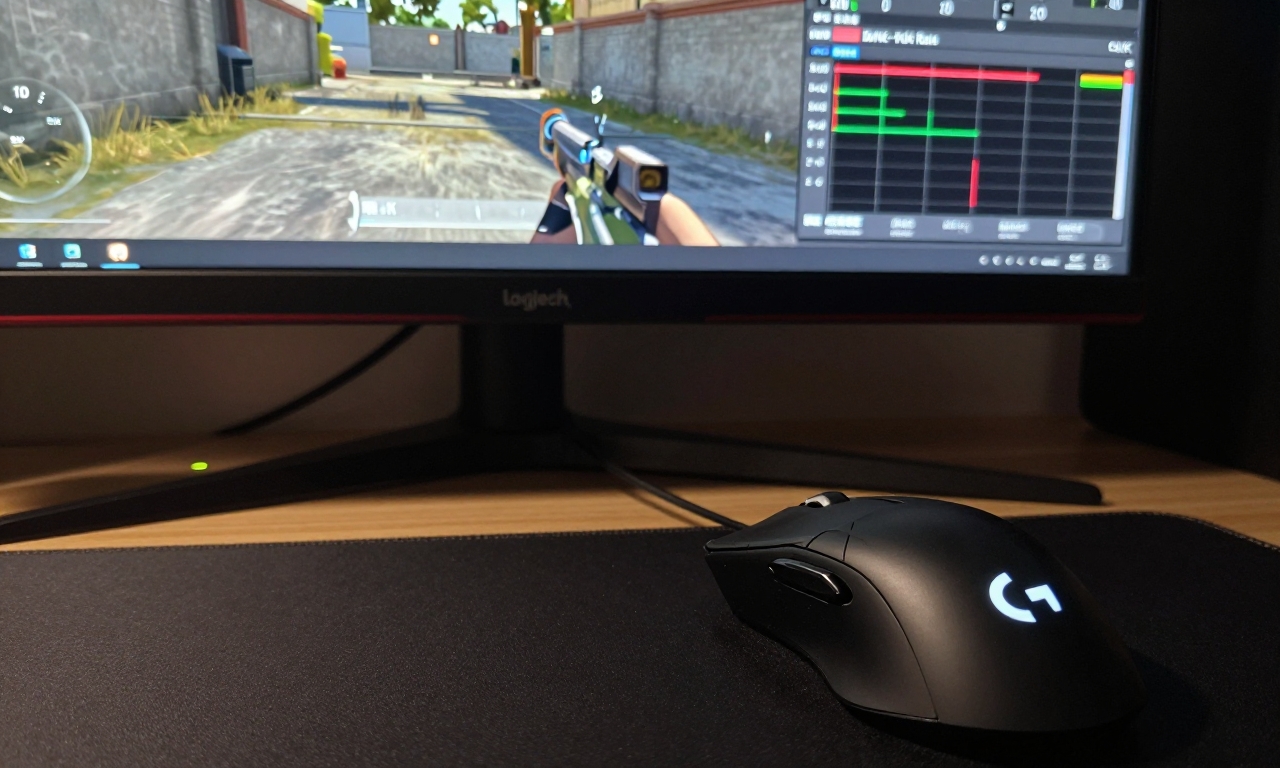
The Superlight 2C’s headline feature is its 8K polling rate capability, promising unprecedented responsiveness with 8000 reports per second. While this sounds revolutionary in theory, our testing reveals significant practical limitations that make it more of a marketing bullet point than a genuinely useful feature for most gamers.
Game Engine Compatibility Issues
The primary problem lies in poor implementation across popular game engines, particularly Unreal Engine titles that dominate the competitive gaming landscape. Instead of delivering smoother performance, the 8K polling rate often causes:
- Camera Slowdowns: Noticeable stuttering in first-person shooter games during rapid movements
- Frame Time Inconsistency: Irregular performance that can disrupt aiming precision
- Engine-Specific Problems: Some titles simply don’t handle the high polling rate properly, creating unpredictable behavior
These issues transform what should be a competitive advantage into a potential liability during crucial gaming moments.
Battery Life Consequences
The performance trade-offs become even harder to justify when considering the dramatic impact on battery life. Enabling 8K polling reduces the mouse’s operational time by approximately 80%, transforming it from a long-lasting wireless peripheral into a device requiring frequent recharging.
For gamers who value wireless freedom and extended play sessions, this sacrifice may not be worthwhile-especially when the performance benefits are inconsistent at best and detrimental at worst.
Build Quality Concerns: Creaks and Compromises
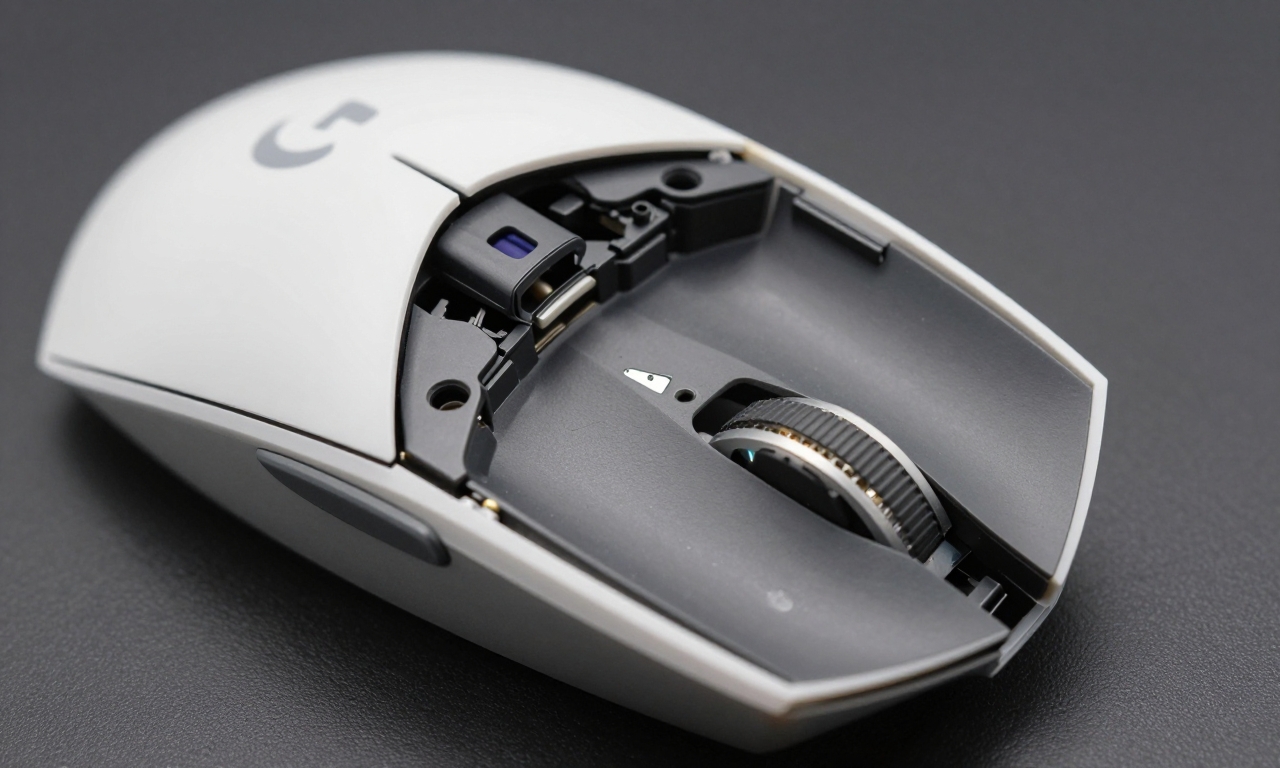
Logitech’s pursuit of extreme lightweight design in the Superlight 2C appears to have come at the cost of structural integrity. After just one week of normal gaming use, our review unit developed noticeable creaking and squeaking sounds from the bottom plate-issues that shouldn’t appear in any premium peripheral, let alone one commanding a $160 price.
These build quality problems suggest potential manufacturing inconsistencies or design flaws that raise questions about long-term durability. For competitive gamers who rely on equipment to withstand intense, prolonged use, such early signs of wear are particularly concerning.
Weight vs. Durability Balance
The gaming peripheral market has increasingly prioritized lightweight designs, but the Superlight 2C’s implementation raises important questions about this trend:
| Design Element | Benefit | Compromise |
|---|---|---|
| Ultra-light construction | Reduced fatigue during extended sessions | Potential structural weakness |
| Minimalist shell design | Clean aesthetic appeal | Less material for durability |
| Honeycomb patterns (absent here) | Weight reduction without major compromises | Different aesthetic that some dislike |
While weight reduction can enhance performance for some users, it shouldn’t come at the expense of basic build quality-especially when competitors manage to deliver both lightweight designs and solid construction at similar or lower price points.
Hardware Strengths Overshadowed by Execution Flaws
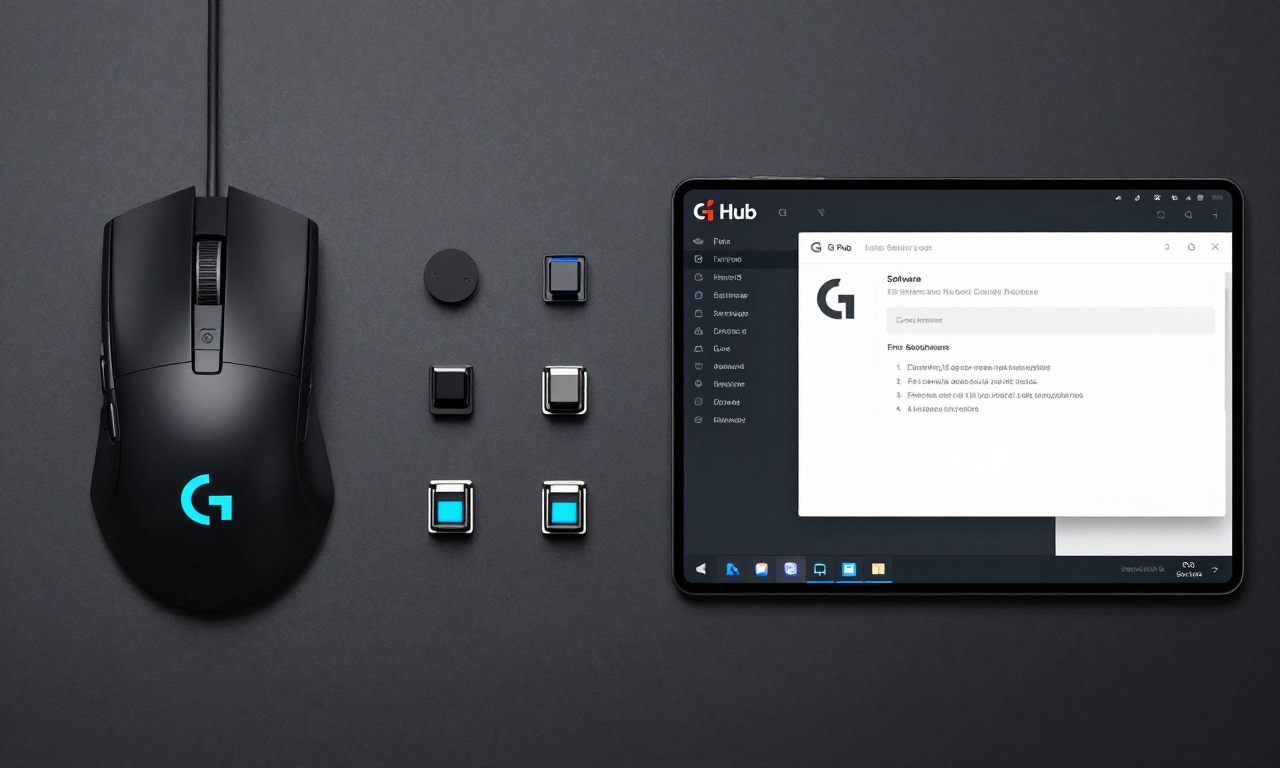
It’s important to acknowledge that the Superlight 2C isn’t without merit. The hardware foundation includes genuinely impressive components that, in isolation, justify consideration:
- Hero Sensor 2: Delivers excellent tracking accuracy and precision that competitive gamers demand
- Hybrid Optical/Mechanical Switches: Offer satisfying click feedback with reduced latency compared to purely mechanical options
- Wireless Performance: When working properly, provides reliable connectivity without noticeable latency
However, these strengths are consistently undermined by the software and implementation issues discussed throughout this review. The disconnect between capable hardware and problematic execution creates a frustrating user experience where potential goes unrealized.
The Value Proposition Problem
At $160, the Superlight 2C enters a competitive segment where alternatives offer more consistent performance and better value. The combination of software instability, impractical premium features, and build quality concerns makes it difficult to recommend over competitors that deliver more polished experiences at similar or lower price points.
“Premium pricing should guarantee premium execution, but the Superlight 2C feels like a product rushed to market without proper refinement. The hardware shows promise, but the software and implementation issues create too many compromises for serious gamers.”
Conclusion: Better Alternatives Exist
The Logitech G Pro Superlight 2C represents a cautionary tale about prioritizing specifications over user experience. While its feature list looks impressive, the implementation falls short in critical areas that matter most to gamers. The persistent software issues, questionable value of 8K polling in real-world scenarios, and early build quality concerns combine to create a product that’s difficult to recommend at its premium price point.
For gamers seeking high-performance wireless mice, numerous alternatives offer more consistent experiences without the Superlight 2C’s frustrations. Until Logitech addresses these fundamental issues through software updates and manufacturing improvements, most users will find better value elsewhere in the competitive gaming peripheral market.
Our recommendation: Consider waiting for potential revisions or exploring established alternatives that have proven their reliability through consistent performance and polished software integration. The $160 investment deserves a product that delivers on its promises without the compromises we’ve experienced with the Superlight 2C.