Follow us on Facebook
Breaking updates in your feed — tap to open
USB-C as the Universal Connector
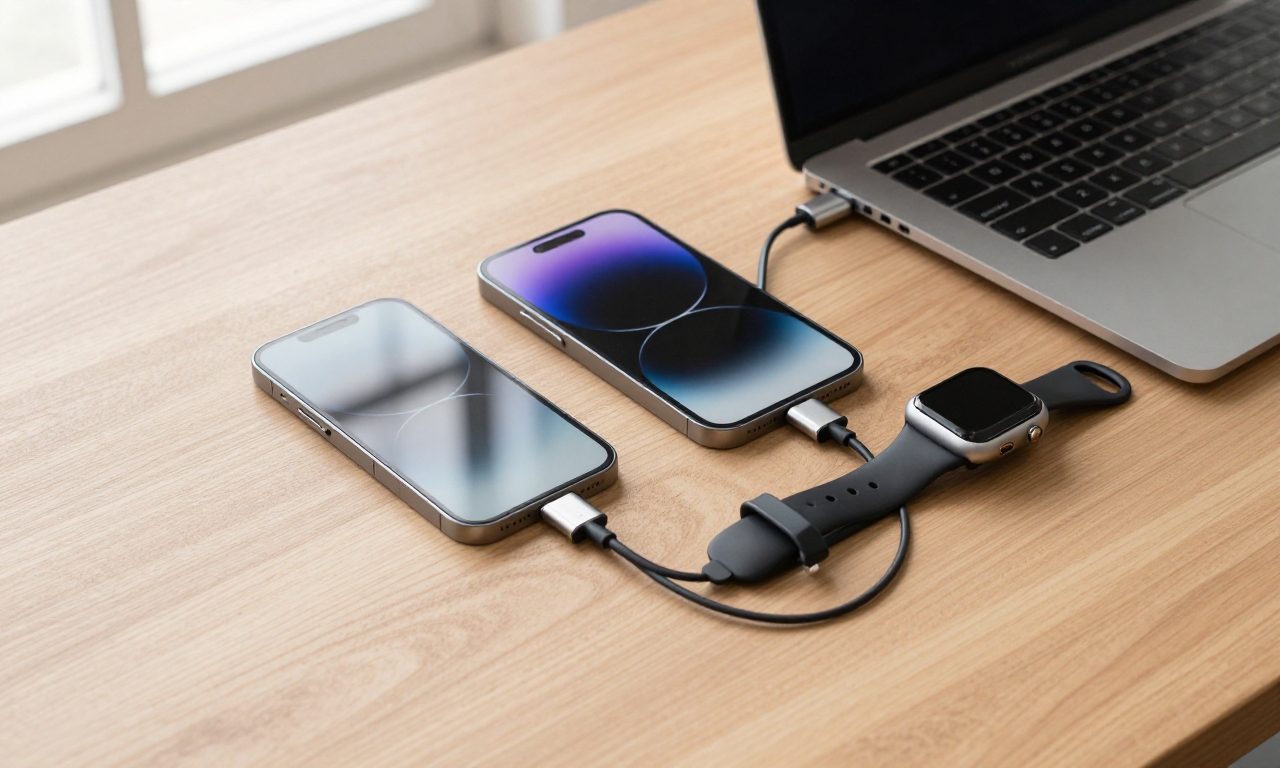
USB-C as the universal connector has finally become a silent revolution in the technology world. What started as a worthy competitor to laptops and Android smartphones has since swept over all areas of our digital existence, including flagship smartphones and tablets, wearables, and audio devices, and into the smart home. This move will be an important move towards real interoperability and this would help in trimming down the mess of proprietary cables that has been an order of the day to the consumers. But behind this veneer of standardisation, however, is a subterranean layer of norms, functionality and compatibility subtlety which any tech user is now forced to negotiate. This is an important part of the new ecosystem that will help you optimize your device performance, and provide safe charging, and even invest more in the modern technology.
Managing the USB-C Compatibility Maze
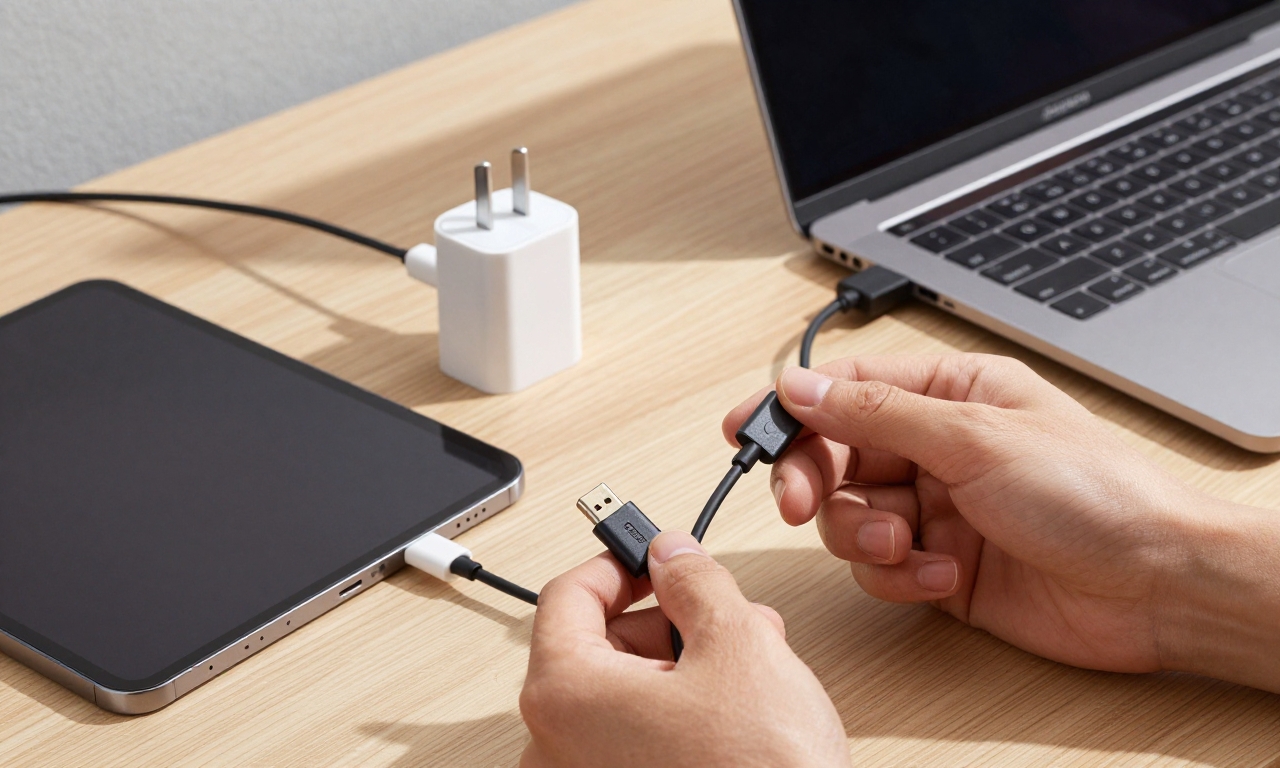
Although the physical USB-C port looks the same among different devices, the features enabled by the said port differ radically. A cable that will give your Samsung Galaxy S24 Ultra a blazing-fast data transfer could otherwise only charge your iPad Pro at a slow speed, and a charger that perfectly works with your Google Pixel 8 may not be able to operate with an OnePlus device. This is due to the fact that the USB-C interface is subject to the multiple standards, which are USB 3.2 and USB4, Thunderbolt and several Power Delivery standards. Increasingly, in an attempt to provide an example, the process of moving big video files off of a camera to a laptop needs to use different protocols than the charging of a smartphone during a stress break. The trick here is to know that USB-C is only the connector shape other than being an assurance of universal performance. Manufacturers tend to adopt various subsets of the offered standards depending on their cost and purpose of the device, which leaves the experience very fragmented and requires the attention of the users constructing their tech solution.
Fast Charging Standards
This is especially clear with fast charging where different competing standards are under the USB-C umbrella. One should expect to meet such terms as USB Power Delivery, Qualcomm Quick Charge, Samsung Super Fast Charging, and proprietary implementations behind companies such as Xiaomi and Motorola. Although USB Power Delivery is becoming the standard open standard, most manufacturers have continued to optimize their devices to their own protocols. It is necessary to explain that a generic USB-C charger with your device may not be able to unlock the full charging capacity of your device, and this may interfere with your daily practice of optimizing your battery life. As travelers and students, it will be necessary to learn what type of charger works best with what device when they constantly need a top up between classes or meetings. The positive aspect is that better quality cables and cords that can accommodate wider specifications are becoming cheaper, thus toying with these gaps.
Constructing Your Efficient Cable Ecosystem
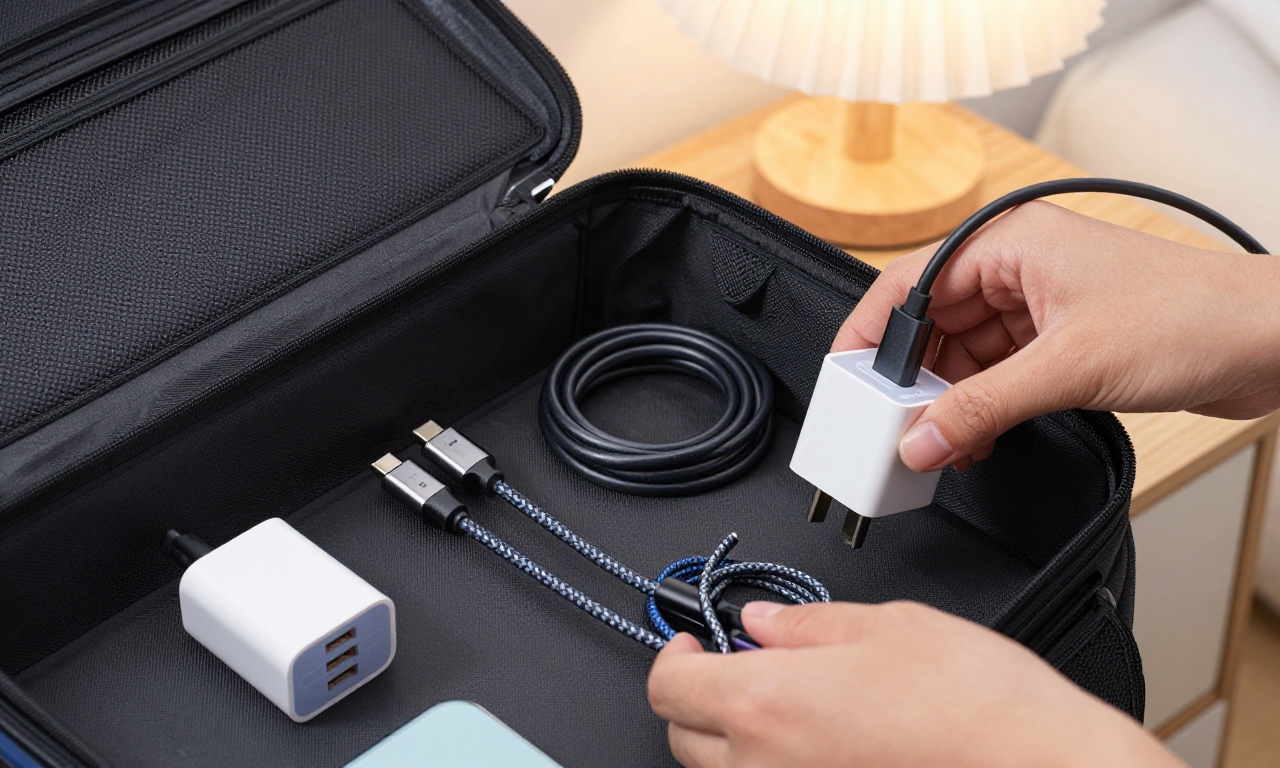
The first action in building a lean and efficient cable ecosystem is to audit what you already have and what it requires in particular. The first step is to determine the highest charging and data transfer rate of each device which are often listed in the user manual or technical specifications of the item. This could be a flagship smartphone such as an iPhone 15 Pro, a productivity tablet such as a Galaxy Tab S9, wireless earbuds such as AirPods Pro or Galaxy Buds, a smartwatch, and other accessories of the smart home to a generic user. After learning the needs of every device, you will be able to invest in a small amount of high-end and high-quality cables and chargers that support the widest possible range of standards. A high quality USB-C cable that is 100W Power Delivery certified and data 240 speeds certified can be used in many ways, including to charge your laptop but also to attach a personal storage device to your phone to proceed with your mobile photography workflow.
Choosing Cables for Daily Situations
In choosing the cables, you can think of your day-to-day situations. One long and strong braided cable may always be kept in your travel bag where you can use the power banks and chargers at the hotels, a shorter and more flexible cable may stay on the bedside table where you can charge your devices overnight. To individuals who believe in the Apple ecosystem, magSafe accessories provide wireless convenience in charging, although they have the advantage of USB-C connectivity to deliver power faster. Likewise, Android customers whose device is either Samsung, Google Pixel, OnePlus, or other products, should seek chargers that specifically implement PPS (Programmable Power Supply), a capability of current USB Power Delivery allowing newer fast charging to be more efficient and cooler. By selecting select multitasking parts and not piling up with dozens of single-purpose cables you cut down on clutter and save cash and compatibility with your equipment is better.
Data Transfer Considerations
The other vital point that is left out in the discussion of charging is data transfer. The users who have to transfer large files frequently (4K-video camera) or large project folders should have high-speed protocols in their cables. As a case in point, USB 3.2 Gen 2 or Thunderbolt is necessary to enable an external SSD to connect to a smart phone to edit a picture in a night time mode or a portrait mode. Faster data throughput will also be enjoyed by gamers who stream cloud gaming services or transfer game files. However, it is a shame to note that most cheap USB-C cables have only USB 2.0 speed which is acceptable in terms of charging but excruciatingly slow in passing data. One can avoid disappointing bottlenecks in the workflow by checking certification logos or buying well-recognized brands that in turn identify the data rates.
The Bigger Impact on Devices and Accessories
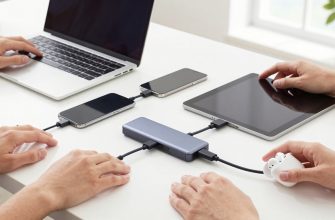
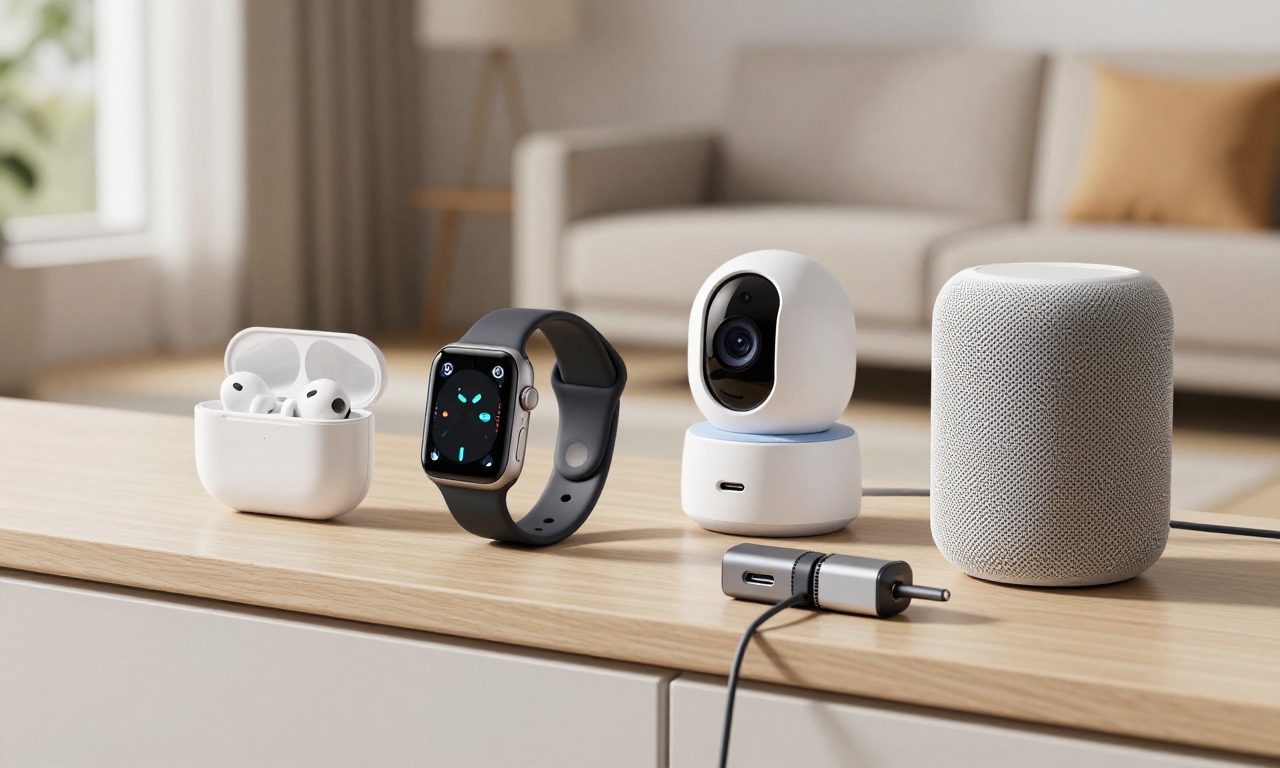
USB-C is not limited to smartphones and tablets, and many of the accessories of its design and functionality also depend on its implementation. New Bluetooth earbuds and headphones are being charged more often via USB-C than either micro-USB or proprietary. The change makes it easier to carry travel kits in one cable so that you can have noise-cancelling headphones and your phone. Wearables such as the Apple Watch and products based on the Wear OS also are moving, albeit at a slower pace because of size constraints and current accessory ecosystems. The smart home space is moving to USB-C, with one of the biggest trends defined by devices manufactured by security cameras through smart speakers with simple adapters and power banks. This convergence opens up possibilities of more integrated configurations such as one large wattage charger that has many gadgets connected on it using a powered hub.
Consumer Considerations
To the consumer, this could be both challenging and advantageous in the process of making purchases. Whenever buying new gadgets, be it a low-end phone review, or a review of a flagship smartphone, looking at the nature of the USB-C implementation must be included in your assessment. Seek information about standards of supported charging, data transfer rates, and video output support in case you intend to have an external display. Guides to accessory buying are now paying more attention to these specifications and they can assist you in selecting future-proof products. The shift to USB-C also motivates the producer of various devices to enhance other features of the device, including waterproof levels, and general durability, because the strong connector will be able to insert the device more than items with USB-C did. In the future, with an ecosystem that has reached maturity, the process of labeling should become clearer and more predictable, and the performance among the devices should be more uniform.
Future Outlook
In perspective, it can be stated that the USB-C standard is still being developed, and newer versions should deliver more power in order to provide quicker charging and higher data rates when working on performance-intensive operations. The next stage of this evolution will overlap our technology ecosystems, which might mean that one single cable can do all the work of charging your laptop, and connecting a full-screen display and an external storage device. In the meantime, it will be worthwhile to invest time to learn what your existing devices are capable of and invest in quality cables and chargers to find it convenient and reliable. The universal port is here, and it can be with a smart approach that you will be able to construct a more straightforward tech ecosystem that is even more powerful and efficient and will be ready to keep pace with the new era of mobile innovation.