Follow us on Facebook
Breaking updates in your feed — tap to open
Apple has consistently pushed the boundaries of mobile photography, but with the iPhone 17 Pro, the company appears to have crossed a significant threshold. This isn’t just another incremental camera upgrade-it’s a comprehensive reimagining of what a smartphone can achieve photographically. As someone who has tested countless devices, I can confidently say the iPhone 17 Pro represents Apple’s most ambitious camera system to date, one that genuinely challenges dedicated photography equipment.
What makes this device particularly compelling isn’t just the impressive specifications, but how Apple has integrated hardware and software to create an intuitive yet powerful photographic tool. The iPhone 17 Pro doesn’t just take good pictures; it teaches you to become a better photographer while removing technical barriers that once separated professionals from enthusiasts.
In this comprehensive review, we’ll explore every aspect of the iPhone 17 Pro’s camera capabilities, from its revolutionary hardware to the software optimizations that make it truly special. More importantly, we’ll provide practical guidance on how to configure your device for optimal results, whether you’re capturing casual snapshots or professional portfolio pieces.
- The Revolutionary 48MP Pro Fusion Camera System
- Understanding Focal Length Flexibility
- Essential Camera Settings for Professional Results
- System-Level Camera Controls
- Format and Quality Optimization
- Personalizing Your Photographic Style
- The Redesigned Front Camera and Interface Innovations
- Preserving Your Preferred Settings
- How the iPhone 17 Pro Compares to Traditional Cameras
- Final Verdict: Who Should Consider the iPhone 17 Pro?
The Revolutionary 48MP Pro Fusion Camera System
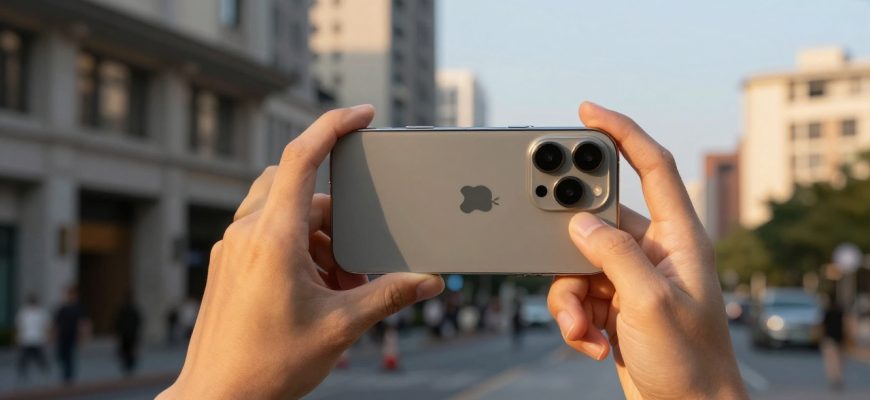
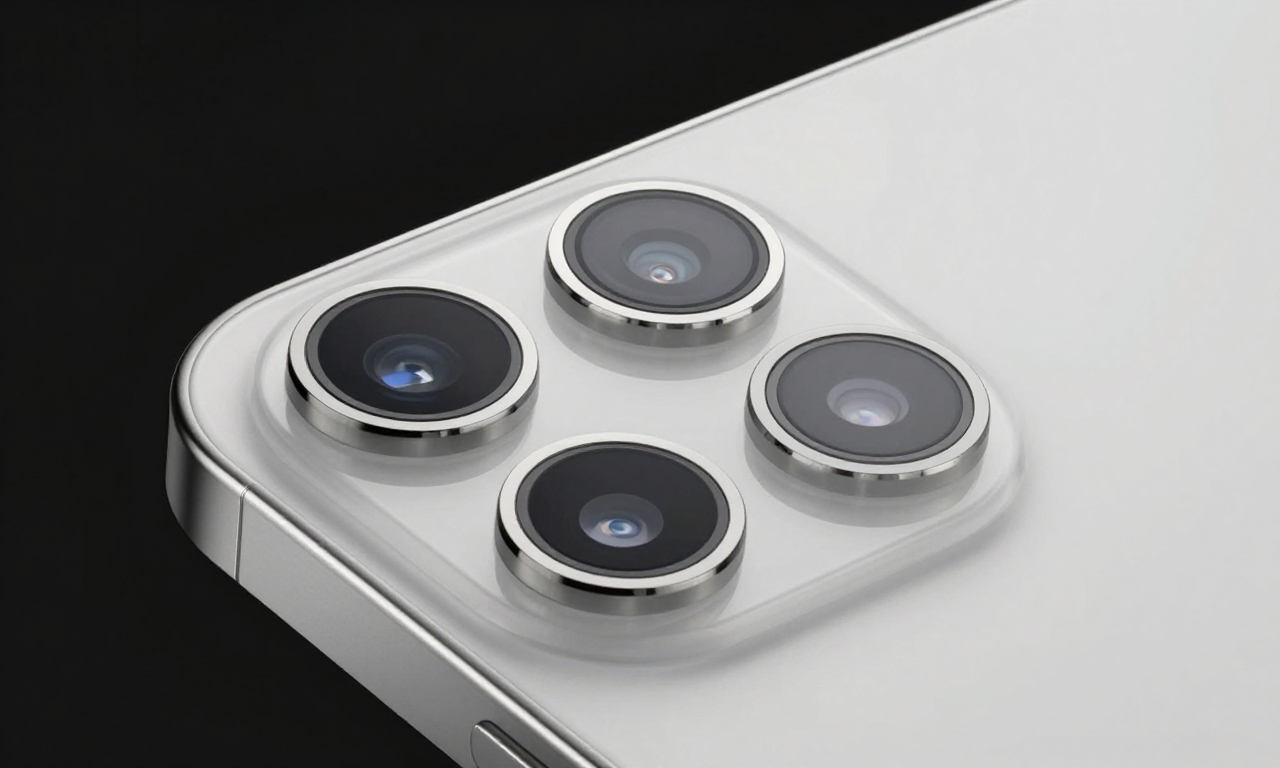
At the heart of the iPhone 17 Pro’s photographic prowess lies the 48MP Pro Fusion Camera system, a remarkable engineering achievement that combines three distinct lenses into a cohesive photographic tool. The system features a 24mm main camera with an exceptionally large sensor, a 13mm ultra-wide lens perfect for expansive landscapes and architectural photography, and a 100mm telephoto lens that brings distant subjects into sharp focus.
What truly sets this system apart is Apple’s computational photography approach. Rather than treating each lens as an independent component, the iPhone 17 Pro intelligently combines data from multiple sensors to create images with unprecedented detail, dynamic range, and color accuracy. This fusion happens in real-time, allowing photographers to capture moments with a level of sophistication previously reserved for high-end cameras.
The system’s versatility is further enhanced by its multiple focal length options. Through a combination of optical and computational methods, photographers can access 28mm, 35mm, 48mm, and even 200mm perspectives. While it’s important to note that resolution decreases when using digital crops beyond native optical ranges, the quality remains impressive thanks to Apple’s sophisticated upscaling algorithms.
Understanding Focal Length Flexibility
Apple’s approach to focal lengths deserves special attention. The 28mm and 35mm options aren’t mere digital crops-they’re intelligently processed perspectives that maintain remarkable image quality. The 48mm setting provides a natural portrait perspective, while the 200mm option, though digitally enhanced, offers surprising detail retention for distant subjects.
This flexibility means photographers can compose shots with precision without physically moving, a particularly valuable feature in challenging shooting environments. The system remembers your preferred focal lengths and can even suggest optimal perspectives based on scene analysis.
Essential Camera Settings for Professional Results
To truly unlock the iPhone 17 Pro’s photographic potential, proper configuration is essential. Apple has provided an unprecedented level of control, but navigating these options requires understanding what each setting accomplishes. Here’s how to optimize your device for professional-grade photography.
System-Level Camera Controls
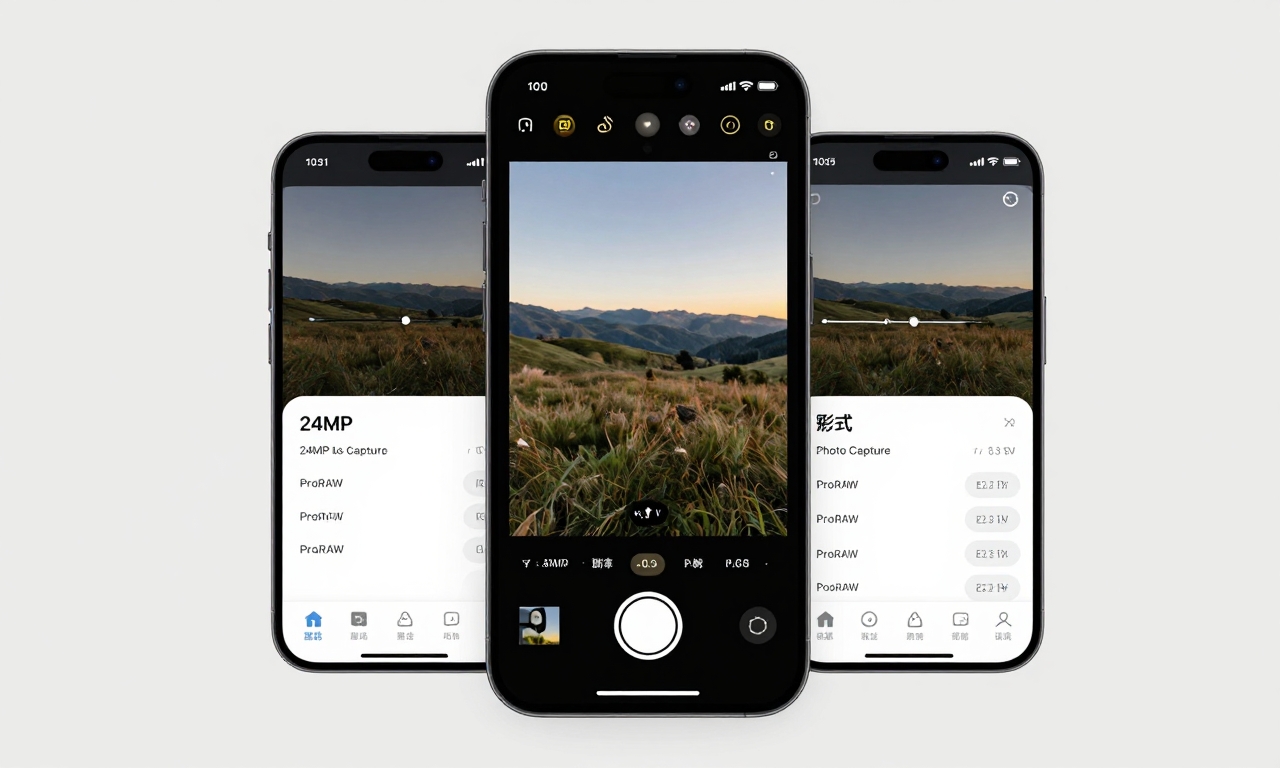
Begin by enabling Camera Control in System Settings. This feature provides quick access to essential photographic parameters directly from your lock screen and Control Center. More importantly, it allows for precise exposure adjustments through a simple swipe interface. I recommend setting exposure compensation to your preferred default-for most situations, -0.3 EV provides richer shadows and more natural highlights.
The redesigned Camera App interface deserves particular praise. Apple has streamlined controls while making advanced features more accessible. The new layout groups related functions logically, reducing the cognitive load during critical shooting moments. Professional photographers will appreciate the dedicated manual mode, which provides granular control over ISO, shutter speed, and white balance.
Format and Quality Optimization
In Formats Settings, you’ll find the most consequential choices for image quality. For everyday photography, I recommend selecting 24MP Photo Capture-this provides excellent detail while maintaining manageable file sizes. When maximum quality is essential, enable ProRAW with JPEG-XL Lossy. This combination delivers professional-grade raw files alongside optimized JPEGs, perfect for both editing and sharing.
Consider these format recommendations:
- Casual Photography: 24MP JPEG-XL provides excellent quality with efficient storage
- Professional Work: ProRAW + JPEG-XL offers maximum flexibility for editing
- Social Media: 12MP HEIF balances quality with fast upload times
Personalizing Your Photographic Style
Apple’s Photographic Styles represent one of the iPhone 17 Pro’s most innovative features. These aren’t mere filters-they’re intelligent processing profiles that adapt to different lighting conditions while maintaining your preferred aesthetic. The Bright style enhances highlights for vibrant, energetic images, while the Amber style adds warmth that’s particularly flattering for portraits and golden hour photography.
I recommend experimenting with different styles in various lighting conditions. The system learns your preferences over time, gradually refining its processing to match your photographic vision. This personalized approach represents a significant advancement in computational photography-the camera doesn’t just capture what it sees; it captures how you see.
The Redesigned Front Camera and Interface Innovations
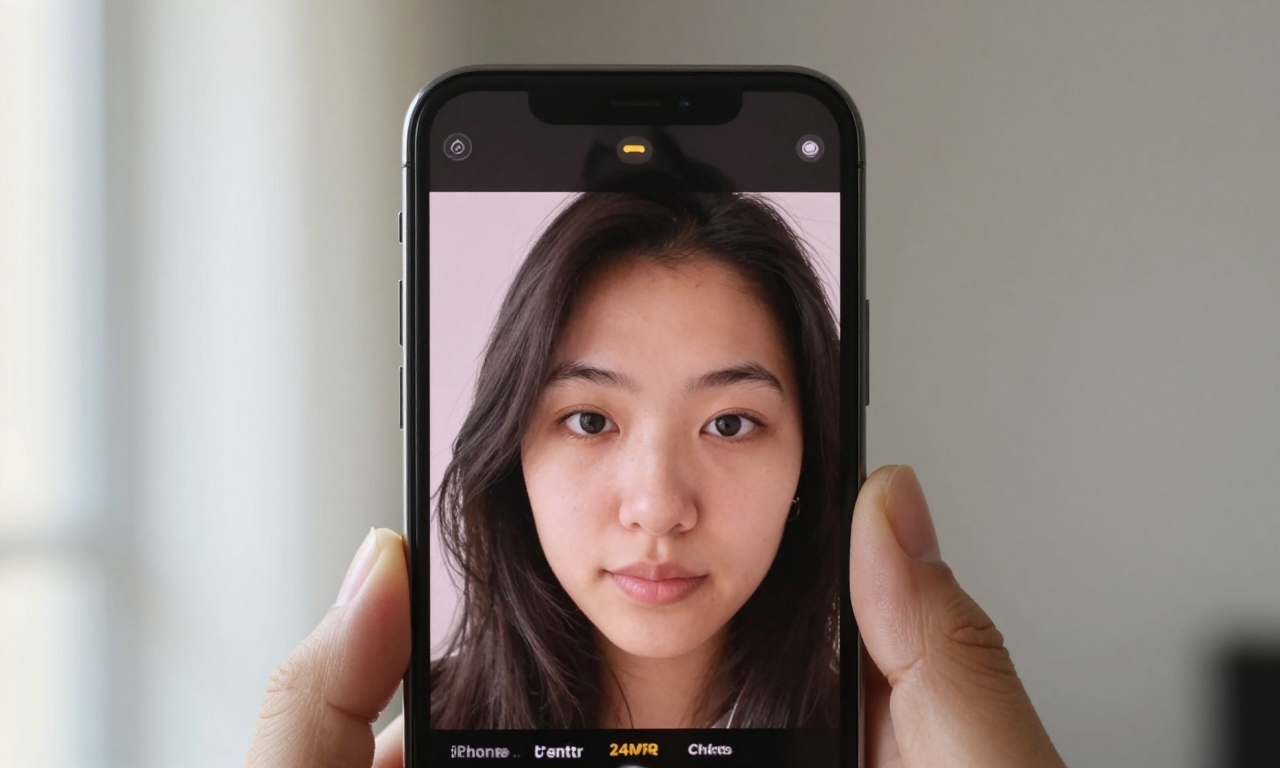
Apple hasn’t neglected the front-facing camera in the iPhone 17 Pro. The new 24MP Center Stage sensor represents a substantial upgrade, offering not just higher resolution but improved low-light performance and more accurate skin tone reproduction. The flexible orientation feature allows for creative self-portraits and improved video calls, automatically adjusting framing as subjects move.
What truly impresses about the front camera system is its integration with Apple’s computational photography pipeline. The same sophisticated processing applied to rear camera images now enhances selfies, resulting in more natural portraits with better detail preservation. The improved Night Mode for front-facing photography is particularly noteworthy, producing usable images in lighting conditions that would have rendered previous iPhones’ front cameras useless.
Preserving Your Preferred Settings
The Preserve Settings feature deserves special attention from serious photographers. This function allows you to maintain preferred configurations while permitting certain modes to reset-a perfect balance between consistency and flexibility. I recommend preserving:
- Your preferred Photographic Style
- Last used camera mode (especially useful for video creators)
- Live Photos preference
- Grid and level settings
Allowing exposure settings to reset ensures you begin each photographic session with a clean slate, preventing accidental carryover of inappropriate settings from previous shoots.
How the iPhone 17 Pro Compares to Traditional Cameras
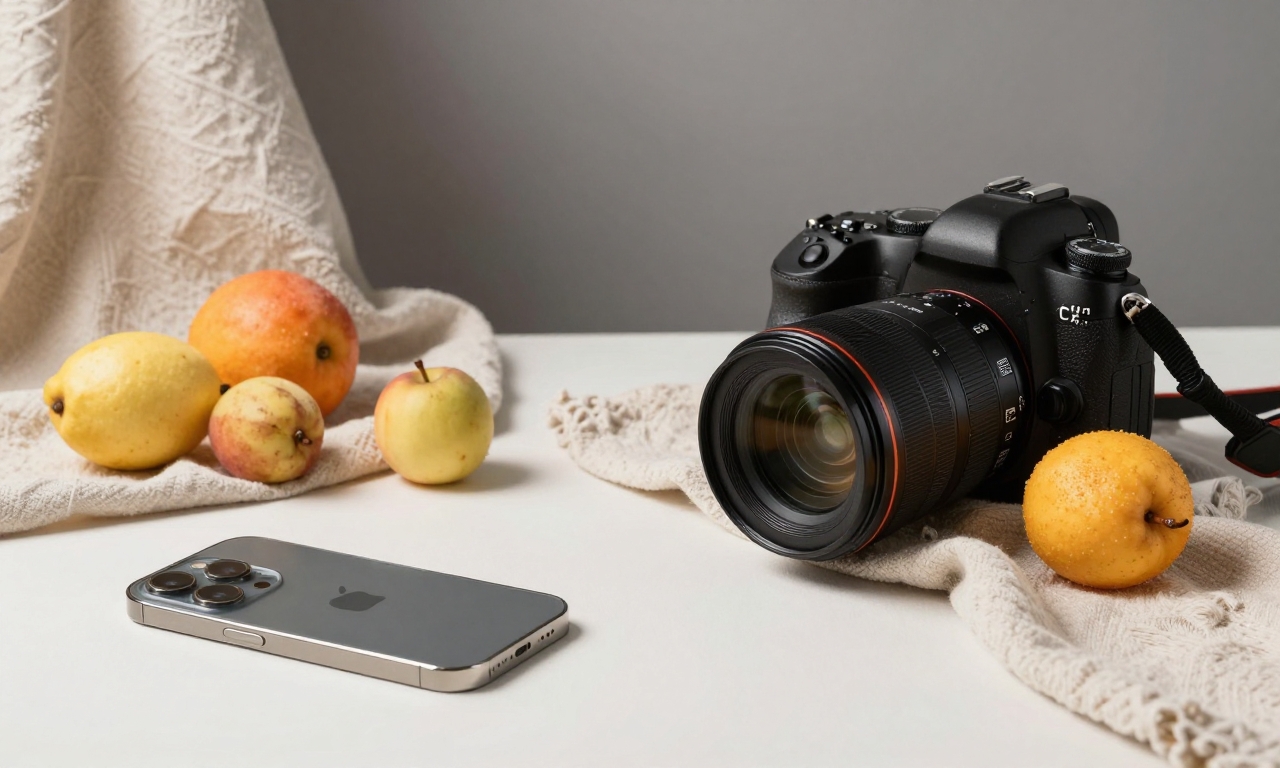
As a professional photographer who regularly uses both smartphones and dedicated cameras, I’ve been particularly interested in how the iPhone 17 Pro stacks up against traditional photography equipment. The results might surprise purists who dismiss smartphone photography as inherently inferior.
In optimal lighting conditions, the iPhone 17 Pro produces images that rival those from mid-range DSLRs and mirrorless cameras. The computational photography advantages-particularly in dynamic range and color science-often surpass what traditional cameras achieve without extensive post-processing. Where dedicated cameras still maintain an edge is in extreme low-light situations and specialized applications like sports or wildlife photography requiring very long telephoto lenses.
| Feature | iPhone 17 Pro Advantage | Traditional Camera Advantage |
|---|---|---|
| Portability | Always with you, instant sharing | Requires separate device |
| Computational Photography | Real-time HDR, Night Mode | Requires post-processing |
| Lens Flexibility | Multiple focal lengths in one device | Optical superiority with dedicated lenses |
| Low-Light Performance | Excellent up to moderate darkness | Superior in extreme conditions |
| Learning Curve | Intuitive, guided experience | Steeper technical requirements |
“The iPhone 17 Pro hasn’t made my professional camera obsolete, but it has fundamentally changed when I choose to use it. For everyday photography, travel, and situations where discretion matters, it’s become my preferred tool.” – Professional photographer’s perspective
Final Verdict: Who Should Consider the iPhone 17 Pro?
The iPhone 17 Pro represents a watershed moment in mobile photography. It’s not just the best camera phone Apple has ever produced-it’s arguably the most capable photographic tool ever integrated into a smartphone. The combination of sophisticated hardware, intelligent software, and thoughtful interface design creates an experience that’s both accessible to beginners and powerful enough for professionals.
This device is particularly compelling for:
- Enthusiast Photographers seeking professional results without technical complexity
- Content Creators needing high-quality imagery for digital platforms
- Travelers who want to travel light without sacrificing image quality
- Professionals looking for a capable backup or discreet shooting option
While no single device can satisfy every photographic need, the iPhone 17 Pro comes remarkably close. Its limitations-primarily in extreme telephoto and specialized applications-are far outweighed by its versatility, intelligence, and sheer convenience. With proper setup and understanding of its capabilities, the iPhone 17 Pro doesn’t just capture images; it helps you create photographs worthy of any portfolio.
As mobile photography continues to evolve, the iPhone 17 Pro sets a new standard for what’s possible. It demonstrates that the future of photography isn’t about bigger sensors or more megapixels alone, but about intelligent integration of hardware and software that empowers photographers rather than overwhelming them. For anyone serious about photography in 2024 and beyond, the iPhone 17 Pro isn’t just a smartphone-it’s an essential creative tool.