Follow us on Facebook
Breaking updates in your feed — tap to open
Choosing the right tablet involves balancing performance, features, and budget. Two compelling options in the current market are the Lenovo Tab P11 Pro Gen 2, known for its premium features at a mid-range price, and the Samsung Galaxy Tab S8, a flagship device designed for power users. This comprehensive comparison, based on extensive testing of everyday tasks, productivity, media consumption, and gaming, will guide you to the ideal choice for your specific needs.
- Display and Design: Visual Experience and Build Quality
- Performance and Hardware: Power for Everyday Tasks and Demanding Work
- Processing Power and Multitasking
- Storage and Expandability
- Software, Updates, and the S Pen Advantage
- Battery Life, Audio, and Real-World Use
- Endurance and Charging
- Audio and Connectivity
- Value Proposition: Budget-Friendly vs. Long-Term Investment
- Final Verdict: Which Tablet Should You Buy?
Display and Design: Visual Experience and Build Quality
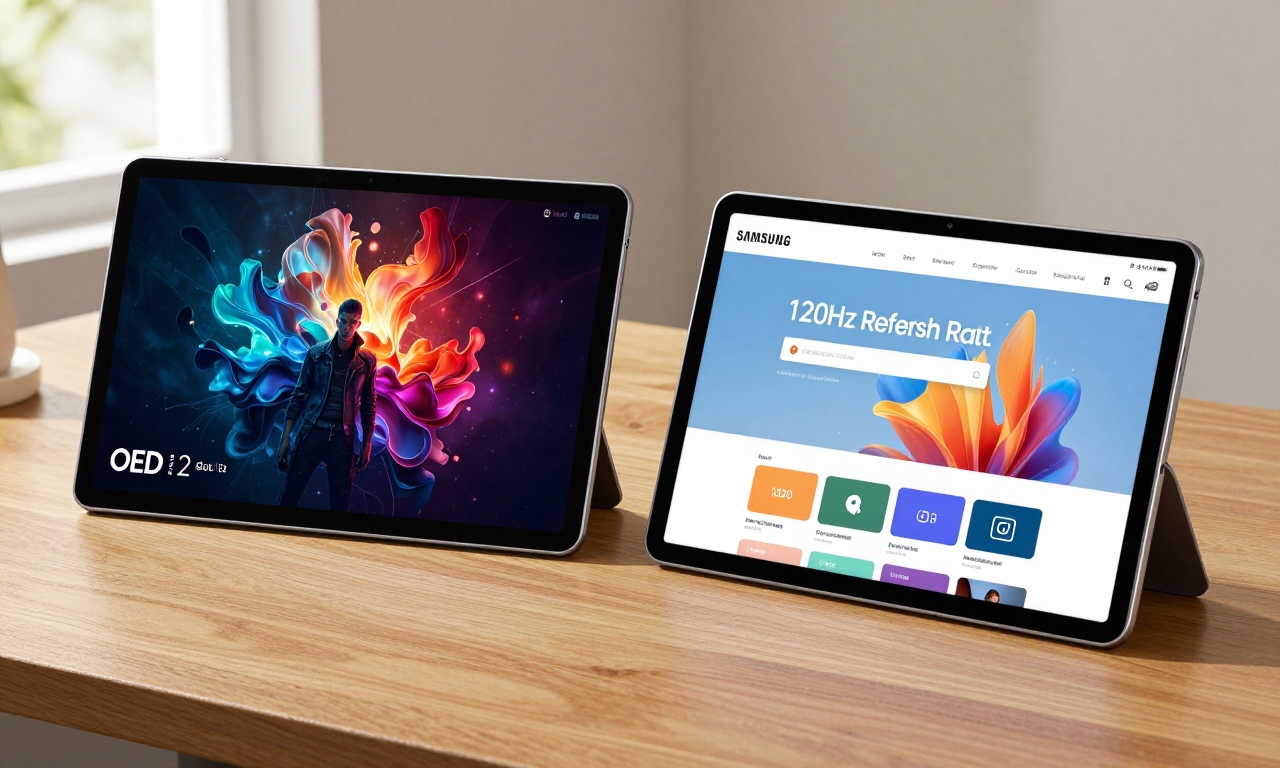
The first impression of any tablet is its screen. The Lenovo Tab P11 Pro Gen 2 features an 11.2-inch OLED display with a 2.5K (2560 x 1536) resolution. This panel delivers deep blacks, vibrant colors, and excellent contrast, making it ideal for streaming movies and browsing content. The design is sleek and modern, with a slim aluminum chassis that feels premium in hand, especially considering its price point.
In contrast, the Samsung Galaxy Tab S8 sports an 11-inch LTPS TFT LCD screen with a 2560 x 1600 resolution. While it lacks the perfect blacks of an OLED, Samsung’s display tuning ensures it is bright, color-accurate, and smooth with a 120Hz refresh rate. This higher refresh rate provides noticeably smoother scrolling and responsiveness. The Tab S8’s build quality is unequivocally flagship, with a robust aluminum frame that exudes durability and a more polished finish.
- Lenovo: Superior contrast and color vibrancy with its OLED panel; excellent value-oriented design.
- Samsung: Smoother motion with 120Hz refresh rate; top-tier, durable build quality.
Performance and Hardware: Power for Everyday Tasks and Demanding Work
Processing Power and Multitasking
Performance is where these tablets diverge significantly. The Lenovo is powered by a MediaTek Kompanio 1300T processor, paired with up to 8GB of RAM. This configuration handles everyday tasks with ease-web browsing, social media, video streaming, and light productivity work are all smooth. However, it can show limitations with very intensive multitasking or demanding 3D games at high settings.
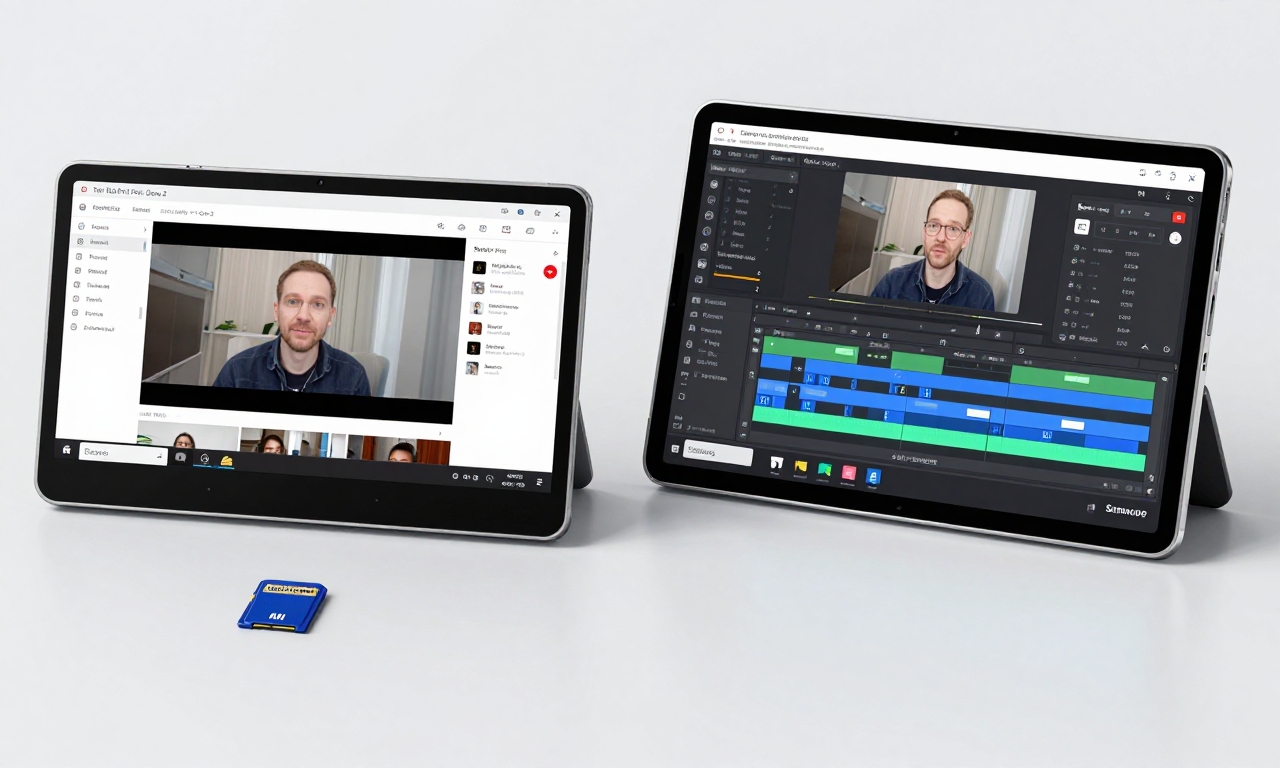
The Samsung Galaxy Tab S8 is equipped with the flagship Qualcomm Snapdragon 8 Gen 1 chip and 8GB of RAM as standard. This setup delivers desktop-class performance, effortlessly managing heavy multitasking, complex creative applications, and high-fidelity gaming. For professionals using video editing software, architects working with CAD files, or serious mobile gamers, the Tab S8’s power is a clear advantage.
Storage and Expandability
Both tablets offer multiple storage options, typically starting at 128GB. A key differentiator is expandable storage: the Lenovo supports microSD cards, allowing for cheap and easy storage expansion. The Samsung Galaxy Tab S8 does not have a microSD slot, so users must choose their internal storage capacity carefully at purchase.
Software, Updates, and the S Pen Advantage
The software experience and long-term support are critical for a tablet’s lifespan. The Lenovo Tab P11 Pro Gen 2 runs a clean version of Android with some useful Lenovo enhancements. The main drawback is its software support policy; Lenovo typically promises only two major Android OS updates and three years of security patches. This is a consideration for users who plan to keep their device for several years.
Samsung sets the standard here. The Galaxy Tab S8 runs One UI on top of Android, offering a feature-rich, desktop-like experience with robust multitasking tools like DeX mode. Crucially, Samsung guarantees four generations of Android OS upgrades and five years of security updates. This long-term support ensures the tablet remains secure and potentially gains new features far into the future.
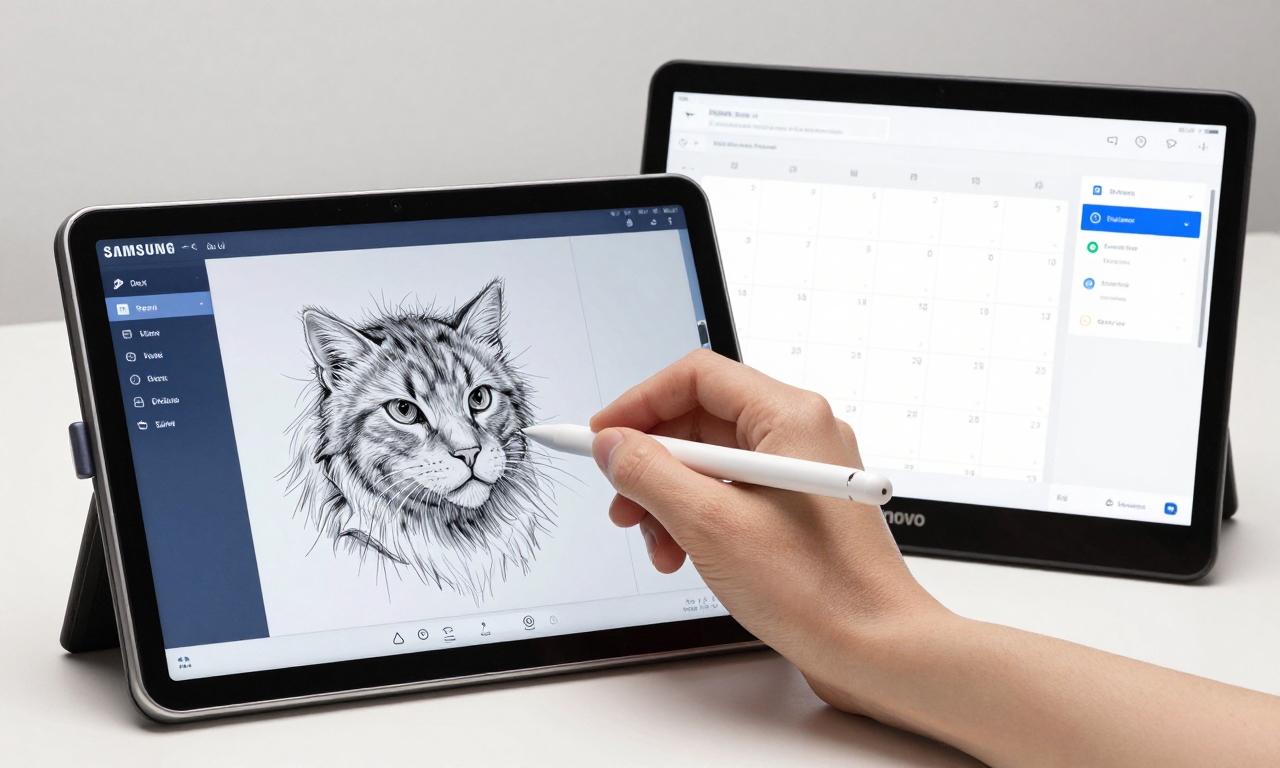
The included S Pen with the Galaxy Tab S8 is a game-changer for note-takers, artists, and professionals. It magnetically attaches to the tablet for charging and storage, offering a natural writing experience with low latency. The Lenovo supports an optional stylus, but it is a separate purchase and lacks the deep system integration of Samsung’s solution.
Battery Life, Audio, and Real-World Use
Endurance and Charging
Battery life is a strong suit for the Lenovo. Its efficient MediaTek chip and large battery consistently delivered up to 14 hours of mixed use in our testing, encompassing web browsing, video playback, and document editing. This makes it an excellent companion for long travel days or students with back-to-back classes. It supports fast charging, though the charger is not always included in the box.
The Samsung Galaxy Tab S8, with its more powerful processor and high-refresh-rate display, understandably has slightly shorter endurance. We recorded between 10 to 12 hours of typical use, which is still very good for a flagship device. It also supports fast charging.
Audio and Connectivity
Both tablets feature quad-speaker setups tuned by JBL (Lenovo) and AKG (Samsung), providing immersive, spatial audio that is excellent for media consumption. They also include USB-C ports for charging and data transfer. The Samsung model offers optional 5G connectivity for cellular models, while the Lenovo is typically Wi-Fi only.
Value Proposition: Budget-Friendly vs. Long-Term Investment
| Consideration | Lenovo Tab P11 Pro Gen 2 | Samsung Galaxy Tab S8 |
|---|---|---|
| Target User | Students, casual users, media consumers | Professionals, creatives, power users, gamers |
| Key Strength | Outstanding OLED display & battery life at a lower cost | Flagship performance, S Pen inclusion, long software support |
| Main Compromise | Limited heavy gaming/creative performance; shorter updates | Higher price; slightly shorter battery life |
| Accessories | Keyboard cover and stylus sold separately | S Pen included; keyboard cover sold separately |
| Overall Value | Exceptional for the price | Premium, with longevity built-in |
Final Verdict: Which Tablet Should You Buy?
The choice ultimately hinges on your priorities and budget.
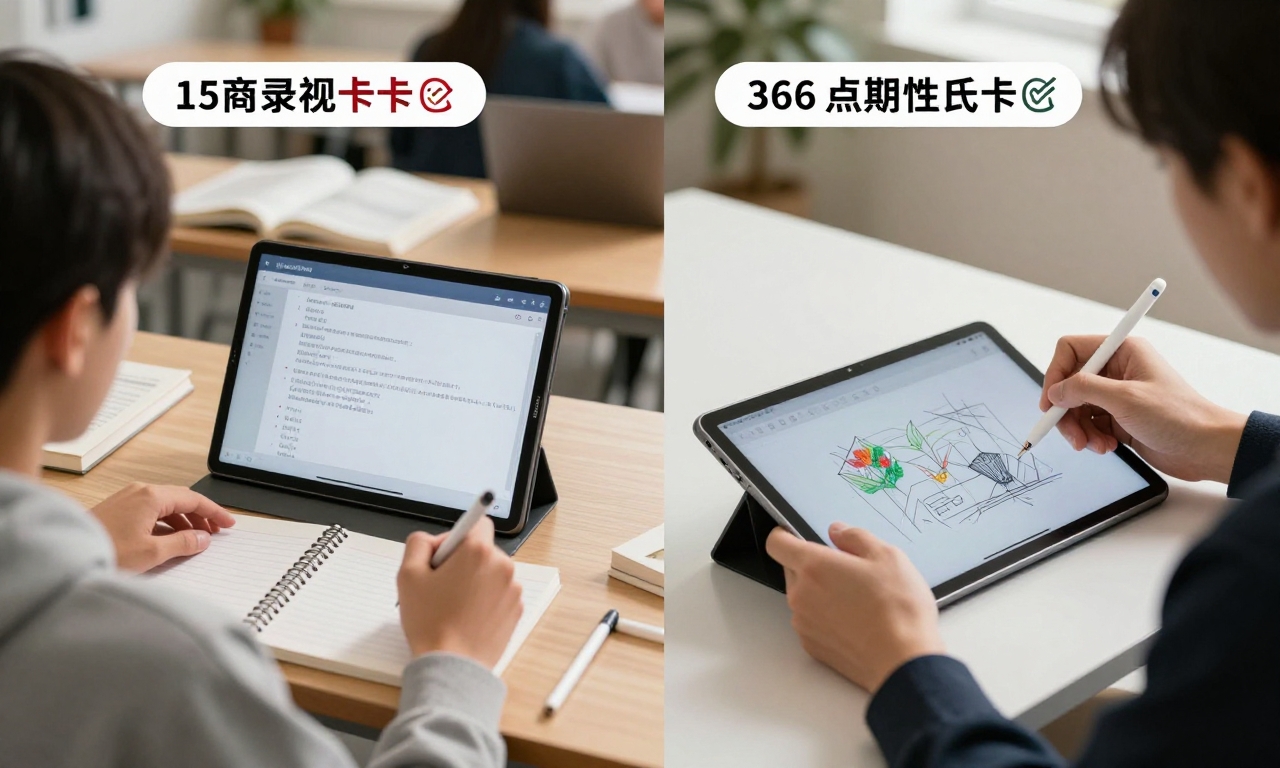
Choose the Lenovo Tab P11 Pro Gen 2 if: Your budget is a primary concern, but you refuse to compromise on screen quality for media consumption. It’s the perfect tablet for students needing a device for notes and research, families looking for an entertainment hub, or anyone who values a stunning OLED display and all-day battery life without the flagship price tag. You accept that its performance has limits and that you may need to purchase accessories separately.
Choose the Samsung Galaxy Tab S8 if: You view your tablet as a primary productivity or creative tool and are willing to invest for top-tier performance. It is the definitive choice for professionals who need a portable powerhouse, artists and note-takers who will utilize the S Pen, and users who demand the longest possible software support to protect their investment. The premium feel and seamless ecosystem integration are worth the extra cost.
Both are excellent tablets that excel in their respective lanes. The Lenovo offers a premium experience on a budget, while the Samsung delivers a comprehensive, future-proof flagship package. Assess your performance needs, software update expectations, and how you plan to use the tablet daily to make the right decision.