Follow us on Facebook
Breaking updates in your feed — tap to open
By the coming of 2026, the question of serious reading with dedicated e-readers or tablets has and will be in a state of evolution. Whereas tablets have become more multifunctional in their displays and their all-purpose functions, dedicated e-readers retain some unique merits that serious readers still hold. This discussion will explore the reasons why the newest Kindle and Kobo devices beat the iPad and Android tablets in the context of immersive and comfortable reading experience.
The Science of Eye Comfort: E-Ink vs LCD/OLED
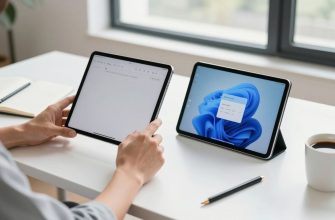
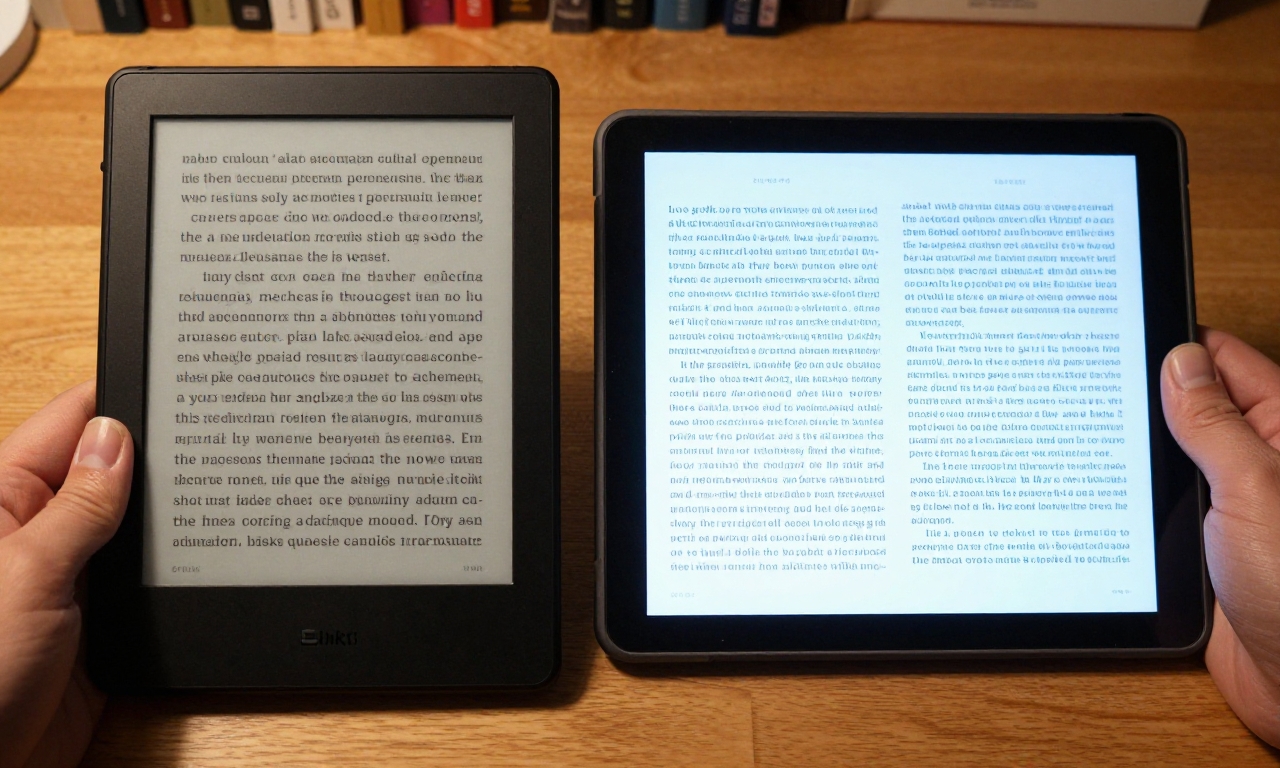
Tablets in modern times have flashy displays characterized by the use of OLED technology and high frequencies rendering videos and games exquisite. But the same characteristics are against them when reading long passages. The LCD screens that display vivid colors and dark blacks also give out blue color vibration straight into your eyes which might cause digital eye strain when used over a long time. E-readers are based on E-Ink technology that mimics ambient lighting similar to paper that provides a more natural reading experience requiring much less eye strain. This distinction is especially apparent when reading in marathons or prior to sleep.
Battery Life and Portability
Battery life is another area where the e-readers have a significant lead over the tablets. Although modern tablets have become more efficient in managing their power, they need to be charged daily or once per every other day as they are used on a daily basis. By comparison, e-readers are generally able to go weeks during any given charge since their screens only use energy when flipping through pages. This long battery life will allow you to bring your e-reader on long journeys without worrying where to locate power outlets or lugging big power banks around. The fact that one will not need to check battery levels all the time adds a great deal to a more comfortable reading experience.
Minimizing Distractions
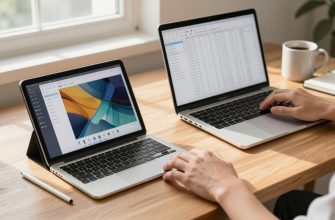
The multitasking capabilities of tablets are getting an advantage over focused reading. Alerts, social media applications, email messages and the frequent urge to change to other applications furnish an atmosphere full of disruptive elements. Specialized e-readers offer an escape route of digital distractions, where the reader is able to focus his or her full attention on the book. This no-distraction space has gained importance in our hyper-networked world, and e-readers are especially attractive to readers who are interested in having a higher level of engagement with longer, more complicated materials.

Reading Ecosystem and Library Management
Specialized e-readers can provide better library management systems that are also dedicated to book organization. Tablets might support reading applications, but they do not offer the same level of interoperability between the device, store, and library as e-reader systems. Such technology as Whispersync on Kindle devices are designed to automatically synchronize your reading status between devices, retain your notes and highlights and make it easy to find and purchase new content. They are designed as an ecosystem tailored precisely to the reader, which makes them more unified compared to the fragmented nature of using reading applications on multipurpose tablets.
Physical Design Advantages
E-readers are also better at reading due to the physical design of the devices. Tablets can be held much longer than most models, which are also very light. Their matte screens minimize glare in many sources of light, including direct sunlight and indoor settings, among others. Most of the e-readers come with waterproof features to enable users to read without worry about damaging them during trips to the pool or taking a bath, which is less common on tablets. When taken together such design consideration may appear to have few consequences but taken cumulatively, the result is a machine that is perfect at the one specific task of reading.
Specialized Features for Advanced Users
E-readers have specialized capabilities that tablets do not have, and these capabilities are needed by students and professionals who read large amounts of text. More sophisticated note-taking features, dictionary integration, any text to speech accessibility options are also usually more sophisticated on dedicated devices. E-readers are especially useful in academic and research settings where tablet applications can be limited when dealing with complex layouts because of their capacity to sideload documents in a variety of formats and ensure consistent formatting across diverse file formats.
The Strengths and Weaknesses of the Tablet
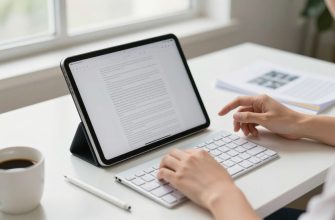
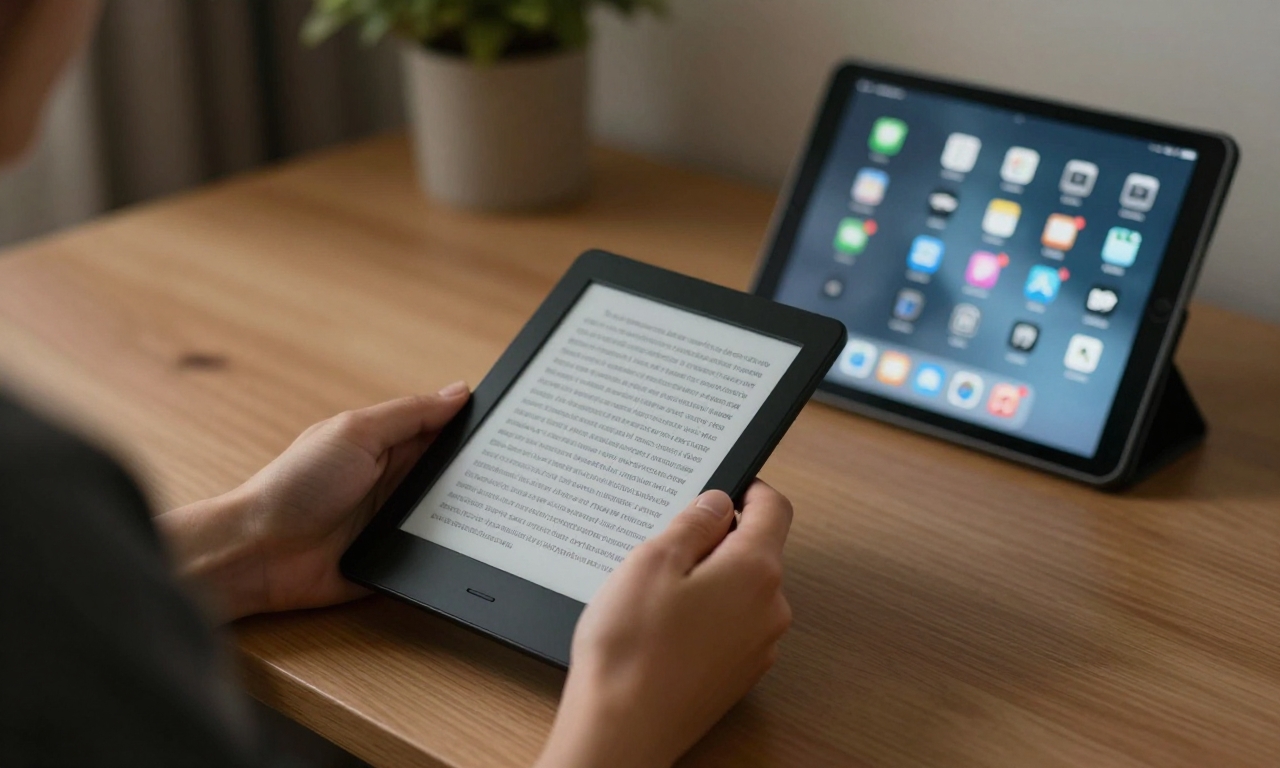
Tablets are definitely not absent in the digital reading game. Their color projection accord them the graphics novels, magazines, and rich-textbooks. With the capability of running a variety of reading applications, one can access multiple different bookstore ecosystems using a single device. Tablets are a sensible middle ground to casual readers who read a few books per year, and would like to use the same gadget, which could also accomplish various tasks. But to serious readers who value comfort, immersion and more hours of reading time, the benefits do not offset underlying benefits of dedicated e-readers.
Future Outlook
In prospect, each of these types of devices is developing. Tablets are also adding features that help in eye comfort such as blue light filters and color temperature settings, whereas e-readers are gaining features such as USB-C charging and better performance. Nevertheless, the primary disparities in display technology and intention of the device mean that dedicated e-readers will probably continue being favorable to serious reading in the near future. To people who see reading as a major activity, though not a regular hobby, a dedicated e-reader will still be the best investment in 2026.