Follow us on Facebook
Breaking updates in your feed — tap to open
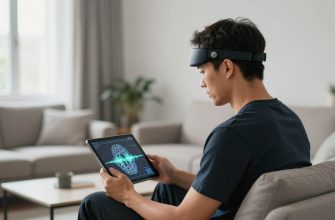
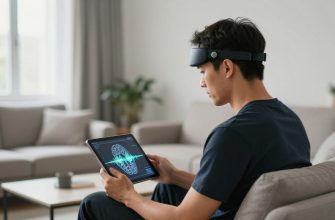
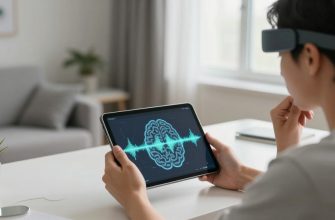
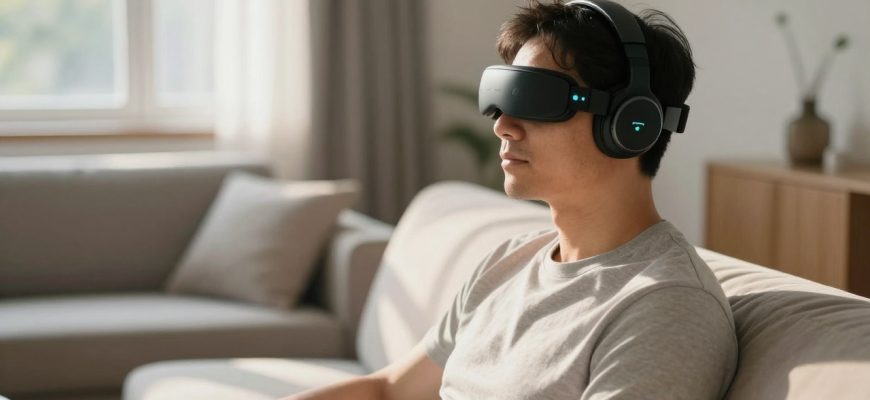
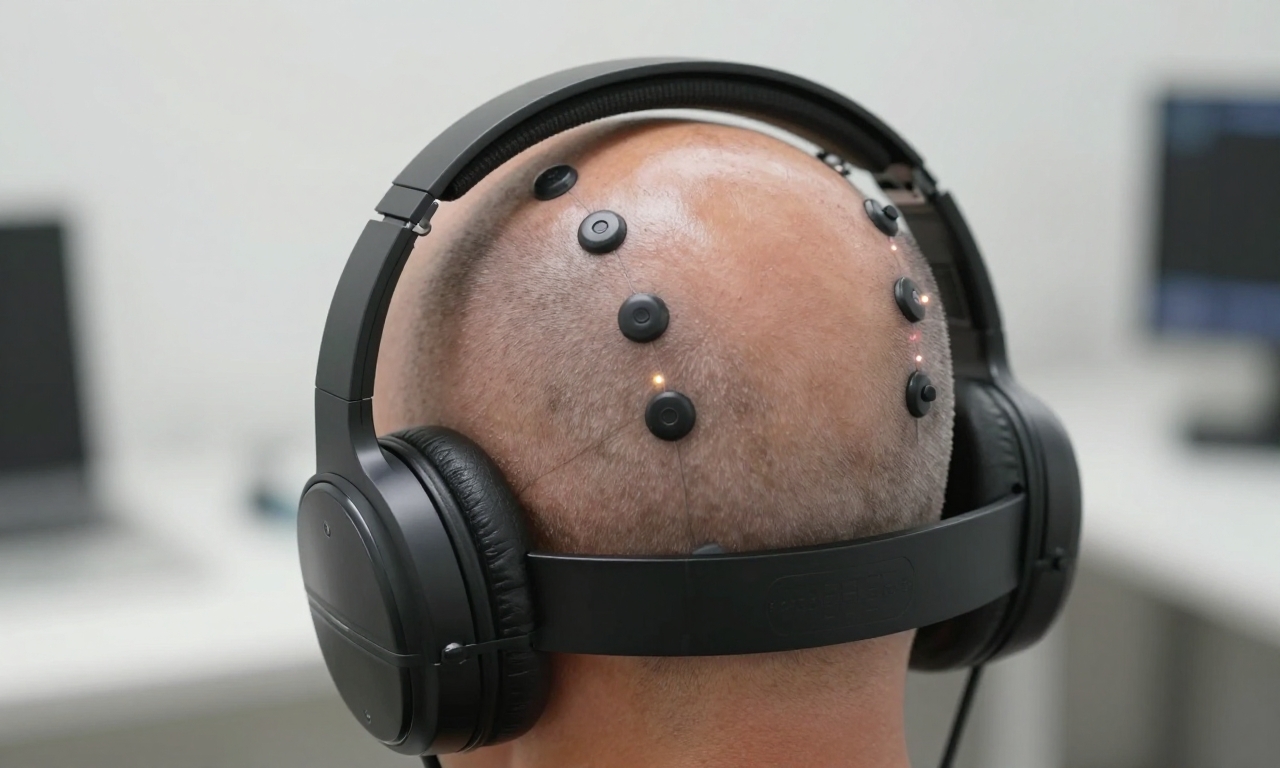
The combination of the artificial intelligence and wearable technology has resulted in the emergence of a new genre of products that is likely to shift the way we view mental health. The gaming neurofeedback headphones come as an important innovation in the realm of the old-fashioned audio accessories because they consist of advanced sensors and AI algorithms that allow tracking and controlling brain activity in real-time. The technology is the thing that breaks the tradition of passive listening experience as it provides an interactive system that reacts to your neurological condition. These devices become a loop between what your brain is doing and what is being played by measuring electrical activity in the brain using EEG sensors through the headband or earcups between your brain and the audio being pushed into your ears.
The Neurofeedback Technology: How It Really Works
The essence of this technology is the concept of neurofeedback, which was a practice that was once deemed to be limited to the clinical setting in which costly equipment was required. Hardware developed in modern times is small, easy to carry, and accessible to users outside medical institutions, thus making this technology affordable. The AI element can study the patterns of brainwaves to determine when a person is focused, relaxed, or stressed and changes an audio material. This culminates into an individual experience that changes with the mental state as the day goes on. To the individuals that are interested in optimizing their cognitive functioning, this is a viable methodology to what in the past used to be seen as experimental biohacking.
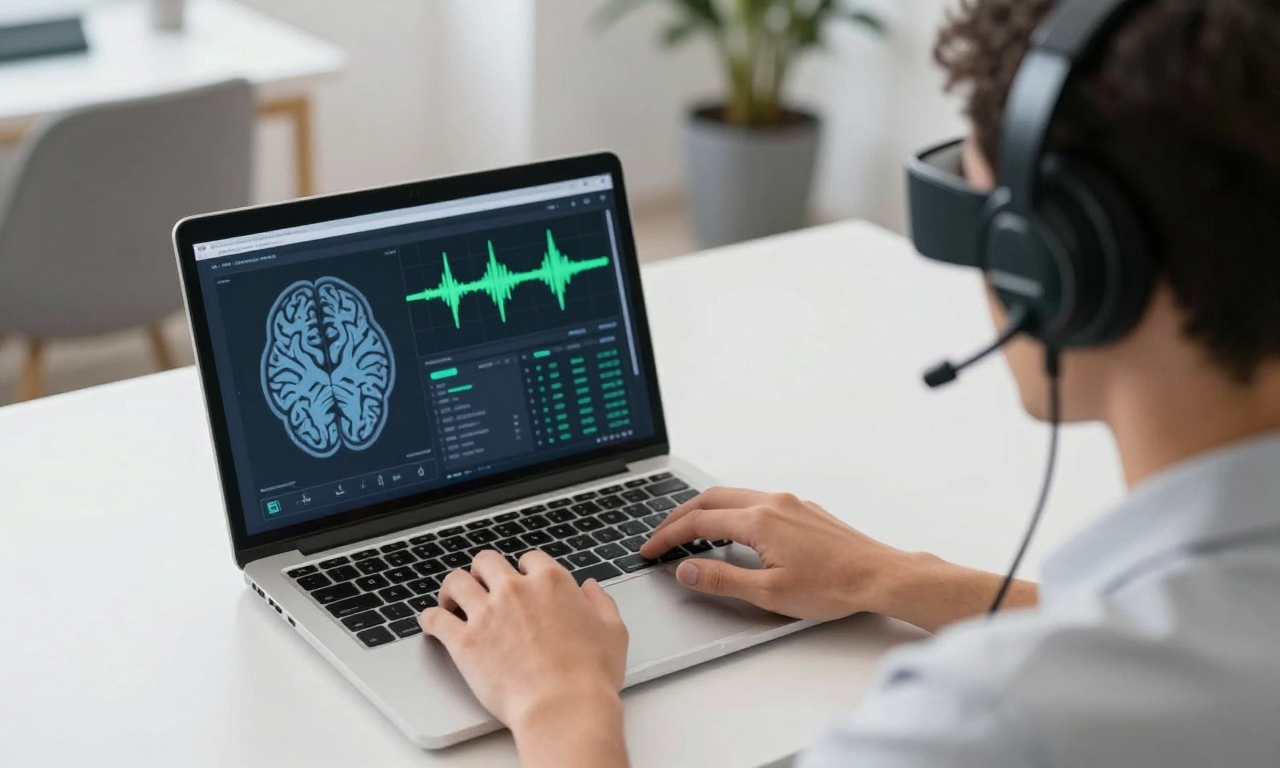
Neurofeedback headphones are used in conjunction with software and hardware innovations in harmony. The hardware generally has dry EEG sensors which contact the scalp with the headband pad or earcup pad, thus removing the need of using conductive gels. Such sensors are sensitive to electrical activity of various frequency bands in relation to several mental states. Delta waves are associated with deep sleep, theta with restfulness and ingenuity, alpha with clear alertness, beta with concentrated thinking, and gamma with optimal thinking. This information is analyzed by the artificial intelligence algorithms to generate an evolving profile of your present mental condition.
This neurological data is converted to action audio by the software element. The system may initiate binaural beats or isochronic tones at those frequencies that are familiar in inducing relaxation when the stress patterns are identified. During the times of decreased attention, it may be redirected to audio information aimed at sharpening the concentration through certain frequencies. There are those systems that include the guided meditation or the cognitive behavioural therapy, and those systems that only concentrate on the audio frequency modulation. The most sophisticated ones study your reactions and reactions, developing more personal portraits that consider your peculiarities of neurological processes and our way of life.
Practical Applications
The use of neurofeedback headphones in practical life covers various spheres of life. These devices are also applicable to professionals with demanding projects that require thought performance to be in good conditions throughout the long working hours. They may be used by students who have exams they are studying or taken by students suffering pre-test anxiety. Athletes are able to use the technology in mental preparation before the event or to recover after an event. Another important field of application is the sleep optimization features, where systems are developed that will help users fall into deeper and more restful sleep by carefully tuning audio playlists to achieve this goal. This flexibility makes neurofeedback headphones nothing like another audio peripheral, they become a complete mental performance management tool.
Leading Neurofeedback Headphones Comparison
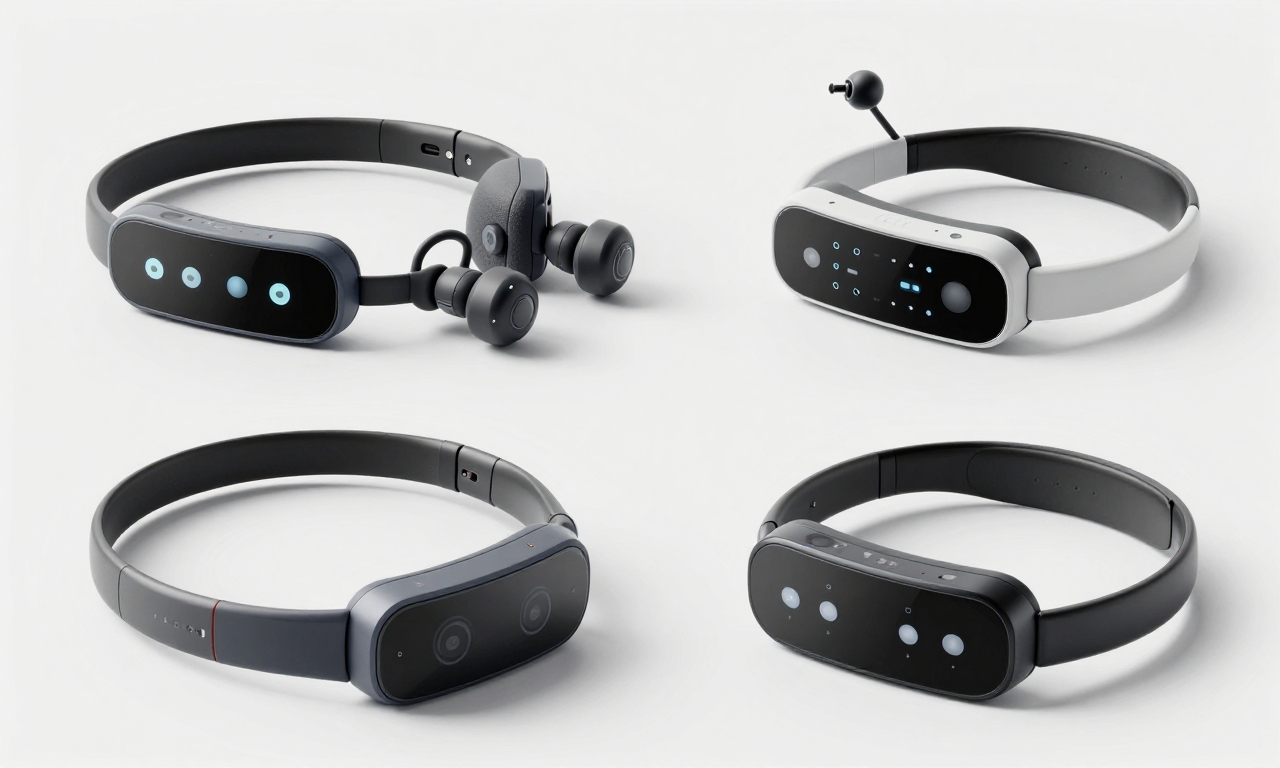
There have appeared several products that have developed as leaders in this new type, each having its own approaches and features.
- The Muse S headband is an EEG device that contains sleep trackers that provide guided meditation sessions that react to your brain activity in real-time. Its companion app also gives comprehensive analytics concerning your meditations, as to how your patterns of brainwaves vary, across various exercises.
- The other prominent entry is the FocusCalm system that focuses on reducing stress and comes with customized soundscapes that change according to your state of the brain. In this system, there are anxiety management programs, creative work programs and deep relaxation programs.
- The Neuroon Open system has an alternative method of the fusion of EEG monitoring and photobiomodulation with light-frequency specific frequencies and audio feedback. Such a dual-modality system has specific potential in sleep optimization and clinical trials have shown that users have enhanced sleep architecture.
- What are known as the Mindset system is a solution that incorporates neurofeedback technology into the what otherwise looks like ordinary wireless earbuds, but has slightly less sensor coverage than full-headband models.
All systems are the expressions of various levels of proper balance between functionality, comfort and aesthetics, and any consumer can select the most suitable version depending on his or her priorities and use-cases.
Technical Considerations
In the case of neurofeedback headphones, there are a variety of technical factors that should be reviewed. The accuracy of the sensor is also enormous across systems, with relatively costlier models tending to have a higher resolution EEG monitoring. Another important concern is battery life since this may be power-consuming when it comes to constant brain monitoring and sound processing. A majority of the systems have a minimum of 4-8 hours continuous use depending on the features activated. Those connectivity choices as well vary, the formerly utilize Bluetooth ties to companion smartphone applications, whereas others offer onboard processing that lowers latency. These systems can be evaluated in terms of the long-term value of the quality of the companion software and analytics platform since insights that these systems can offer may inform users to become more productive in their practice of mental wellness.
Privacy and Data Security
The privacy and the data security are the issues of concern when considering any device that monitors the biological data. Ethical producers have good protection of data transmission and data storage by using strong encryption, and there is a clear policy of privacy regarding the usage of neurological data. There are systems that work out all the data processing on the device itself, not sending it to some servers, whereas other systems make use of cloud computing to allow them to perform more advanced analysis. These data handling practices should be known by consumers who would like to understand how sharing their brain activity data would affect their privacy. As any interrelated health technology, users need to go through the privacy policy documentation and think about the extent of sharing that they are comfortable with.
Integration with Audio Ecosystems
There are challenges and opportunities of integrating neurofeedback technology into the current audio ecosystems. Some are standalone systems that contain proprietary audio content, whereas some can be integrated with mainstream streaming services or local libraries. The most open systems can enable users to modulate neurofeedback to any audio source, including podcasts or music or ambient soundscapes. This flexibility enhances the usefulness of such devices, which could not be confined to the content provided to the user by the manufacturer. The responsiveness of neurofeedback modulation can however be inconsistent with different source material, with certain audio formats reacting more to real time modification than others.
Future Developments
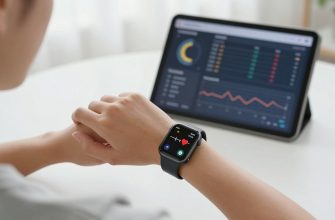
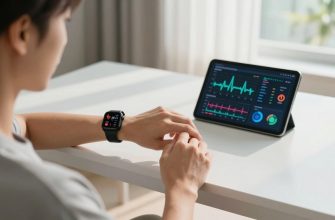
In the future, the technology of neurofeedback headphones can be integrated into larger wellness systems. Other manfacturers are also considering liaising with fitness tracks and smart watches in order to generate more holistic health portraits. Others are building APIs enabling third party developers to come up with specialized applications in certain applications, be it to improve academic performance or enhancement of athletic training. With the development of the technology, further standardized methods of neurological data gathering and analysis may develop, which can potentially provide interoperability across various systems and platforms. This may give rise to more advanced ecosystems of wellness that will integrate several streams of data in their effort to manage holistic wellness.
Consumer Considerations
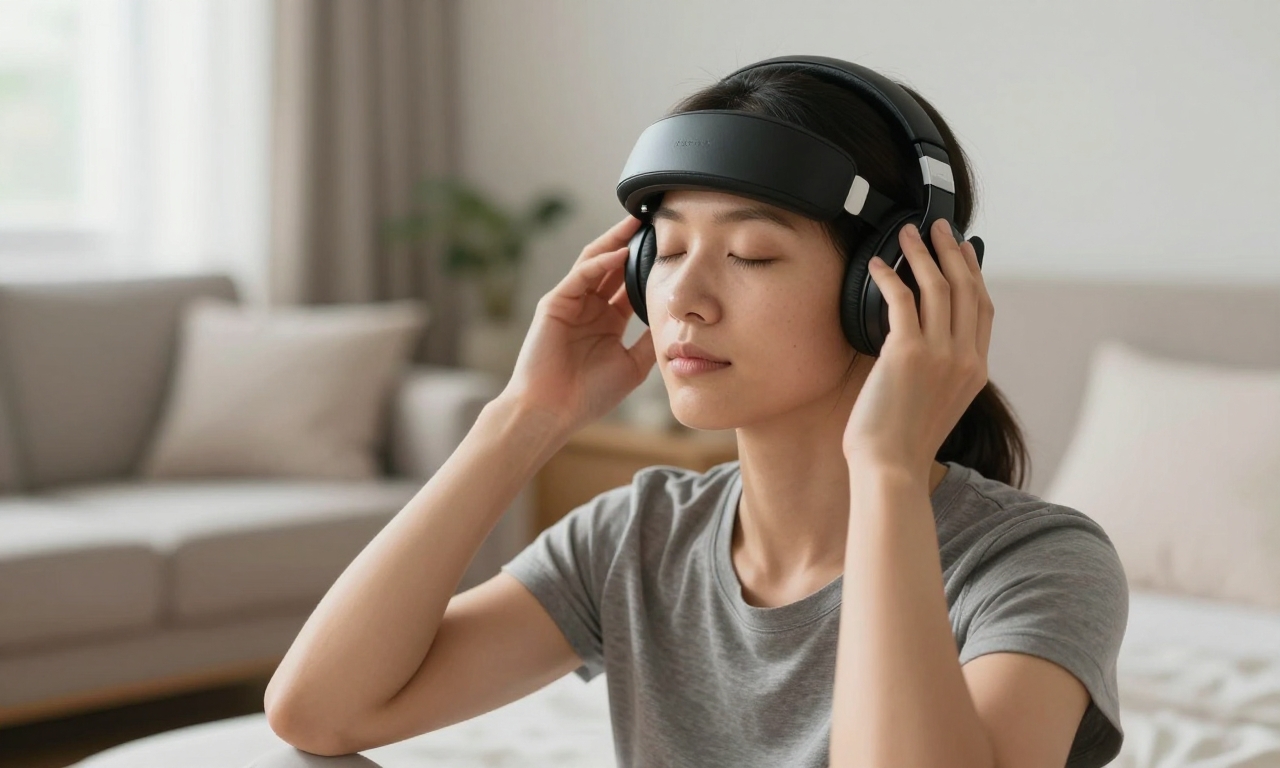
To consumers who are contemplating buying neurofeedback headphones, there are even more practical factors than technical features.
- Wearing comfort is an important attribute when it comes to long-term wear because there are users who consider the headband less comfortable than the earbud format when used during the day.
- The curve to learning in processing neurological feedback is different among systems with some systems having more intuitive interfaces than others.
- Price is another key factor, as it will have decisions between the higher cost of the noise-cancelling headphones at high-end prices and decisions with lower costs of around the mid-range price.
Finally, the best fitting system relies on personal requirements, choices and available budget hence it is necessary to ensure that a good system is carefully considered before acquiring it.
Hands-On Implementation into every day wellness
Neurofeedback headphones can only be successfully integrated into everyday life by thinking about but not using them occasionally. The most frequent benefit of having routine is often enjoyed by the many users who have routines that include morning concentration or evening relaxations. The systems that are the most valuable normally have the scheduling feature and reminders to ensure consistency. Other wellness activities like mindfulness meditation or light exercise can be used in conjunction with neurofeedback, which produces synergistic effects. The trick to optimizing gains is frequent use that enables the system to improve the interventions based on the individual patterns and preferences, as well as resulting in more personalized and optimal interventions in the long run.
With the ongoing technological advancements of neurofeedback, it can be expected that the usage of this technology will go far beyond its present execution in wellness-based applications. Initial studies indicate that it can be used in education, improvement of workplace productivity, and even in a therapeutic environment with professional guidance. This technology combined with the other emerging technologies such as augmented reality and haptic feedback would make even more powerful systems. To date, neurofeedback headphones constitute an entry vehicle to a personalized technology of mental wellness, as it can be physically useful as focusing, handling stress and sleep optimization. Methods and genuine expectations coupled with practice are the most desirable outcomes in people just testing this horizon of wearable technology.