Follow us on Facebook
Breaking updates in your feed — tap to open
By May 2026, the fight for smartest phone has totally changed. It’s not about chips or screens anymore. It’s about AI. Apple, Samsung, Google-they’re all betting on different ideas for how artificial intelligence should work on your device. And honestly? It’s kind of a big deal. We’re talking phones that know what you need before you do, that handle boring tasks, that snap perfect pics without you messing with settings. If you’re upgrading this year, you gotta get what each company’s doing. Otherwise you might pick a phone that doesn’t actually make life easier.
On-device vs. cloud AI
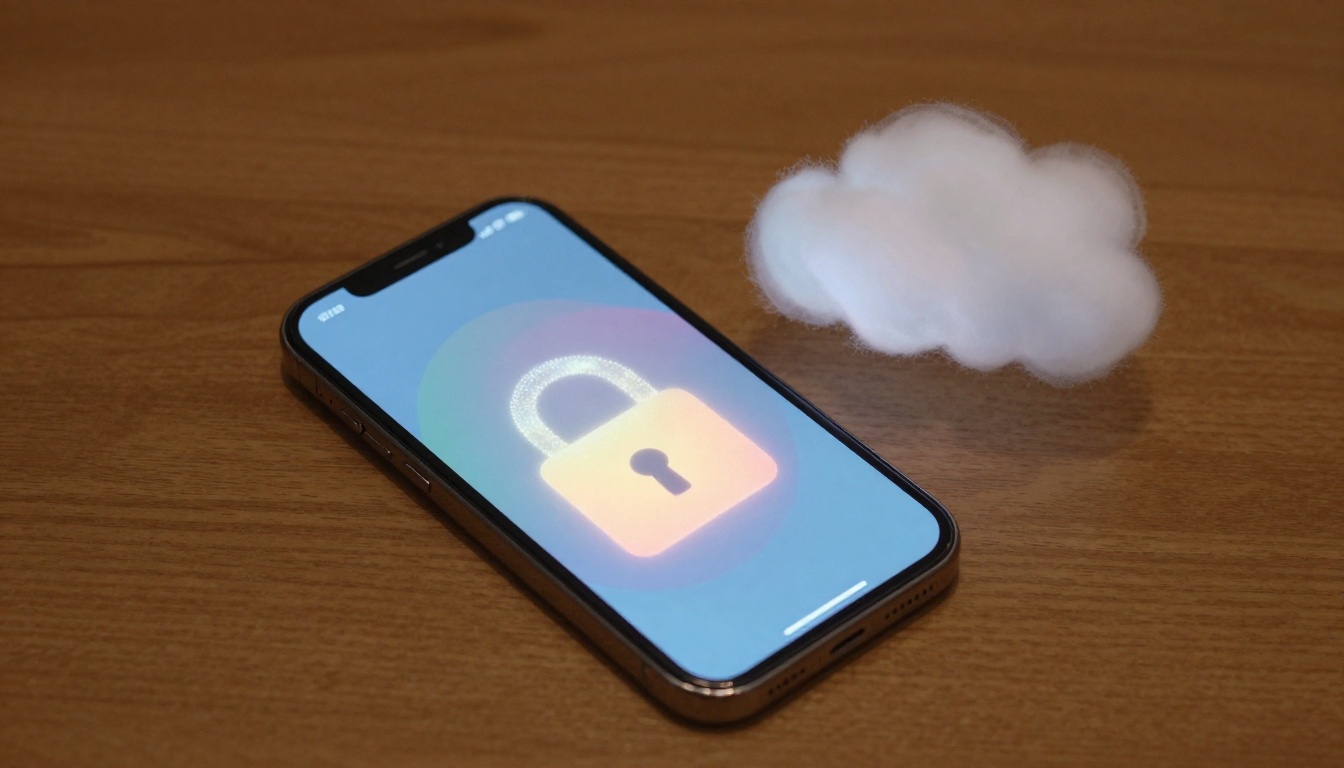
The biggest split? Where the AI stuff actually happens. Apple keeps it mostly on your phone. Their custom chips handle everything locally, so your data stays private. Samsung does a mix-some on-device, some in the cloud, especially for heavy generative tasks. Google leans hard on its cloud for Pixel features, though their Tensor chips are adding more on-device smarts. On-device processing usually means better privacy and offline use, but cloud AI can tap into bigger models and live data. Day to day, you might not notice. Until you lose signal. Then a Pixel’s live translation might choke while an iPhone’s on-device transcription just keeps going.
Samsung’s middle ground is flexible. Basic AI runs locally, but demanding stuff like generative photo edits gets sent to the cloud. It’s a hybrid that tries to balance speed and power. Thing is, it’s not always smooth. You might wait a few seconds for a cloud feature to kick in. Breaks the flow. It’s a trade-off that’s still evolving.
Productivity and personalization
Does the AI actually save you time? That’s the real test. Apple’s iOS 20 brings a smarter Siri that can handle multi-step stuff across apps-like “find the doc I was reading yesterday and send it to Mom.” Samsung’s Galaxy AI goes after communication, with real-time call translation and message summaries that work everywhere. Google’s Pixels are crazy good at context: the phone screens calls, holds for you, even navigates those awful phone trees. Google’s call-screening is still the most impressive productivity feature, but Apple’s deep system integration makes Siri more versatile for personal tasks.
Personalization is the next frontier. All three now do AI wallpapers and themes, but the real value is how the phone adapts to you. Samsung’s routines suggest automations based on your habits. Google’s At a Glance widget pops up timely info like gate changes or package deliveries. Apple’s Focus modes got smarter, using on-device learning to filter notifications without shipping your data to servers. If you’re juggling work and life, these little tweaks can claw back hours of attention every week. Kinda wild, right?
Photography and camera smarts
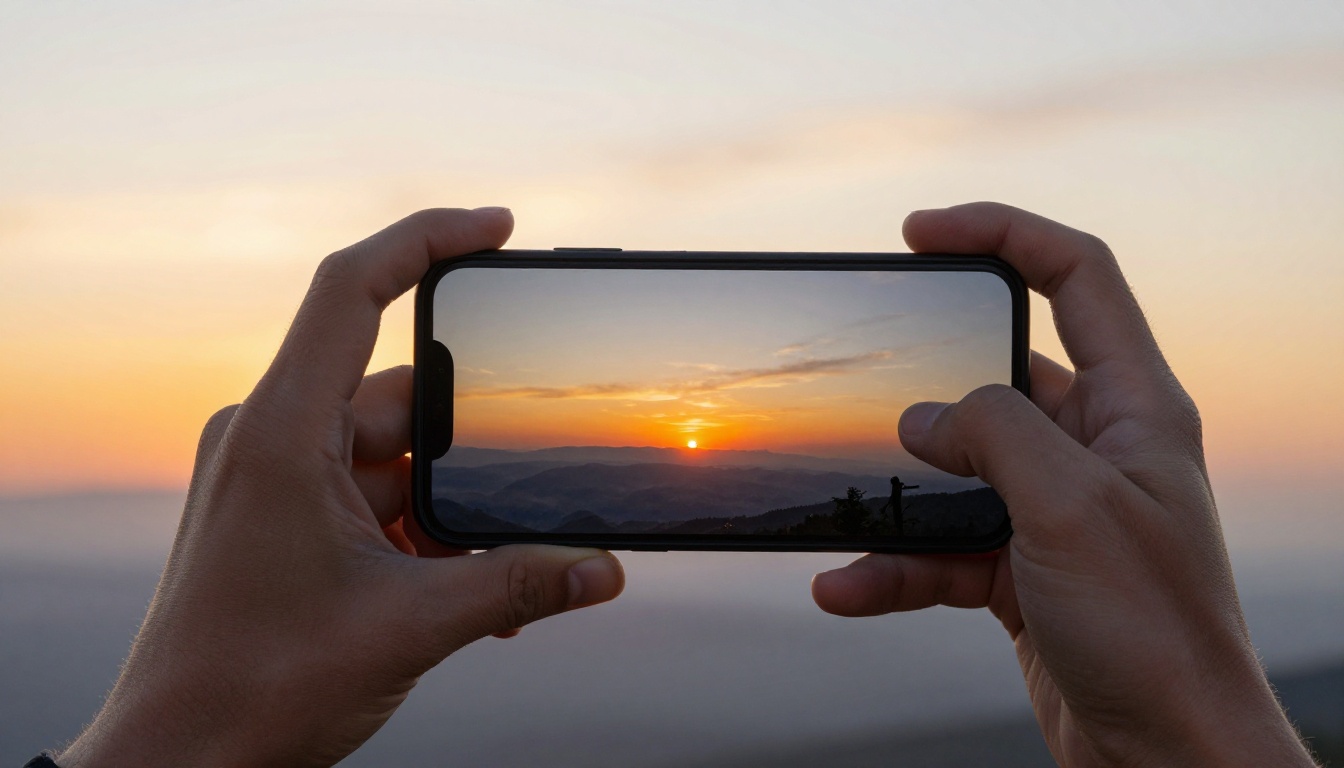
Camera AI is where the hype meets reality. Apple’s Photonic Engine keeps polishing image processing, but the standout is Visual Intelligence-point your iPhone at a landmark or plant and get info instantly, like Google Lens but with privacy first. Samsung’s Galaxy AI pushes generative editing harder: remove objects, recompose shots, just a few taps. Google’s Magic Editor and Best Take have grown up, giving eerily good results in tough light. Night mode? That’s baseline now. The new fight is computational video-stabilization and real-time HDR that you can actually see.
In side-by-side use, each has its thing. Samsung’s zoom, boosted by AI upscaling, is still top-notch. Google nails skin tones more accurately across different people. Apple’s video, especially in mixed lighting, still feels the most natural. But the gap’s closing. Any flagship from these brands will give you great social media shots. The real edge shows up in tricky spots: a backlit portrait, a fast-moving pet, a dim restaurant. There, Google’s computational photography often wins, though Samsung’s manual controls give you more creative freedom.
“The AI features that matter most aren’t the flashy demos-they’re the ones that fade into the background, making everyday tasks effortless,” says mobile analyst Carolina Milanesi.

Which approach wins?
There’s no single winner in this AI showdown. It depends on what you care about. Privacy and seamless integration? Apple’s on-device intelligence is pretty compelling. Cutting-edge communication tools and you don’t mind some cloud reliance? Samsung’s Galaxy AI delivers. If you live in Google’s world and want contextual help, a Pixel is tough to beat. The best AI smartphone features in 2026 are the ones you’ll actually use daily-not the stuff that sounds cool in a keynote.
Looking ahead, things will blur even more. All three are pouring money into on-device large language models, and regulations might push more processing to the phone. The race isn’t just about a smarter phone. It’s about a phone that’s a real partner in your digital life. For now, the smartest move is to ignore the hype and focus on features that solve actual problems. Whether it’s a camera that catches your kid’s smile without blur or a voice assistant that finally gets context, the AI that matters is already in your pocket.