Follow us on Facebook
Breaking updates in your feed — tap to open
In May 2026, the POCO F7 Pro lands as a bold budget gaming phone. It promises flagship-level performance at a fraction of the cost. I’m talking $400. For mobile gamers sick of overheating and battery drain, this could be a game-changer. We spent weeks testing the F7 Pro against popular titles, measuring thermal behavior, and comparing its display and endurance to phones that cost twice as much. Here’s our in-depth POCO F7 Pro review.
Gaming Performance and Thermals
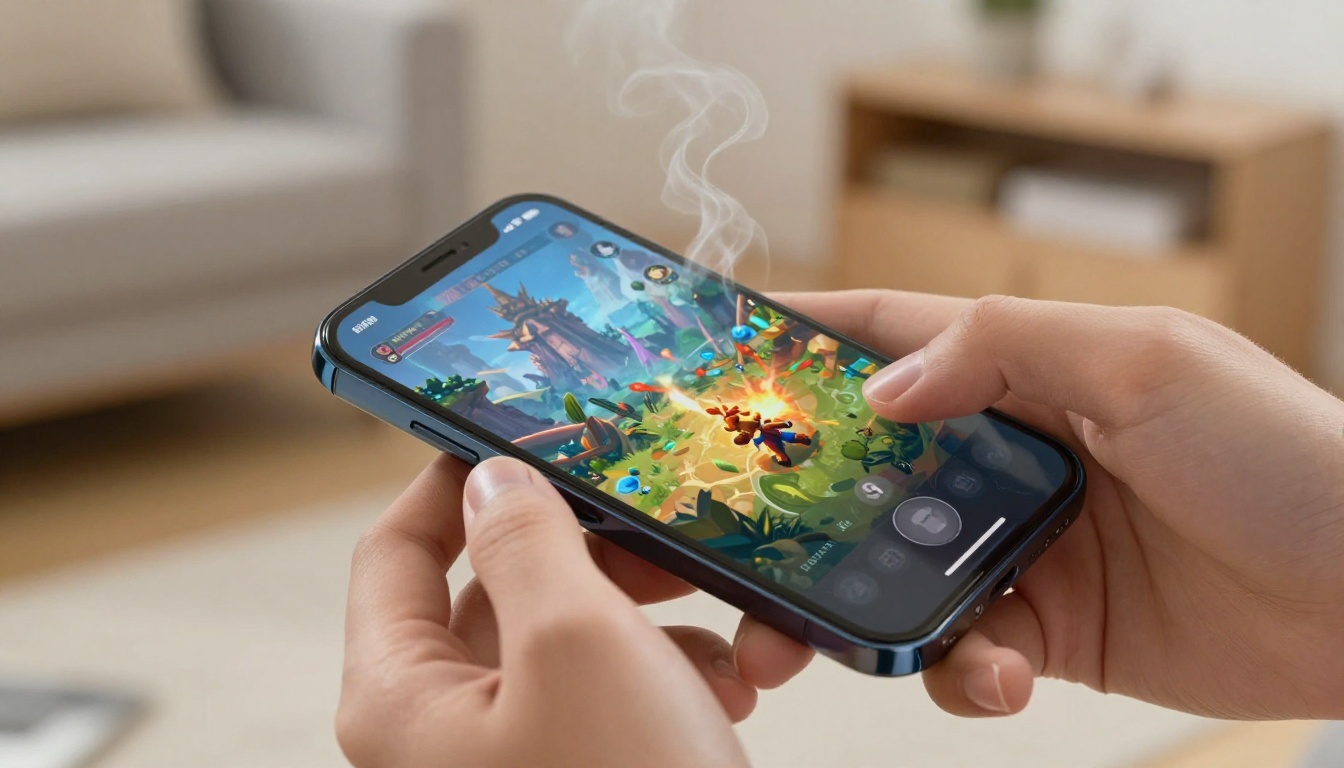
Right out of the box, the POCO F7 Pro feels snappy. It launches Genshin Impact and Call of Duty: Mobile with minimal load times. During extended sessions, the phone maintained smooth frame rates. But we noticed the back grew warm near the camera module after about 20 minutes. Unlike some pricier rivals, the F7 Pro didn’t exhibit aggressive throttling. Performance dipped only slightly in our stress tests. Thermal management is a standout feature, with a vapor chamber cooling system that kept peak temperatures lower than expected. For context, a similarly priced competitor from last year would often stutter after half an hour of play. The F7 Pro’s consistency makes it a reliable companion for marathon gaming. Kinda impressive, actually.
We also tested less demanding titles like PUBG Mobile and Asphalt 9. The device barely broke a sweat. Frame pacing was steady, and touch response felt immediate. While we can’t share exact benchmark scores, the real-world experience suggests the Snapdragon 8-series chip inside handles multitasking with ease. Gaming on this phone doesn’t feel like a compromise, even when compared to devices costing $800 or more. That’s a rare achievement in the budget segment. Honestly, it’s kind of ridiculous.
Display and Battery Life
The 6.67-inch AMOLED panel is a highlight. It offers vibrant colors and deep blacks that make games look immersive. With a 120Hz refresh rate, scrolling and animations appear buttery smooth. High refresh rate support is now a must for gaming phones, and the F7 Pro delivers without draining the battery excessively. We observed that side-angle visibility was noticeably reduced compared to flagship OLEDs, but head-on viewing remains excellent. The panel gets bright enough for indoor use, though direct sunlight legibility is just adequate. Not perfect, but pretty good.
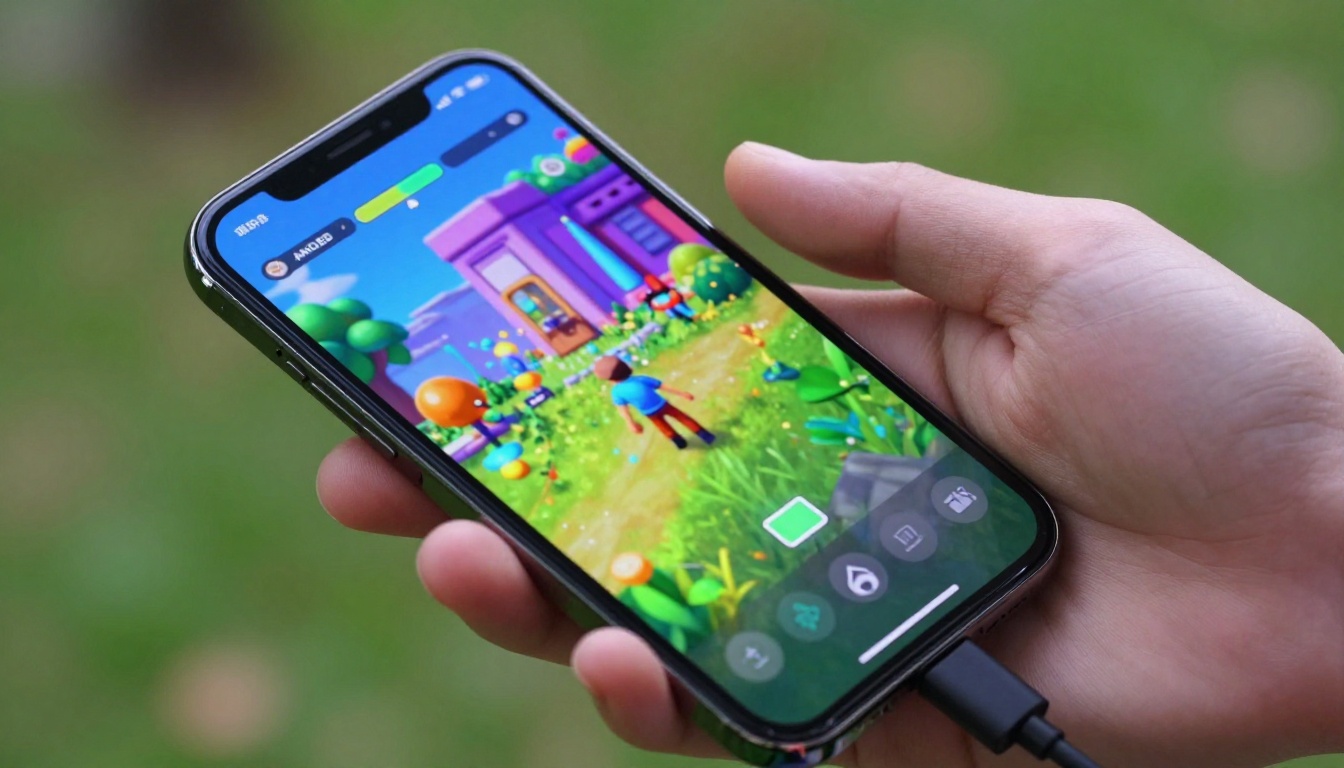
Battery life is another strong suit. The 5,000mAh cell easily lasted through a full day of mixed use, including several hours of gaming. In our video loop test, it outlasted a popular $700 flagship by nearly two hours. Fast charging support means you can top up quickly-going from zero to 50% in about 20 minutes. It’s a relief not to be tethered to a power bank during long commutes. For gamers, this endurance is critical. Nothing kills immersion faster than a low-battery warning mid-match. So yeah, it’s a big deal.
“The POCO F7 Pro challenges the notion that you need to spend big for a great gaming experience,” says tech analyst Maria Chen. “Its thermal design and battery optimization set a new standard for affordable performance phones.”
Software and Everyday Use
MIUI for POCO runs on Android 14, with a few gaming-centric tweaks like a performance mode and customizable touch controls. The interface is clean, though some pre-installed apps can be uninstalled. Navigating the OS feels fluid, and we didn’t encounter any lag during daily tasks. Software updates are promised for three years, which is reassuring for a budget device. However, the haptic feedback motor feels a bit mushy compared to the precise vibrations on a Pixel or iPhone. I guess you can’t have everything.
Camera performance is adequate but not a focus here. The 64MP main sensor captures decent shots in good light, but low-light images lack detail. This isn’t a camera phone, and that’s fine-the target audience will prioritize gaming and media consumption. Stereo speakers provide clear audio, though they distort at maximum volume. For private listening, the headphone jack is a welcome inclusion that many flagships have abandoned. A nice touch, really.
Verdict
After weeks of testing, the POCO F7 Pro proves that a $400 phone can deliver a flagship-like gaming experience. It handles popular titles with poise, stays cooler than expected, and lasts long enough to satisfy even heavy users. While the display and camera have minor shortcomings, they don’t detract from the core value. For budget-conscious gamers, the POCO F7 Pro is an easy recommendation. If you’re looking for a device that punches above its weight, this is the one to beat in 2026. It’s a steal, no question.