Follow us on Facebook
Breaking updates in your feed — tap to open
In the competitive landscape of gaming peripherals, Razer’s DeathAdder series has long been a staple for its ergonomic comfort and reliable performance. The DeathAdder V3 HyperSpeed enters the market as a mid-range wireless option, priced at $99, aiming to deliver the brand’s signature shape in a lightweight package. However, beneath its familiar exterior lie several notable compromises that position it against formidable alternatives. This review analyzes whether the DeathAdder V3 HyperSpeed’s unique form factor justifies its price and feature set in a crowded field.

- Design and Ergonomics: A Compact Comfort
- Performance and Hardware: Where Compromises Emerge
- Switch and Connectivity Considerations
- Competitive Landscape: Strong Alternatives at Similar Price Points
- Razer Viper V3 HyperSpeed: Superior Internals, Lower Price
- Razer Cobra HyperSpeed: Similar Specs with Added Features
- Target Audience and Niche Appeal
- Verdict: A Specialized Tool, Not a General Recommendation
Design and Ergonomics: A Compact Comfort
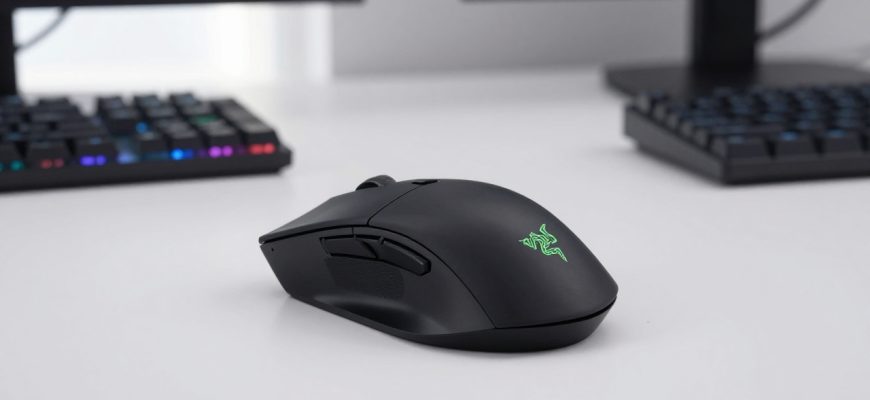
The most distinctive feature of the DeathAdder V3 HyperSpeed is its design. Weighing in at just 53 grams, it represents a significant reduction in heft compared to many gaming mice, contributing to reduced fatigue during extended sessions. The mouse maintains the right-handed ergonomic shape that has defined the DeathAdder line, but in a more compact form factor. This smaller size makes it suitable for a wide range of hand sizes, particularly those with medium to small hands who prefer palm or claw grips.
For users specifically seeking a compact ergonomic mouse from Razer, the V3 HyperSpeed stands alone. Its dimensions fill a gap in the manufacturer’s lineup, offering an option that balances the comfort of an ergonomic design with the agility of a lighter, smaller device. The build quality feels solid despite the weight reduction, with no noticeable flex or creaking during normal use.
Performance and Hardware: Where Compromises Emerge
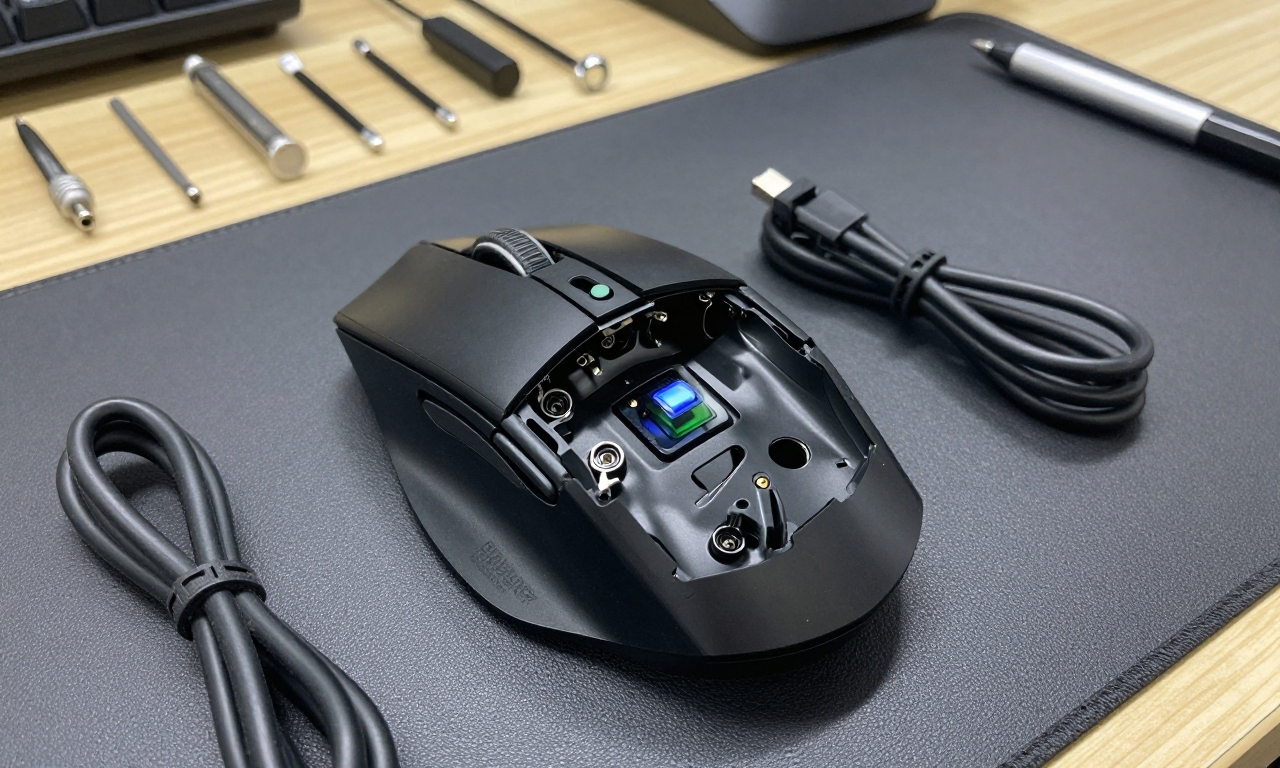
While the exterior design impresses, internal specifications reveal where Razer has made cuts to reach the $99 price point. The mouse is equipped with Razer’s Focus X optical sensor, which delivers solid tracking performance with up to 30,000 DPI. However, it lacks Motion Sync technology, a feature found in higher-end Razer models that synchronizes sensor data with the polling rate for potentially smoother tracking. For most users, this omission may not be noticeable during everyday gaming, but competitive players might detect the difference in precision scenarios.
Switch and Connectivity Considerations
The DeathAdder V3 HyperSpeed utilizes Razer’s third-generation optical switches. These switches offer fast actuation and are theoretically more durable than mechanical alternatives due to their lack of physical contact points. However, some users report that they feel less tactile than traditional mechanical switches, providing a different feedback experience that may not appeal to everyone accustomed to more pronounced click sensations.
Wireless performance via HyperSpeed technology is generally reliable with minimal latency, comparable to wired connections in practical use. The included charging cable, however, represents another compromise: it’s a basic rubberized cable rather than Razer’s premium SpeedFlex cable found on more expensive models. While functional, it doesn’t offer the same flexibility or reduced drag during temporary wired use.
Competitive Landscape: Strong Alternatives at Similar Price Points
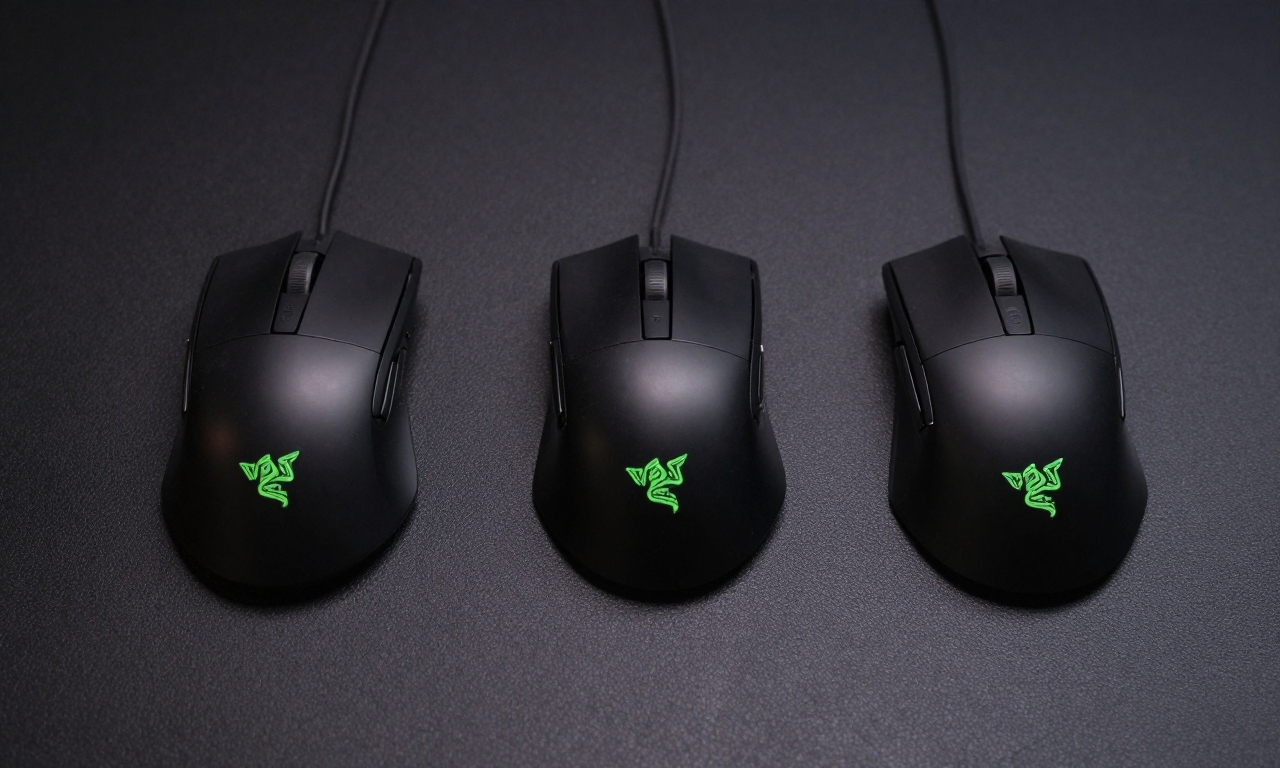
The value proposition of the DeathAdder V3 HyperSpeed becomes particularly challenging when examined alongside alternatives from Razer’s own lineup and competitors. Two notable comparisons highlight the mouse’s positioning difficulties.
Razer Viper V3 HyperSpeed: Superior Internals, Lower Price
The Razer Viper V3 HyperSpeed, often available at a slightly lower price point, offers what many consider superior internal specifications. It features a more advanced sensor with Motion Sync technology and generally receives higher marks for its overall performance package. For users not specifically committed to an ergonomic shape, the Viper represents a more technically capable option at a similar or reduced cost.
Razer Cobra HyperSpeed: Similar Specs with Added Features
At the same $99 price point, the Razer Cobra HyperSpeed provides comparable core specifications but includes additional features like RGB lighting, which the DeathAdder V3 HyperSpeed lacks entirely. For gamers who value aesthetic customization, the Cobra offers a more feature-complete package without sacrificing weight or wireless performance.
Beyond Razer’s ecosystem, numerous competitors from brands like Logitech, SteelSeries, and Glorious offer compelling alternatives in the $80-$120 range, many with more generous feature sets or lower prices for similar performance.
Target Audience and Niche Appeal
The DeathAdder V3 HyperSpeed ultimately serves a specific niche. Its primary appeal lies with gamers who:
- Prioritize a compact, ergonomic shape above all other features
- Have tried other shapes and found the DeathAdder form factor uniquely comfortable
- Value extreme lightweight design (53g) in an ergonomic mouse
- Are willing to accept sensor and feature compromises for this specific shape
For this narrow audience, the mouse delivers where it matters most: providing the DeathAdder comfort in a lighter, wireless package. The combination of ergonomics and weight reduction is genuinely compelling for those whose hands fit the shape perfectly.
Verdict: A Specialized Tool, Not a General Recommendation
The Razer DeathAdder V3 HyperSpeed presents a paradox. It executes its core premise-a lightweight, wireless DeathAdder-competently, but surrounds that premise with enough compromises to limit its broad appeal. At $99, it asks users to accept a sensor without Motion Sync, switches that may feel less tactile to some, and a basic charging cable, while competitors offer more complete packages at similar prices.
For the majority of gamers shopping in the sub-$100 wireless mouse category, alternatives like the Viper V3 HyperSpeed or Cobra HyperSpeed (within Razer’s lineup) or options from other brands likely represent better overall value. However, for that specific user who has tried numerous mice and keeps returning to the DeathAdder shape, and who specifically wants that shape in a lightweight wireless form, the V3 HyperSpeed fills a unique void. It’s not the best mid-range gaming mouse generally, but it might be the best mid-range gaming mouse for a particular type of user with very specific ergonomic needs.
As the gaming peripheral market continues to segment, the DeathAdder V3 HyperSpeed exemplifies how products can succeed by serving narrow needs exceptionally well, even while making concessions that would be deal-breakers for broader audiences. Your decision ultimately hinges on how much you value its specific ergonomic proposition versus the more complete packages available elsewhere at this price point.