Follow us on Facebook
Breaking updates in your feed — tap to open
Over the past few years, the quality of audio in smartphones has no longer been a secondary feature that most users disregard but a major factor. The need to experience high-quality sound has been increasing exponentially as mobile devices have become our primary entertainment tools. The shift is indicative of a larger movement in which consumers have become aware that visual fidelity is not sufficient to provide full immersion. The history of audio technology in smartphones is one of the most important in the history of mobile computing, attempting to fit the convenience and high-fidelity reproduction.
- Smartphone Audio Technology Development
- Wireless Audio Revolution
- Wired Audio Evolution
- Operational Budgeting Recommendations
- Midrange Models
- Smartphone Flagships
- How to ensure best sound on your mobile phone
- Accessory Synergy
- Future Innovations
- Finding a balance between Convenience and Quality
- Wired Audio Usage
Smartphone Audio Technology Development
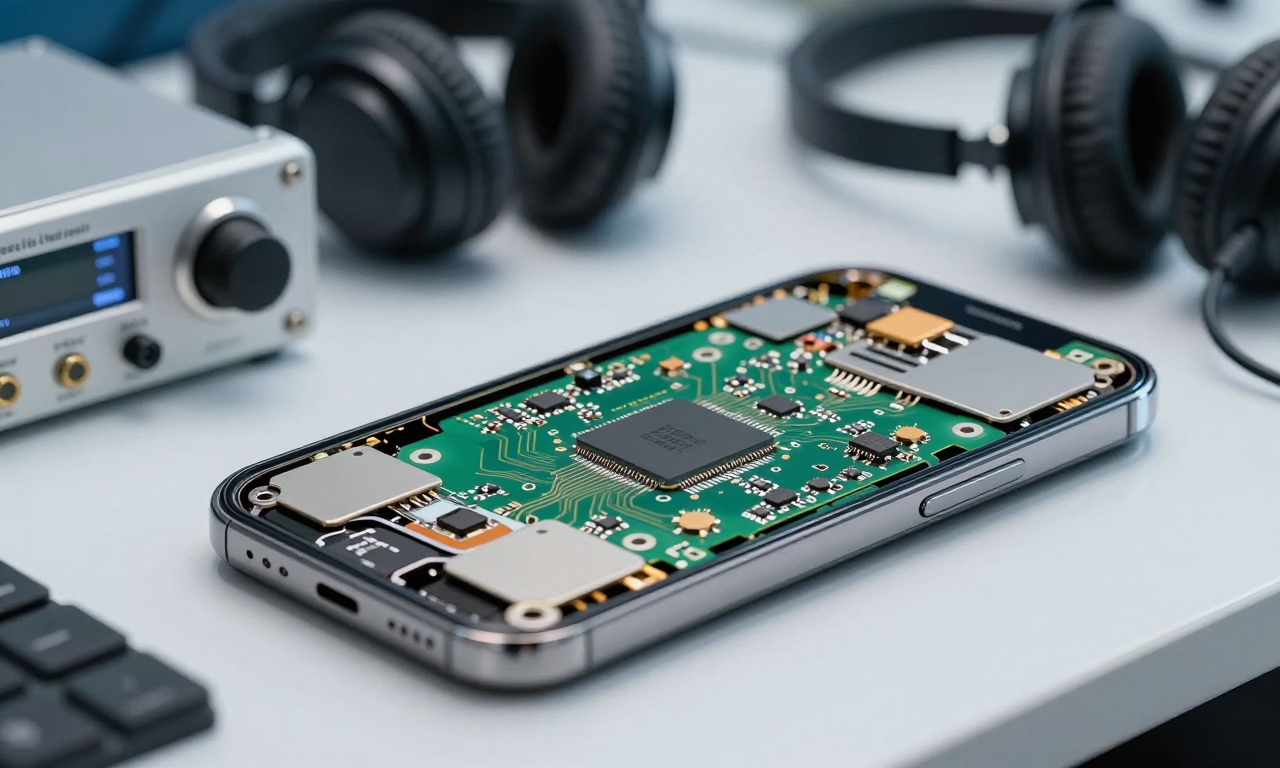
The initial smart phones had simple audio features that were more functional than sonorous. Modern equipment uses advanced digital-to-analog converters (DACs) which significantly enhance the reproduction of sound. These elements convert digital audio files into analog signals that can be heard by headphones, quality of which greatly depends on the manufacturers. Even flagship smartphones of such companies as Apple and Samsung include sophisticated audio processing chips, competing with specific music players only a few years ago. This technological advancement has helped in making high quality audio available without having to use extra equipments.
Wireless Audio Revolution
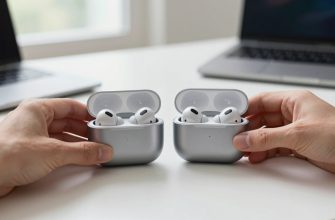
The development of the fancier codecs that reduce quality loss when passing through wireless transmission has seen Bluetooth audio also go through its own revolution. Whereas basic functionality is offered by standard SBC codecs, technologies such as aptX, LDAC and Apple AAC provide significantly more performance. It is especially evident when playing high-resolution audio files or listening to lossless music streaming services. These enhancements have been immense to wireless earbuds and headphones, and products such as AirPods and Galaxy Buds produce sound so well that they can rival their wired counterparts.
Wired Audio Evolution
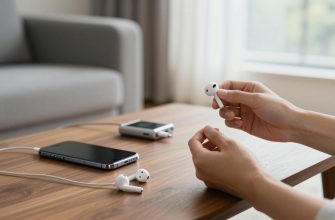
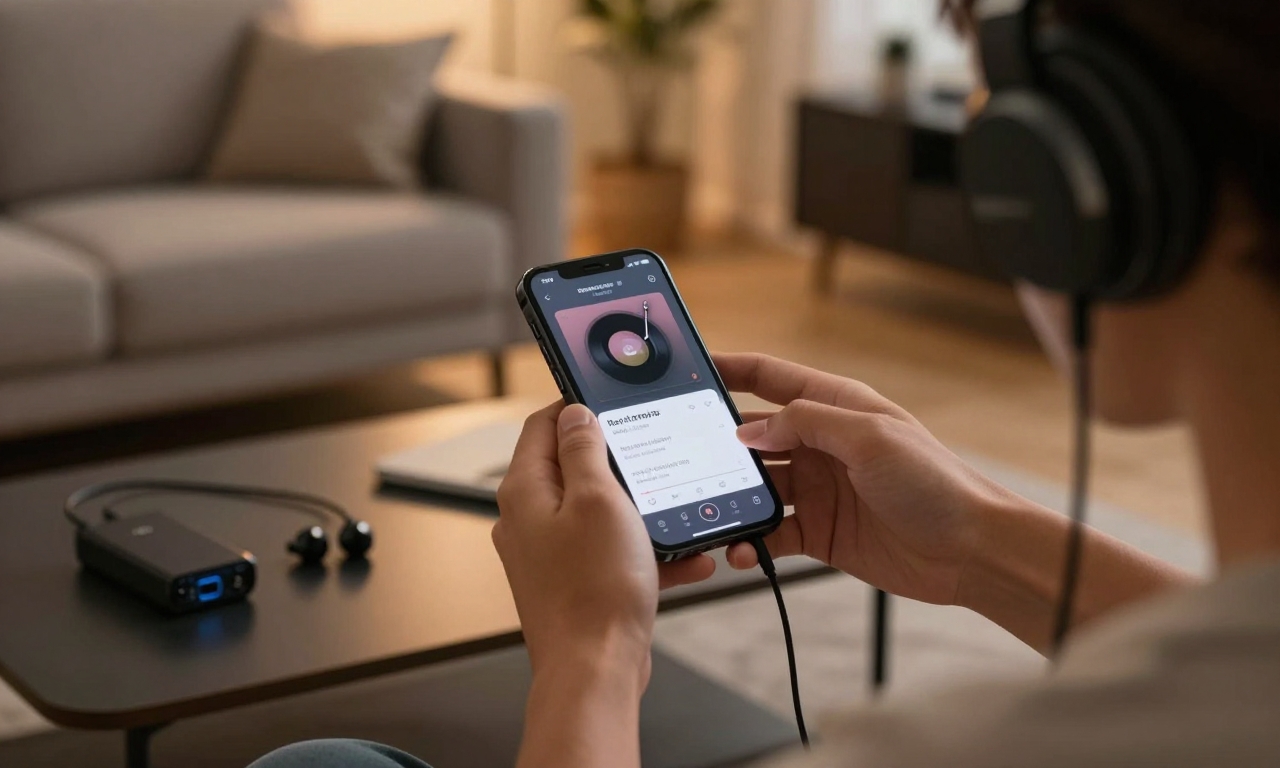
Wired audio remains the cleanest route between device and ears but has radically been altered in implementation. The elimination of the headphone jack in most of the recent smartphones at first felt like a blow to the listeners. Nevertheless, this move has led to the innovation of USB-C and Lightning audio adapters that frequently have better DACs than in-phone units. To people who want the hidden-best sound quality there are portable DAC/amplifier configurations that will upgrade any smartphone to an advanced audio source. Such solutions are especially beneficial to the people, who have high-impedance headphones that consume more power than smartphones generally deliver.
Operational Budgeting Recommendations
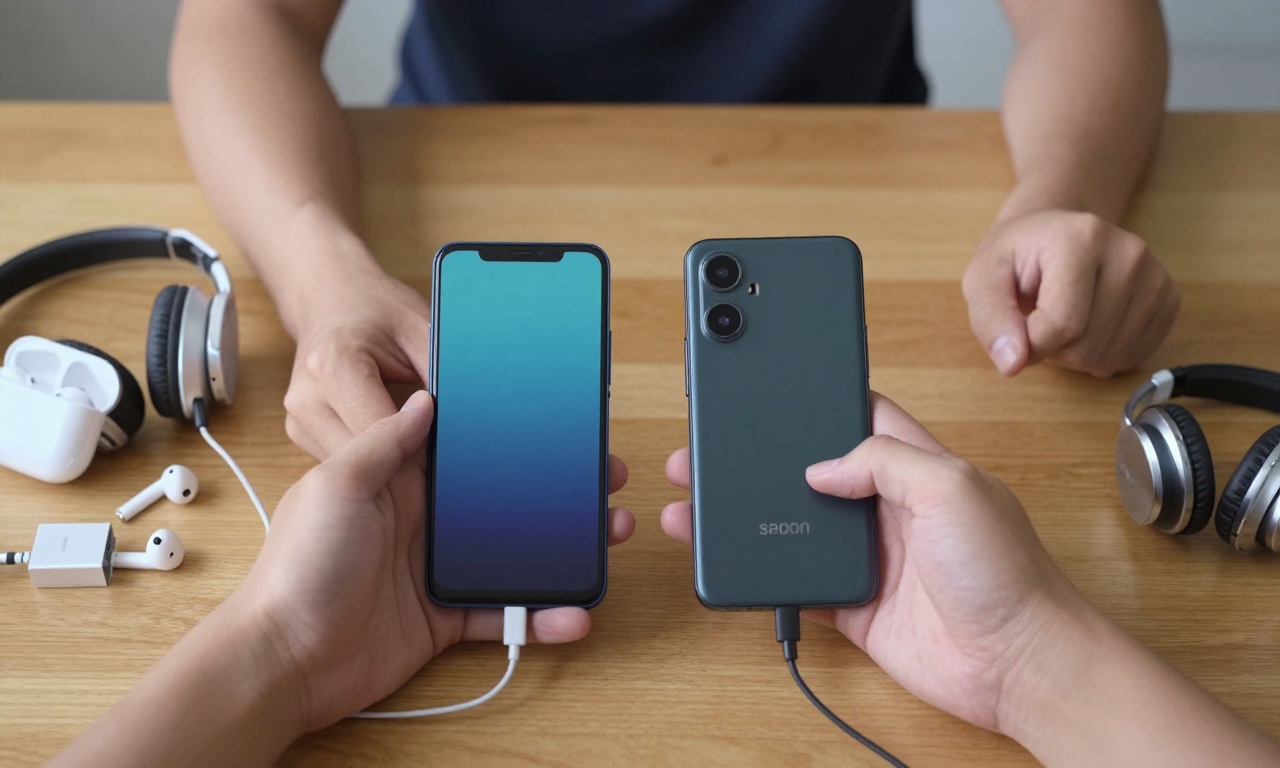
Budget conscious customers will be able to attain high-quality audio without emptying their wallets. The audio hardware on many midrange phones has become quite capable of surprising the flagship devices of only a few years before. Using these phones with highly rated low-cost earbuds can provide an enjoyable listening experience that satisfies the requirements of a majority of users. The trick here is to use devices that put more emphasis on audio components as opposed to pursuing certain specification that do not necessarily translate into good sound. A number of manufacturers have identified this market niche and they have now begun producing phones that are specifically geared towards audio performance at affordable prices.
Midrange Models
Midrange models are the compromise between many users, balanced cost and huge audio improvements can be seen in midrange models. They generally have more appropriate DACs compared to lower-end models, as well as extended capabilities such as more complex Bluetooth codecs. In choosing a midrange smartphone to use in audio, be mindful of whether it has codec support of your favorite wireless headphones. Certain manufacturers specialize in optimizing their devices to particular codecs, which is creating synergies to perform better than specifications may indicate on their own. This level also has increased use of audio enhancement capabilities that may adjust audio to various genres or listening conditions.
Smartphone Flagships
Smartphone flagships are the highest end of mobile audio, with parts and audio tuning that reaches dedicated audio equipment. The recent iPhone and Galaxy devices possess advanced audio processing technology, which is able to adjust to various headphones and types of content. These premium phones usually include the most advanced codec support, meaning that they should be compatible with any wireless audio product. They are also more powerful and can thus drive heavier headphones without the need of external amplification. To audiophiles desiring the best possible mobile sound experience, flagship devices offer concrete features that would warrant high prices.
How to ensure best sound on your mobile phone
Other than the choice of hardware, there are other software options that can greatly improve the audio of a smartphone. Lossless and high-resolution levels (which are lossless and have greater detail than standard compressed formats) are now available in music streaming services. When these services are combined with compatible hardware, the audio experience that most listeners have never had on mobile devices is unlocked. Moreover, sound signatures can be modified very precisely with equalizer apps to suit individual preferences or address the acoustics of a headphone. These digital additions would be able to convert good audio into outstanding experiences without the extra hardware investment.
Accessory Synergy
Accessory Trying equally relevant to optimal mobile audio. The combination of smartphone and headphones was found to be synergistic because the whole is greater than the sum of the parts. When considering some wireless earbuds or headphones, you want to consider not only their performance on their own but also how they will work with the particular device. There are manufacturers that make their products complementary to each other, as with Apple AirPods and iPhones or Samsung Galaxy Buds and Galaxy phones. The advantages of these ecosystems can provide greater consistency in performance than a mixture of products of various manufacturers.
Future Innovations
The audio future of smartphone is even more intelligent and integrated. New technologies such as spatial audio and customized sound profiles modulate music based on hearing factors and listening situations. These innovations have the potential to make quality audio more personal, and accessible, than ever previously. With ever-advanced computational audio processing, it is possible to anticipate smartphones narrowing the divide between them and purpose-built audio devices. This evolution will make sure that high-quality sound will continue being an aspect of the mobile experience and not a specialist issue.
Finding a balance between Convenience and Quality
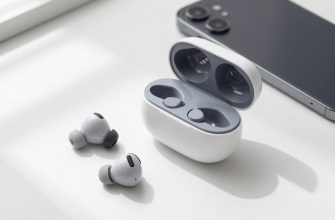
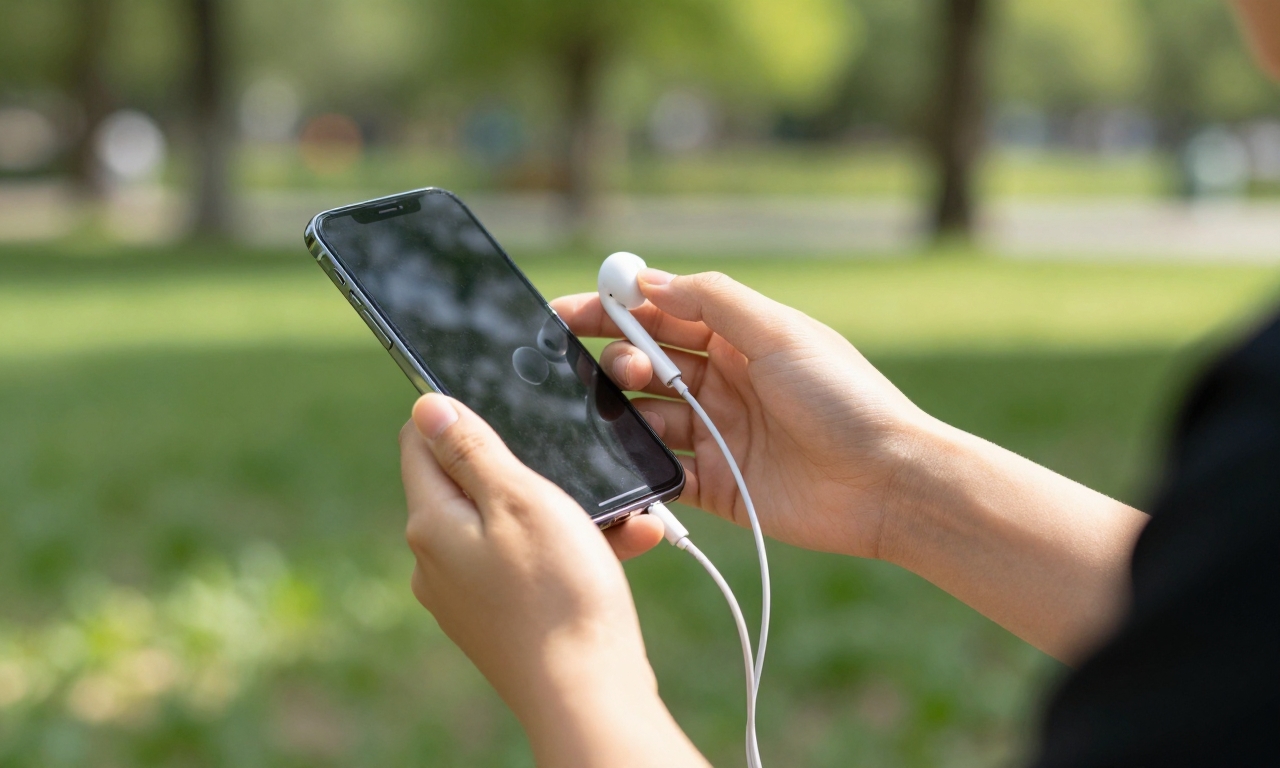
Having a convenient and at the same time quality experience is still the challenge of smartphone audio. Wireless solutions provide location freedom but used to have a lower fidelity than wired connections. Ventures made in the Bluetooth technology of late have reduced this gap significantly, as some codecs can now support bitrates near those of a wired connection. The ease of a real wireless earbud has transformed the way people listen to audio content on the move, enabling them to listen to high-quality audio during activities where cables would be inconvenient or unsafe.
Wired Audio Usage
Wired audio retains its usage especially in cases where quality is of paramount importance. Direct connections are still favored by recording professionals, critical listeners, and those with high-end headphones to remove compression artifacts and latency. Further evolution of USB-C audio adapters and portable DACs will give these users the chance to listen to their smart phones with reference quality sound. By using this dual-path strategy, consumers have an opportunity to select the appropriate tool in any given circumstance instead of compromising with all the use cases.
Finally, the revolution of smartphone sound has made the quality aural pleasure more democratic than ever. What used to cost thousands of dollars in special machinery now fits in our pockets along with the devices we carry with us every day. This marriage of convenience and quality is one of the biggest developments in consumer audio history. With the ever-growing popularity of technology, the separation between mobile and dedicated audio equipment will probably reduce further, making extraordinary sound a standard feature and not a high cost.