Follow us on Facebook
Breaking updates in your feed — tap to open
The Basics of Display Technology
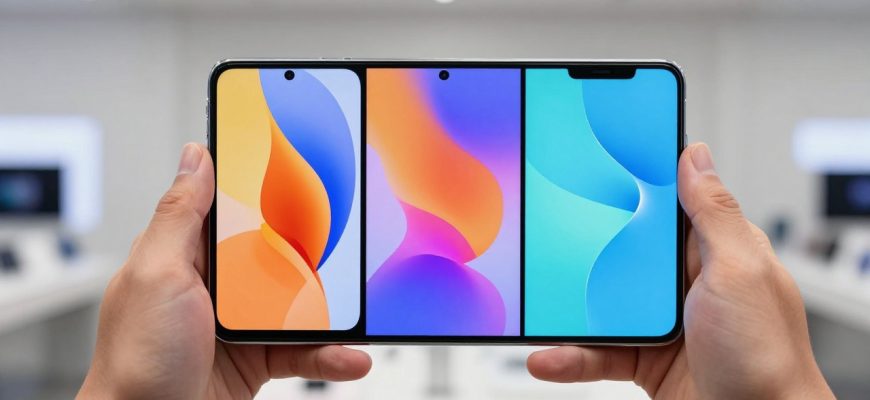
The state of display technology is ever-changing and dynamic with the rise of OLED, Mini-LED, and MicroLED providing their benefits to users of smartphones and tablets. With the prospect of 2026 fast approaching, the knowledge of these technologies will be the key to informed buying behavior. This comparison is used to look at the performance of each type of display under practical situations, taking into consideration the factors that are highly important to customers in various budgets and usage habits.
Since a few years, OLED screens have conquered the high end smartphone market with their self-emissive pixel technology that provides very high contrast ratios and true blacks. In reviews of flagship smartphones, OLED technologies are always praised with a high degree of colors and deep blacks which support not only productivity applications but also mobile games. Nevertheless, issues regarding burn-in and power usage have remained a point of worry, especially when off-the-shelf users have held on to their products over several years. The technology has become more mature and manufacturers have adopted more effective pixel-shifting algorithms and a more efficient organic material.
Mini-LED is an extension of the old LCD displays with LED-backlighting, where thousands of small LEDs define finer local dimming areas. This technology provides significantly brighter brightness than the standard LCDs, along with good color accuracy. During our tests of the different smartphone durability tests, Mini-LED has exhibited exceptional durability, and less worry over permanent image retention than OLED. The technology has also gained traction on the mid-range devices, providing an attractive performance-cost ratio that can attract low-end consumers.
MicroLED technology skillfully integrates the self-emissive and thus OLED merits with the durability and brightness prospects of inorganic LEDs. Initial uses in prototype machines have shown amazing brightnesses of over 3,000 nits and the ability to achieve black levels to perfection. The inorganic properties of the technology completely do away with burn-in issues, one of the most important limitations of OLED. Nevertheless, the barriers associated with its widespread use in consumer devices are still significant in terms of manufacturing difficulties and expenditures.
Regarding both color accuracy and viewing experience
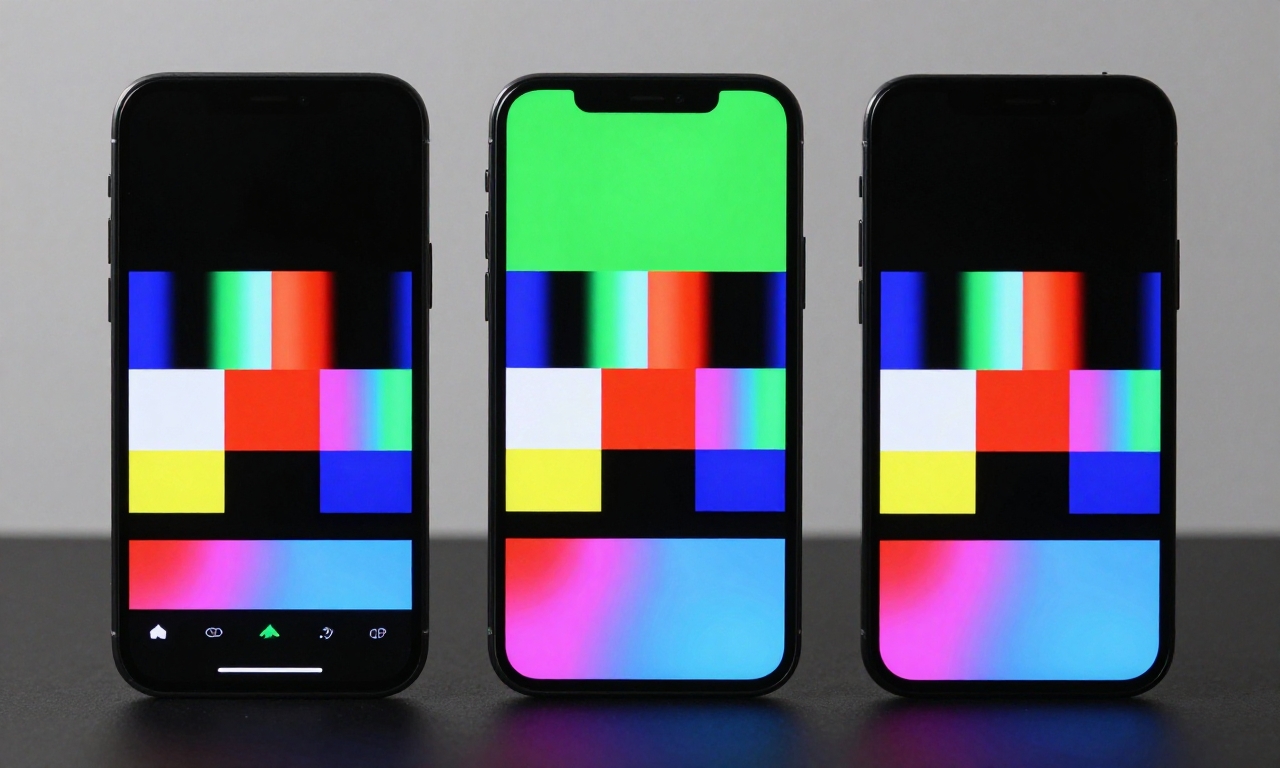
Good color reproduction is still high in OLED displays, especially in dark settings because their infinite contrast ratio produces immersive viewing things. Mini-LED displays have gone a long way in color accuracy and most of them are now equivalent in color in bright light to OLEDs. MicroLED has a promise of outperforming both technologies in the color volume and accuracy, but their current applications are confined to high-end prototypes and special applications.
Brightness and Power Consumption Analysis
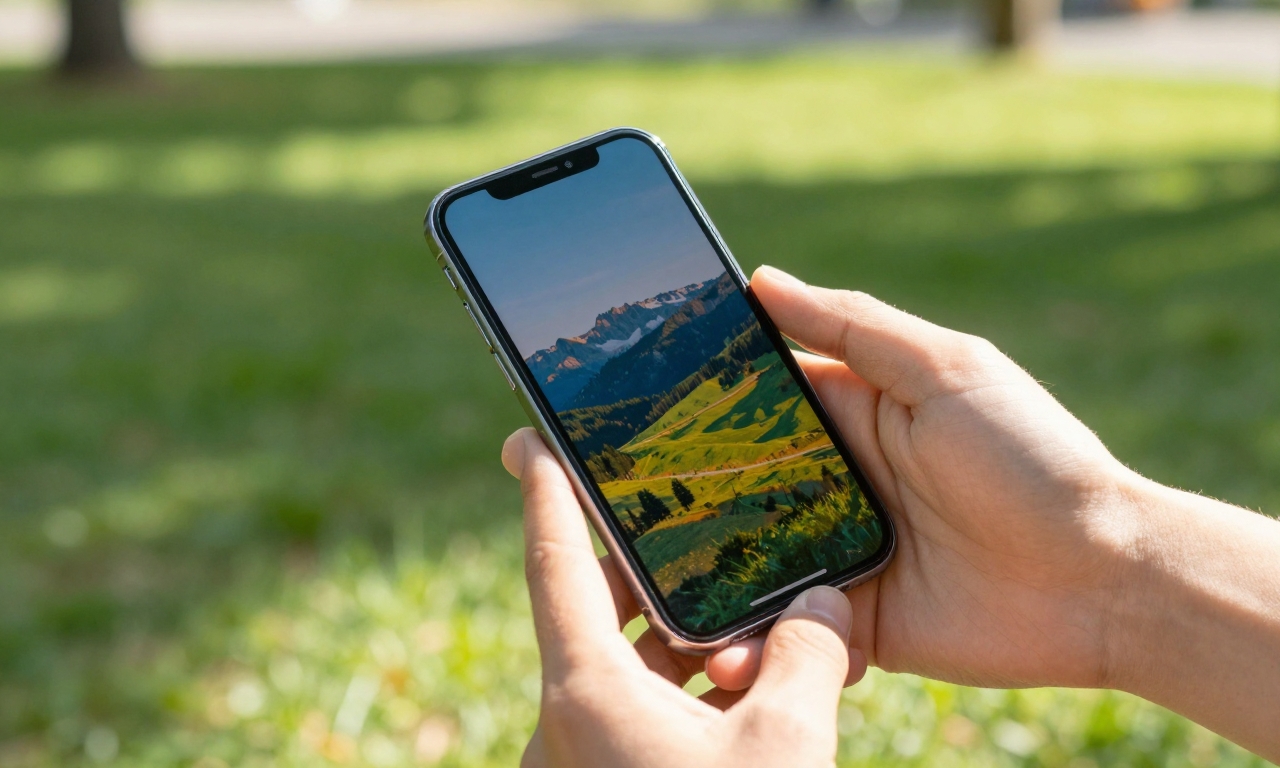
These technologies differ radically in their brightness performance, with significant consequences to the use of outdoor visibility and HDR content. Mini-LED is the best choice with highest peak brightness at present and it is preferred in users who tend to use their gadgets outside or in areas with high intensity. Display technologies OLED displays have been significantly enhanced in this regard, and more recent materials make it possible to reach brightness levels previously unimaginable only a few years ago. The practical potential brightness ceiling of MicroLED is much more ambitious than of either competing technology, and applications to mobile devices are still being developed.
One more important factor is the power consumption, which is of particular concern to users who need to focus on the battery life optimization. OLED displays tend to use less power when showing dark content because of their ability to switch individual pixels off. Nevertheless, they may lose their performance when using bright and colorful content. Mini-LED panels are now high-performance and have enhanced local dimming algorithms that reduce power consumption during dark scenes. The potential of MicroLED efficiency seems optimistic, but practical data will be offered only when the technology finds its way to the consumer products.
Durability and Longevity
These display technologies differ greatly in durability and longevity issues. OLED displays are still vulnerable to burn-in during long hold-up, but recent designs use pixel-shifting and brightness control to mitigate this much more. Mini-LED displays have by far the best long-term stability along with little to no image retention, so they are best used by people who have devices that last a few years. The fact that MicroLED is inorganic also means it should have an incredibly high lifespan, as there are no organic components to break down over time, although the quality of production will eventually define how reliable it is in practice.
Value Evaluation Across Prices
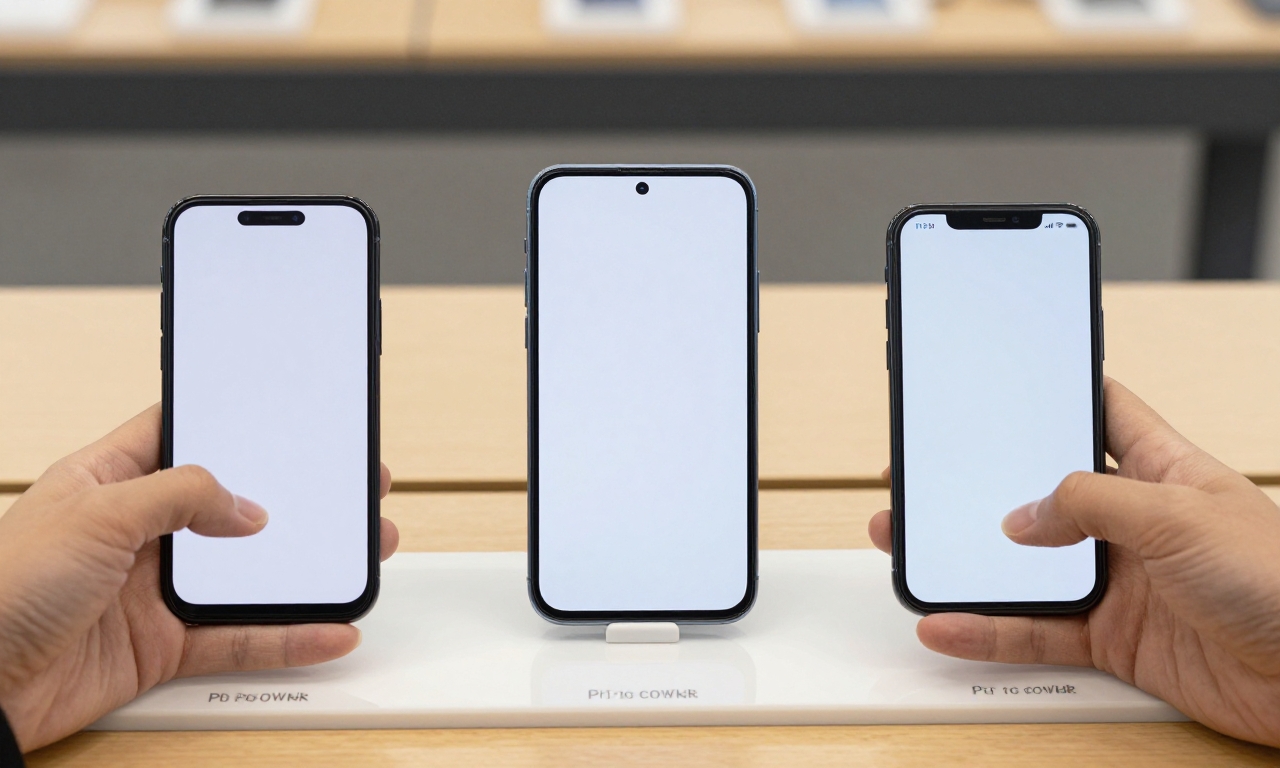
With Mini-LED, the value proposal is now the most persuasive in the middle-price category. The technology provides high-quality performance at affordable prices, especially those customers who focus on brightness and longevity. OLED still reigns in the high-end sector where people and professionals find the extra contrast and color reproduction worth the higher expense. It is not clear how MicroLED will find its ultimate place in the market but initial signs reveal that it will first seek the ultra-premium market and then trickle down to more affordable devices.
By 2026 and Practical Considerations
By 2026, both display technologies are expected to have a specific niche in the market, depending on the needs of a particular user and the available budget. OLED will keep developing in the sphere of increased efficiency and durability, remaining a powerful leader in flagship. Mini-LED will continue to gain more into mainstream markets as the cost of manufacturing goes down and performance increases. The most promising long-term technology is microLED, but the processes of implementing it in consumer smartphones and tablets are likely to be applied long after our 2026 frame of reference. The final winner will solely rest on personal requirements in terms of image quality, durability, power efficiency, and budgets.
The practical considerations are not limited to technical specifications but rather to actual patterns of use. To users who spend the majority of their time in dark settings, OLEDs perfect blacks and unlimited contrast cannot be matched. Users who often work outside or in sunny offices will like the high brightness displayed by Mini-LED. Gamers and multimedia enthusiasts need not overlook the refresh rate advantages and display technology because high refresh rates can greatly improve the viewing experience independent of the display panel technology.
In their buying considerations consumers ought to focus on their unique needs and not on the new technology just because it is the most recent. Think about the daily habits of using your device, where you watch it, and how many years you are willing to use the device before recycling. These display technologies come with their own set of strengths which fit into various usage patterns and priorities. The most convenient performance does not always mean the highest tech option but the one that fits your personal needs and financial capabilities in the changing environment of mobile display innovation.
| Feature | What it enables | Best for | Notes / limits |
|---|---|---|---|
| OLED | High contrast, true blacks, good color in dark settings | High-end users, dark environments | Burn-in concerns, higher cost |
| Mini-LED | High brightness, durability, good color accuracy | Mid-range users, outdoor use | Less burn-in, affordable |
| MicroLED | High brightness, no burn-in, long lifespan | Future premium market | Manufacturing challenges, high cost |