Follow us on Facebook
Breaking updates in your feed — tap to open
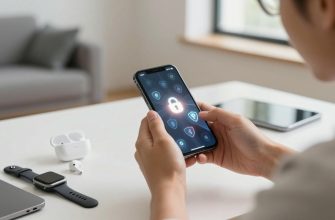
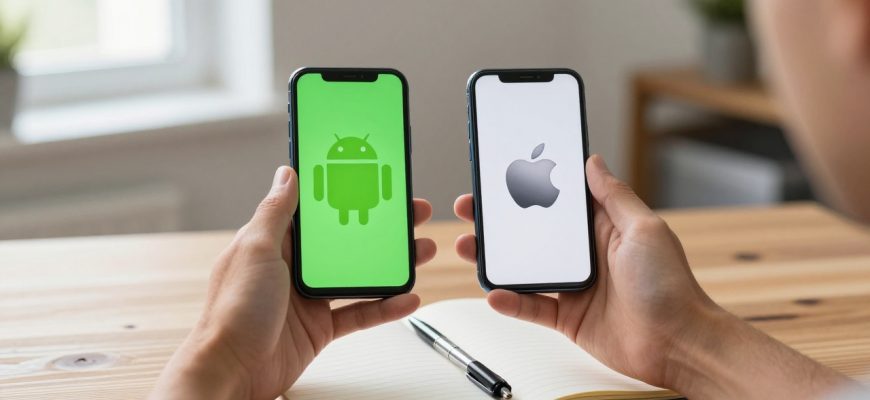
The privacy of mobile users is changing very fast as we further advance into the year 2026. Android and iOS ecosystems have both made some major changes to their privacy structures, yet the core differences of their way of doing so still shine through. These differences are very important to anyone who cares about the way his or her personal information is acquired, stored and used various platforms. The analysis presented below looks at the level of privacy settings found on all of these systems, giving a clue on which of the two ecosystems provides a higher level of privacy to your needs and usage behavior.
- App Tracking Transparency and Data Collection Policies
- Security Updates
- Practical Privacy Features
- User Control and Ecosystem Lock-In
- Data Collection Policies and Transparency
- General Privacy Tips
- Privacy Developments and Considerations of the Future
- Choosing Between Android and iOS
- Industry Trends and Regulatory Impact
- Conclusion
App Tracking Transparency and Data Collection Policies
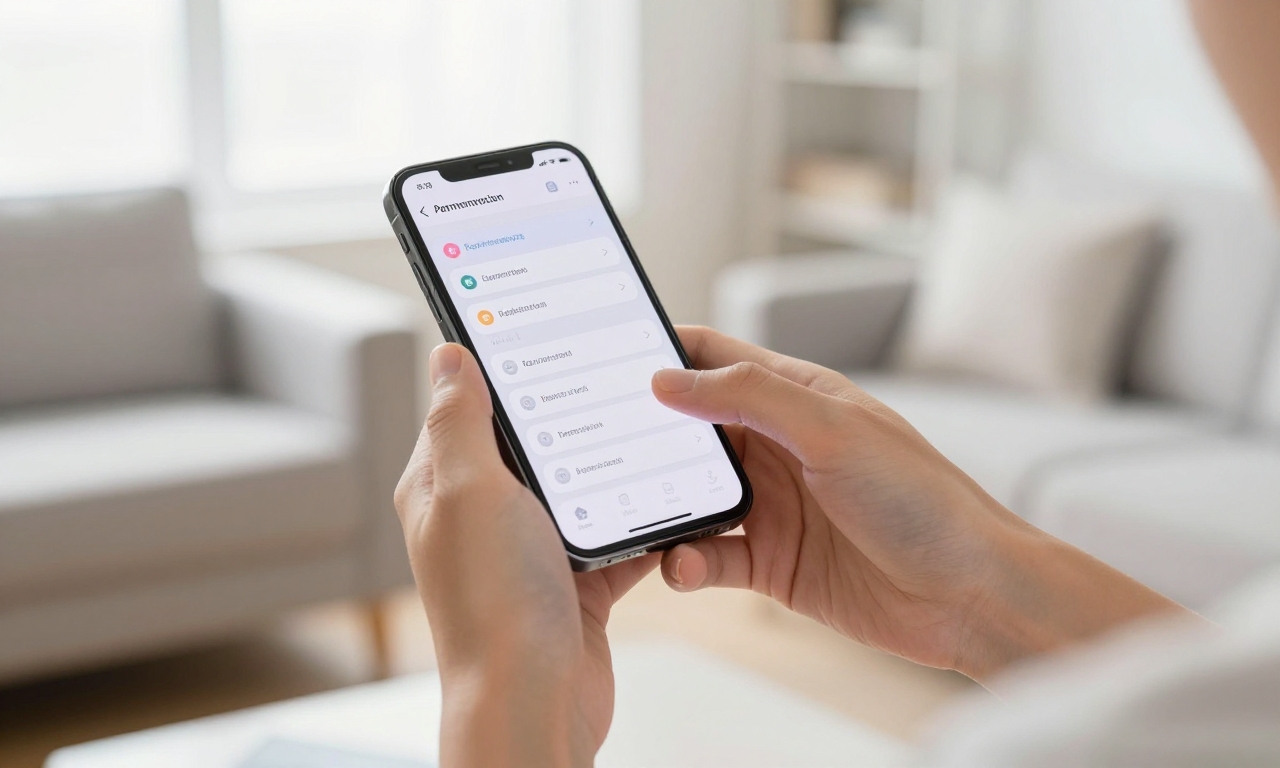
The App Tracking Transparency platform introduced by Apple years prior has developed into a full-fledged framework where the user is given a detailed scope of control over the types of apps that can monitor their activity in the apps and web pages of other companies. This system is now elaborate in 2026 with more explanations of what tracking is, in more understandable words to use regarding data sharing practices. An alternative approach of Android has also changed a lot through greater permission settings and disclosures of data collection information. The Privacy Sandbox project by Google has changed the advertising mechanism in Android devices, as it is no longer individual based on tracking but more of an aggregation that is privacy friendly. Both of these ecosystems now need applications to indicate their data collection practices in advance, but the mechanism to implement and enforce those is quite different across platforms.
Security Updates
Security updates are another important factor to mobile privacy, and in this case, the ecosystems are visibly different because iOS can be updated with security patches that cover nearly all the devices to support at the same time due to the vertical integration of Apple. This is because this centralized update system is used to counter any key vulnerabilities rapidly over the iPhone and iPad user base. The lack of cooperation between Android and other companies makes the situation more complicated, as Google Pixel phones get updates in real-time, and other producers have their timetable. This is however improving in 2026 with more manufacturers making deeper commitments in terms of length of support and pace of security patch releases. With the implementation of Project Mainline, Google has gotten the ability to offer essential security patches using the Play Store bypassing part of the delays typical of the same.
Practical Privacy Features
To maximize their privacy in a practical sense, users of the iPhone platform will need to be familiar with the privacy options provided by every platform. iOS users have access to such features as Mail Privacy Protection, ensuring that the sender of the email is not aware of whether it has been read, and iCloud Private Relay, a tool that masks the user browsing history to the network provider. The Lockdown Mode provides radical security to users who have specific threats. The specific advantages of Android users include such functionality as the Privacy Dashboard that gives users an excellent look at what applications visited sensitive permissions, as well as the option of one-time privacy settings regarding access to the location, microphone, and camera. The two sites have since evolved to have more complex permission control that enables one to grant temporary access or have apps that inquires every time a user requires sensitive information.
User Control and Ecosystem Lock-In
Ecosystem lock-in will be one of the most important factors influencing privacy options in 2026: Apple has a well-integrated ecosystem that provides the same privacy controls backed across devices but complicates the transition to Android because of the difficulties of data transfer and access to applications. The Android system offers a faster development of the ecosystem that is more open; however, it can lead to inconsistent privacy enforcement in various devices produced by different manufacturers. This lock-in effect impacts on how users make decisions on privacy from where most of them tend to be keen on deciding on convenience rather than optimum privacy parameters. The ecosystem generated by the investment in apps, services, and accessories generates inertia to keep users in their preferred ecosystem and it may restrict the potential of users to select the platform with the privacy principles that best meet their needs.
Data Collection Policies and Transparency
Collection of data policies has been made more transparent on both sites, but their philosophy remains different. To position the company as a privacy-first company, Apple highlights that a significant portion of processing occurs within the device instead of the cloud. With their different forms of privacy they are able to perform useful analytics but have the ability to protect individual user data in theory. In its approach, Google recognizes that the data collection can afford a vast number of free services and give the user greater control on which information should be gathered and how it is used. Both the companies have increased their privacy nutrition labels and sections on data safety in 2026, providing more knowledge to the user on what will occur to his or her information. Nevertheless, these policies continue to be affected by the business models of each ecosystem.
General Privacy Tips
To users who just want to have their full privacy no matter what platform is used, a number of general tips have been proven successful.
- Checking the permissions on the apps is still imperative and many apps ask to gain more permissions than they actually require to run.
- The platform-level protection can be supplemented by using privacy-oriented browsers and search engines, whereas VPNs will provide an extra layer of protection to network traffic.
- Both Android and iOS are currently equipped with a more advanced password managers or two-factor authentication which make the accounts more secure.
- Another pertinent factor to consider is the privacy of data of cloud environments versus the storage is of the facility, especially in the case of sensitive documents and messages.
Privacy Developments and Considerations of the Future
In the future, there are a number of new technologies that are seen to transform mobile privacy in the next couple of years.
- The artificial intelligence processing on-device is also developing, so it may lead to less sensitive data transmitted to cloud servers to be analyzed. Both Apple and Google are putting major investments on the same, but they have different implementation strategies.
- Privacy advantages of machine learning Federated learning procedures, where algorithms are trained using a combination of devices without aggregating raw data, are a promising improvement to privacy in machine learning.
- The addition of encrypted text messages and secure storage services offer users with additional means to ensure that the confidentiality of their communications and files is not violated.
Choosing Between Android and iOS
Whichever is the best between Android and iOS in terms of privacy might always depend on the personal priorities and the levels of technical convenience as iOS comes with a more full-time controlled setting and better default privacy settings that guard less technical poseurs in favor of their systems. Android also has more customizations that allow consumers who would take time to adjust their privacy settings in various applications and services. Both sites have gone far in 2026, filling past loopholes in their privacy deals yet retaining their own unique philosophical perspectives. To most users, it may not be such important that there is a practical difference, but it is important to develop good privacy habits and frequently check their settings.
Industry Trends and Regulatory Impact
The privacy features evolution has been indicative of the general shifts in the use of technology organizations treat user information and the rights to it. Privacy improvements to both ecosystems have been expedited by regulatory forces of different jurisdictions, although not all localities are the same. With a growing level of awareness of consumers about data collection practices, the manufacturers are becoming more and more pressured to put privacy as a competitive advantage but not an after-thought. This is a positive move of all users, who can use any platform they want, as it increases the privacy minimum throughout the industry. The current trend of privacy-saving advertising technology indicates that the conflict between customized services and privacy of users will keep on influencing the ecosystems in the coming years.

Conclusion
After all, the issue whether a certain ecosystems are more protective of the users in 2026 does not have only one specific answer. Android and iOS have gone a long way in improving user privacy, although there are differences in their philosophies regarding the collection of data and the obfusced control given to users, Android offers more user control in its more complex settings. The most appropriate option would be determined by needs, technical knowledge, and the readiness to use the privacy options on a regular basis. No matter the choice of platform, it is important to remember about privacy settings and keep up with the changes so as to preserve personal data in our ever more globalized society.