Follow us on Facebook
Breaking updates in your feed — tap to open
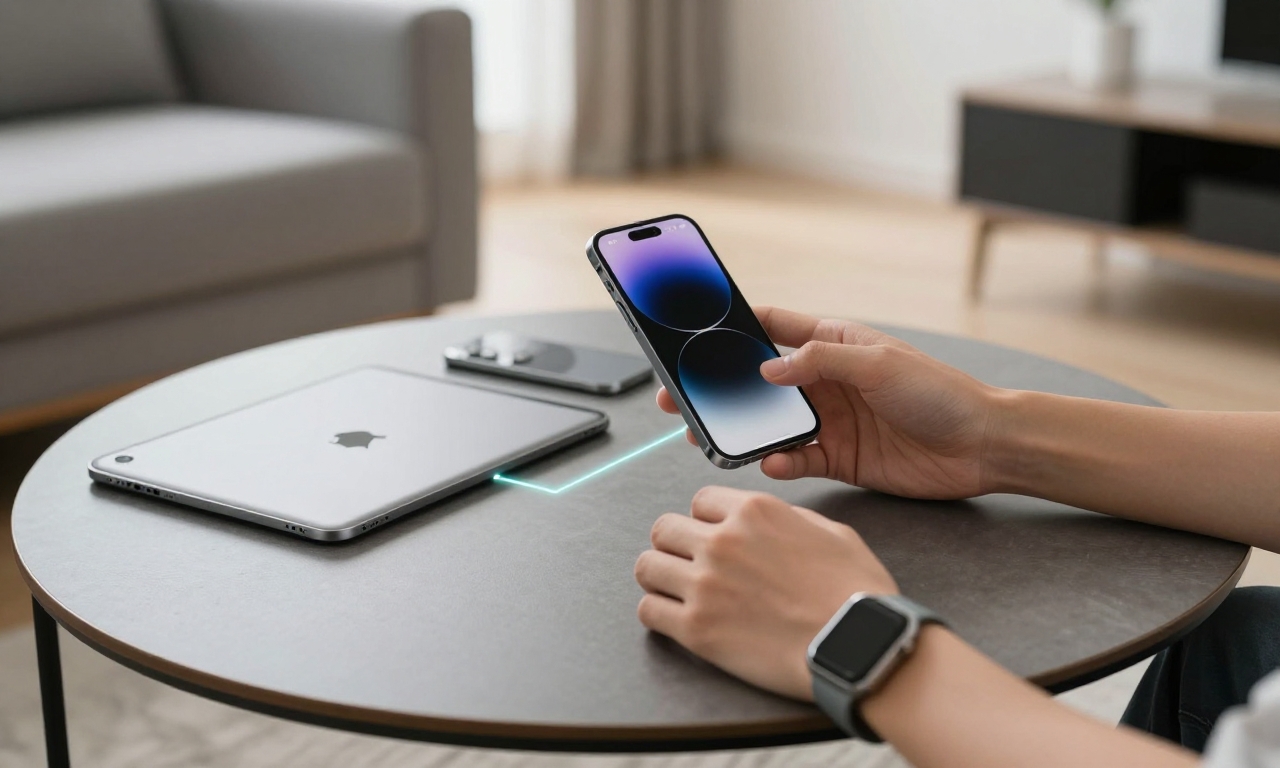
- Comparing a walled garden system by Apple to an open ecosystem by Android
- First mover advantage and Ecosystem Lock-In
- The Unseen Price of Accessories and Compatibility
- Digital Investments and Subscription Services
- Cycles of Upgrade and Resale Value
- Tablets and Wearable combination Costs
- Total Cost of ownership in 3-5 Years
- Our Financing Guide: How to Make the Right Choice
Comparing a walled garden system by Apple to an open ecosystem by Android
Comparing a walled garden system by Apple to an open ecosystem by Android, the majority of consumers pay attention to the initial costs of the devices. The financial effect is however seen in the few years of ownership which can be influenced by the compatibility of accessories, subscriptions, trade-in values and upgrade cycle. The present analysis will determine the total costs of ownership comparing smart phones, tablets and wearables after 3-5 years and determine which platform will truly save in the long-run.
First mover advantage and Ecosystem Lock-In
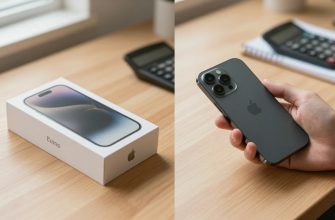
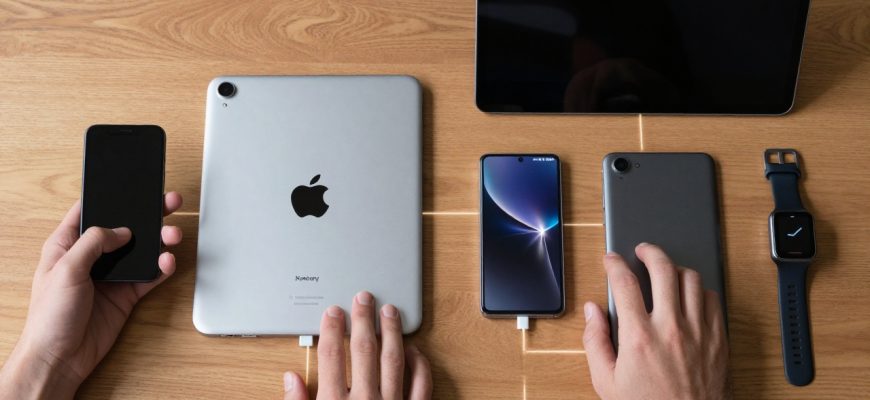
Apple ecosystem is founded on the high price of flagship smartphones, such as the iPhone, but the financial investment goes deeper through the complementary products. An iPhone customer will think about an iPad to satisfy his tablet requirements, an Apple Watch to wear, and AirPods to listen to music. Although both products are outstanding in their own capacities, their brilliance comes into reality when their integration is smooth. This integration brings about convenience but in addition, it forms what analysts refer to as such a soft lock-in, which is the growing cost and inconvenience of altering platforms, once one has spent money on several Apple products.
Android is a dramatically different environment in terms of economics. The competition of flagship smartphones in Samsung, Google Pixel, and OnePlus is directly competing with iPhones, but the open ecosystem offers unrivaled selection, regardless of price. You can make a combination of a high-end Galaxy smart phone with a low-end Xiaomi tablet, a Garmin wearable other than a smartwatch, and third party earbuds with superior noise-cancelling deals. This enables its adaptation to specific spending needs depending on actual needs, as opposed to the need of an ecosystem.
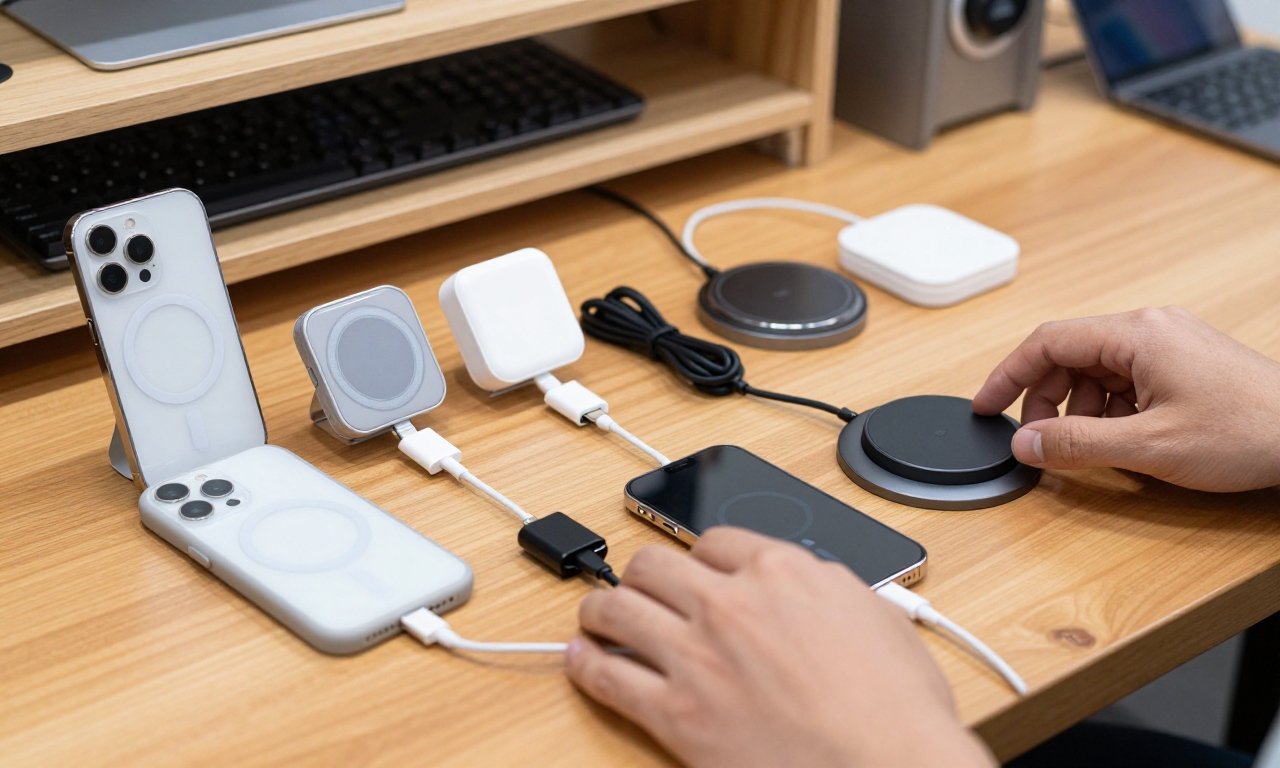
The Unseen Price of Accessories and Compatibility
In addition to the cost of devices, the compatibility of accessories is also a high long-term cost. The MagSafe ecosystem offered by Apple is innovative but forms an addiction to proprietary components which in most cases are sold at higher rates. iPhones and AirPod-specific wireless chargers, cases, and car mounts are generally priced higher compared to general ones. Recent updates to the usage of USB-C in all Apple products enhance compatibility, although some currently used accessories are based on Lightning infrastructure, posing transition costs to users.
Android universal standards tend to minimize the cost of accessories in the long run. USB-C is currently present in almost all smartphones, tablets, and even a few wearables, which implies that chargers, cables, and power banks can be used among various types of devices and brands. Wireless charging is initiated to Qi standards and not proprietary implementations and offers third-party options that are lower in cost. The Bluetooth connectivity standards have enabled the headphones, speakers, and other peripherals to be compatible with the Android devices regardless of the manufacturer.
Digital Investments and Subscription Services
Subscriptions of a month and a year constitute a significant part of the ecosystem costs in the long term. Apple users tend to subscribe to iCloud+ as a storage, Apple Music audio, Apple Tv+ video and Apple Fitness+ wellness. Individual booking might be perceived as quite affordable, but it is a huge sum in terms of collective costs within 3-5 years. Family Sharing assists in sharing of expenses, whereas the ecosystem promotes the use of Apple first party services to achieve optimal integration.
Android has an open model that offers increased flexibility of the services. Google services, which are similar to Apple services, have Google One and YouTube Music along with YouTube Premium, directly compete with the Apple services, though people also can use Spotify in place of Apple Music, Netflix in place of Apple TV+, and dropbox in place of iCloud. Positive outcome of this competition is in the form of improved pricing and offers. Moreover, most Android producers also offer their device buyers extended cloud storage or service plans, which lower the subscription requirements.
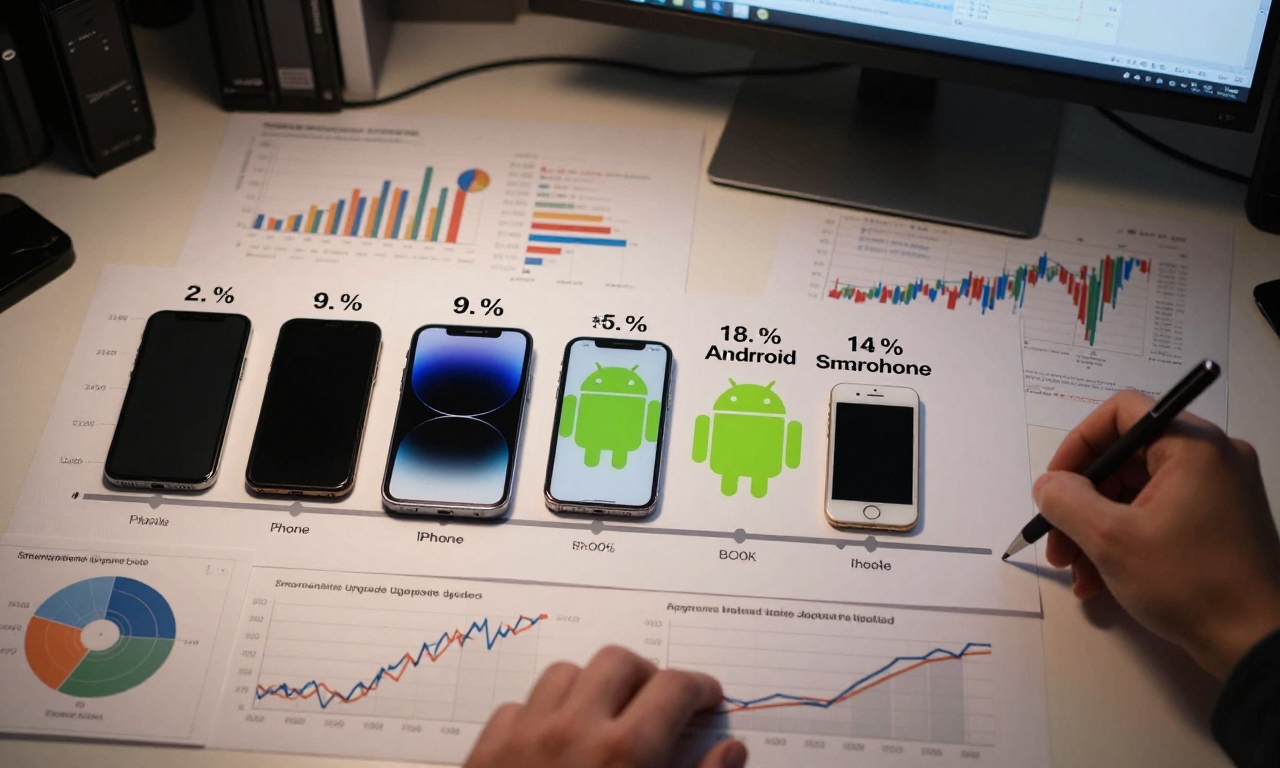
Cycles of Upgrade and Resale Value
The patterns of updates to the devices are contributing greatly to the long-term costs. The company can have clear strategy of upgrading iPhones since there is predictable performance of the annual releases and their high resale values mean that two years down the line an iPhone will still have 50-60% of its value and therefore trade-ins will prove economically viable. This gradual decrease, and the long-term warranty of software compatibility (5-7 years) offered by Apple to iPhones, enables users to update software less often without losing security or performance.
Economics of Android upgrades differ greatly across manufacturers. The Galaxy flagships of Samsung do not lose significant resale, but, in general, 10-20% less than similar iPhones. Google Pixel brands are in the middle range, whereas budget brands such as Motorola and Xiaomi lose value much faster. The time span of the software supports is also different in that most of the Android companies offer 3-4 years of significant software upgrades compared to the longer duration offered by Apple. This fluctuation needs further tactical upgrade planning to help in preserving value.
Tablets and Wearable combination Costs
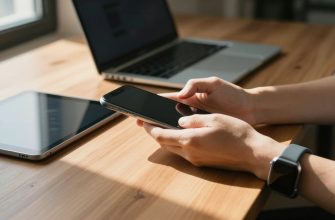
Smartphones are not the only financial implications but also tablets and wearable. Another huge investment is the iPad series of Apple products that are very useful in terms of productivity and creative work. The Apple Pencil and Magic Keyboard are also expensive accessories but they will make the iPad an actual laptop replacement to a wide range of users. The functionality of Apple Watch is flawlessly combined with the iPhone but introduces another expensive piece of hardware to the system.
Android wearables and tablets have a wider range of economics. Samsung Galaxy Tab brand offers potent competition to iPad at the same price range, whereas such brands as Xiaomi and Lenovo offer solid budget options. Wearables vary between expensive Samsung Galaxy Watch to cheap Fitbit watch, all of which work with Android smartphones. This flexibility enables users to invest in exact places they require functionality instead of ecosystem equivalency.
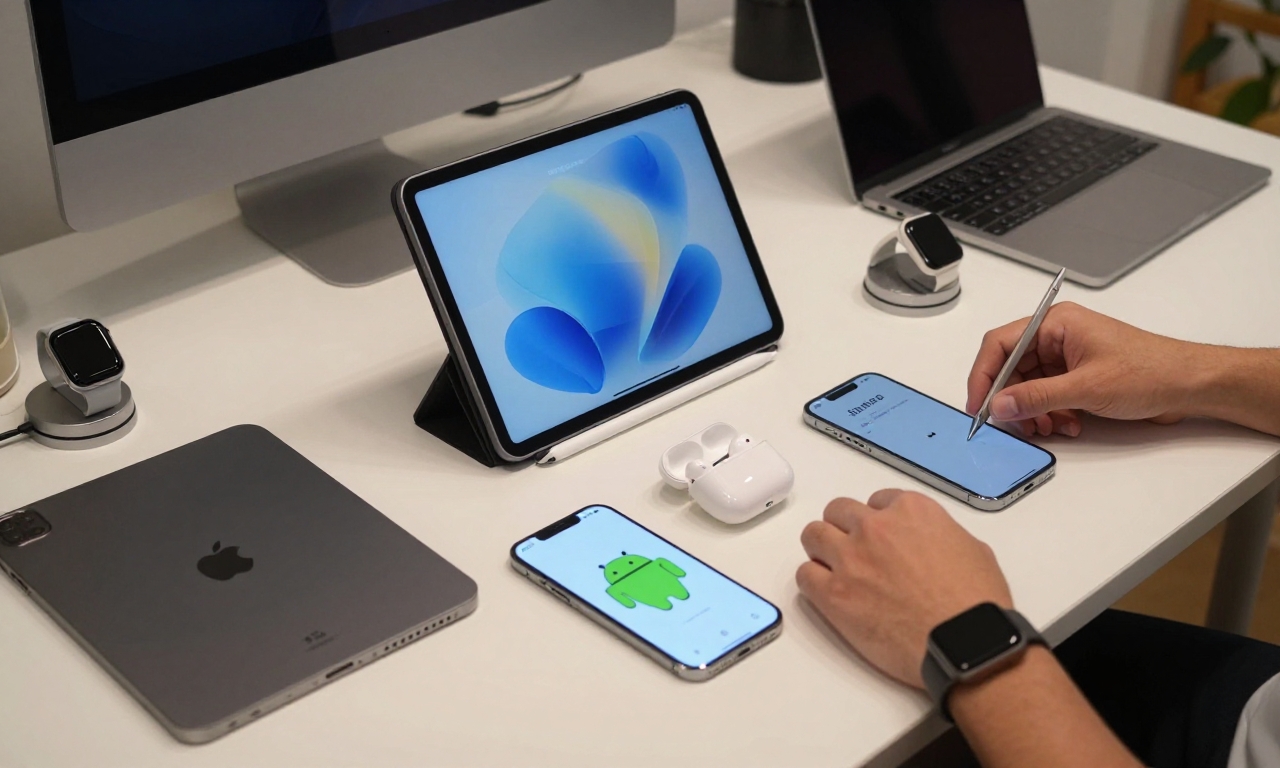
Total Cost of ownership in 3-5 Years
When computing real long-term costs, all factors should be put into consideration. In the case of a standard Apple consumer who spends between five and eight years buying iPhone, iPad, Apple Watch and AirPods including a subscription service, one should expect to spend between $5,000 and $8,000 depending on the devices he/she buys and how often he/she upgrades. The premium offers great integration, privacy control and user experience across all the devices.
A comparable Android platform consisting of a Samsung Galaxy smartphone, tablet, watch, and earbuds would be up to cost savings of 20-30, at an estimated cost of $4,000 to 6,000 in the next 1-2 years. Combining Google Pixel with a low-cost tablet and a wearable device by Garmin will save even more money, which heavily depends on mixed-brand strategies. Nevertheless, the strategy needs additional management and loses integration conveniences.
Our Financing Guide: How to Make the Right Choice
Finally, the aspect of the better value remains entirely based on personal priorities and use patterns. The Apple ecosystem is more expensive and offers unmatched integration, privacy settings as well as long-term software support, which is worth the higher price to many users. This uniformity between machines decreases the learning process and technical frustrations especially to those who are not very much technologically inclined.
Android open economy favors those buyers who shop smart and buy across brands to gain flexibility and mix brands strategically aiming to earn ability to influence the prices they pay rather than ensuring seamless integration. Android tend to give their users superior value in terms of money and personalisation, which tends to appeal to their student, low-end consumer and technology lovers. The variety of products allows all types and types of products and price ranges not to tie users into the ecosystem of one manufacturer.
Both cons have developed to deal with their classical flaws with Apple providing cheaper alternatives such as the iPhone SE and older generation iPads and Android device makers deal better in software support and integration of ecosystems. These trends make the comparison between the performance of long term fees more complex than ever before and it is important that you really think about the way you actually use technology not just that you are comparing the specifications sheet or prices initially.