Follow us on Facebook
Breaking updates in your feed — tap to open
So, May 2026, and the fight for the best smartphone camera is kind of ridiculous right now. Samsung and Google just dropped their newest flagships, and both promise a huge leap in computational photography. I put the Samsung Galaxy S26 Ultra and Google Pixel 10 Pro side by side in all sorts of conditions to see which one really captures the moment. If you’re serious about mobile photography, this choice matters.
Daylight and color science
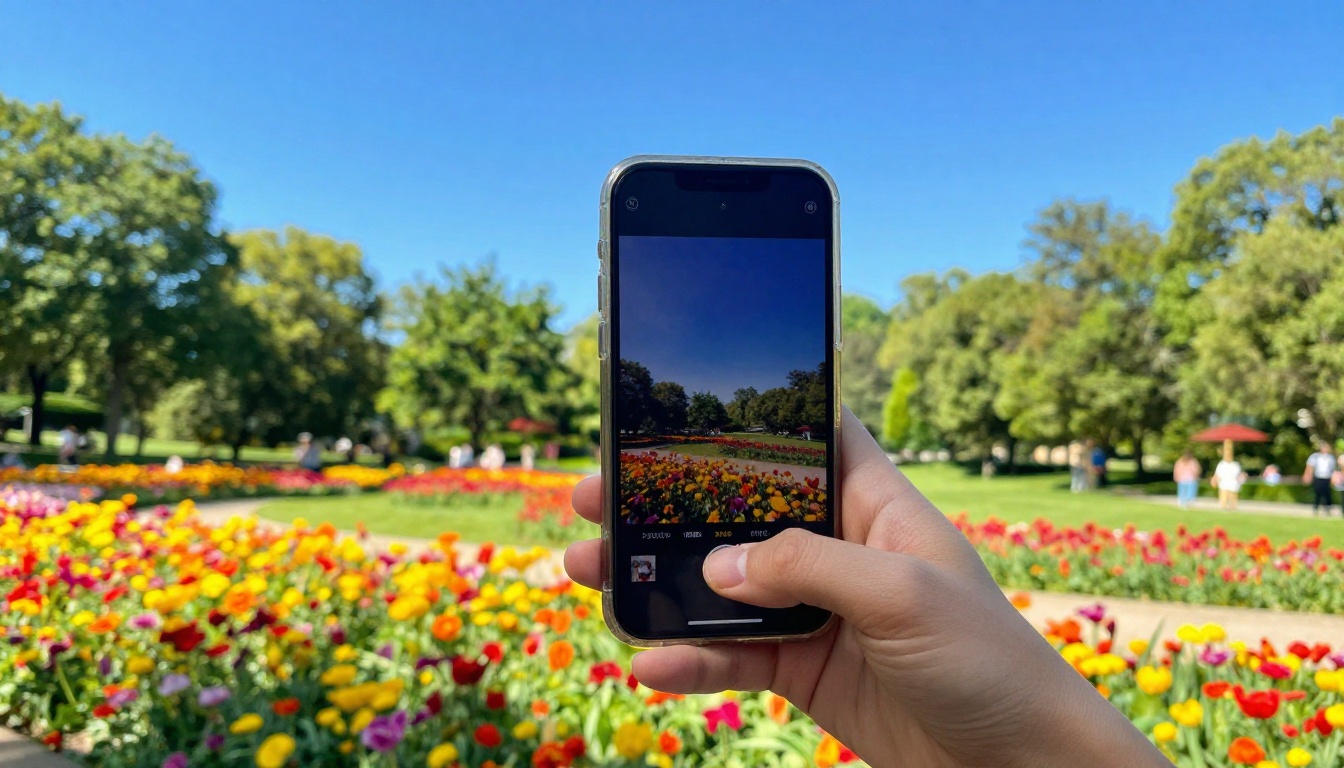
Heading outside on a bright afternoon, the differences hit you fast. Samsung’s Galaxy S26 Ultra goes for vibrant, punchy colors. Skies look bluer, greens pop like crazy. It’s a look that grabs your attention instantly. Google’s Pixel 10 Pro? It’s all about natural tones and balanced contrast. Skin tones seem more true-to-life, and shadows keep subtle detail without getting lifted too much.
Both phones handle dynamic range really well. In scenes with harsh sunlight and deep shade, neither blew out highlights or crushed blacks. But Samsung’s HDR processing sometimes added a slight halo around backlit subjects. Pixel’s approach felt more seamless, keeping edge detail without weird artifacts. For those who edit photos later, the Pixel’s neutral profile gives you more flexibility. But if you share straight from the gallery, Samsung’s vivid output often needs zero tweaks.
Detail retention is excellent on both. Fine textures like brickwork and fabric weaves look sharp. The S26 Ultra’s 200MP sensor resolves a bit more info when you pixel-peep, but honestly, the difference is marginal in everyday viewing. Google’s software sharpening is less aggressive, so you avoid that over-processed look that can plague high-megapixel shots. In the end, daylight shooting comes down to personal taste: Samsung’s wow factor versus Google’s refined realism.
Low light and night mode
When the sun sets, that’s the real test. The Galaxy S26 Ultra uses a larger sensor and faster lens to physically pull in more light. Night mode shots are bright, with impressive clarity in dark areas. Thing is, the phone sometimes over-brightens scenes, making night look like twilight. It’s technically impressive but can feel a bit unnatural.
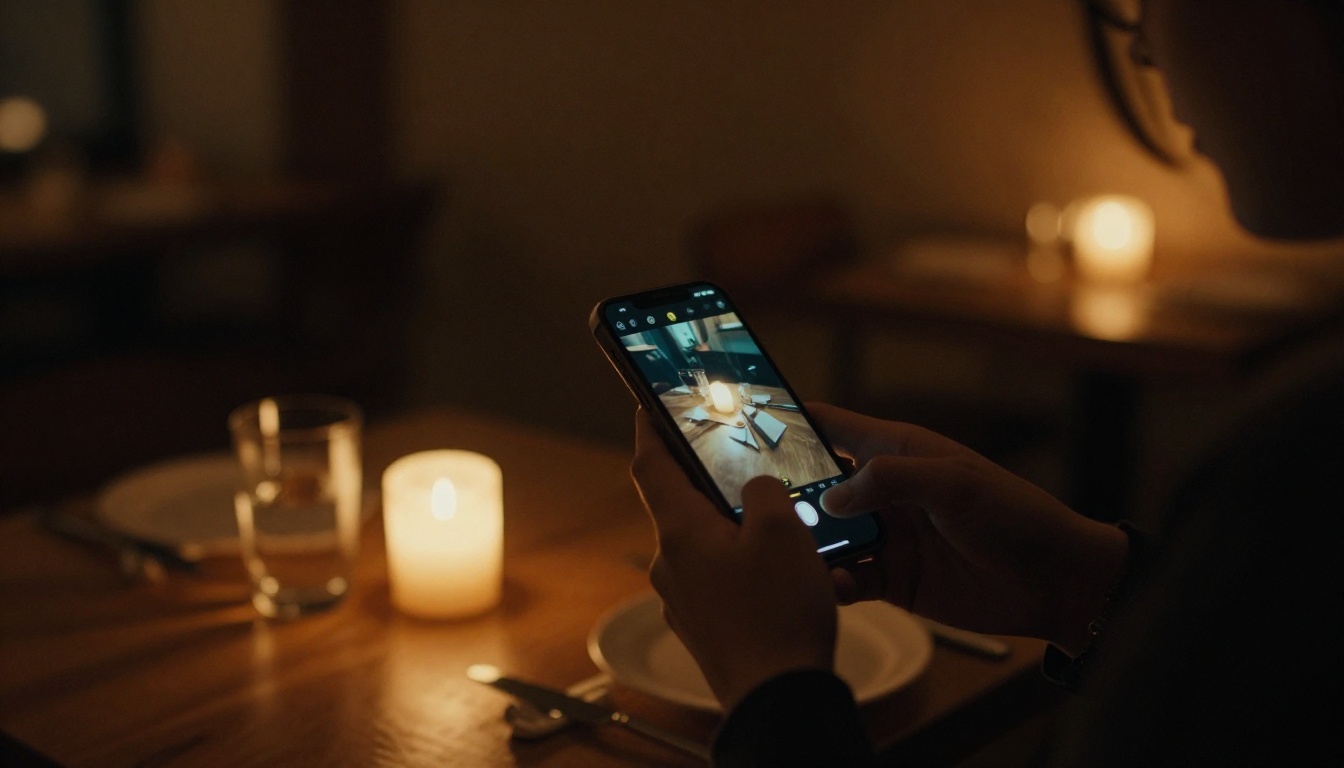
The Pixel 10 Pro takes a different path. Its Night Sight feature prioritizes atmosphere, keeping shadows dark while lighting up key subjects. Colors stay accurate under streetlights, and noise is handled gracefully. In side-by-side tests, the Pixel preserved the mood of a dimly lit restaurant better than the Samsung. That said, in near-pitch-black conditions, the S26 Ultra pulled out more visible detail, though with a slight loss of color fidelity.
Portrait mode at night is another battleground. Samsung’s edge detection sometimes struggled with stray hairs against complex backgrounds. Google’s machine learning algorithms delivered cleaner cutouts and more pleasing bokeh. Both phones offer dedicated night portrait modes, but the Pixel’s results looked more like they came from a dedicated camera. For low-light enthusiasts, the Pixel 10 Pro is the more artistic tool, while the S26 Ultra is the technical powerhouse. Not convinced? It’s a tough call.
Zoom capabilities and versatility
Zoom has become a defining feature of ultra-premium phones. The Galaxy S26 Ultra boasts a dual-telephoto system with 3x and 10x optical magnification. Digital zoom extends to a staggering 100x Space Zoom. At 10x, images are crisp and full of detail, rivaling some dedicated cameras. Beyond 30x, though, AI processing kicks in heavily, and results get kinda painterly.
Google’s Pixel 10 Pro uses a single periscope lens with 5x optical zoom, leaning on Super Res Zoom for further reach. At 10x, the Pixel’s computational magic produces surprisingly good results, though not quite matching Samsung’s optical clarity. At moderate ranges like 3x to 5x, the Pixel often delivers more consistent color and exposure across frames. The S26 Ultra’s 3x lens is excellent but can exhibit slight white balance shifts when switching sensors.
For video zoom, Samsung offers smoother transitions between lenses, while the Pixel occasionally shows a visible jump. Both phones now support 8K recording at 30fps, but 4K 60fps remains the sweet spot for quality and storage. A table comparing key camera specs highlights the hardware differences:
| Feature | Samsung Galaxy S26 Ultra | Google Pixel 10 Pro |
|---|---|---|
| Main sensor | 200MP, f/1.7 | 50MP, f/1.8 |
| Ultra-wide | 12MP, 120 FOV | 48MP, 125 FOV |
| Telephoto | 10MP 3x + 50MP 10x | 48MP 5x periscope |
| Max digital zoom | 100x | 30x |
| Video max | 8K @30fps | 8K @30fps |
Versatility clearly favors the S26 Ultra with its dedicated long lens. But Google’s streamlined setup is no slouch, and for most users, 5x to 10x zoom covers the vast majority of real-world needs.
Video, pro features, and AI
Video recording has become a primary use case for flagship phones. The Galaxy S26 Ultra introduces improved stabilization and a new Pro Video mode with manual controls over focus, shutter speed, and audio levels. Footage is sharp, with vibrant colors and effective HDR. Rolling shutter is minimal, and the phone handles quick pans smoothly.
The Pixel 10 Pro counters with its renowned video processing. Speech enhancement is eerily good at isolating voices in noisy environments. Cinematic Pan offers buttery smooth motion, and the new AI-powered auto-framing keeps subjects centered during movement. Low-light video on the Pixel is cleaner, with less noise and more natural color retention. Samsung’s low-light video is brighter but can look slightly processed.
Both phones lean heavily on AI for photography. Samsung’s Scene Optimizer recognizes dozens of scenarios and adjusts settings accordingly. Google’s Real Tone and Face Unblur are still class-leading for people photography. A notable addition this year is Samsung’s AI-powered object eraser, which rivals Google’s Magic Eraser in removing unwanted elements from photos. In practice, both work well, but Google’s version often leaves fewer artifacts.
For serious creators, the S26 Ultra’s Expert RAW app offers uncompressed DNG files and extensive manual controls. The Pixel 10 Pro lacks a dedicated pro mode but allows RAW capture within the standard app. Ultimately, Samsung gives you more tools to tinker, while Google trusts its algorithms to get it right automatically. The choice depends on your workflow: do you want to craft the shot or capture the moment effortlessly?
After weeks of shooting, the verdict is nuanced. The Samsung Galaxy S26 Ultra is the hardware king, with unmatched zoom range and a feature-packed camera system that rewards those who love to experiment. The Google Pixel 10 Pro is the software virtuoso, delivering consistently stunning photos with minimal effort, especially in challenging light. Your pick should align with your priorities: ultimate versatility or point-and-shoot perfection.