Follow us on Facebook
Breaking updates in your feed — tap to open
Battery health is one of the main concerns of smartphone users as the mobile technology advances into 2026, and misconceptions regarding the best battery maintenance methods are still widespread. The fast-rising pace of fast-charging technologies, wireless charging norms, and battery management is the circumstance that has altered the picture fundamentally, making numerous conventional tips irrelevant. This discussion will disclose the facts that are here to stay and those that are here to myth and gives the recent results of testing and engineering knowledge to offer a clear picture of what really influences the longevity of your device.
Modern Battery Chemistry
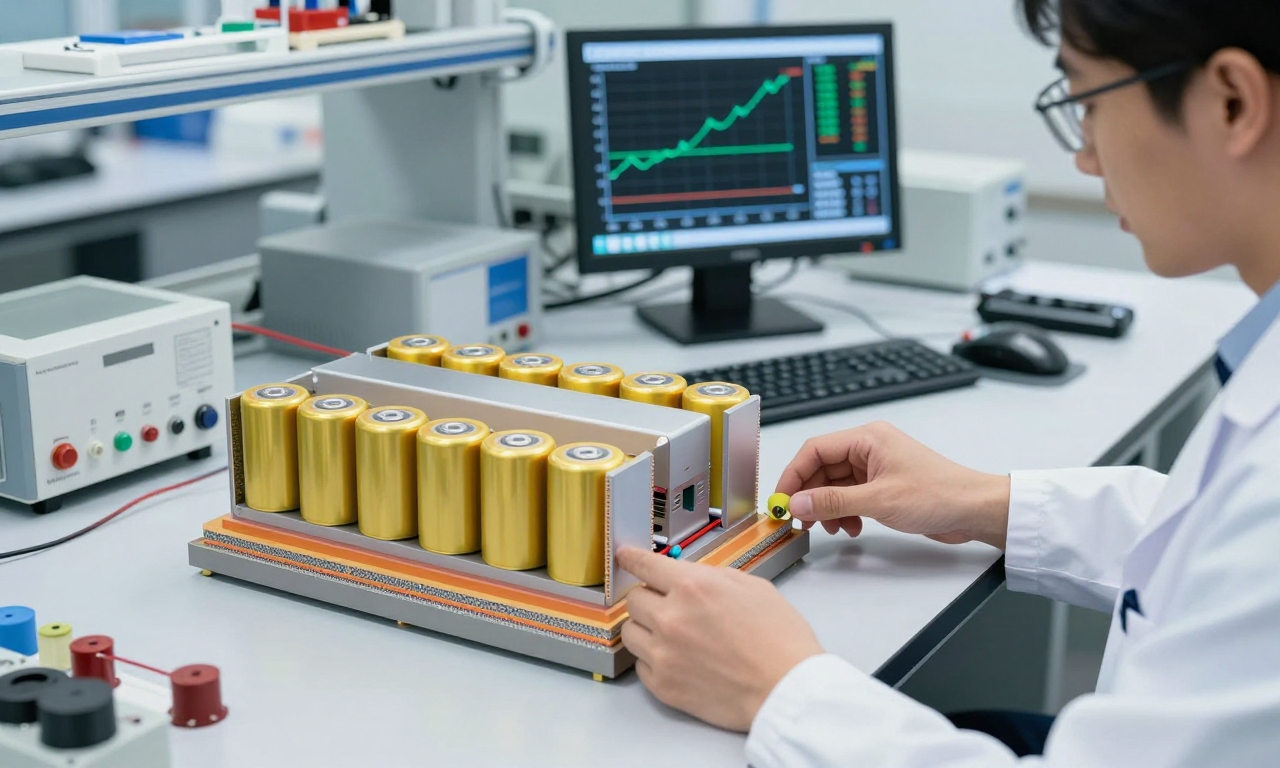
Lithium-polymer and lithium-ion batteries that power the smartphones of this era have come a long way to supersede the old ones. In modern cells, the electrode materials have been enhanced and the electrolyte formulations are more complete with higher charge cycles. Manufacturers have advanced battery management systems that read voltages, temperatures and charging rates and make them precise in real time. These systems operate in real-time to streamline the operation as well as shield the battery against factors that have traditionally resulted in its degradation, eliminating the need of numerous hands-on processes.
Among the enduring urban legends is the belief that leaving your phone always between 20 percent and 80 percent charge can significantly increase battery life duration. Although extreme discharges and incessant full charges may be a stressor on older battery designs, contemporary management systems already automatically guard against these conditions. Studies show that the marginal value of manual charge limiting has decreased substantially, and some have found less than 5 percent difference in capacity retention after 2 years of careful management versus normal use between devices carefully managed and those used carelessly. The gains of minimal preservation are usually overshadowed by the convenience of charging as and when it is necessary.
The Fast Charging Impact Reality
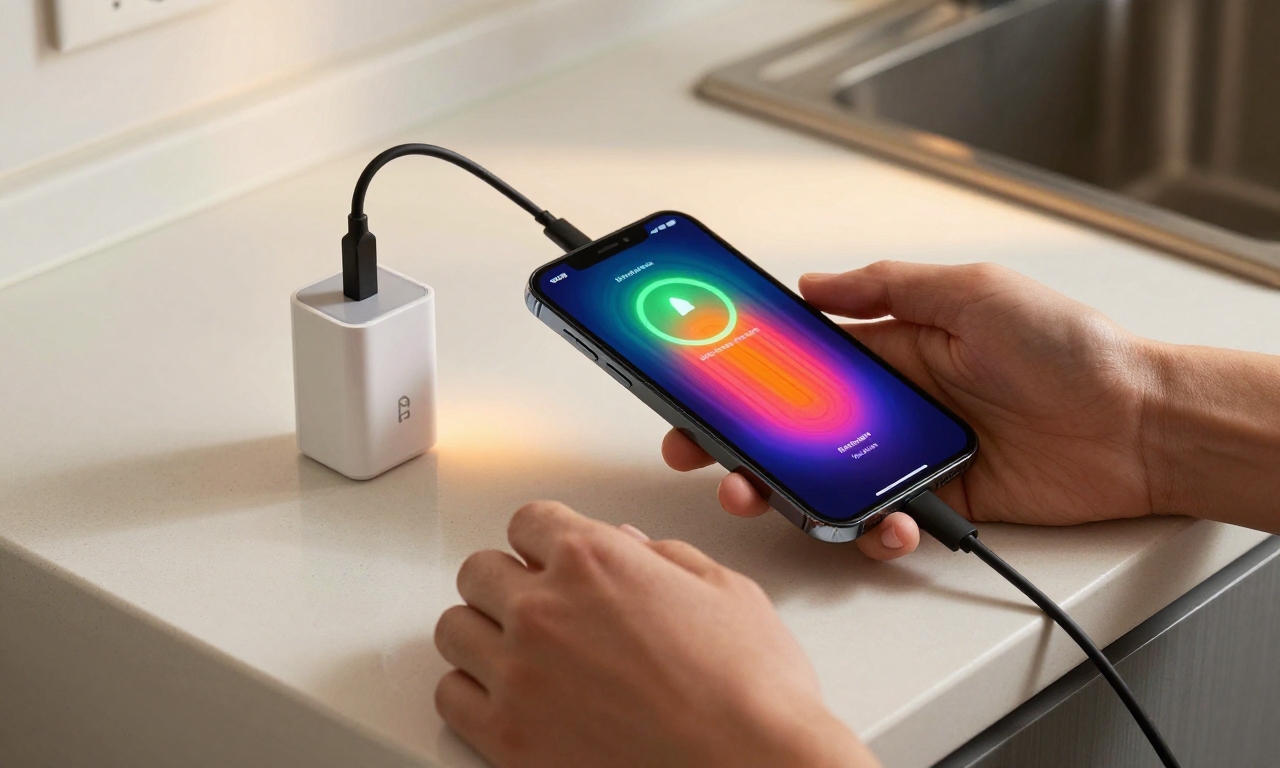
There is much controversy surrounding the impact of fast charging technology on battery life cycle. This issue is based on the heat produced when high energy transfer occurs because high temperatures may prompt chemical deterioration in battery cells. Modern fast-charging systems are built keeping this in view, however. The intelligent power delivery adopted in most systems slows down towards the end of the battery capacity or when the temperature sensors indicate overheating.
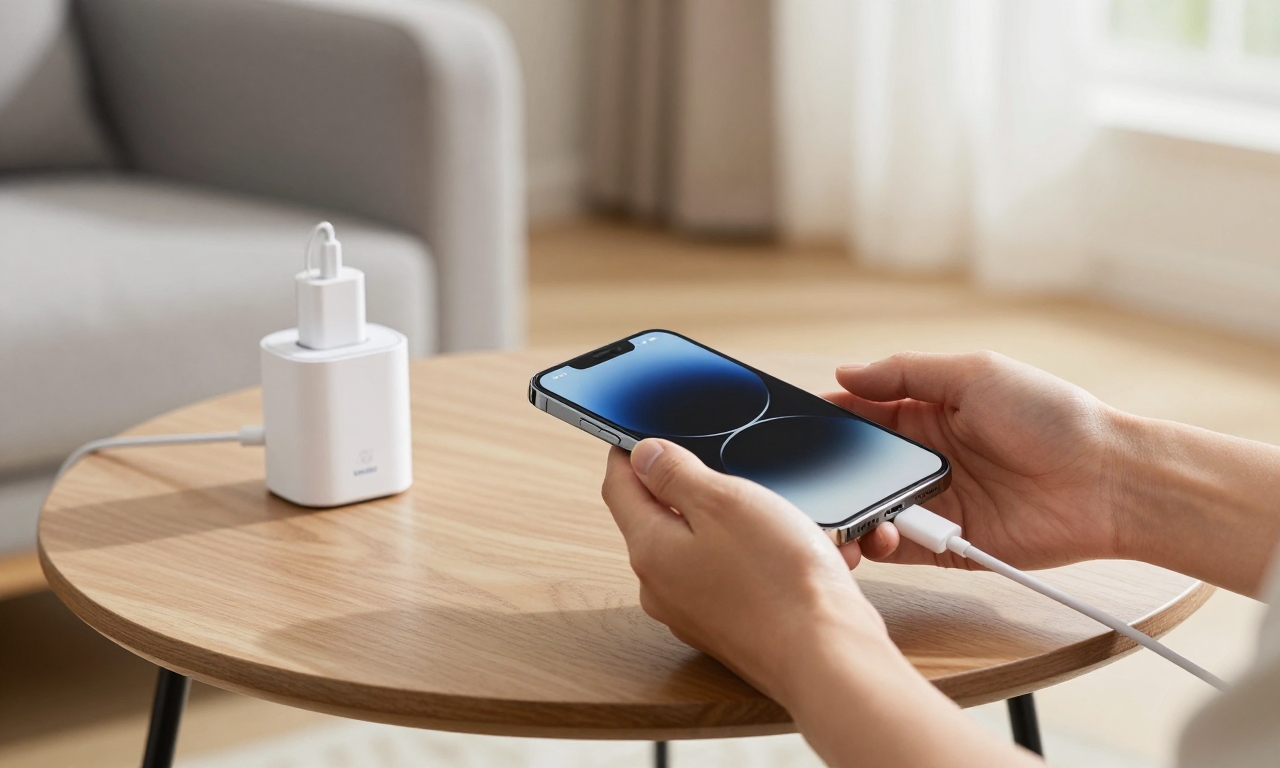
Manufacturers have installed multi-stage charging mechanisms where fast charging is done when the battery is depleted and this transitions to slow, cooler conclusive charging. This prevents excessive stress on the heaters and gives the convenience of making top-ups in seconds. Practical experience with a broad range of flagship smart phone models has demonstrated that, based on manufacturer-certified adapters and cables, modern fast charging leads to no additional degradation in two years than standard charging practices. The major difference is between manufacturer-approved fast charging, which is regulated, and using non-compatible third-party accessories, which can circumvent safety measures.
Wireless Charging Considerations
Wireless charging brings in a new consideration of battery health. Although convenient, inductive charging generally produces more heat than wired process because inductive energy transfer is inefficient. This heat can otherwise cause accelerated degradation when devices are left longer on the charging pads after they hit full capacity. To overcome this many newer wireless chargers are designed with cooling fans or passive heat dissipation mechanisms. To ensure the best battery performance, one can charge wireless during the day and attach a cable when going to sleep at night since many hours of constant power use is possible.
Productive Optimization Strategies
Numerous evidence-based practices are truly effective in ensuring smartphone battery health in the present technological environment.
- Extreme temperatures should also be avoided, and either extreme can permanently damage battery chemistry. Storing gadgets directly under the sun or leaving them in hot vehicles (especially during summer) is one of the gravest preventable dangers to their lifespan. Likewise, phones-when exposed to extremely low temperatures temporarily decrease the capacity and, when used repeatedly, lead to permanent damage.
- Battery preservation is becoming more and more dependent on software management. New operating system releases frequently add enhancements to power management algorithms that optimize the charging pattern and background activity. Always updating apps provides access to the most efficient features, and by reviewing background refresh settings occasionally, one can save on power consumption.
- In cases where the device is used over several years, occasional calibration of the battery using methods such as leaving until fully discharged and then fully charged would prevent a misrepresentation of battery percentages.
Storage Conditions for Unused Devices
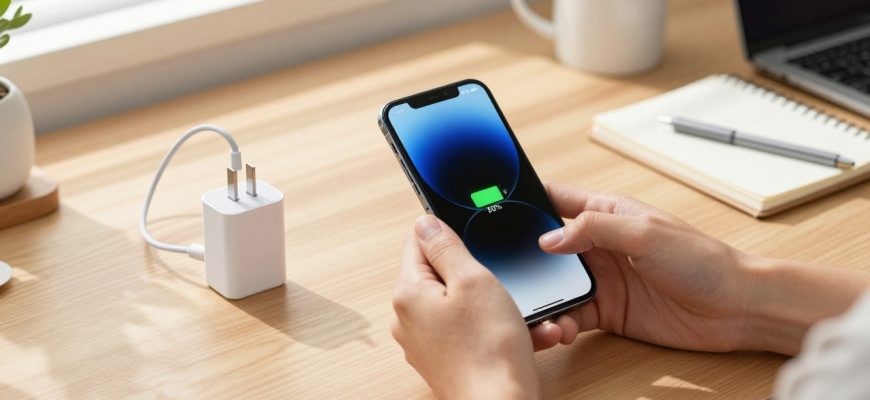
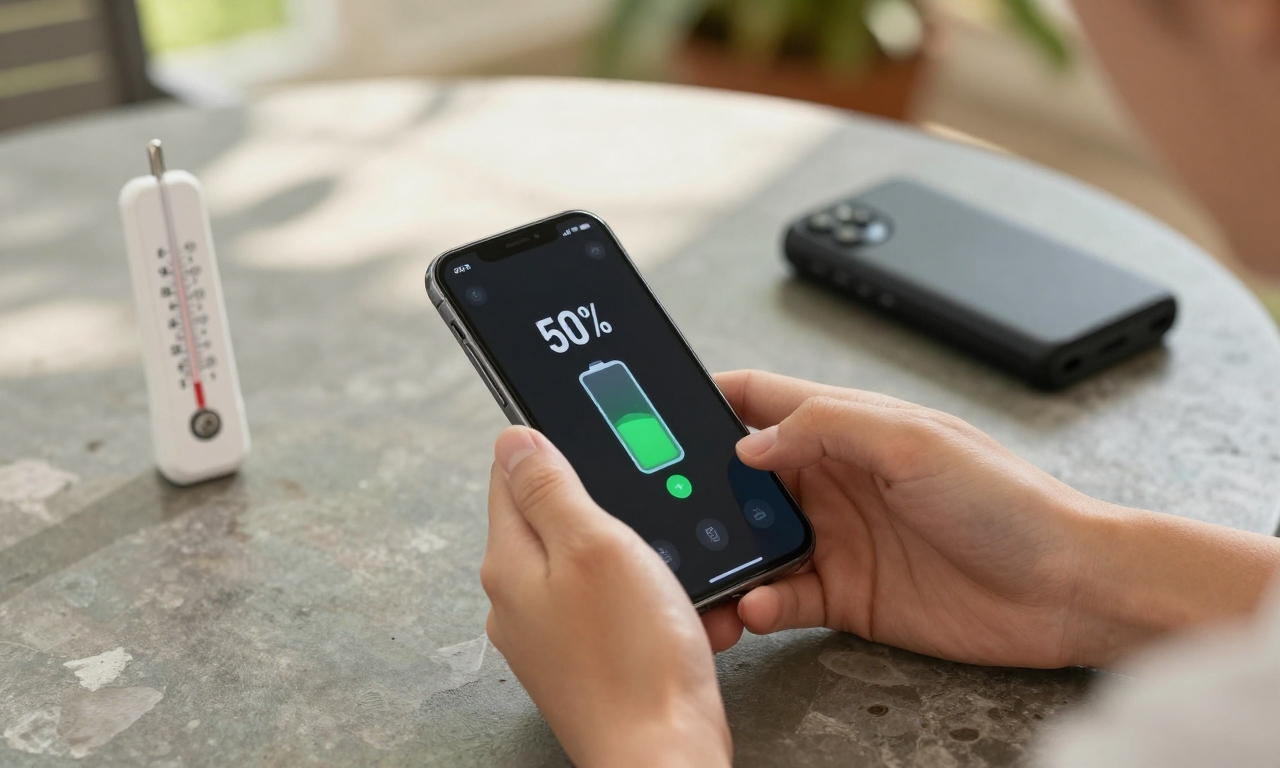
Particular attention should be paid to storage conditions of unused devices. To store batteries long-term, the experts suggest a charge to about 50 percent of battery capacity and to turn off devices when not in use in an air-cooled space. This intermediate condition reduces the stress on the battery chemistry when not in action. Leaving devices charged up or completely drained over long periods of time may cause them to lose capacity and in the worst-case scenario, become incapable of retaining charge completely.
Trading Between Convenience and Preservation
The best approach to smartphone battery health in 2026 will be to strike a balance between practical convenience and reasonable preservation practices. Although some vigorous steps such as keeping the charge steady offer diminishing returns, simple measures in terms of temperature control and using separately approved accessories offer significant protection. Fast Charging has been proven to be a safe convenience and not a compromise to longevity when done correctly.
Each successive generation, manufacturers still do better with battery technology and management systems. Solid-state advancement, graphene-enriched cells, and further improved charging algorithms would improve capacity and duration of operation. In the meantime, having the idea of what really influences battery health enables users to make a positive choice without the need to worry unnecessarily about daily charging behaviors. The nickel-cadmium to lithium-ion evolution was the original move in battery technology and we are currently going through the same changes in the way we upkeep these items of life that we are so much used to in our digital age.