Follow us on Facebook
Breaking updates in your feed — tap to open
The ecosystem lock-in is a much more advanced phenomenon in the smartphone sector, involving barriers misconstrued between iOS and Android platforms unlike ever before. The fact is that manufacturers are bragging about the ability to easily switch, whereas the truth here is complicated issues that go beyond transfer in data. This migration guide is practical, designed to cover the real-life issues users face when considering platform migration and look into the main aspects of data migration and subtleties of the ecosystem, which make the migration unexpectedly challenging.
Data Transfer Challenges
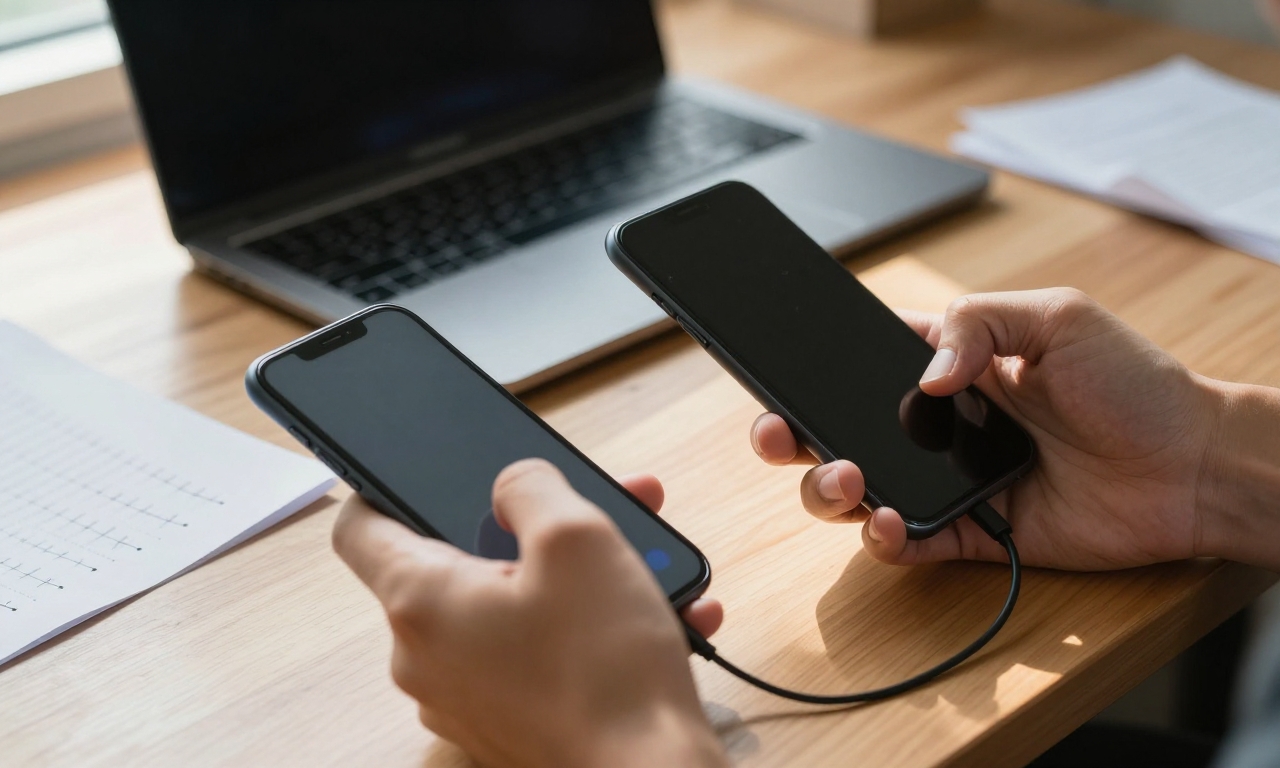
The directest challenge during the transfer between ecosystems is the data transfer. The Move to iOS application of Apple and Switch to Android tools of Google have become better, but they are not coping with specific data types and application-specific material. The transfer of contacts, calendars and photos is most likely to be painless, whereas message history, health data and purchase-specific to certain apps usually necessitate direct action by hand or third party services. It is especially difficult with an encrypted messaging application and closed-source health systems that have hard ecosystem barriers.
The App Ecosystem Dilemma
Locating similar applications on all platforms is also one of the main obstacles to switching. Although the largest social media and productivity applications keep on par in features, most specialty applications build platform features as they evolve. Photography lovers may find that their favorite camera app has more complicated editing functions on the new platform and productivity users may find that their favorite note-taking app does not have some of their favorite organizational features. Another challenge is with gaming since most mobile games do not have cross-platform progression, which means that users have to play through their game progress all over again.
Accessory Compatibility
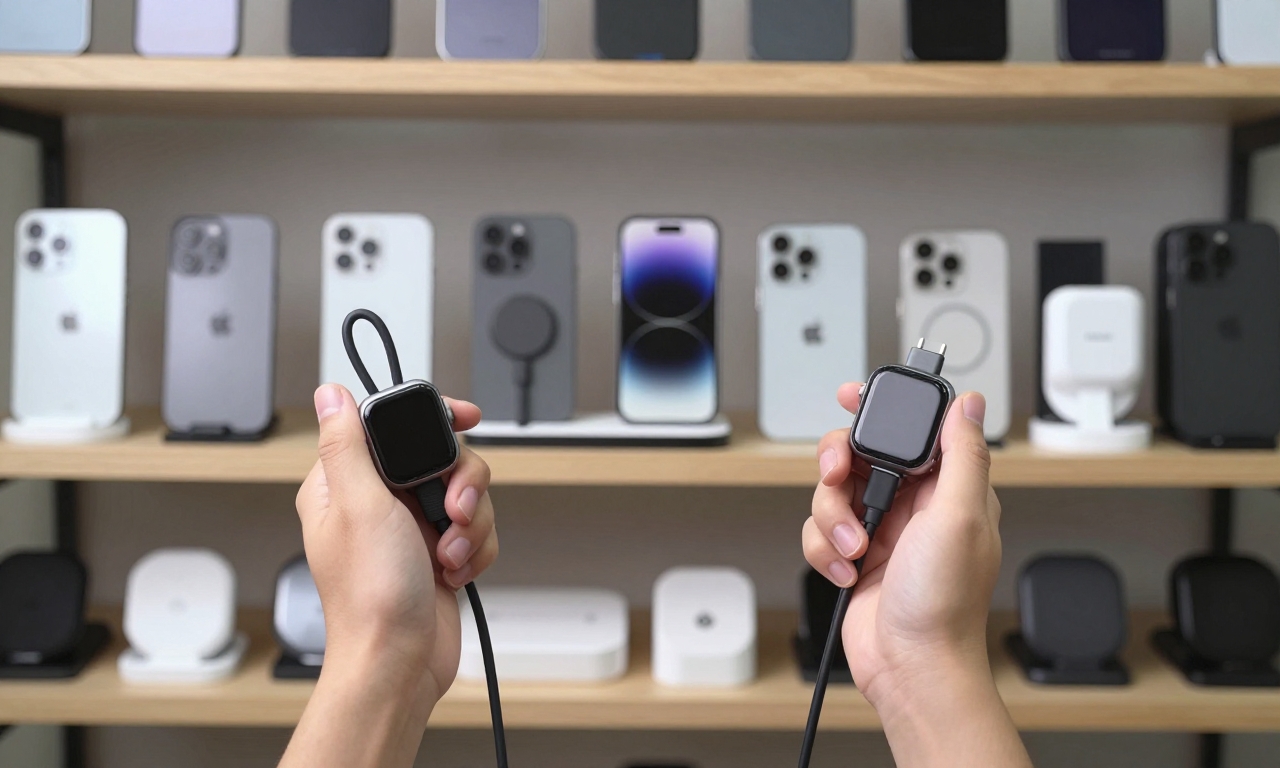
The compatibility of accessories has been made more complex with the spread of proprietary charging and wireless protocols. Although USB-C has gained near-universality as a type of wired connections, wireless ecosystems are still disjointed. MagSafe accessories are not going to work with Android devices best and many Android manufacturers have come up with magnetic attachment systems which are not compatible with one another. It is common to lose a feature of wireless earbuds and smart watches when connecting to the other platform, such as seamless connections, battery indications, and updates on the firmware are valuable but restricted or non-existent.
Hidden Costs
There are also those hidden costs that are much further than the cost of the new device itself. The user will have to think of subscription services that may not be transferable, the premium purchase of apps and changing the replacement of accessories. The financial influence is especially apparent with the financial software subscriptions, the cloud storage plans, and other kinds of entertainment services that could differ with regard to their features or payments provided on the platforms. Also, users tend to underestimate the amount of time and efforts needed to reset settings, learn new interface paridigms and recreate automated processes that saved the user a lot of daily effort in the past.
Challenges in Hardware Integrations
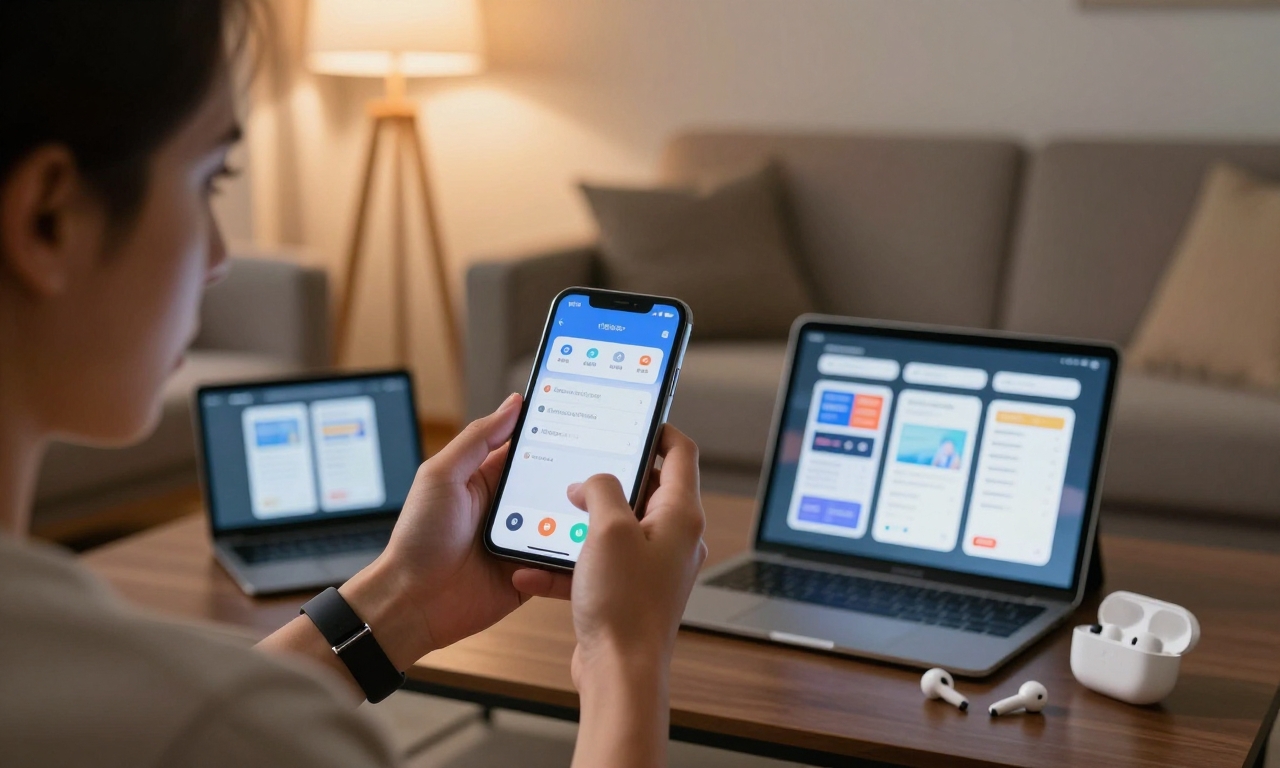
The integration of the smartphones with other devices has increased the lock-in of the ecosystem significantly. The features of Continuity in Apple and the growing ecosystem at Google make the experience seamless across their platform, which fails in cross-boundary situations. Interoperability between iPhone and Mac is also lost to Android, whereas the integration between Android and Windows and Chrome OS is lost to iOS. This applies to the smart home too, where integrations based on the platform and support via voice assistants can often become highly irritating in everyday life.
Wearable Technology Barriers
Some of the most intractable ecosystem barriers are brought about by wearable technology. Smartwatches with a single platform tend to have less functionality connected to the other with features such as message replies, health data syncing and payment restricted or removed. Fitbit and Garmin Fitbit fitness trackers have enhanced cross-platform compatibility, though they still have the richest experience on their respective platforms of preference. This places user in a tough situation who have already made financial and health investment in wearable technology and is now a valuable commodity.
Cloud and Subscription Systems
Cloud infrastructure and subscription systems form delicate, yet impactful systems of retention. iCloud customers have especially difficult times migrating to Android, since an extensive number of Apple services lack definite equivalents or demand substantial modifications to workflow. The ecosystem of Google is more cross-platform compatible still provides dependencies as a result of services such as Google Photos organization, Google Assistant routines, and Google Pay settings. The process of migration usually shows how badly these services are absorbed into the daily digital life.
The Importance of an Informed Switching Decision
Users must undertake a careful assessment of their online dependencies before they make a switch of platforms. This involves listing of the necessary applications, testing the compatibility of accessories, analysing the portability of subscriptions and integrating with other devices in the ecosystem. Another useful tip to alleviate the frustrations that may arise through the transition process is to develop a migration checklist that covers the data backup plans, alternative application research, and accessory backup plan.
Psychological and Emotional Factors
The psychological and emotional features of the ecosystem change should be considered along with practical factors. The users gain muscle memory about the interface navigation, build a workflow based on specific aspects of the platform and get to be comfortable with specific security and privacy practices. These soft aspects might greatly influence the process of switching and occasionally the switching process may seem to be more disruptive than expected. Being aware of these psychological barriers will enable the user to prepare psychologically to overcome the transition time that it needs to make in adopting a new platform.
Budget Considerations
Budget consideration is not limited to the direct hardware cost to the overall cost of the transitioning of the ecosystem. The user is supposed to consider the possibility of buying an app, buying accessories, revising a subscription, as well as the possibility of even losing productivity during the new system implementation. By developing a detailed budget that takes indirect costs into consideration as well as the direct ones, one can have a more accurate understanding of what the actual switching costs should be like. This financial plan is especially significant to those users, who have to think about high end flagship devices or lower priced products.
Conclusion
Finally, when determining the need to change the smartphone ecosystems in 2026, it is necessary to pay close attention to both the immediate practical consideration and the long-term ecosystem commitment. On the one hand, the technical boundaries have fallen, although on the other hand, where platforms extend more into unique integrations and feature sets, the barriers have risen. Those users that take the transition process realistically and well-informed regarding all the visible and hidden obstacles will be able to get through the process most effectively. The trick is that understanding that ecosystem lock-in is not only about technical compatibility but the extent to which our digital experiences, our workflows, become platform-specific and deepen our involvement with them.