Follow us on Facebook
Breaking updates in your feed — tap to open
The digital detox of smartphone is a new necessity in the modern hyper-connected world, where it is necessary to preserve mental clarity and productivity. A lot of users feel the tech fatigue of being bombarded with all sorts of notifications and trolling without receiving important communications or being behind time on work. That very problem is the focus of this guide, which offers some feasible ways of spending less time on screens and still have access to the necessary functions. We will discuss how smartphones of today can provide inbuilt features and options that can assist in reclaiming your focus without necessarily losing connection.
- Understanding Your Smartphone Usage
- The Real Life Manager Guide to Smartphone Distractions
- Notification Management
- App Limit Tools
- Behavioral Interventions for Smartphone Use
- Extending the Battery Life by being Smart To Use
- Security and Privacy Benefits
- Implementing Healthier Smartphone Habits
- Smart Home and Wearables
- Conclusion: Deliberate Connection
Understanding Your Smartphone Usage
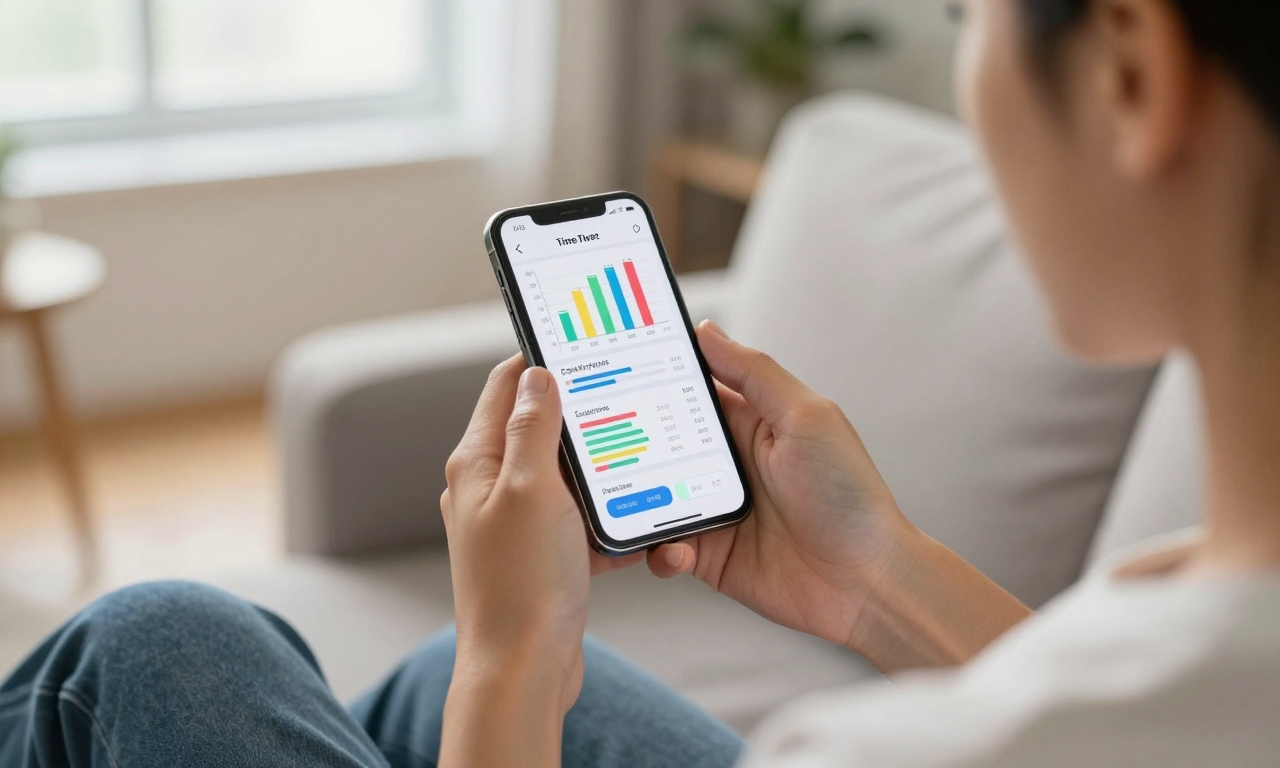
Knowing how you use your smartphone nowadays is the first step of the significant change. Both iOs and Android devices give an in-depth account of screen time records of which apps are taking up a significant share of your focus. Such insights tend to render shocking trends like spending too much time using social media or news apps themselves which do not add value. When you locate these online time wasters, you can embark on a tailored measures to taper their effects on your day to day life without disabling access to productivity tools and necessary communication tools.
The Real Life Manager Guide to Smartphone Distractions
Current-day operating systems also have advanced focus features to mutually filter unnecessary notifications on a temporary basis. Focus modes in iPhone should be configured according to work, personal time or sleep, and only the important contacts and apps will be allowed to interrupt. The Digital Wellbeing of Android also has such functionality with scheduled focus sessions. What these tools are useful at are ensuring that the work proceeds even when you are at work yet your family members or people you have urgently committed work need to contact you. The trick of the matter is laying out simple boundaries that will not interfere with your focus but will not leave holes in communication.
Notification Management
Another strength strategy of minimizing screen time is notification management. Rather than turn off all notifications that can make you miss those that are of importance to you, spare the time to review the notification options of each particular application. Numerous applications give promotional messages that are not practical. In effect, by turning these off whilst maintaining alerts on both messages, calendar reminders and necessary updates, you are saving a lot of distraction without the loss of functionality. With this selective usage you are guaranteed that your phone is an effective utility and not a persistent distraction.
App Limit Tools
Another task of managing smartphone usage is the app limit tools. Apple has the Screen Time as well as Google has Digital Wellbeing which allow you to specify the time your devices should limit to particular apps or category of apps. Once you are beyond these limits, there is a moment when the apps will be disabled until when you want to prolong your duration. This puts one into a deliberate mode and not an auto scroll mode. In cases where you need such important applications as email or messaging, you can have very generous allowances or no limitations at all, whereas time-wasting apps that add no value to your daily existence will be very strictly restricted.
Behavioral Interventions for Smartphone Use
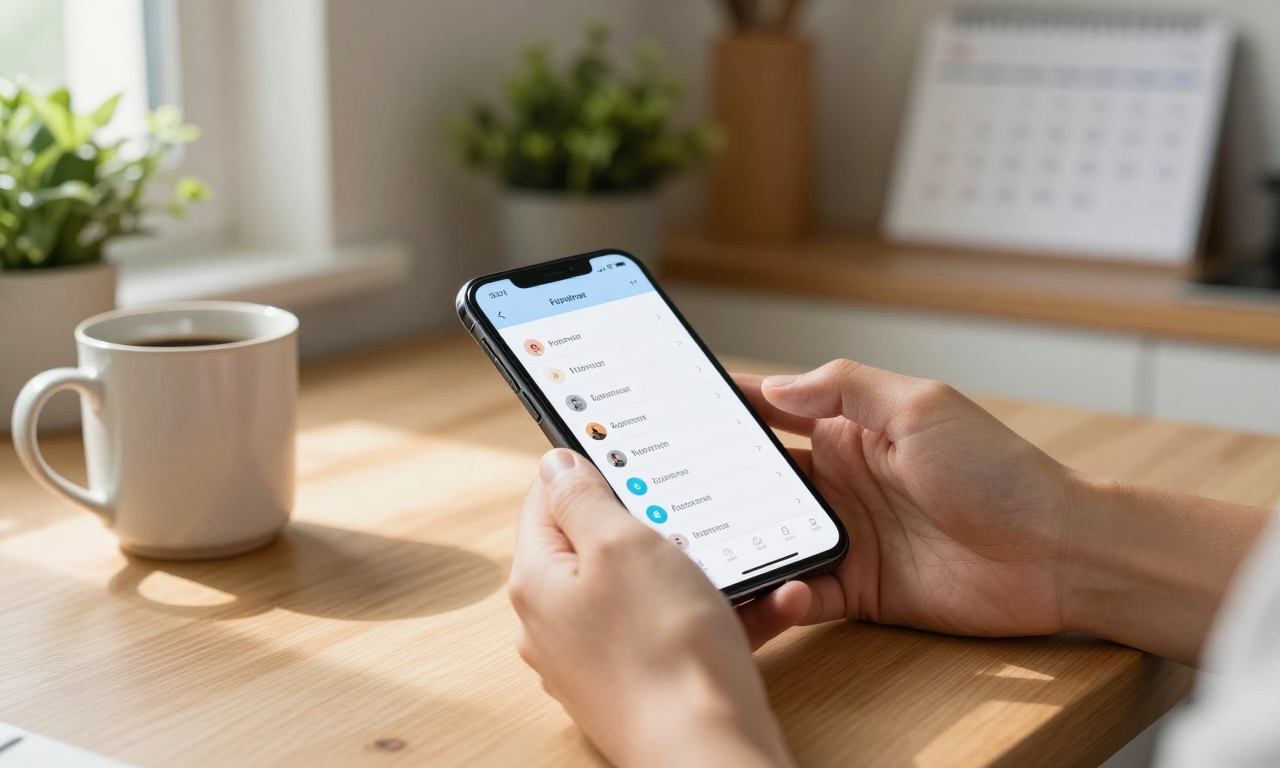
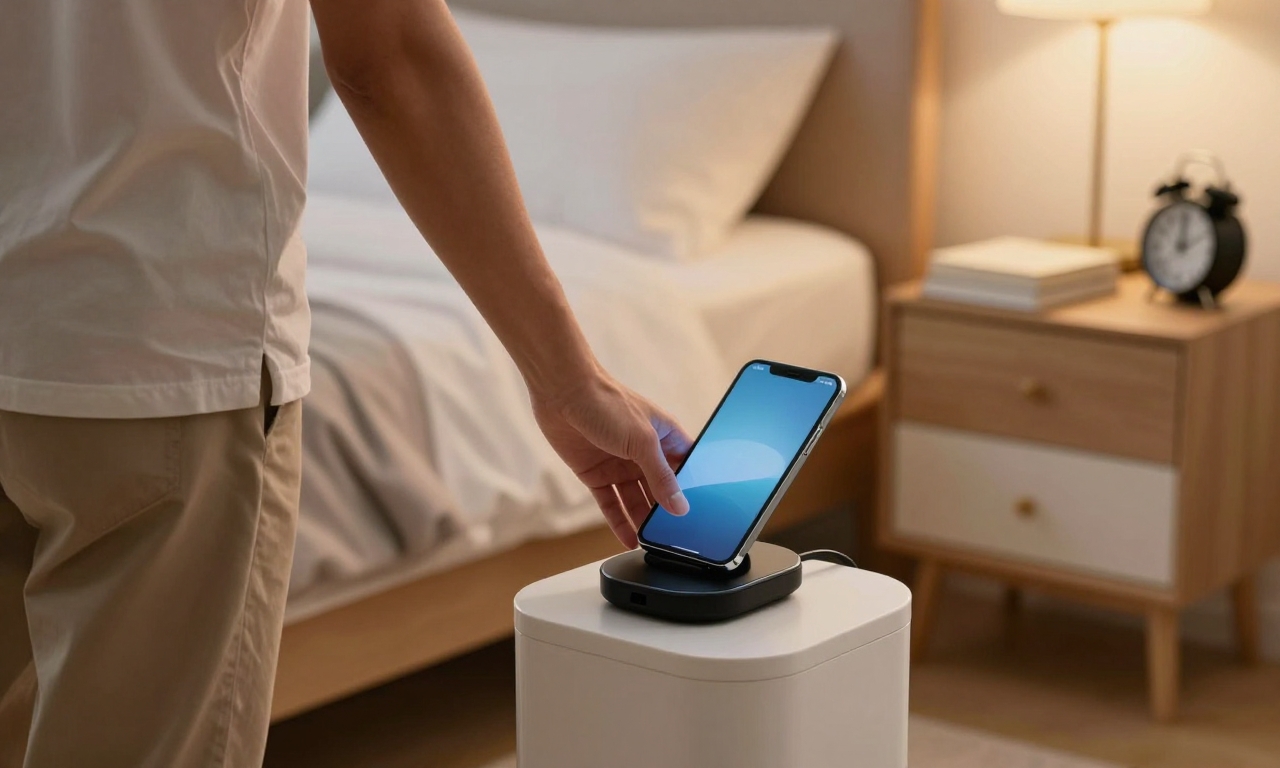
In addition to the inbuilt applications, there are behavioral interventions that will can contribute in a great way towards a diminished dependence on smartphones. Physical boundaries can be established in your house because by placing your phone-free areas like the bedroom or the dining room, this helps you to go on a digital detox. Leaving your phone charged outside the bedroom overnight does not only help to get better sleep but removes the urge to gladly look at the notifications the first thing of the morning. These behaviors coupled with the technical aids on the devices today would make up a complete method of a healthy use of smart phones that does not advantageous to your necessity to be connected, but also to your entitlement to have undistracted consideration.
Extending the Battery Life by being Smart To Use
Funny enough, when one cuts down screen time, the battery life tends to increase because displays are one of the biggest power consumers in the contemporary smartphones. With the strategies addressed in the context of this paper, a lot of users are able to make their devices last longer between several charges. This is a positive feed-back loop, possibly wherein the less you devote time to screens, the less you need to charge, which subsequently deceases your reliance on proximity to power-points. Even more optimizations such as dimming the screen and turning off background app refresh options, can further extend battery life to the individuals who are especially conscious of it.
Security and Privacy Benefits
The smartphone use is also in favor of security and privacy issues. The less time you spend on your device, the more chances you have not to expose your data or risk a security breach of your device. When you use your phone, it is safer on the Internet when you are more conscious about the apps that you access and what you post. This conscious attitude to smartphone usage is also in line with the best practices in digital security because in this way less likely to fall into unsafe links or install dubious applications when you are using your device intentionally instead of by default.
Implementing Healthier Smartphone Habits
It is not an immediate shift to healthier smartphone habits but it brings a lot of outcomes in the course of time, when making small but regular changes. Begin with the introduction of one or two strategies in this guide, like creation of a focus mode work time or a phone free bedroom rule. Keep a check of the effect these changes have on your day-to-day life, and step by step implement more techniques. After a few weeks of decreased time on the screens, many users report less anxiety and better concentration and connections to the technology they use, as well as to other individuals nearby.
Smart Home and Wearables
In the case of those who wear wearables, such as Apple Watch or Fitbit devices, they may actually help you on your digital cleanse. With the most important information on your wrist, you can keep the phone somewhere in another room, but still get able to send and receive important messages. This distance makes it hard to find the urge to check your phone every minute and stay connected. Likewise, the voice assistants in smart home devices can answer a great number of information queries without you having to reach out to your smartphone and this also saves you a lot of unnecessary time on screens all day long.
Conclusion: Deliberate Connection
Smartphone digital detox does not aim at full disconnection but the deliberate connection. Being in control of your device instead of letting it to control you leaves yourself space to do other more meaningful things and relationships. The useful techniques identified here including focus modes and notification management to behavioral changes and device optimization represents a guide towards this balance. Always keep in mind that any system needs a balance between technical aids and personal discipline in order to develop sustainable habits that can help to both meet your digital requirements, as well as your wellbeing in general.
The necessity to control our relationship with the phones is only getting increasingly more important as technology advances through the introduction of new features such as foldable screens, better-quality cameras, and faster processors to smartphones. It is probable that the operating systems will provide increasingly advanced digital wellbeing features in the future, although the key notions will not change: act purposefully with technology, safeguard your attention, and gain control over your digital life. With the help of the strategies provided in this guide, it will become possible to experience the advantages of the modern smartphones without becoming a victim to its more distracting features.