Follow us on Facebook
Breaking updates in your feed — tap to open
In the current market, display tends to be a determining factor to a number of consumers in the context of smartphones. In the form of budget phones up to flagship, the technology behind the screen has progressed significantly, providing the most basic LCD displays as well as advanced OLED and developing Mini-LED screens. Aldo to analyze these differences, you need to go behind the marketing message and understand how each of the technologies can have an impact on your daily life, whether you are scrolling the social media, watching videos, or playing games. The display used has the potential to improve battery life performance and gaming, and it is always important to ensure that technology and your real usage habits should fit.
OLED Screens
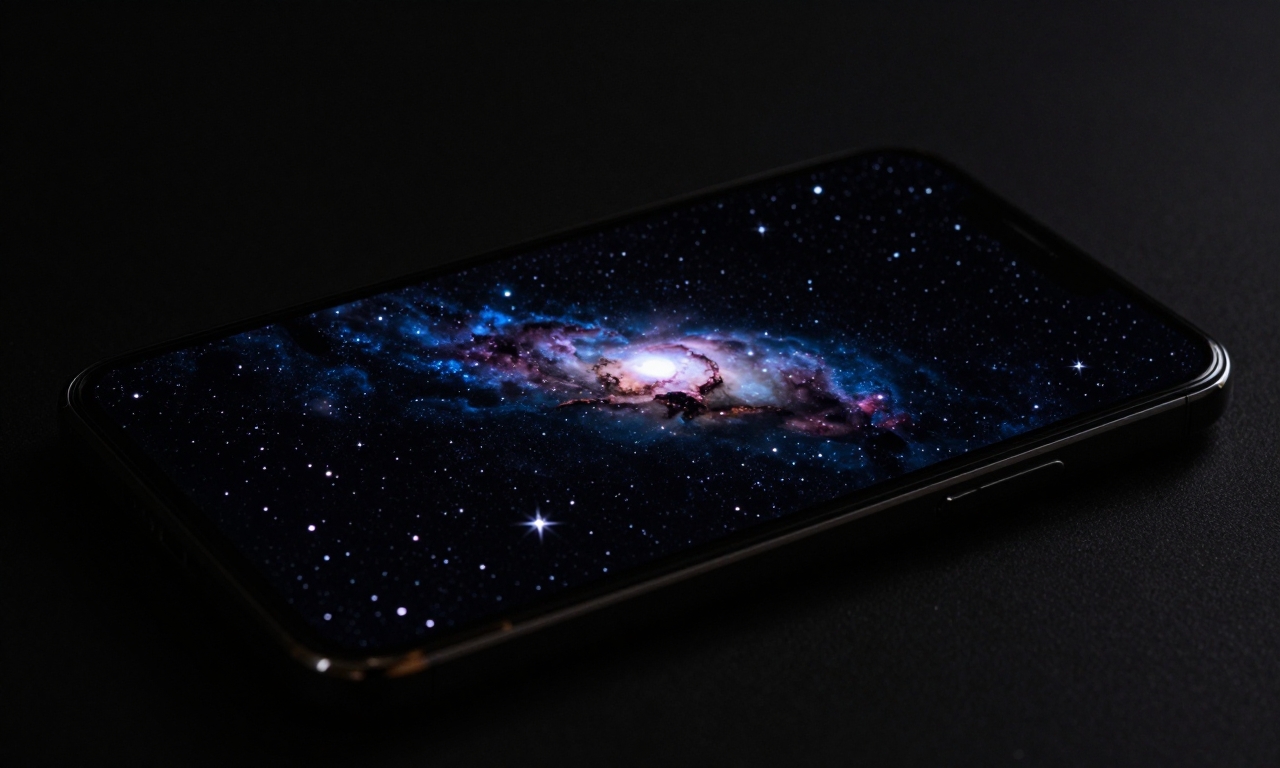
OLED screens are now the new standard of high-end Smartphones, with better contrast ratio and deep blacks after switching off a single pixel. The technology offers best color precision and viewing angle than the traditional LCD panels, hence it is best in media consumption and mobile photo usage. Nevertheless, OLED has not been devoid of trade-offs, such as the possibility of burn-in issues and increased costs of manufacturing which usually leads to these displays appearing in the reviews of flagship smartphones and not on budget phones. The flexibility of the designs used in OLED panels is also made possible by the organic materials which makes it possible to have flexible designs to drive the current hands-on foldable phone designs.
Mini-LED Technology
Mini-LED is the further development of display technology, which can partially overcome some limitations of OLED without deteriorating the image contrast qualities. Mini-LED displays can be used to bring spectacular levels of brightness and better power efficiency by consuming thousands of tiny LED backlights instead of one homogeneous backlight. It makes them special with HDR content and outdoor viewing, but they continue to fail at reproducing perfect black levels like the OLED because the areas behind the backlight are not pixel-based, even though they are very numerous. With this technology maturing, we are witnessing it being incorporated in the high end tablets and laptops first and then transferred to the smart phones to provide consumers with an attractive alternative to display technology in the market.
Refresh Rate Advantages
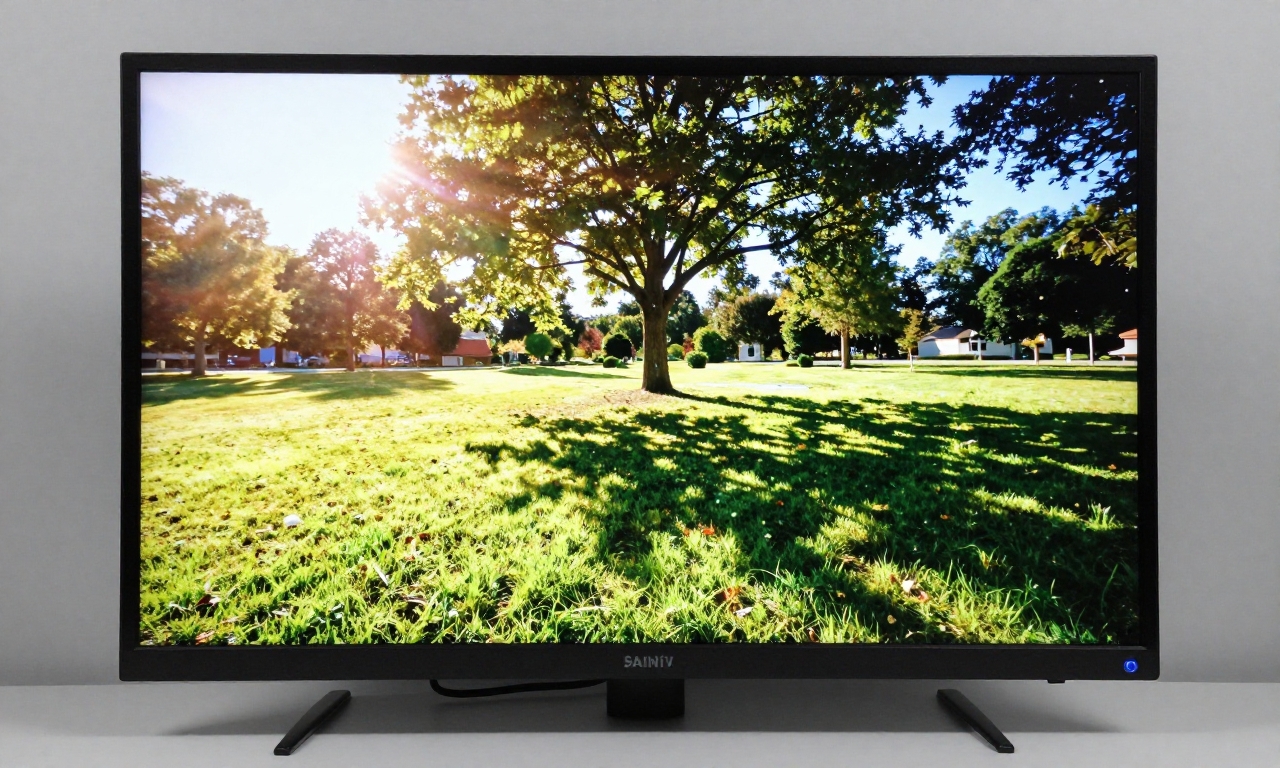
As a display technology has developed, refresh rate advantages are becoming more valuable and many current smartphones have a refresh rate of 90Hz, 120Hz or even 144Hz. Faster refresh rates result in a better scrolling as well as quicker touch input that is more evident during game performance tests and in general navigation on the phone. These are however accompanied by the issue of power consumption and it is against this reason that the adaptive refresh rate technology has been so valuable. Now Smartphones are able to dynamically control their refresh rates depending on the content to maintain battery savings and yet still provide the need of an efficient and smooth performance.
Color Accuracy
The color accuracy is another very important display specification where the difference in specifications exists considerably among technologies and manufacturers. Professional photographers and content creators tend to place more emphasis on the wide-color gamut and factory calibration displays, whereas amateur users would enjoy the opportunity of having more colorful and saturated display colors to entertain. These differences can be understood why certain smartphones are better than others in camera reviews and others focus on gaming or media consumption. The ultimate camera phones guide would usually feature exhibits which vividly depict recorded images, whereas gaming oriented devices may involve reaction speed and smooth movement.
Power Efficiency and Battery Life
The difference in the power efficiency of display technologies directly influences one of the key concerns of consumers battery life. The power consumption of OLED screens tends to be lower when switching to darker content as the black pixels of the screen will be turned off or a smaller area may be dimmed down using Mini-LED. No longer on the market in high numbers, traditional LCD panels are usually more regular in power consumption with no matter of content. Such efficiency aspects gain particular significance once one considers devices to be used in travel or in prolonged off-peak without access to a source of recharge and, therefore, display technology is the primary concern when it comes to the overall duration of a device.
Learning about Display Specifications That Matter
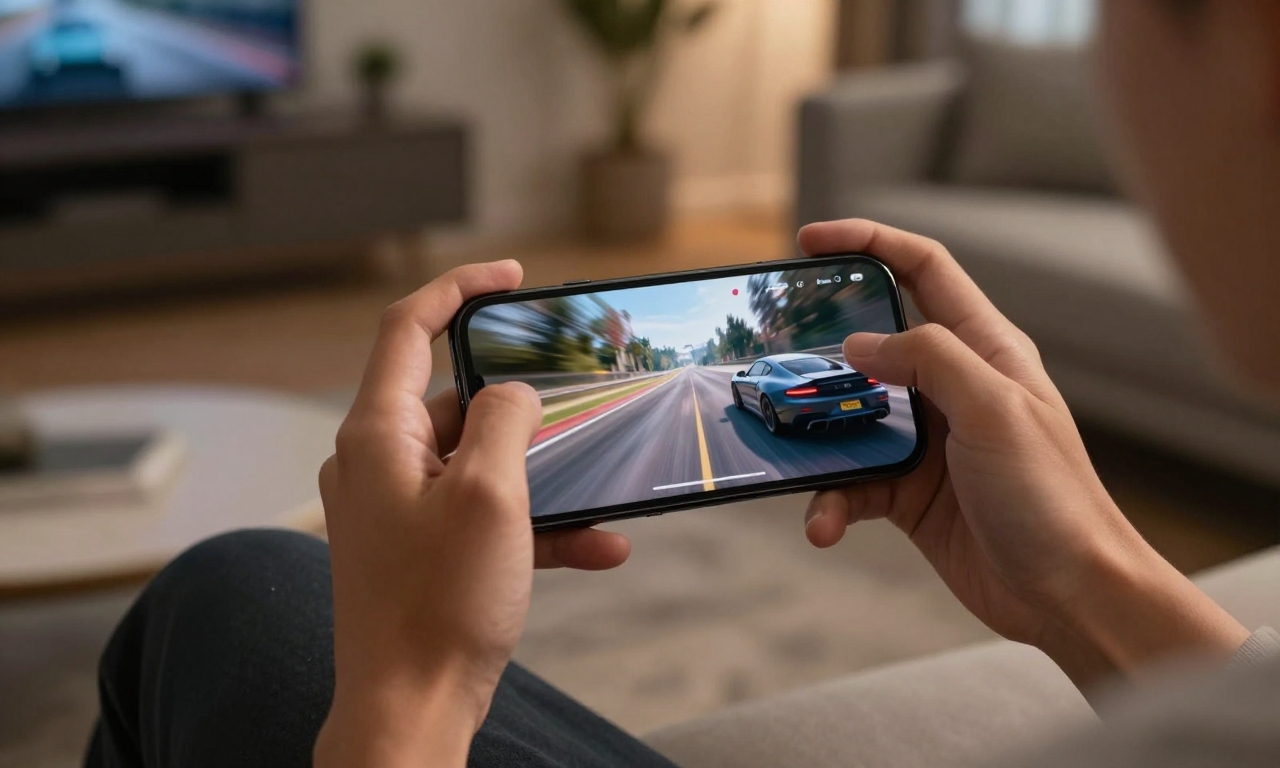
Comparing smartphones, one is likely to be lost in technical features that may not be applied in the real world. The resolution is not as important as the pixel density at a certain point though, and the peak brightness is imperative in the outdoor visibility. The HDR support is a great addition to the video material, which must be regularly viewed with compatible content. They should influence your buying choice more than pure figures, and help you to choose a display with which you actually make use, rather than on the theoretical limits.
Budget Factors
Budget factors always come into play in terms of display options and the OLED technology always sells at a premium price and LCD panels dominate the phone display versus the phone comparison segment of the market. Mini-LED now exists as a mid-range with certain high-end features at lower prices as the production level rises. The knowledge of such trade-offs can be used to guide consumers in their informed choices on where to use their smartphone funds, whether it is a display quality, camera features, or the whole performance. Occasionally a midrange device with an outstanding LCD display is better worth the money than a flagship with some minor OLED added.
Same Display Technologies in the future
The smartphone displays are bound to significantly change in the coming years with emerging technologies. MicroLED is the new holy grail of display technology, and integrates the ideal blacks of OLED with the brightness and lifespan benefits of Mini-LED. Although it is still prohibitively costly to achieve mass production, preliminary versions show a massive potential of what future flagship devices can be. Quantum dot developments also keep on boosting color volume and efficiency in all types of displays and the research on new materials can solve the longevity issues of the OLED without losing image quality.
Foldable and Rollable Displays
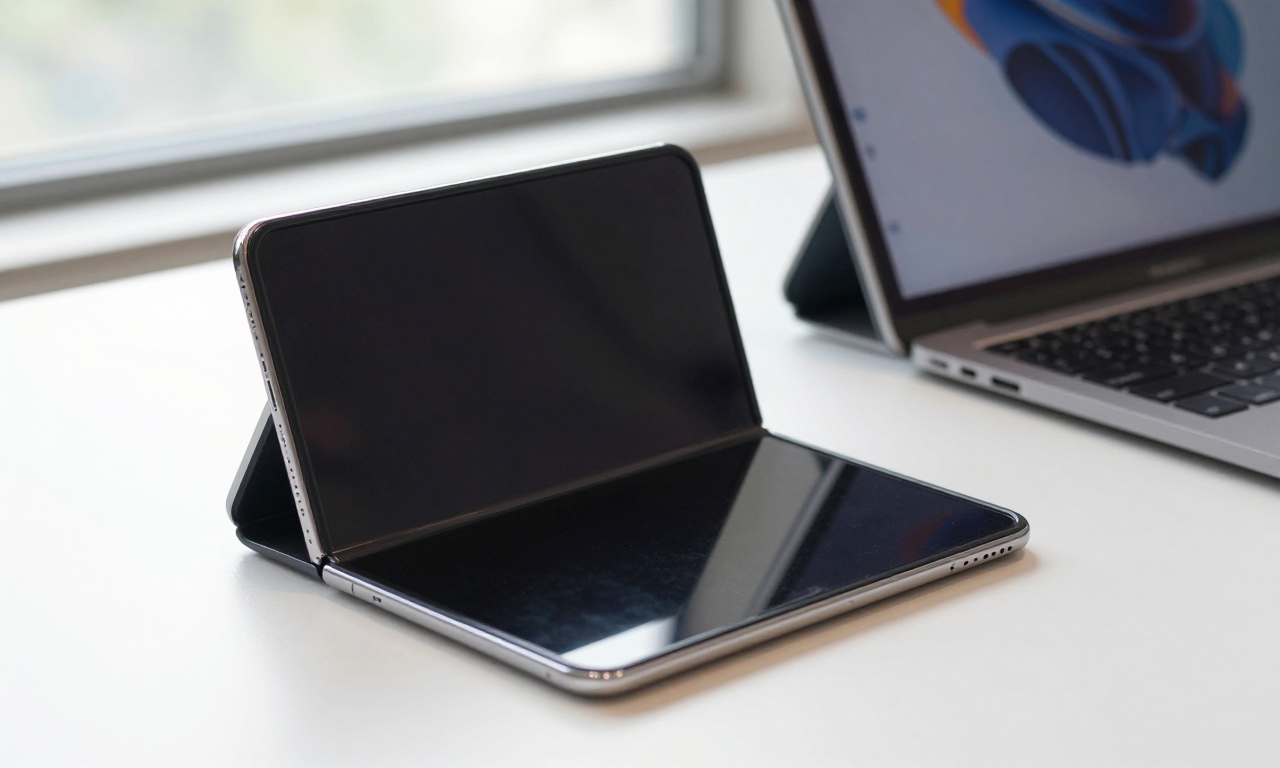
Another innovation in evolution of smartphone is foldable and rollable displays that can be facilitated by a flexible OLED technology. Such new form factors disrupt normal durability ideas and provide distinctive productivity benefits, especially in the area of tablet purchasing guides. These devices are getting better in the visual form of hinge systems and guard layers that are mitigating initial fears of screen life. The foldable phone durability analysis remains in its developmental stage that is associated with the development of the technology, as every new generation displays some certain reliability improvements.
Choosing Based on Usage Patterns
The choice of display technology that will likely be satisfactory to your next smartphone purchase should eventually be dictated by the patterns of usage. Consumers could think about the contrast and color accuracy of the OLED and the brightness and efficiency of Mini-LED by those who travel frequently. The improved high refresh rates with the adaptive technology will be valued by gamers, whereas the bigger or folding display might suit most the productivity users. Learning how various technologies can be used to meet particular needs, consumers need not rely on the marketing statements anymore but choose the display, which can truly transform their smartphone experience.
Informed decisions about display
The consumption in the smartphone display market is becoming increasingly varied, with additional options than it was before. Instead of just following the newest technology, you should think of how each display fits with your values, be it battery life, media usage, gaming capability or your budget. A lot of manufacturers have made great displays in all range of prices, which is why it is possible to find great displays both in iPhone buying guide and in Android alternatives. The trick is to find the right match between technology and need as opposed to thinking that newer is always better in your usage scenario.
With the active development of display technologies, further convergence of various approaches can be anticipated with each of them borrowing the advantages of the alternative. It can be expected that the future smartphones will integrate all the positive features of contemporary technologies with overcoming the shortcomings, but produce a display that is more efficient, durable, and a bit more striking. Meanwhile, the generalized insight into the basic differences between OLED, Mini-LED, and other emerging technologies has offered the basis to make wise choices regarding further purchase of a smartphone, and it is very likely to choose a display that truly is capable of making you enjoy a better daily digital life.