Follow us on Facebook
Breaking updates in your feed — tap to open
Display on Smartphone has changed significantly over the last few years, and refresh rate has become a central contesting point with flagships. Although 60Hz was acceptable before, manufacturers are currently advertising 90Hz, 120Hz and above refresh rates as a must-have feature. This change poses a significant question to customers: are these faster refresh rates really worth revealing any tangible advantages in real-world usage, or is it nothing but a marketing gimmick? To respond to this, we must go beyond the technical specifications and look at actual performance in the real world with various usage conditions.
Knowing Refresh Rate Advantages
Simply, refresh rate is measured by the frequency at which a display can refresh its image. A 60Hz display will refresh 60 times a second, and a 120Hz display will refresh 120 times a second. The hypothetical gain is simple: the higher the frequency of updates, the more comfortable should be the motion, and perceived lag should diminish. Practically speaking, it all depends on what you are doing with your phone. In simple tasks such as opening emails or reading inert content, the distinction of refresh rates will not be very apparent to the average user. The actual gains can be experienced when body movement and interaction are involved.
Scrolling and Browsing
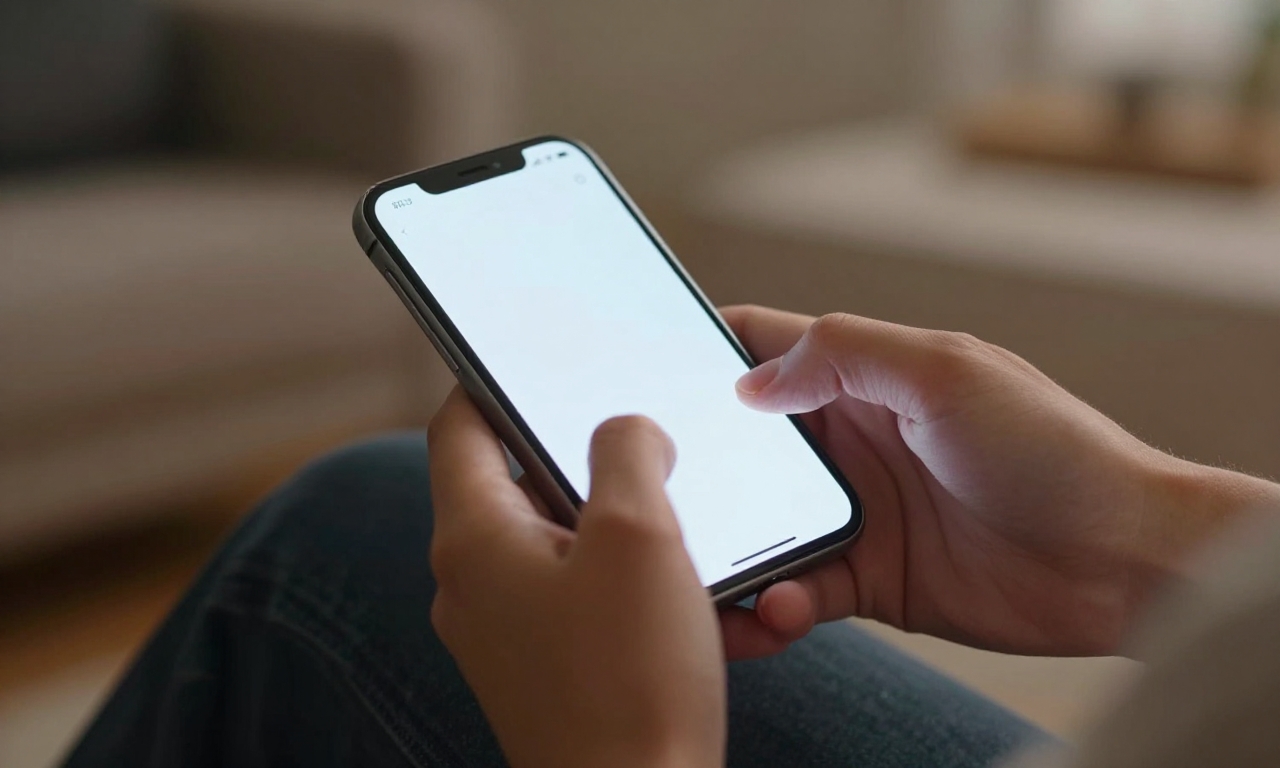
The most frequent smartphone use that involves refresh rate is scrolling through social media feeds, sites, or lengthy documents. The 120Hz display makes the scrolling look significantly smoother and more fluid, and the text and images remain clearer when moving very fast. It is not a minor addition which only tech fans notice. In blind tests of ordinary users, most of them could always locate the device with greater refresh rate when browsing through the material, explaining that the more responsive and natural feel. This disparity is especially evident as one quickly browses through photo collections or prose works.
Gaming Performance
Another area that higher refresh rate can significantly help in performance is gaming. Most current mobile games have 90Hz or 120Hz modes, and when combined with powerful hardware, the experience is revolutionized. Competitive shooters, racing games, and fast-paced action games are the best ones to enjoy the added smoothness with the animations becoming smoother and the controls even more immediate. It is not merely a question of visual polish. The lower input latency has the potential to offer a real competitive advantage in games where a split-second response is important. It is worth noting, however, that not every game can use high refresh rates and their effects are entirely dependent on how the developers implement them.
The Battery Life Trade-Off
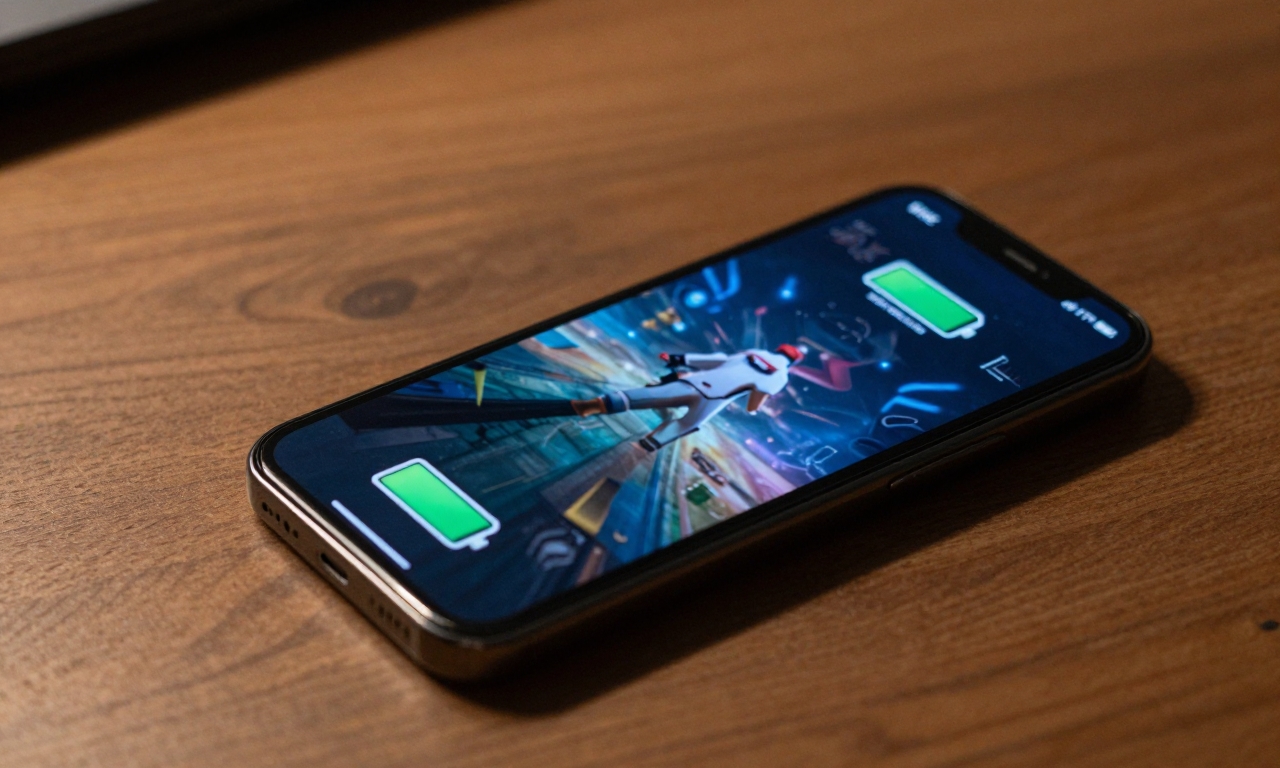
Another important issue that is frequently disregarded when the advantages of refresh rate are discussed is battery effects. On the one hand, higher refresh rates demand greater power complexity because the display controller and graphics processor have to work harder to produce more frames per second. The dynamic adjustment of smartphones with adaptive refresh rate technology tries to overcome it by dynamically alternating among rates depending on the content. When watching still pictures or video, the output may reduce to 60Hz or even below, then increase when movement is sensed. This clever management works to strike balances between performance and efficiency, but it still incurs an apparent cost of battery life in comparison to fixed 60Hz displays.
We found that under normal mixed usage (including social media use, web browsing, messaging, light gaming, etc.) a phone at 120Hz mode outperformed an identical phone in 60Hz mode by 10-15% of battery test duration. This difference may be insignificant to light users, who check notifications and occasionally make calls. It is a valuable consideration that can distinguish between those who will have to prepare to carry power banks or find fast charging options because power users cannot spend all of their days without using their phones. A large number of manufacturers have added battery optimization options allowing users to choose between maximum smoothness or long run time.
Who Really Needs High Refresh Rates?
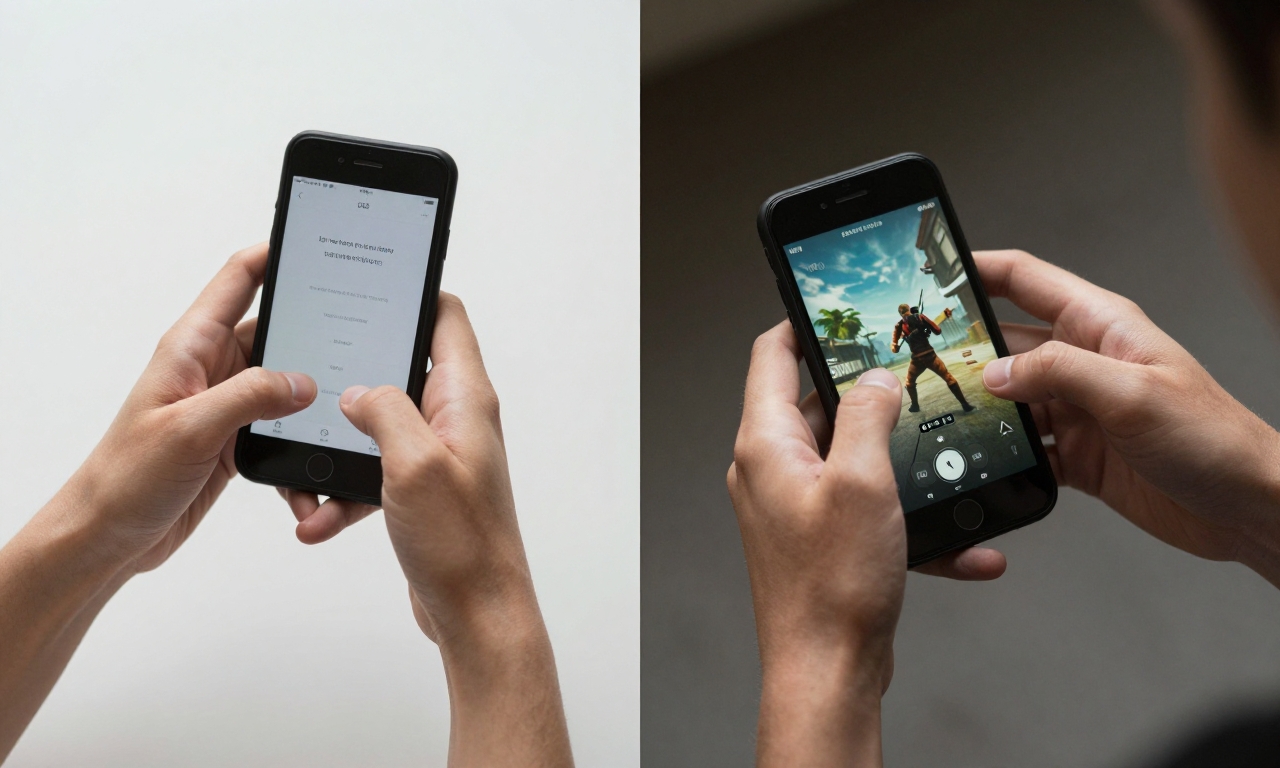
The question of whether the high refresh rate display premium is worth it also requires an honest evaluation of personal usage habits to answer. The extra cost and battery load might not be worth the extra functionality to users who consume mostly static material such as ebooks, documents, and photos, or who view mostly standard frame rate video. These end users may find more value in other display attributes such as color accuracy, brightness, or resolution. Better value can be found on midrange phones with good 60Hz OLED displays where such applications may be required.
On the other hand, those users who spend much time scrolling the content, playing supported games, or working with intensive animation apps will probably enjoy the better experience. The contrast becomes specifically prominent when one changes devices. After being practiced at 120Hz scrolling, a 60Hz phone can even feel a bit slow by contrast. This effect of adaptation implies that to a significant portion of the user base, a high refresh rate becomes one of the features they will never learn to live without after trying it.
Making an Informed Decision
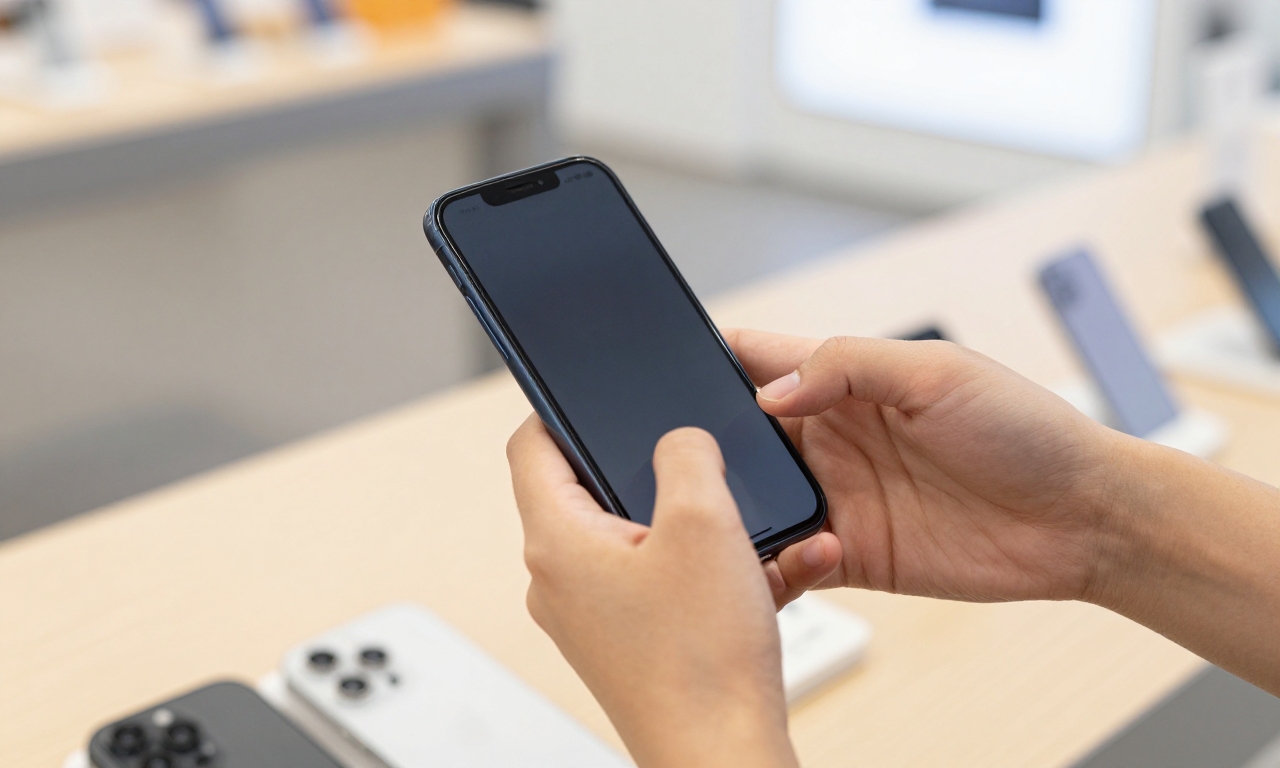
Considering refresh rate when comparing smartphones, it should be treated as a package feature but not a single attribute. A phone with a middle-grade 120Hz display and bad color performance and brightness will not offer a superior experience to an outstanding 60Hz panel phone. Likewise, a phone unable to support high frame rates in games because of thermal throttling or otherwise inadequate graphics will not be able to provide the advertised smoothness. The most valid is to test equipment upon visit, with special observation of the manner in which the equipment copes with the task or job you do most often.
Current offerings on the market offer choices on both the lower end and higher end to those interested in making an upgrade primarily to gain the refresh rate advantage. Apple, Samsung, Google, and OnePlus all use an outstanding high refresh rate display with advanced adaptive technology as flagship models. In the meantime, less expensive alternatives by other producers such as Xiaomi and Motorola introduce 90Hz and 120Hz displays to affordable consumers. No matter what type of shopping you happen to be, knowing how the refresh rate affects real world application will allow you to make a better informed choice which will be both more of your tastes and more grounded to what you really need.