Follow us on Facebook
Breaking updates in your feed — tap to open
Silent Observer in Your Pocket.
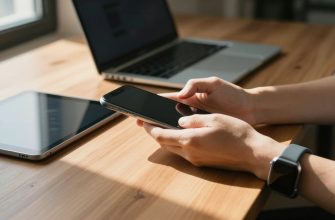
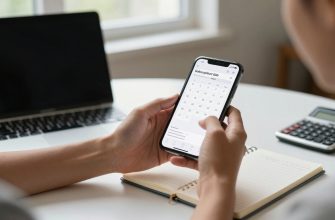
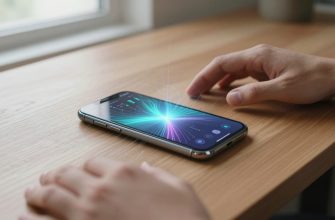
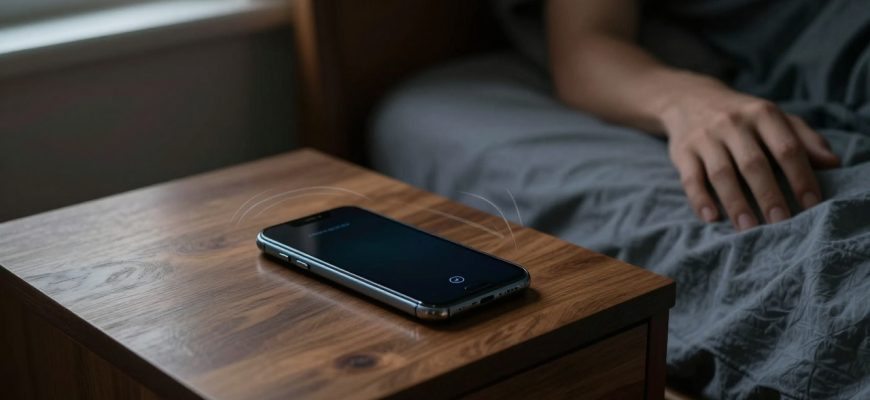
Your phone is no longer merely a communication tool, but rather a complex set of sensors that is very familiar with you. More than monitoring your fitness or organizing your timetable, new studies propose that our phones, whether it is a flagship phone such as the newest iPhone or Galaxy or a more affordable Android handset, are capable of noticing unconscious behavioral shifts that can hint at a behavioral imbalance (such as depression and anxiety). This is not a downloadable app but the passive data that you create every day; the speed of typing, the frequency of socializing, the tone of your voice, and even your sleeping habits captured on the connected wearables.
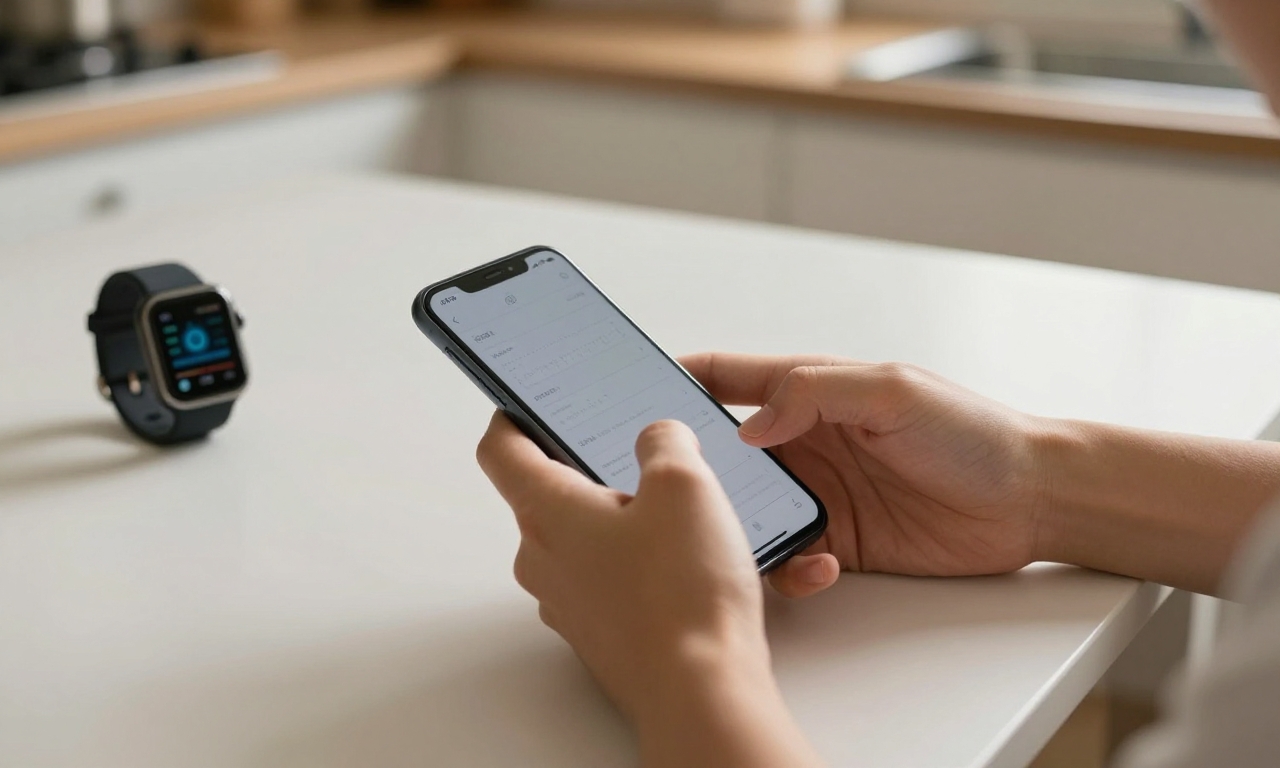
The Technology: Behavioral Biomarkers
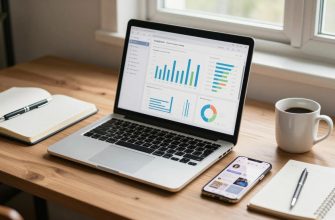
The technology is based on behavioral biomarkers. Research has revealed that when in bad mood, individuals may type slower, make additional mistakes or check their phones more at odd times. Reduced activity on social media or lowered messaging can be signs of social withdrawal. Voice recognition algorithms are capable of identifying small variations in pitch tone and speech rate that are associated with stress or depression. When compiled and processed through machine learning models, this data forms a digital fingerprint, behavioral phenotype, which may indicate problems far before a person seeks assistance.
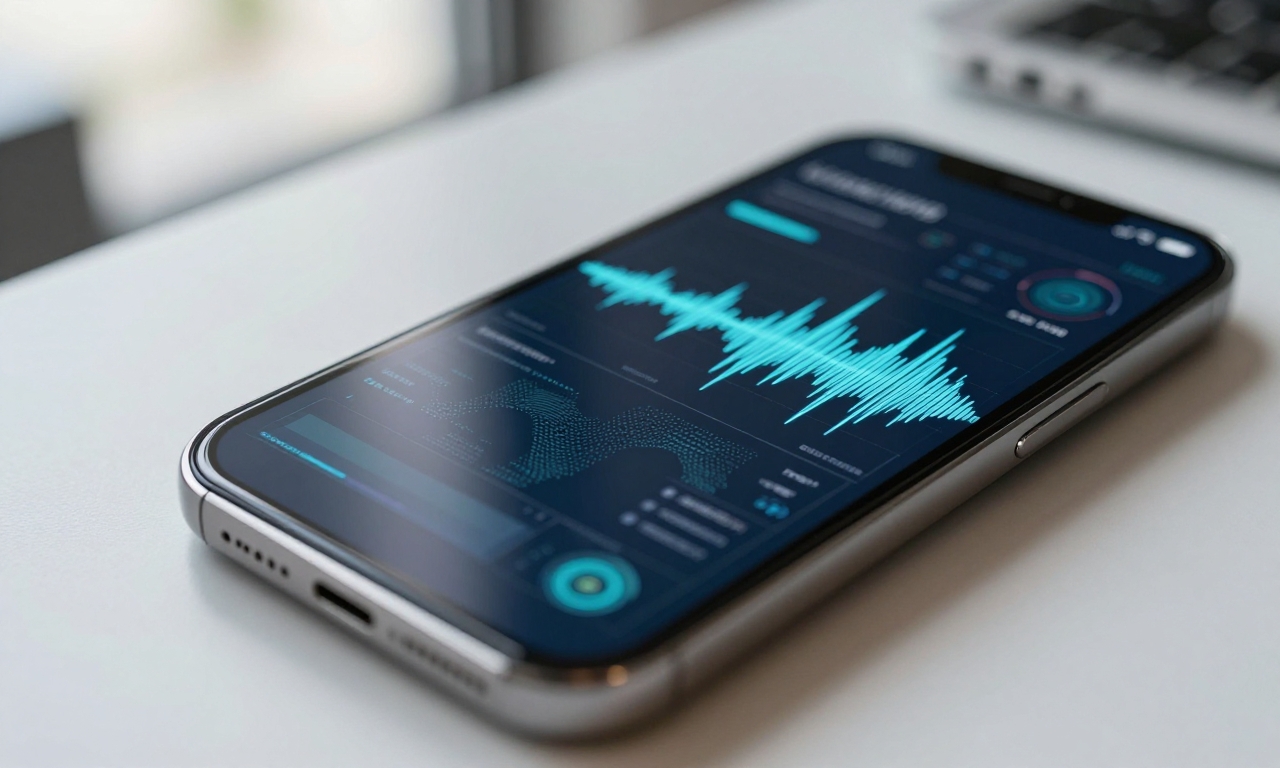
Precision and the Vow of Prompt Action
The possible benefits are great. It wouldn’t be hard to imagine a world in which your phone, either an iPhone with the newest version of iOS or a Pixel phone with its advanced artificial intelligence, could subtly give you a nudge with suggestions about resources or a check-in when it notices some of the tell-tale markers of struggle. In the case of the public health, it may involve timelier interventions and improved outcomes. It turns gadgets and wearables not only into useful tools but also into the possible protectors of health, providing information that is not perceived even by good friends.
Limitations and Accuracy
Nevertheless, accuracy of these digital diagnoses is a significant issue. The existing algorithms are not flawless but promising. They are able to report correlations and risk factors but not to substitute a clinical diagnosis by a trained specialist. False positives may be caused by things such as naturally slower typing speed or the choice to be less socially active. It is a technology that is subject to substantial, unending research to achieve a better sensitivity and specificity before it can be permitted to be trusted to do anything more than a suggestive screening aid.
The Data and Privacy Ethical Minefield
This brings us to the crux of the debate, ethics and privacy. It is creepy to imagine that our smartphones are in the process of conducting a silent, regular analysis of our psycho states. Who is the possessor of this sensational data? It could be the user himself, the phone maker such as Apple or Samsung, or the creators of the health apps. Security and privacy are enormous. Without stringent, visible policies and perhaps even new regulations this information is subject to abuse by insurers, employers or advertisers.
- Consent is a thing, is it informed when it is proceeding in the background?
- And what of the duty of care?
- What is the protocol, in case of evidence of a significant risk of self-harm detected by a system?
These are not mere technical issues but deep seated social issues that must be tackled along with the development of the technology. The utility and intrusion balance have never been thinner.
Looking Ahead: Not a Replacement, a Tool
And what does that portend of the future? This technology will probably integrate further in our mobile ecosystems. We could observe functionality in health apps on Wear OS or watchOS which includes metrics of mental wellbeing as well as physical. It is just important to put it in the right context: the tool is meant to help us understand ourselves better and serve as an early warning mechanism, but not a fully diagnostic one. Its ultimate benefit can be seen in enabling individuals with a personalized insight into their own habits that would make them request professional assistance when necessary.
To sum up, the capability of our smartphone and our wearable information technology to read our minds is a two-sided sword of incredible opportunity and incredible danger. The next generation of smart technology, whether it be foldables with a big screen or increasingly more precise health sensors, needs to be approached with just one demand: ethical formulation, watertight privacy, and demarcated boundaries. The idea is to learn how to use this power to make the digital space a less hostile one, rather than a monitoring one, which undermines our basic security and tranquility.
| Feature | What it enables | Best for | Notes / limits |
|---|---|---|---|
| Passive data collection (typing speed, social frequency, voice tone, sleep habits) | Noticing unconscious behavioral shifts hinting at imbalance (e.g., depression, anxiety) | Early indication of problems before a person seeks help | Not a downloadable app; data from daily use and connected wearables |
| Behavioral biomarker analysis (typing patterns, phone checking, social media activity, voice recognition) | Forming a digital fingerprint/behavioral phenotype via machine learning | Identifying correlations and risk factors for stress or depression | Cannot substitute a clinical diagnosis; subject to false positives |
| Subtle nudges or check-ins based on detected markers | Suggesting resources for support | Timelier public health interventions and improved outcomes | Acts as a suggestive screening aid, not a definitive diagnostic tool |