Follow us on Facebook
Breaking updates in your feed — tap to open
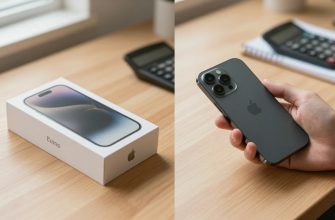
The smartphone ownership trend is experiencing a paradigm change with the right-to-repair laws getting steam across different countries. What started as an underground trend by tech prodigies has turned into a consumer rights movementthat is changing the way we engage with our technology. This is not merely a process of mending cracked displays, or swapping batteries, but it is rather re-taking ownership under the circumstances that the one who makes our electronics has been taking over the lifecycle more and more. Its implications do not just end on mere repairs, but it influences all aspects of environmental sustainability to consumer preference and technological innovation.
- Repair Ecosystems and Manufacturer Control
- The Manufacturer Response Spectrum
- Third-Party Repair Services
- DIY Smartphone Repair
- Real-Life Factors on Device Longevity
- Battery Life Management
- Durability Capabilities
- Performance and Software
- The Environmental and Economic Impact
- Future Trends in Smartphone Design
- Practical Advice for Consumers
- Conclusion
Repair Ecosystems and Manufacturer Control
Repair ecosystems have been traditionally highly controlled by manufacturers using proprietary tools, limited access to parts and software locking denying third-party repair. The repairability of the iPhone has been one area in which Apple has been heavily criticized, but the company has in the past made it hard to get real parts and diagnostics tools to be accessed even by the independent repair shops. A Galaxy device has not been spared of this criticism but the company has been making recent compromises due to the pressure exerted on it by the regulatory bodies. Google has been more forthcoming in others, especially on their repair manuals and parts, which have created an alternative precedent in the Android ecosystem.
The Manufacturer Response Spectrum
As an industry, the responses to right to repair pressure are vastly different based on the company.
- Other manufacturers have taken the trend up offering official self-repair methods and supplying consumers with authentic parts, specialized equipment and step-by-step repair manuals.
- Others have been more resistant and have continued to repair their traditional repair ecosystems with only a few compromises carried out to fit the regulatory requirements.
- The most innovative businesses are making their next generation machines to be repairable, with modular construction and common fasteners that will allow one to conduct their DIY repair.
The range of reactions itself is very indicative of the philosophy of each company in regards to the ownership of products as well as the rights of their consumers.
Third-Party Repair Services
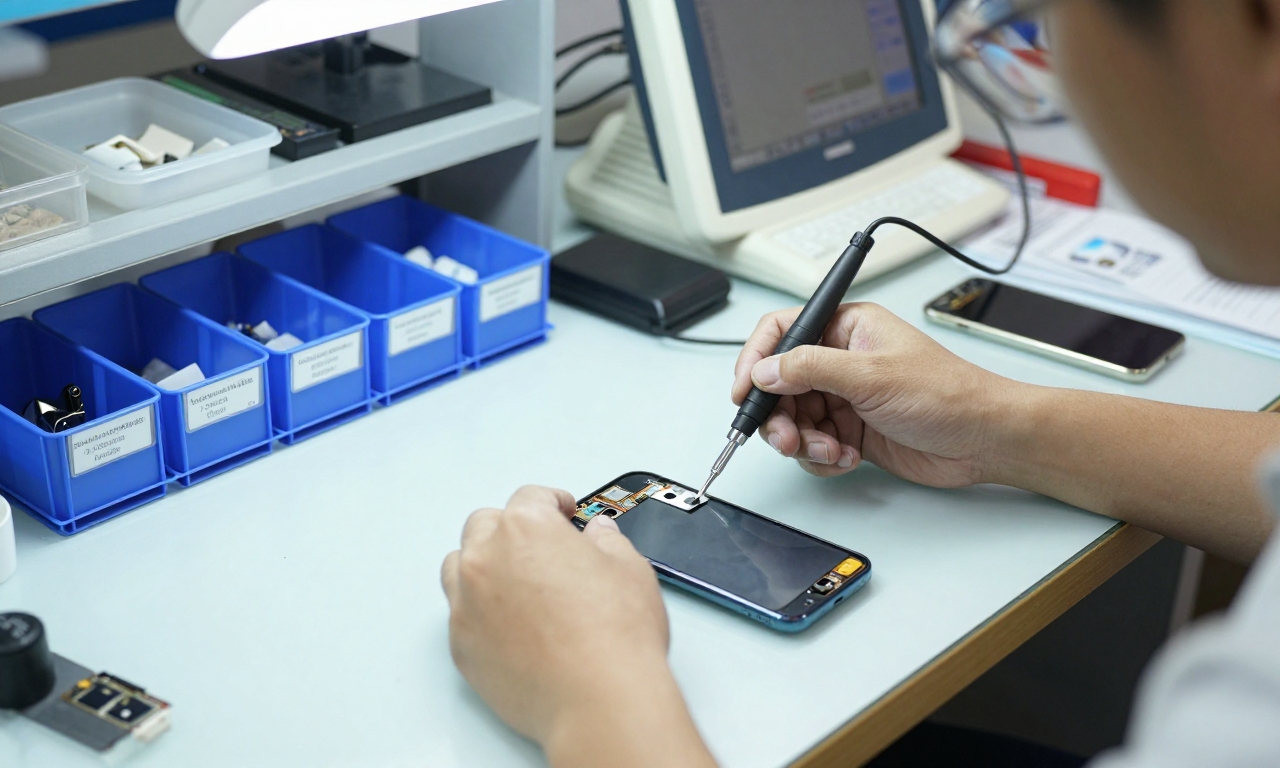
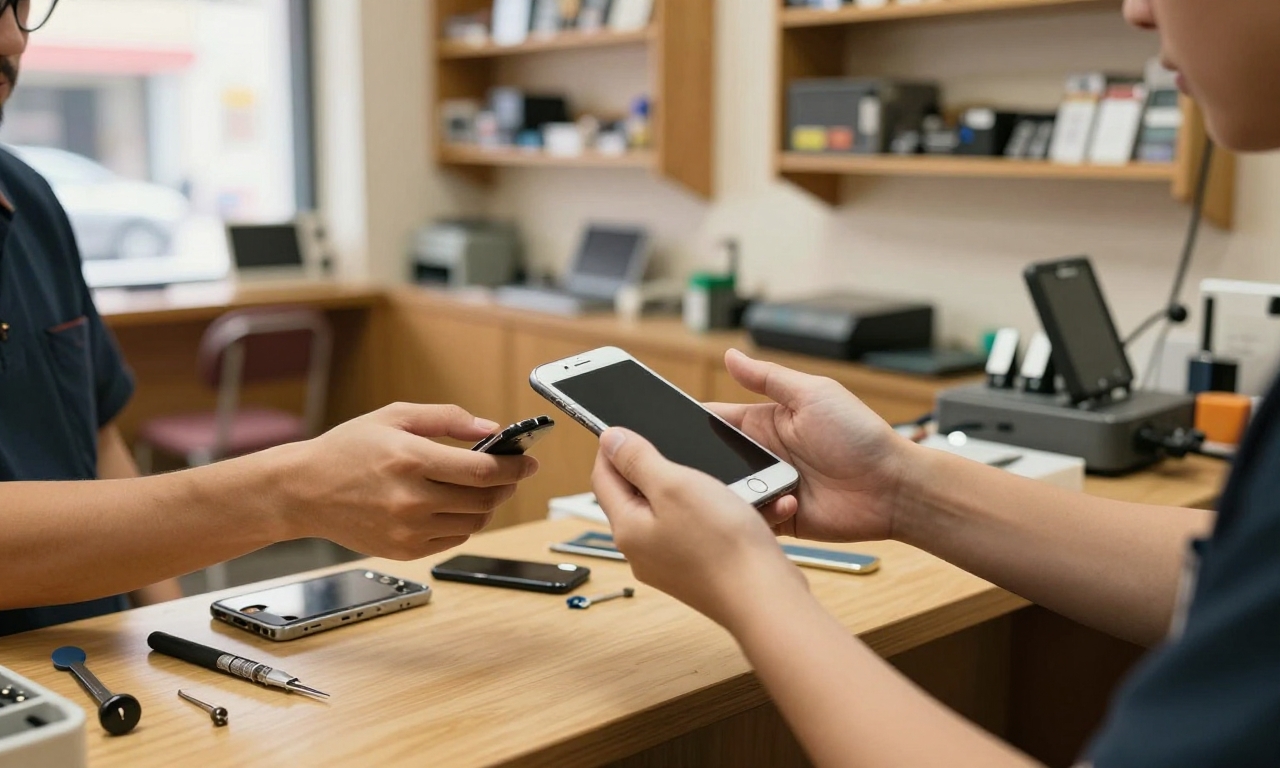
A new approach to repair programs is the third party repair services which provide an important alternative to the manufacturers being in control. The independent repair shops tend to have faster turnaround time and reduced price compared to the approved service centers but quality may differ greatly.
- Most third-party providers who are the best ones take the duration of providing quality training and good replacement parts, whereas the others might save corners using low quality parts which innate device performance or safety.
- When consumers are making a decision about whether to have a third party repair their devices, it is important to make sure you research on the providers and comprehend the effect that the whole process would have on the device warranties as well as subsequent software upgrades.
- Other manufacturers have been starting collaborations with independent repair providers with the resultant hybrid models offering a mixture of a manufacturer support, with local service convenience.
DIY Smartphone Repair
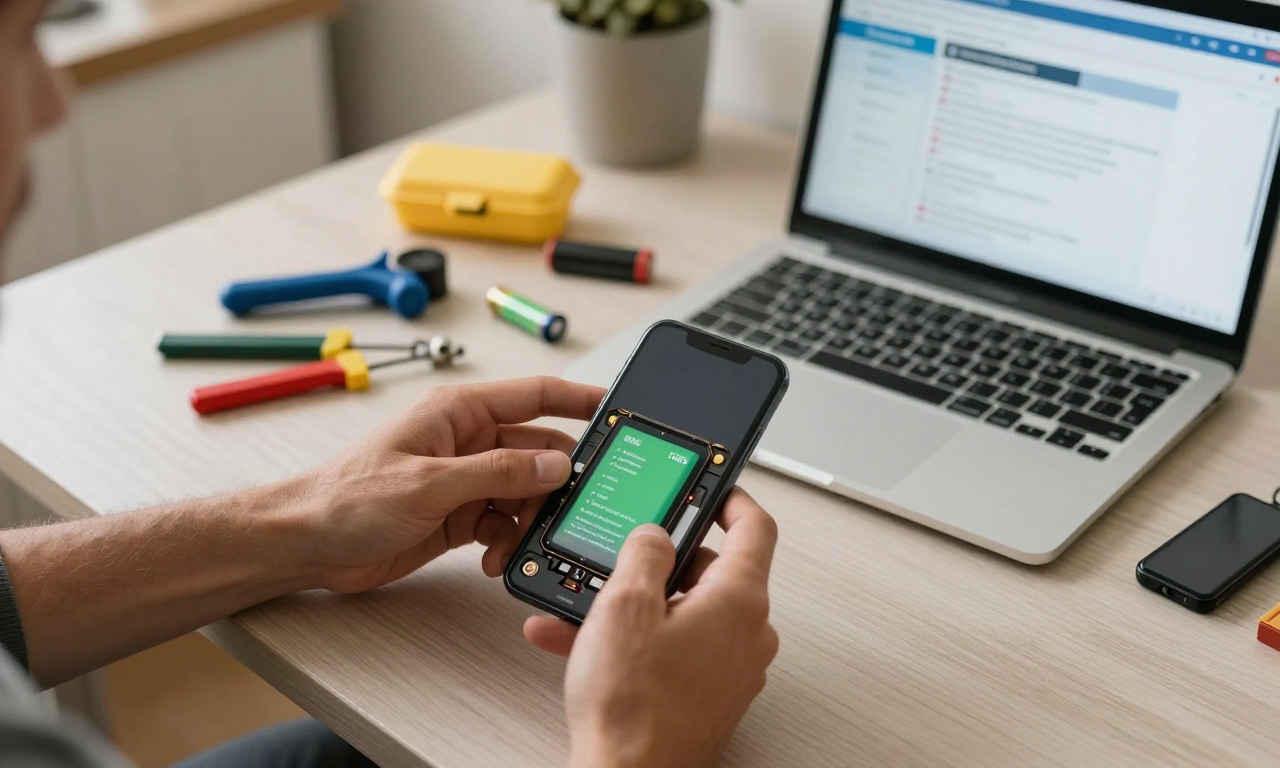
The access to online guides, specific toolset, and increased availability of parts make DIY smartphone repair even more available.
- When people need to change a smartphone battery, they should use to be a complicated and tedious procedure that demands the usage of special tools and tools, but now it is possible to do this, even with the minimum level of technical skills considering energies.
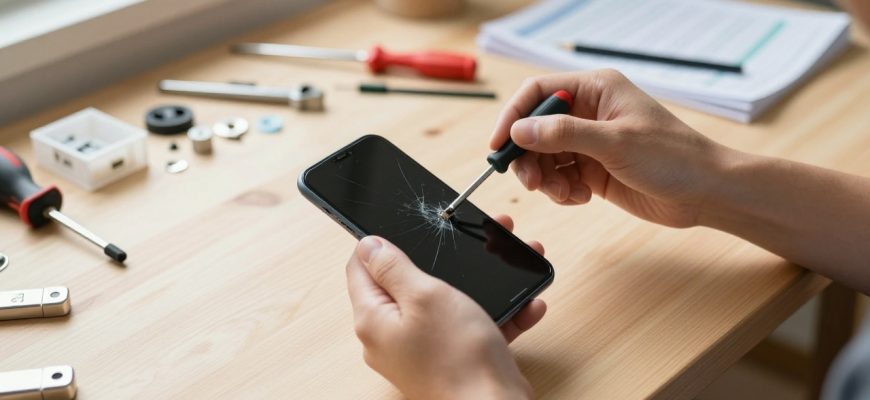
- Even the replacement of screens is harder because of adhesive bonding and fragile display connections although such tasks have become easy with proper guidance.
The trick to successfully doing DIY repair is to get the right tools to the task, having the knowledge of the exact needs of your device and doing it very meticulously. A number of users find that simple repairs help them build confidence with which to go about the bigger tasks at a later stage.
Real-Life Factors on Device Longevity
Battery Life Management
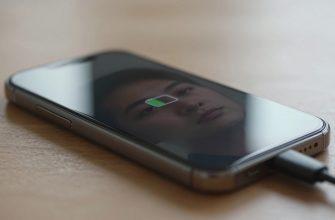
To add some time to your smartphone life, repair ability isnât all that is needed, though prudent habits of using your smartphone and even taking care of it. The first step in terms of battery life management is to comprehend the characteristics of charging and evade excessive temperatures that hasten the performance.
- Quick charging technology is convenient and can be used in excess but can cause long-term wear of the battery.
- Wireless charging offers the convenience of not needing cables but it produces more heat which in the long term can cause problems with battery performance.
When a user wants the highest possible longevity of a device, a moderate and balanced way of charging the device, which is balanced in terms of charges per second and the desired temperature, can work wonders.
Durability Capabilities
Durability capabilities are important in defining the extent to which smart phone can survive through the day-to-day use and possible accidents.
- Waterproof ratings function as well as liquid-resistance, but these waterproof ratings might lose their effectiveness over time and might also be ruined by prior repairs.
- Resistance to impact is a factor of the construction of the device as well as protective covers such as cases and screen protectors.
- Other manufacturers are developing phones that have stronger frames and more sturdier material which can withstand drops and impacts.
Knowledge of the peculiarities of the particular strengths and weaknesses of your device can be used to determine when costly repairs are worthwhile and when replacement by a spare part will be the more viable choice.
Performance and Software
The concept of performance goes beyond the issue of raw processing power to include the issue of performance degradation with time.
- Software updates can have a noteworthy effect on the performance and some updates to software will streamline performance and others can also cause compatibility problems with older hardware.
- The issue of storage is the more the apps, photos, and files stored the more important storage management can be after years of usage.
- The security and privacy capabilities should be maintained up-to-date to address the threats that are changing, which also presents a conflict between the life of the device and the security needs.
Manufacturers that offer longer software support windows allow users to have devices functional and secure over a long time.
The Environmental and Economic Impact
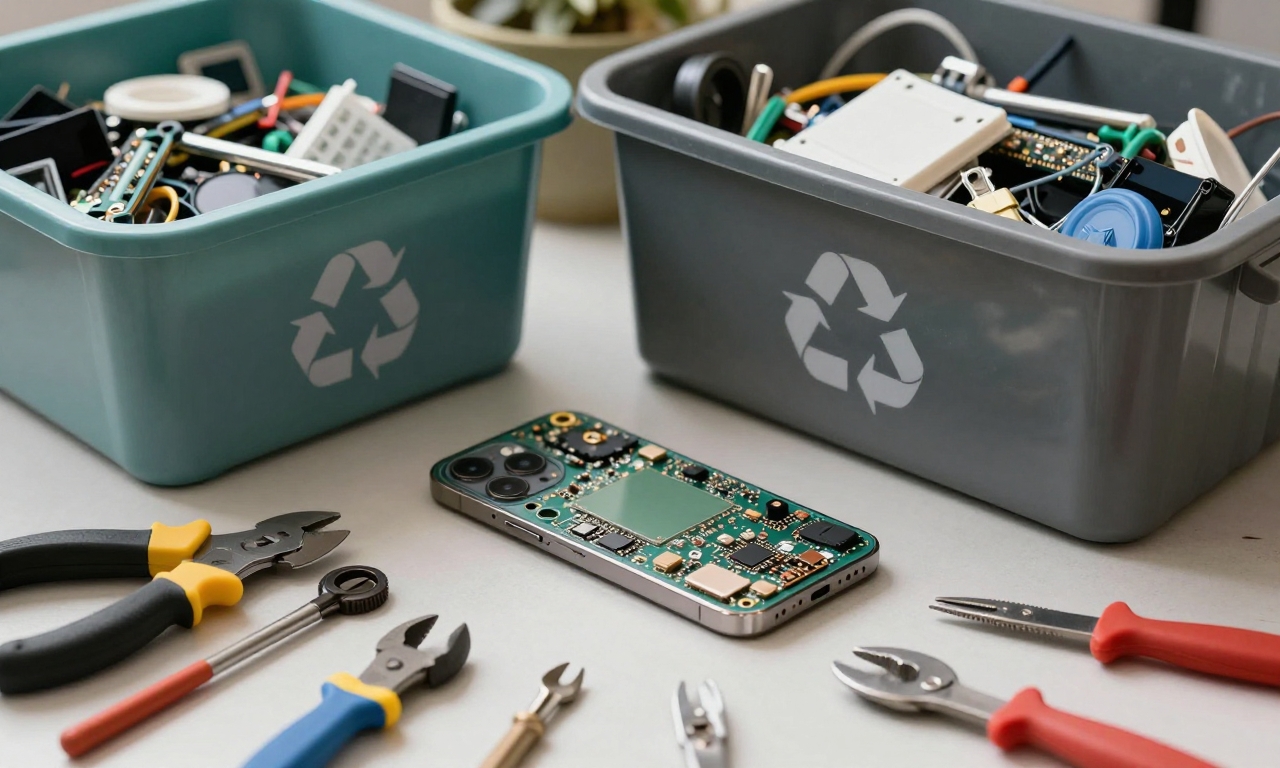
The environmental factors of repairable smartphones go much deeper than the lifespan of individual devices. EW is one of the most rapidly increasing waste streams in the world, with millions of smart phones being thrown away in every year. The right-to-repair directly solves this issue, as it prolongs the life of devices and leads to a decrease in the necessity of a new production. The financial gains are transferred to consumers who will save money by repairing and not replacing their devices and the local economies that benefit by serving the independent repairing businesses. That leads to a vicious circle of environmental sustainability with economic feasibility and consumer empowerment.
Future Trends in Smartphone Design
In the future, the right-to-repair movement will probably impact the smartphone design on a fundamental level.
- Already, we are seeing manufacturers thinking differently about the application of adhesives, parts modularity, and access to tools in their design.
- The adoption of USB-C as a universal charging standard is one such success story involving the use of standardization instead of making us-b defects more complex.
- In the future, devices will have additional parts of replacements and more rigid repair routes as creators of these devices will react to the regulatory control as well as to the demands of consumers.
Such an evolution will offer the ability to build intelligent phones, which will be more useful in the life cycle of the phone instead of promoting the act of phone replacement.
Practical Advice for Consumers
To the consumers in the evolving environment, the first practical advice would be to conduct research on the possibilities of doing the repair rather than purchasing things.
- There are manufacturers that offer better comprehensive repair guides and parts supply than others, which should be taken into account, in addition to the usual specifications such as the quality of the camera and processor power.
- Where repair is required, knowing the warranty issues will result in making wise decisions in regards to manufacturer repairs, authorized repair shops, and independent repairs.
- Developing simple repair capabilities by completing less complicated tasks can equip the users with much more arduous repairs to come in the long run which can help prolong the life of devices by years as opposed to months.
Conclusion
The smartphone mending business is not merely a technical paradigm but a philosophical reparation of ownership in a Renaissance disposable technological society. With the ongoing development of the right-to-repair laws and changes in the strategies of the manufacturers, consumers obtain more power over the lives of their gadgets than ever. This trend balances the environmental accountability with financial feasibility, by developing smartphones that preserve the user longer, with less electronic waste. These trends are still developing, and the future of smartphone ownership is becoming more healable, sustainable and user-friendly.