Follow us on Facebook
Breaking updates in your feed — tap to open
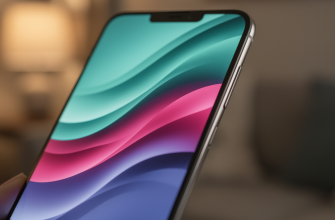
Personalization of a smartphone has become an inherent part of our digital lives, as we have turned boring gadgets into personal extensions of our character. Whether it is the custom launcher that entirely transforms the user interface or the theme-specific categories that alter all the visuals, the feeling of altering our devices is empowering. This customisation trend has been fast-tracked with increasing access to third-party applications that promise increased capability over and above that offered by manufacturers. Yet, below this veneer of artistic thinking is a maze of security issues that most end users fail to recognize in the quest to create the best personalized experience.
Comprehending the Security Implications
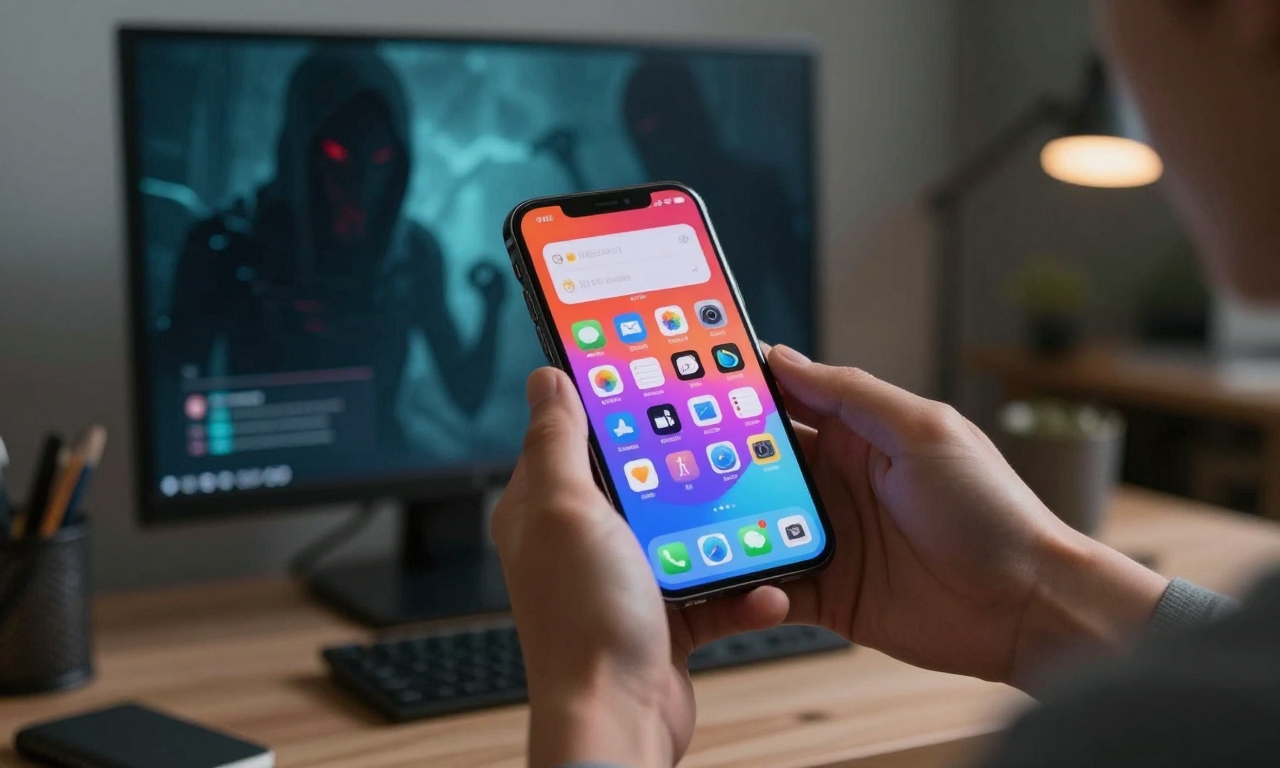
Third-party customization tools do not always work within a secure framework, though manufacturers such as Apple with the iOS and Google with Android have stringent approaches to security. Premade launchers, such as those of a custom nature, often need a significant amount of permissions to operate successfully, which can key into sensitive information such as messages, contacts, and location data. Non-official themes downloaded can include malware or tracking code which is not visible and thus affect the integrity of the device. Even some customization apps, which appear to be quite harmless, can introduce vulnerabilities that can subsequently be used by sophisticated attackers to unlawfully access your device.
Performance Impact of Excessive Customization
Another important issue that is usually overlooked is performance impact of excessive customization. Adding a new customization layer introduces new computational load which can decrease the responsiveness of the entire system. Slow load time of apps, shorter battery life, and higher thermal emissions are frequently reported by users on devices that use several customization tools at the same time. These performance problems are especially conspicuous when working on particularly challenging tasks such as mobile gaming or when using various applications that require a lot of resources to work with. A combination of various customization factors can turn a high-performing flagship smartphone into a slow phone that cannot cope with simple tasks.
Security Threats from Third-Party Sources
One of the biggest security threats is third-party app stores and unauthorized channels of customization material. Whereas official apps stores run verification, other sources do not have the same security checks. Examples of this are the numerous instances of malicious actors masquerading as common customization tools to exploit the need of users to have their own interface and functionality. Such vulnerable applications may install keyloggers, ransomware, or data-harvesting applications silently in the background. The danger is further heightened by the fact that in cases where user turns off manufacturer security warnings, users install customization content that is not verified.
Data Privacy Concerns
Data privacy is not driven by malware alone but also by the actual customization tools that have been identified as legitimate but collect too much information about its users. The permissions most customization applications seek tend to be much more extensive than the very nature of their functionality merits, posing a risk of privacy breach. These applications may follow utility trends, gather positioning information, or access personal files in the name of delivering highly personal experiences. The information gathered usually ends up in the hands of third-party advertisers or analytics firms forming digital footprints that users do not necessarily know or agree with fully.
Safe Customization Practical Guidelines
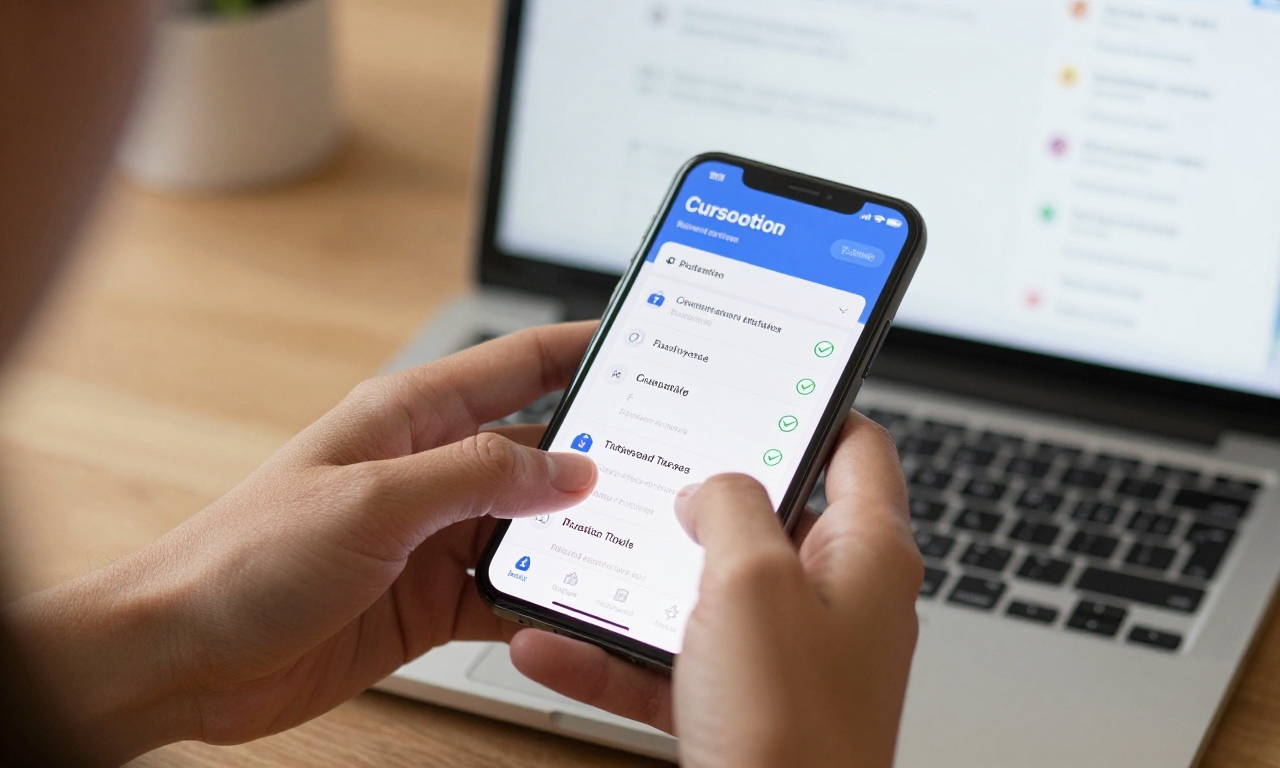
Manufacturers have introduced different security mechanisms that a user must learn before personalizing their devices. iOS and Android both have permission management systems, which enable control over what each app can access with a set of specific settings. Security patches are implemented on a regular basis to cover the new vulnerabilities that have been uncovered which makes it vital to maintain both the operating system and the customisation applications to date. Inbuilt security scanners would be able to detect malicious software when not in use and features such as sandboxing would ensure that infected software would not compromise the whole system. Knowledge of these inbuilt protections gives a basis to safer customization practices.
Choosing Customization Tools
- In choosing customization tools, not only do you want applications that are developed by reputable developers with proven track records.
- Formal application stores tend to be safer, as compared to third-party sources, but also they need to be carefully considered.
- Check user reviews with a particular focus on security states, searching suspicious activity patterns of complaints regarding data collection.
- Make sure that permissions granted match the functionality listed in the app description, a theme-changing app does not require access to your messages or contacts.
- It is advisable to begin with customization options which manufacturers themselves offer, because such are subject to more stringent security testing.
Maintaining Device Performance
- To customize maintenance to last longer than the device and retain the normal functioning of the equipment, requires focused decisions regarding what to be changed.
- Instead of having a variety of competing customization layers, pick one that fits the majority of your requirements.
- Monitor system resources when new elements of customizations have been installed, and observe abnormal battery drain or performance loss.
- Regularly re-establishing customization settings to baseline is a consideration made to evaluate their aggregate effect on your device.
- Lighter customization options that do not need background processes to be run continuously can offer the most useful compromise to users concerned about performance.
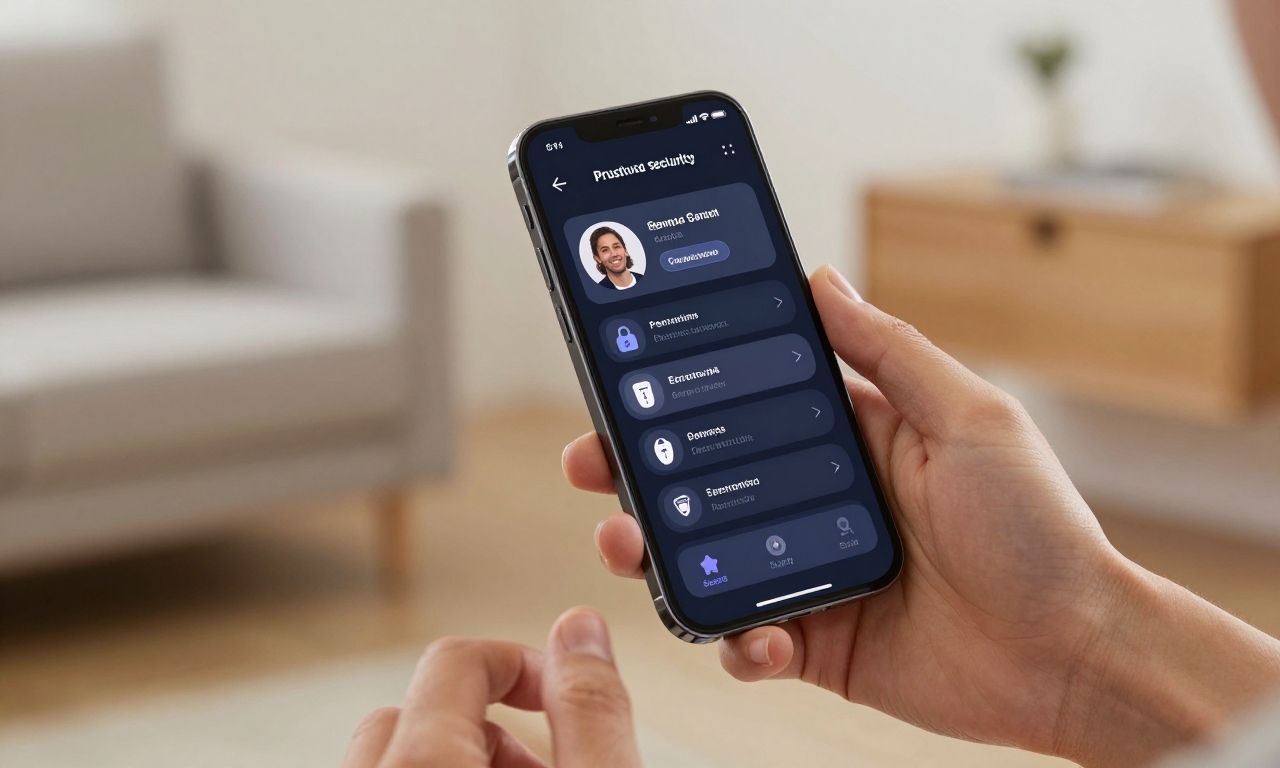
Tension between Protection and Personal Expression
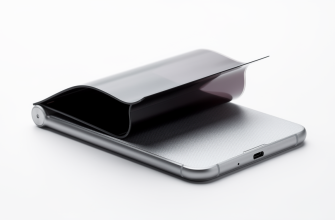
Smartphone personalization has come a long way with manufacturers appreciating the need to customize their phones whilst keeping up the security standards. The Android updates as of late have made more permissive theming systems in a safer method, and iOS has slowly provided increased customization options without damaging its security paradigm. In the future, it can be expected that more advanced permission systems can be developed that enable more granular control over which elements of customization can be accessed. With more and more customization in foldable phones and other advances in form factors, manufacturers are bound to develop new strategies of customization to fit just into emerging security paradigms.
Finally, the personalization of smartphones has been an aspect of compromise between self-expression and real-world security. With the knowledge about the risks of different customization methods, users can decide and personalize their devices. The best personalized experiences are usually the most gratifying ones, achieved through considerate selections of manufacturer-delivered features, and third-party tools that are thoroughly vetted. By exercising adequate security measures and paying attention to performance, users may customize their unique smartphone experiences that resonate with their personalities without causing a loss of device integrity or risks to data wellbeing.
The correlation between customization and security will keep on changing with the growth of the user expectations and technological capabilities. The manufacturers that manage to combine the flexible personalization options with the strong security structures are most likely going to have competitive advantages in more and more crowded markets. To users, creating literacy around the impact of customization on security and performance is a critical digital skill in a time where our smartphone devices contain more and more sensitive components of our lives. We will be able to benefit through informed decisions and constant care, having customized gadgets that are not only a mark of individuality, but also reliable devices in contemporary living.