Follow us on Facebook
Breaking updates in your feed — tap to open
With the growth of smartphone technology, there is one item that is a universal concern, the battery. With time, all lithium-ion batteries are going to degrade, and their capacity, performance, and frustratingly frequent charging will become necessary. Natural wear offers users a serious financial and practical question: do I invest in a battery for the replacement or buy a new device entirely? The solution is based on a cautious consideration of expenses, gadget state and individual demands.
Understanding Battery Degradation
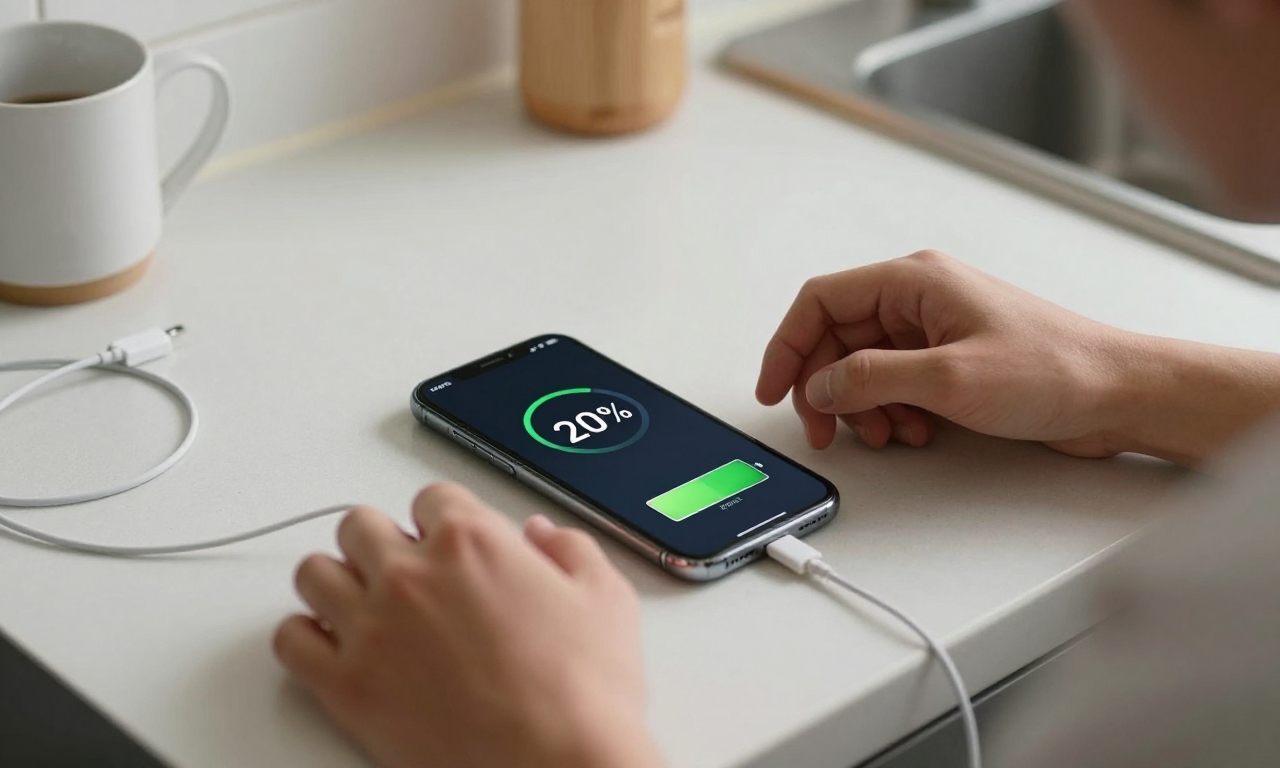
The first step is to understand battery degradation. The average capacity of a typical smartphone after 500 full charge cycles is approximately 80% of the original capacity. When your device is unexpectedly turning off at 20 percent charge, or it is taking much longer to achieve a complete charge, these are both definite signs of a defective battery. Another prevalent effect on user experience is performance throttling, where the processor intentionally reduces its speed to avoid unexpected termination, especially when performing resource-intensive applications such as gaming or utilization of camera functions such as night mode.
Replacement is Financial Makes Sense When
Battery replacement can be of significant value to most users, particularly those who have smartphones at the flagship level, which are not more than a year or two old. Manufacturer programs such as those offered by Apple (iPhone) or Samsung (Galaxy devices) are access to authentic components and official installation. Even though these services are more expensive than third-party alternatives, they maintain ratings of water resistance and can work with other features such as MagSafe or fast charging. The investment tends to increase the usable life of a device by 2-3 years at a small portion of the price of a new phone.
There are also less expensive third-party repair shops, and the prices here can drop to 40-50 per cent compared to official services. Nevertheless, the quality differs greatly. Others stock batteries that are of high quality aftermarket but deliver almost the same performance as the original, whereas others stock substandard cells that can be poorer in safety circuits. Always check the reputation of a shop and inquire about the warranty. Maintenance of the device may also be affordable to low-end phone users of a third-party repair, this is especially enticing.
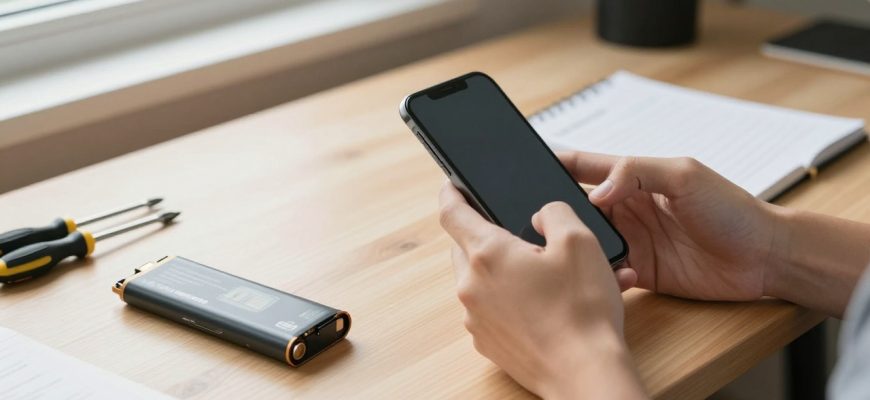
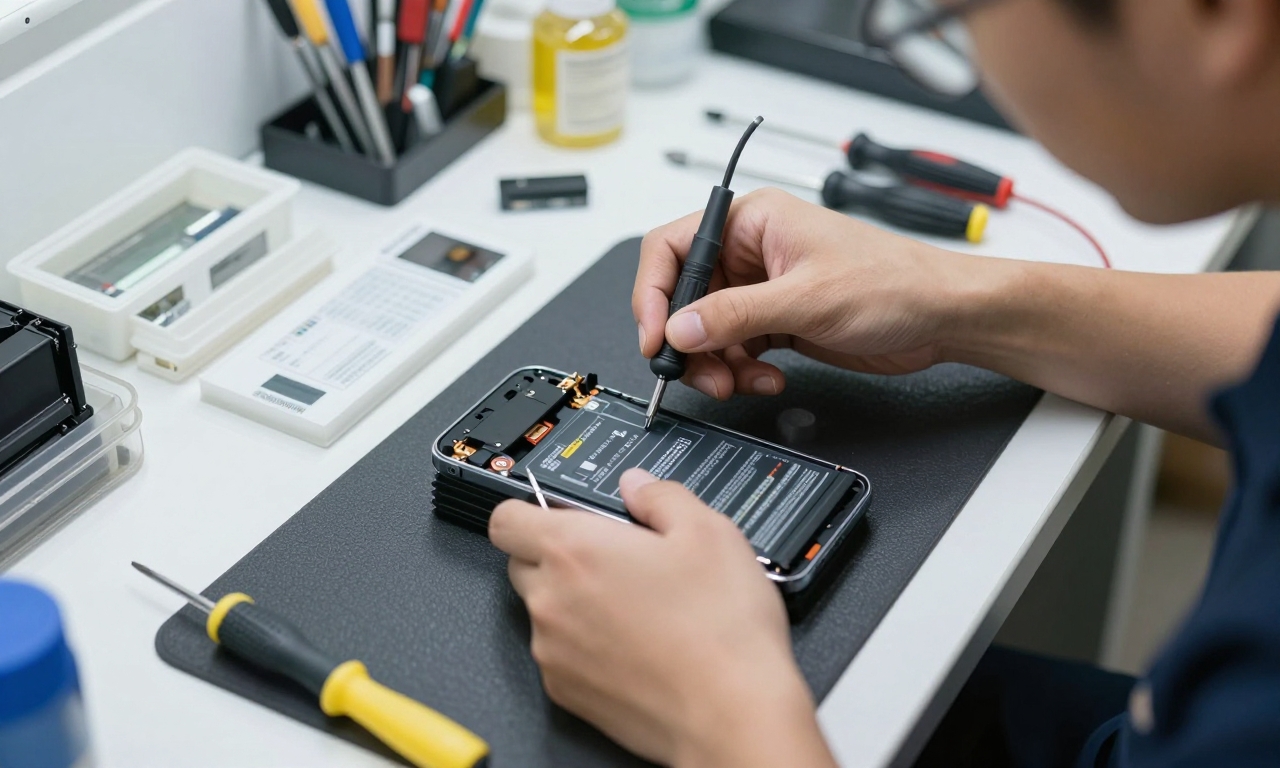
The DIY strategy has been popularized by the emergence of online help, and repair kits. On the one hand, it might take only a few dollars, around 20-40 dollars in parts to change a battery on your own, but it involves technical expertise, and it can be perilous. Contemporary smartphones are designed with intricate gluing mechanisms and fragile parts; a single step can be enough to break the display, the camera unit, or the motherboard. Moreover, homemade repairs are likely to nullify the manufacturers warranties and can undermine waterproof seals. This choice is only appropriate in individuals who are at ease working on electronics and ready to face the outcomes that may arise.
Testing the General Performance of Your Equipment
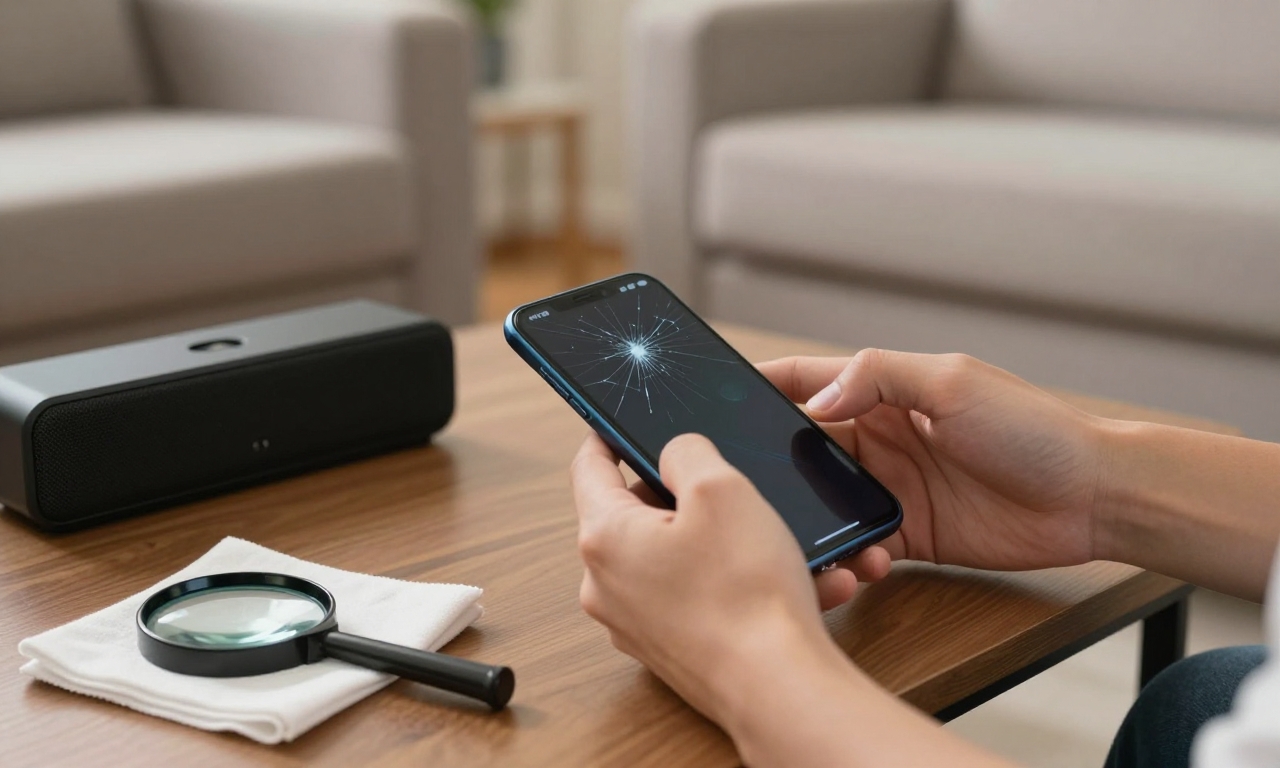
Health of a battery does not exist in a vacuum. Perform a comprehensive evaluation of the other elements of your smartphone before making a decision on replacement. Check display cracks or OLED burn-in, camera features such as portrait mode, and speaker/microphone. Ask yourself whether the storage capacity is still sufficient and whether the device is updated with security regularly. A phone that is experiencing several broken parts or old software may be worth changing instead of repairing.
Performance is not just concerned with the battery. Recent gadgets have huge advancements in processing, 5G connectivity and camera capabilities. A battery swap will not eliminate the fact that your phone is struggling with the current apps, cloud gaming, or with having more than one task going on. Likewise, when you have felt like a new feature, such as foldable, higher refresh rate screen, or more sophisticated audio with noise cancelling earbuds, an upgrade could be more rewarding than holding on to the old.
Environmental Impact
Another important factor is environmental impact. Lengthening the life of a smartphone by replacing the battery will decrease electronic waste and save resources required to produce new smartphone models. Valuable materials are contained in most batteries and it may be recycled and many repair programs include proper disposal of old cells. Repair instead of disposal creates a more sustainable technology ecosystem and will save you money.

The Final Decision-Making: Step to Work
Prepare an easy cost-benefit study between replacement and upgrade. Compare the actual price of replacing the battery (including the possible purchase of extras such as new cases or screen protectors) to the actual price of what you would like to purchase new. Include trade-in values and deals. Then reflect on how all these choices fit your usage habits: students may be more interested in more affordable repairs, and photography hobbyists themselves may need newer camera systems with more enhanced night mode.
The safety must never be compromised. Regardless of whether using official service, third-party repair, or DIY, the battery should be of the appropriate safety standards and contain appropriate protection circuits. Swollen batteries must be taken to the professional as they are fire hazards. Only ever use certified chargers, and never subject devices to excessive temperatures since heat can rapidly break in the batteries. Good habits such as not being charged overnight can prolong battery life.
Such a choice eventually strikes a compromise between technological allure and financial viability. Battery replacement is often the wise choice especially on machines that are less than three years old but are otherwise in good condition. With aging phones that display several signs of wear and tear, or when you are in need of considerable improvements in display technologies, camera performance, or productivity capability, it is better to invest in a new phone. With a systematic approach to this decision, you may be able to maximize your budget and satisfaction with mobile technology.