Follow us on Facebook
Breaking updates in your feed — tap to open
By 2026, smartphone producers will be talking about artificial intelligence as the next mobile revolution. However to most users, the usefulness is still obscured with the marketing language and flashy showcases that may not always apply to day-to-day use. After the testing of multiple flagship items on different platforms, I have discovered that actual time-saving AI functions can be categorized into a few unique areas that only make our interactions with our respective devices more effective instead of complicated. The main difference is between these tools being needs anticipatory or merely command responsive, with best implementations being transparent in the background.
Context-Aware Automation
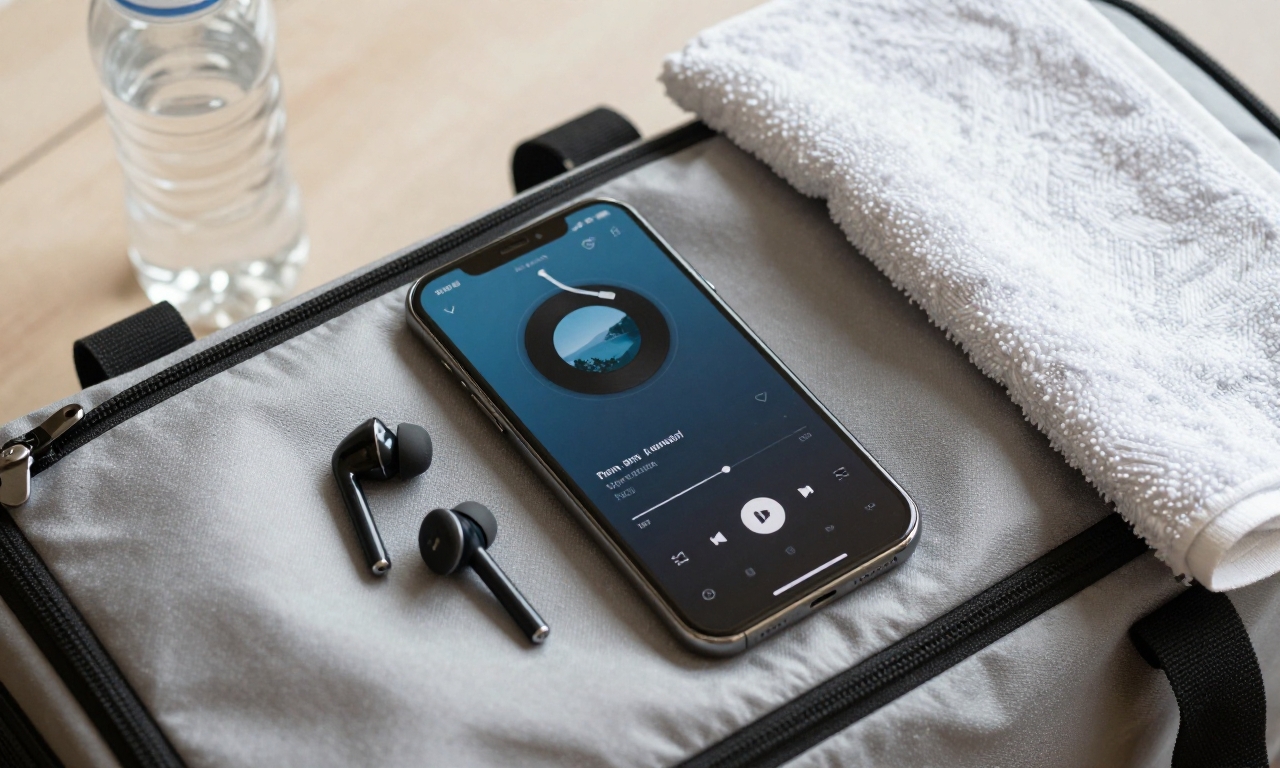
The most notable development in the practical use of AI is arguably context-aware automation. The smart phones of the present era can analyze the pattern of usage, the position, and the date so that corresponding apps and settings can be ready in advance. On your way to the gym, your phone may automatically start your workout playlist and switch off notifications, whereas getting to your office may activate work profiles and productivity apps. This predictive feature is not limited to geofencing to learn to anticipate temporal features – it can be more specific to Tuesday mornings being usually characterized by video conferences, and setting the mic to the appropriate levels. Android and iOS ecosystems differ in how they implement a range of privacy and customization-related functions, and both deserve to be considered in the flagship smartphone review.
Computational Photography
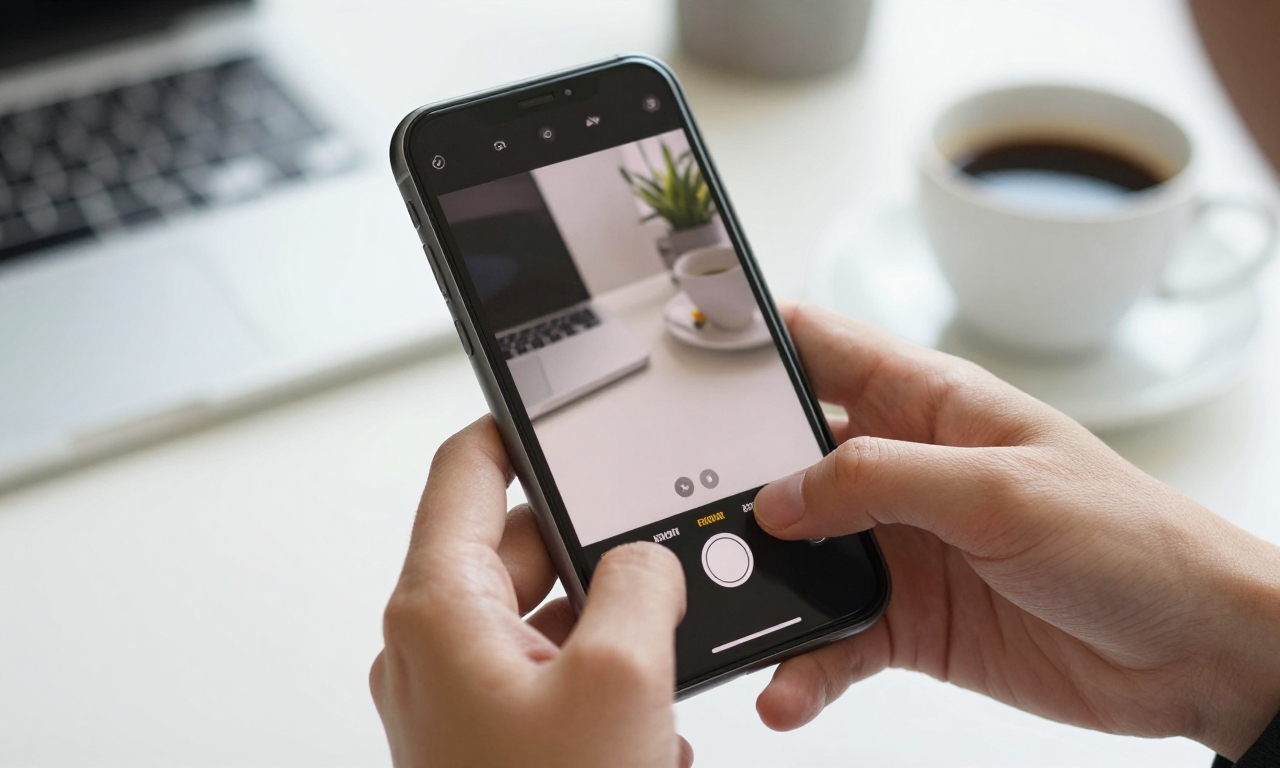
Computational innovations have revolutionized photography to become fully self-contained, without the need to rely on the cloud and without privacy issues. Night mode photography has transformed into more than just a brighter image to a more advanced technique of reconstructing a scene using numerous exposures in real-time to create an impressive clear image of a low-light image. The process of creating portrait mode explained by AI includes complicated depth mapping to divide subjects and backgrounds at a degree of accuracy never witnessed before, even when faced with distracting lighting effects. An advantage of the present-day implementations is one of contextual sensitivity, i.e. the ability to distinguish human faces and pets and landscapes and use the right processing algorithms without user intervention. This automation can save a lot of time that is taken in manual adjustment of settings or post-processing filter techniques.
Real-Time Translation and Transcription
Real-time translation and transcription services have moved beyond the level of novelty in that they are truly indispensable. Your phone can now produce proper transcripts during a meeting or a lecture and it even knows who is talking, which is very useful especially when in a meeting or lecture with various people present. Processing is done on-site, so sensitive discussions will be kept confidential and results will be available in almost real-time. Translation functions are no longer just about format translation but a translation of the subtle meanings and context to make communication between people across borders more natural. These applications reveal the way AI can expand the human capacity instead of elimating it, as smart assistants that perform the repetitive work as we do the high-level work.

High-Quality Photo Editing
In addition to capture, AI-driven editing solutions can now provide advanced edits that could only be performed using desktop software knowledge. The removal of objects has been made to be incredibly accurate, pixels that are sometimes used to analyze the surrounding image, to gel up the gap so that when the image is normally done without the unwanted contents, the image is usually the same. Color grading options are determined on a case-by-case basis based on the content in your photo, and whether you photographed a sunset scenery or a food picture, and suggest suitable corrections that can be implemented. These are especially useful among mobile photography hobbyists who desire professional outputs without spending hours to master tricky editing processes. The cloud services integration is also optional, and baseline functionality is available to users who are more concerned with privacy or operate in high-low connectivity areas.
Writing and Predictive Text
Writing and predictive text have developed beyond basic word completion to contextual input anticipating whole phrases based on the patterns of conversation. Your device now takes into account the person you are communicating with, the time of day and historical communication to propose the correct reply without altering your own tone of message. This goes to email writing where AI can create entire paragraphs when only a few lines are typed, saving much time on hectic work days. The technology also shows specific strength in multilingual and language-mixing contexts, where viewed and correctly used switches between languages can be made in the middle of the sentence. Early deployed versions were sometimes intrusive, but present-day versions achieve more balanced results between assistance and independence, with infrequent suggestions coming across as genuinely useful instead of presumptuous.
Testing in the Field: Dynamic vs. Stage Box
With over a thousand hours of testing different smartphone models, one can detect definite trends in terms of what AI features provide a clear benefit. There is a constant saving of time when the automation predicts needs according to the patterns that have been set and the functions that have to be turned on manually or deemed complicated tend to remain untapped. This difference can be seen in optimization of battery life, where smarter power management that analyzes patterns of use is better as compared to manual settings. Likewise, camera systems with automatic selection of optimal modes yield superior performance as compared to the one that most users use where they have to switch modes manually. This practical test indicates that the best applications of AI are those that operate unobtrusively, increasing the user experience without requiring interaction or complex configuration.
Privacy Considerations
The issue of privacy also plays a central role, as an increasing amount of processing is performed on-device, instead of on the cloud. Contemporary smartphones use advanced encryption and data isolation strategies so that personal data will never be out of your hands but they will still provide smart features. This is a huge departure against the previous cloud-reliant implementations, that dealt with valid concerns of data safety without compromising the functionality. The balance differs among the manufacturers, with some providing more specificity on what the AI systems get access to to improve and be trained. This knowledge is essential when deciding what equipment to buy, especially to those with sensitive data, whether as a professional or as an individual.
Future Trends
Going forward, the trend is toward more tailored solutions that are customization-based and build into specific workflows instead of presenting one-fits-all solutions. The trend will probably be building cross-device smarts, where your smartphone knows what your wearable, tablet, and smart home system are aware of in order to offer genuinely integrated service. The most promising path is the conversion of the reactive tools into the anticipatory systems, which will change the way we deal with technology during our everyday lives. As these capabilities grow, the difference between beneficial automation and redundancy will be more evident, informing consumer decisions and manufacturing development focused priorities.
Optimizing Device Performance
To enable those users with the aim of optimizing their device performance, there are a number of strategies in practice that are more successful than trying to use all the features that the device offers. The place to start is automation that follows habitual activities in your own routine, which can be communication, time management, or content creation. Added features: Added features gradually, as they prove useful and not as a multiplicity of somewhat useful features. Conducted on a regular basis, the evaluation of what aspects actually save time and which are simply additional steps to the current processes can be identified. This is a measured attitude that will keep technology working to your benefit and not dictate it, keeping the human touch in our already highly digitalized processes.
Choosing Your SmartFriend
To find the smartphone with truly useful AI use, it is essential to look beyond claimed marketing features and explore the application in the real-life. Think about compatibility with your current ecosystem, do you use certain productivity apps, communication tools, or creativity tools? The best systems augment, not obliterate these developed workflows, offer intelligent support without requiring your core workflows to be revisited. Another aspect that deserves some consideration is battery life optimization and performance characteristics because advanced processing can necessitate effective hardware design that will not undermine usability. In conclusion, the ideal device will align its smarts to your unique requirements, establishing a relationship that is natural and not forced.
Conclusion
Artificial intelligence is getting deeply integrated into mobile technology and discerning users should be able to see the difference between true innovation and just a cosmetic feature. The most useful ones run silently in the background, foreseeing needs and simplifying work without requiring attention and settings. Manufacturers can create technology that doesn’t make our digital lives more complicated but instead improves them by concentrating on practical applications that can explore real pain points of using a smartphone on a daily basis. The development is not over yet, and existing applications provide significant advantages to individuals who are not afraid to go beyond simple functionality and venture into the full potential of their gadget.