Follow us on Facebook
Breaking updates in your feed — tap to open
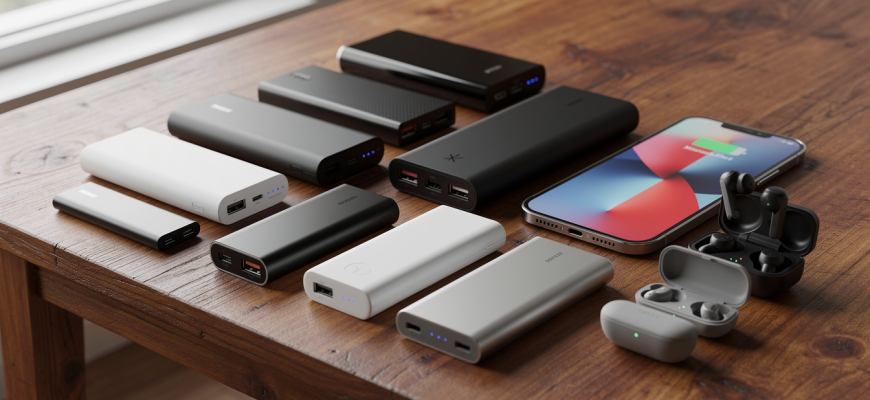
Picking the best power banks isn’t just about the biggest number. It’s about what fits your day. Need a slim backup for the train? A chunky brick for a weekend in the woods? Once you get a few specs, it’s a no-brainer. Let’s break it down.
Key Specs That Define a Power Bank
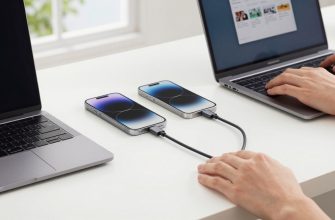
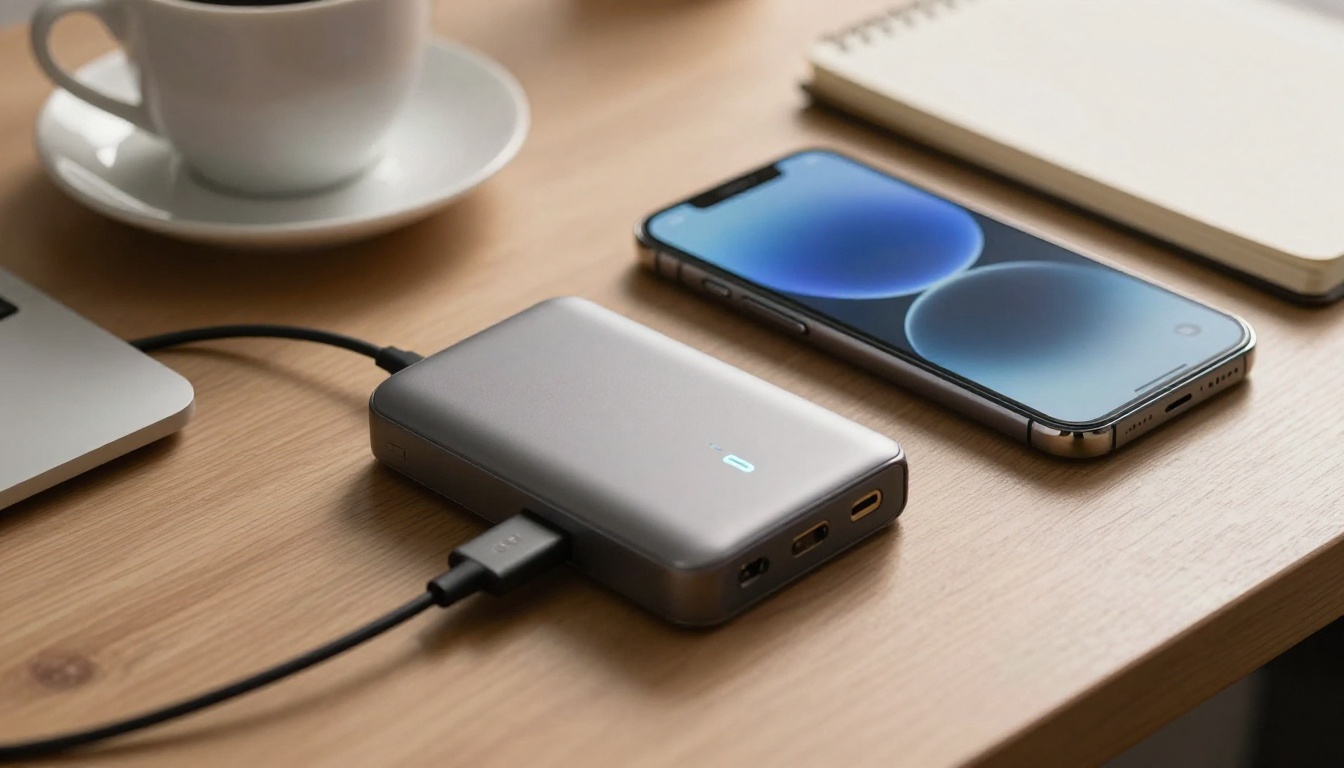
Capacity is in milliampere-hours-mAh. It’s how much juice the bank holds. A 5,000 mAh unit can fill most phones once. A 20,000 mAh one handles multiple gadgets or a tablet. But raw capacity isn’t everything. Charging speed depends on output protocols like USB Power Delivery and Quick Charge. PD is the standard for modern USB-C devices, including lots of Androids and iPhones. It negotiates higher wattage for faster top-ups. Wireless charging adds convenience, especially for Qi-compatible phones and earbuds. Look for banks with multiple ports if you carry a phone, watch, and headphones daily.
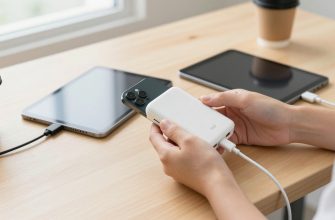
Portability often trades off against capacity. A pocket-friendly 5,000 mAh bank is great for light use. A 26,800 mAh travel companion is bulkier but keeps a laptop alive. Pass-through charging lets you charge the bank while it charges your device-handy overnight. Some banks include built-in cables or MagSafe rings for a tidier setup. Always check the total wattage output when using multiple ports, it can split, slowing each device. Efficiency matters too: no power bank delivers 100% of its rated capacity due to voltage conversion and heat. Expect around 60-70% usable energy.
Match the bank’s output to your device’s fastest supported charging standard. A high-capacity bank with slow output is like a big water tank with a tiny tap.
Safety features are non-negotiable. Look for overcharge protection, temperature control, and short-circuit prevention. Reputable brands build these in. Cheaper, no-name banks might skip them, risking your gadgets. Pass-through charging can generate extra heat, so a good thermal design is crucial. For air travel, keep capacity under 100 watt-hours (around 27,000 mAh at 3.7V) to comply with airline rules. Always carry power banks in carry-on luggage, not checked bags.
Comparing Power Bank Types
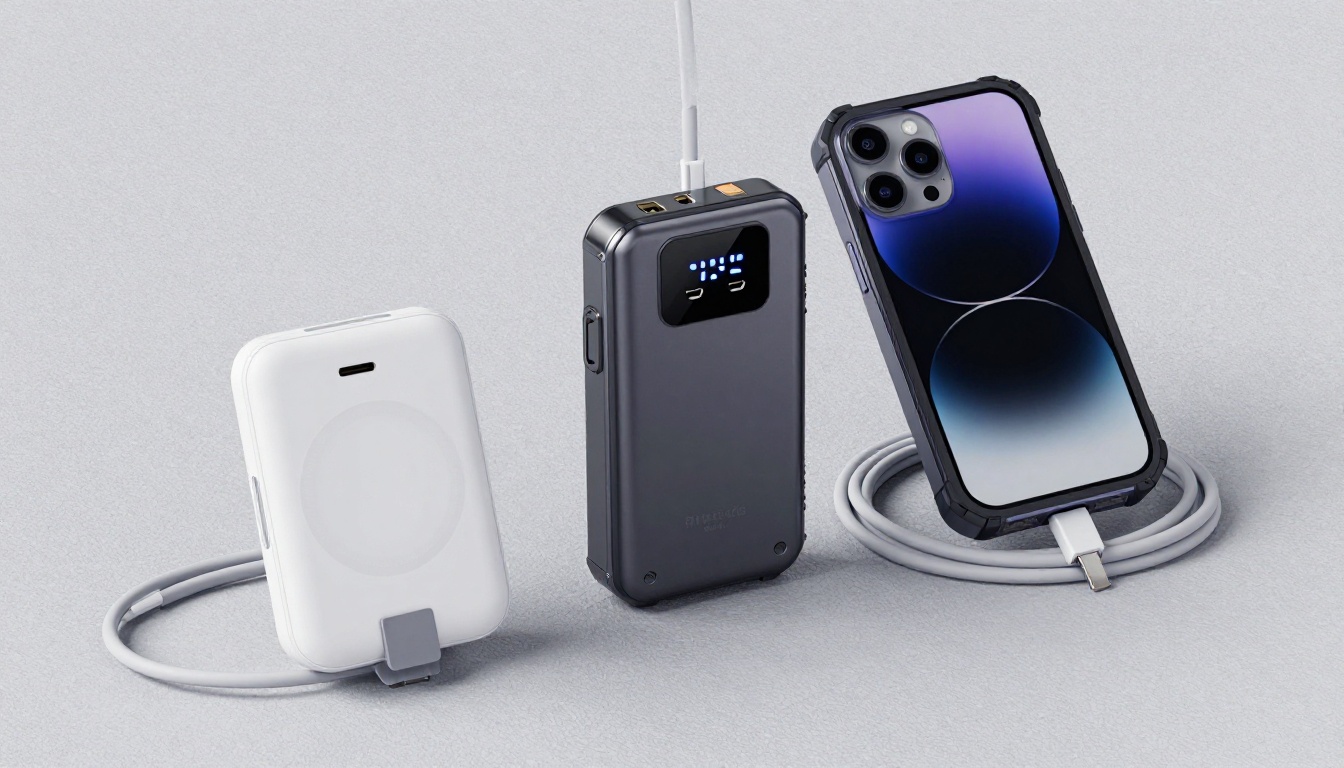
Power banks fall into a few broad categories. Ultra-compact models prioritize portability. High-capacity units focus on endurance. Specialized banks add features like MagSafe, built-in cables, or AC outlets. Your choice depends on what you charge and where you go. A commuter might love a slim 5,000 mAh bank with MagSafe. A remote worker needs a 20,000+ mAh bank with 65W PD for a laptop. A parent juggling multiple devices benefits from a high-capacity model with several ports.
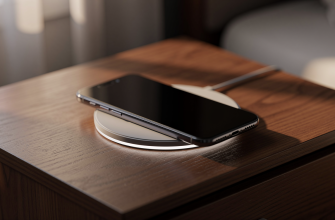
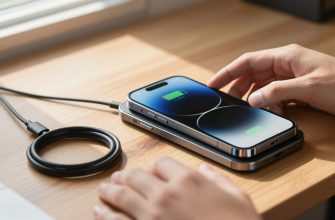
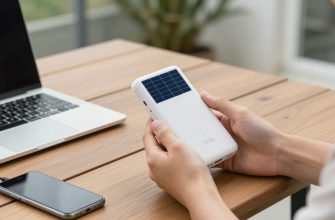
Wireless power banks eliminate cable clutter but charge slower and lose more energy to heat. They’re ideal for overnight charging or topping up earbuds. Some combine wireless pads with wired ports for flexibility. Rugged banks with IP ratings suit outdoor adventures. Solar-powered banks exist but charge painfully slowly, treat them as emergency backups, not primary chargers. For most people, a mid-capacity (10,000-15,000 mAh) bank with PD and at least two ports hits the sweet spot.
| Type | Typical Capacity | Best For | Key Feature |
|---|---|---|---|
| Ultra-Compact | 3,000-5,000 mAh | Light top-ups, pocket carry | MagSafe or built-in cable |
| Mid-Capacity | 10,000-15,000 mAh | Daily use, travel | PD fast charging, 2+ ports |
| High-Capacity | 20,000-26,800 mAh | Multi-day trips, laptops | 65W+ output, multiple ports |
When comparing, don’t fixate on brand names. Instead, evaluate the specs against your needs. A 10,000 mAh bank with 18W PD might be perfect for a phone, but inadequate for a tablet. A 20,000 mAh bank with 30W output can charge a small laptop slowly. Check your device’s charging requirements. Many modern smartphones accept 20-30W. Laptops often need 45-65W. Using a lower-wattage bank won’t damage your device, it’ll just charge slower.
How to Choose Your Ideal Bank
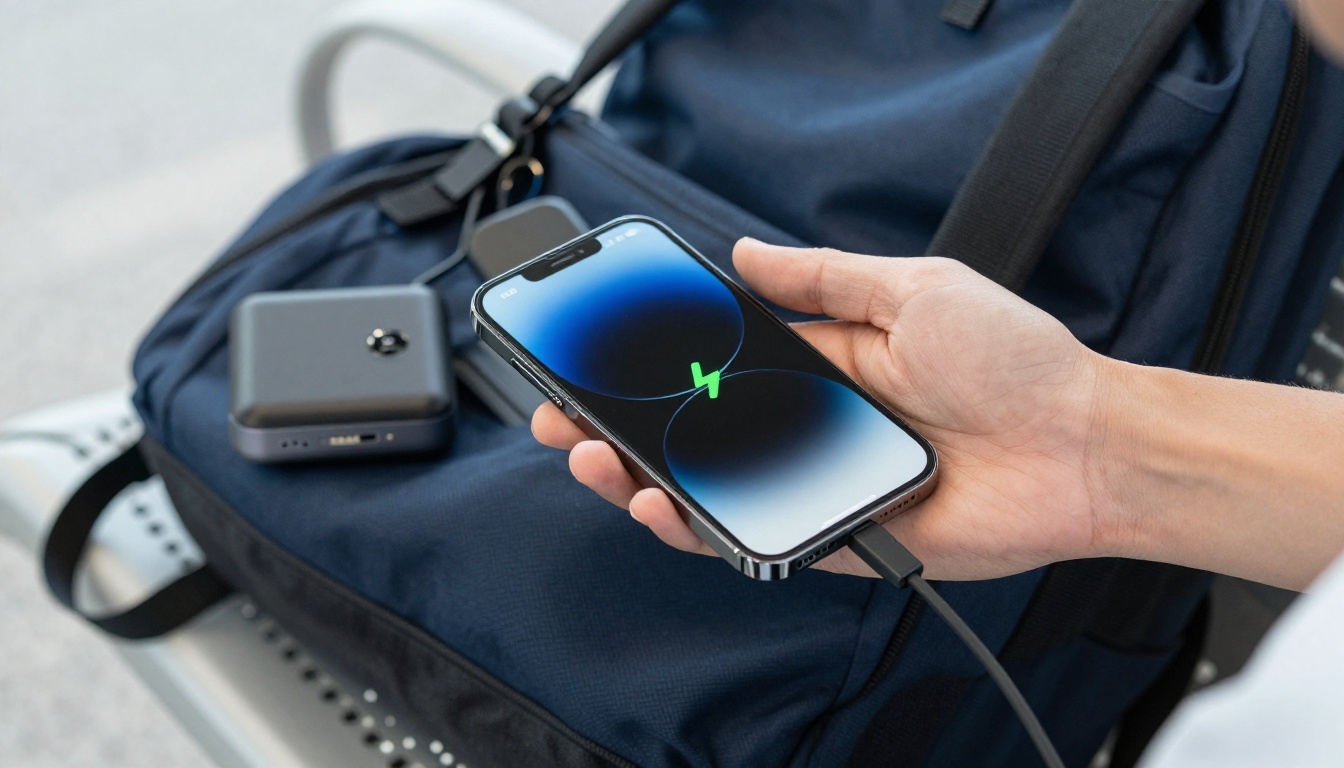
Start by listing your devices. Note their battery capacities and fastest charging standards. An iPhone supports PD over USB-C. A Samsung Galaxy might use PPS, a subset of PD. Some OnePlus phones rely on proprietary fast charging that only works with specific adapters. A power bank with standard PD will still charge them, but at slower speeds. For multi-device households, a bank with both USB-C and USB-A ports covers older and newer gadgets.
Think about your typical day. If you’re rarely far from an outlet, a small 5,000 mAh bank is enough. For long flights or camping, 20,000 mAh or more brings peace of mind. Consider weight: a high-capacity bank can feel like a second phone in your bag. Some banks double as wall chargers, reducing the gear you carry. Others include a display showing remaining percentage-more precise than four blinking LEDs.
- Assess your daily battery drain: light users need less capacity.
- Match the output wattage to your fastest-charging device.
- Prioritize banks with safety certifications and solid reviews.
- For travel, check airline capacity limits and carry-on rules.
Don’t overlook the little things. A textured surface resists scratches. A bank that stands upright saves desk space. Integrated cable management keeps your bag tidy. Some banks support low-current charging for wearables like fitness trackers and earbuds. This mode prevents overcharging delicate batteries. It’s a thoughtful touch that extends the life of your accessories.
Honestly, the best power banks just fade into the background. They’re ready when you need them, no fuss. They charge quickly, fit your lifestyle, and protect your devices. By focusing on capacity, output, and form factor, you’ll find a reliable companion that keeps you powered through whatever comes next. A little research now saves you from a dead battery later. That’s pretty much the whole deal.