Follow us on Facebook
Breaking updates in your feed — tap to open
You pop in some earbuds and the subway roar drops to a whisper. That’s active noise cancellation doing its thing. Tap a button and suddenly you hear voices around you crystal clear-that’s transparency mode. Both features live in modern wireless earbuds and headphones, but they’re total opposites. A solid noise cancelling headphones test shows how each one handles real life. Knowing how they work helps you pick what actually matters for your day.
How noise cancellation works
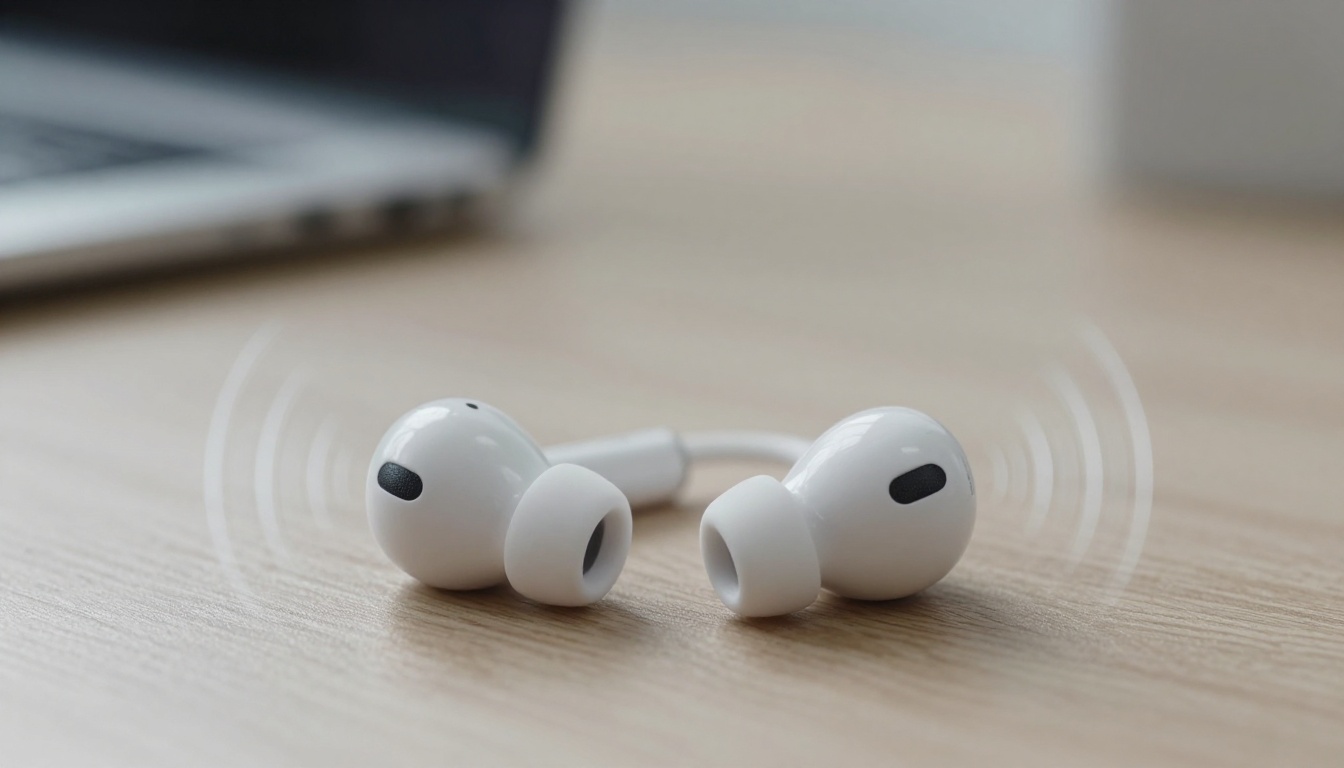
Active noise cancellation uses tiny mics that listen to the world around you. Circuits inside cook up an inverted sound wave. That anti-noise meets the original noise and they cancel out. Works best on steady, low hums-think plane engines, AC units, train rumbles. Sharp, sudden sounds still get through. So you might still hear a baby cry or a door slam even with ANC on.
Passive isolation helps too. A tight eartip or padded cup physically blocks sound before any electronics kick in. Together, active and passive build a quiet bubble. It’s not magic, just clever physics. Most flagship models now let you tweak ANC levels. You can dial in the exact silence you want, from total immersion to a soft hush.

When transparency mode shines
Transparency mode flips things around. Instead of killing sound, it pipes in ambient audio through external mics. The idea is you feel like you’re not wearing headphones at all. Conversations sound natural. Traffic noise stays audible for safety. Super handy for quick chats at a coffee counter or jogging on busy streets.
Some versions even boost quiet sounds. You might hear a coworker whisper from across the room. That can feel a bit weird, but it’s useful in certain spots. Transparency mode isn’t just convenient-it’s a safety feature. Runners and cyclists lean on it to stay aware. Office folks use it to stay approachable without yanking out their earbuds.
Think of ANC as your private hideaway and transparency as an open window. Neither is better overall, each fits a different moment.

Comparing ANC and transparency
Picking between them depends on the situation. A long flight screams for ANC. A stroll in the park calls for transparency. Lots of people switch between modes dozens of times a day. The table below lays out how they stack up on key points.
| Parameter | Active Noise Cancellation | Transparency Mode | Passive Isolation Only |
|---|---|---|---|
| Primary function | Blocks external noise | Lets external sound in | Physical seal reduces noise |
| Best for | Travel, focus, noisy offices | Conversations, outdoor safety | Budget-friendly quiet |
| Battery impact | High drain | Moderate drain | None |
| Audio quality effect | Slight pressure sensation | Minimal impact | Can boost bass perception |
| Typical use case | Commuting, studying | Running errands, office chats | Casual listening at home |
Battery life takes a hit with both active modes. ANC guzzles the most power because it’s always processing audio. Transparency uses less but still drains faster than just playing music with everything off. If you’re on a long trip, maybe bring a charging case or a backup pair.

Making your choice
Start by checking out your daily scenes. Work in a loud open office? ANC might save your sanity. Are you a parent who needs to hear a kid calling from another room? Transparency becomes a must. Honestly, many people win by having both options. Modern earbuds let you switch on the fly, so you don’t have to marry one philosophy.
Sound quality changes between modes too. ANC can bring a faint hiss or a feeling of pressure. Transparency sometimes makes the world sound a bit processed. Your brain gets used to it, but the first time can be jarring. Testing different models in person-if you can-is still the best way to judge comfort. A noise cancelling headphones test that checks transparency gives you the whole story.
Budget matters as well. Cheap earbuds often have basic ANC but skimp on transparency quality. Midrange ones usually do a solid job on both. Flagship devices polish the experience with adaptive modes that auto-adjust based on what you’re doing. You don’t need to drop a ton of cash, but investing in a pair that handles both modes well kind of future-proofs your buy.
Look, neither feature is a gimmick. They fix real problems. ANC builds focus in chaotic spaces. Transparency keeps you plugged in. The question isn’t which one matters more-it’s which one matters more right now. And the best answer might just be: both.