Follow us on Facebook
Breaking updates in your feed — tap to open
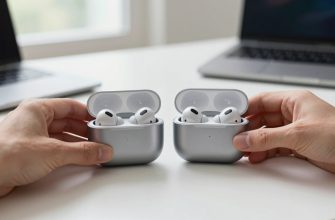
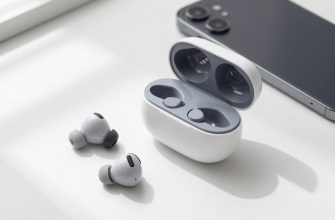
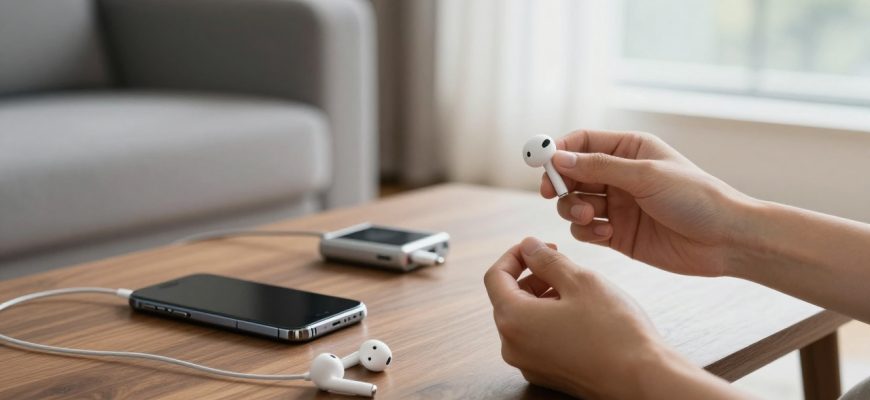
Wireless earbuds have become the new benchmark in terms of convenience and mobility in the world of high-end audio accessories. Apple with its AirPods and Samsung with Galaxy Buds have produced advanced ecosystems which are not only claimed to offer seamless connectivity, but also amazing features such as active noise cancelling. However, according to several audiophiles and critical listeners, there has been a ongoing problem in that even at their high prices, these wireless wonders do not always perform as well as their wired brothers and sisters. This mismatch does not relate to imagination or nostalgia- it comes down to the basic constraints of the Bluetooth technology and its applications by manufacturers.
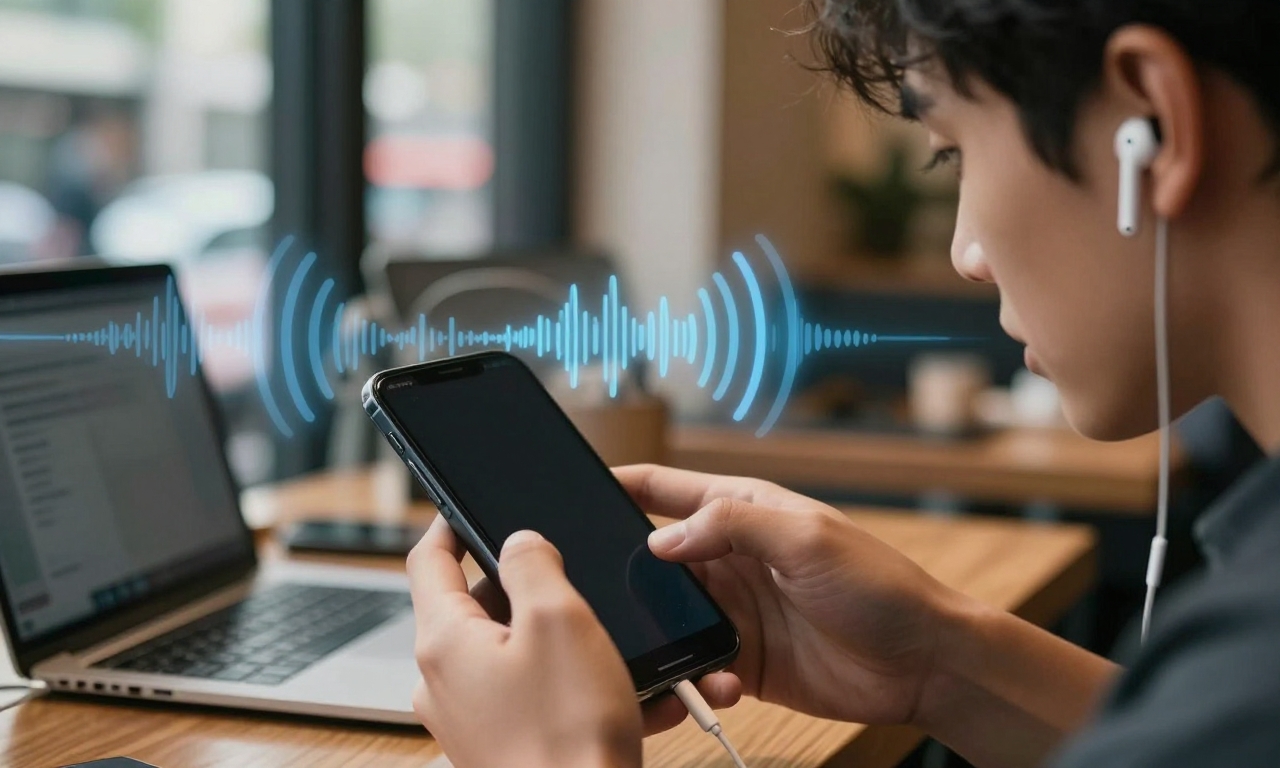
Learning about Bluetooth Codec Limitations
The nub of the wireless audio quality issue is Bluetooth codecs, which are the compression algorithms that convey audio information out of your device to your earbuds. Common codecs such as SBC, that most devices automatically use, are incredibly compressed to ensure audio can be sent withins the limits of the Bluetooth band. This compression discards audio information, especially the high and low frequency information that houses delicate musical information. Although superior codecs such as aptX, LDAC, and AAC have been developed, they also constitute tradeoffs. Even the high-resolution codec (LDAC) that Sony uses, with a maximum bandwidth of 990kbps, cannot be compared with the lossless transmission of a good wired connection, which can support a maximum bandwidth of over 1,411kbps to transmit CD-quality audio.
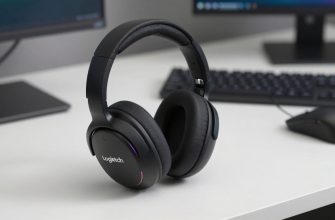
Latency is another major issue with wireless audio, which becomes highly evident when playing videos or playing games. Lip-sync issues are distracting because of the lag between audio generation and reaching your ears, or it can make the gaming experience feel out of touch. Modern codecs have achieved a better latency performance, though they are not yet capable of competing with the almost-instantaneous transmission of wired connections. This is particularly an issue in competitive gaming where audio tracks a fraction of a second can be the difference between winning or losing. Other manufacturers have created low-latency modes, but these are frequently sacrificing audio quality or battery life.
The wireless listening experience is also compromised by the interference and connectivity problems. Bluetooth also uses the 2.4GHz frequency band (shared with Wi-Fi routers, microwave ovens, and a host of other wireless devices). Such congestion may result in audio dropouts, static, or limited bandwidth which compels the codec to aggressively compress audio. The issue is made worse in urban areas or densely populated places where many Bluetooth devices are competing over a small bandwidth. Even the high-end earbuds with sophisticated antenna designs cannot stay constantly connected in adverse conditions.
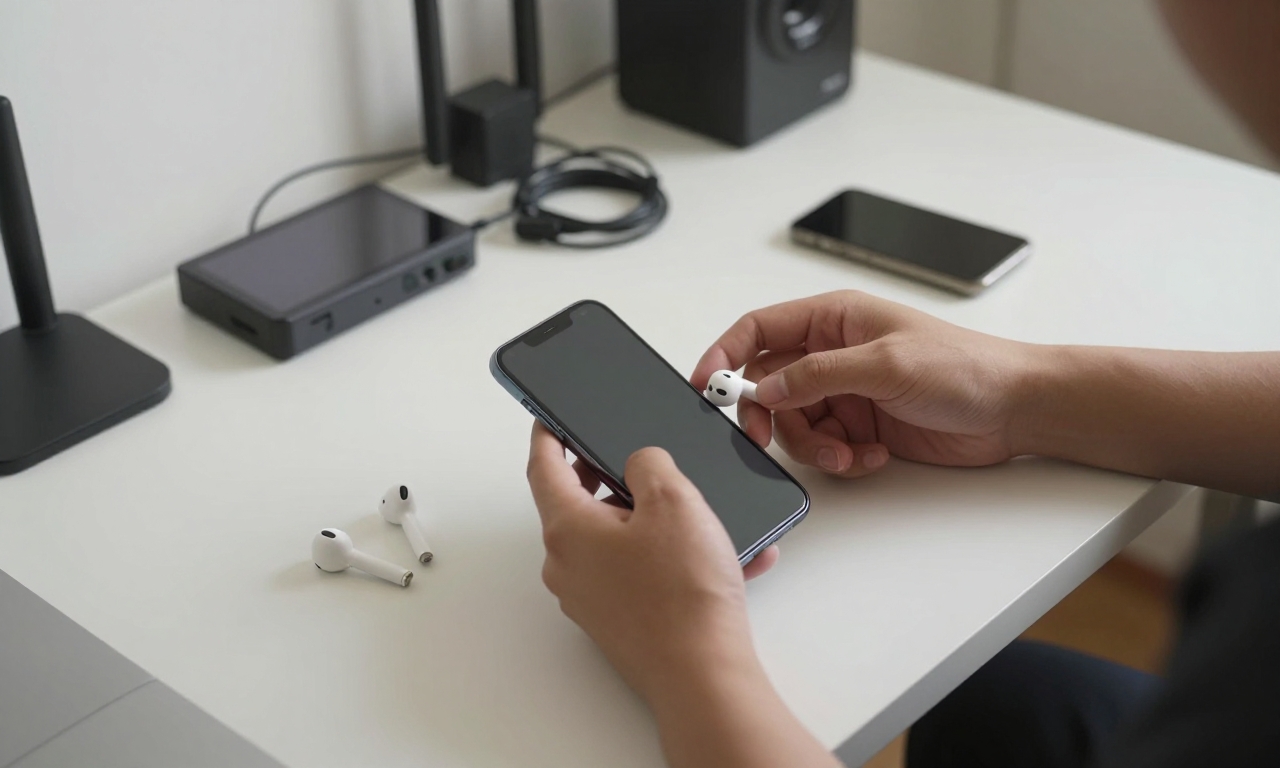
Wireless audio maximization
There are some limitations, but there are a number of strategies that can work wonders in improving your wireless audio. You should make sure that your earbuds and source device have compatible high-quality codecs. iPhone with AirPods will be compatible with Apple optimized AAC implementation, and Android devices are optimized with aptX or LDAC-compatible earbuds. Review the Bluetooth options on your device to ensure that the codec in use is the most appropriate one, since most devices set the default one to the least common denominator codec in use. To achieve the final listening experience, you might want to use a dedicated digital audio player, which is capable of high-resolution Bluetooth codecs instead of using your smartphone.
The environment is an important aspect of wireless audio. Stability can be enhanced by switching off unnecessary Bluetooth devices, placing your source of audio amicably close to your earbuds, and staying in locations with minimal wireless congestion. In the case of critical listening, think of using a wired connection or moving to a lower frequency band should your equipment have the option of 5GHz Bluetooth alternatives. An important factor is battery optimization as when earbud batteries run low, some of them cut processing power to noises cancelling and audio boost features, which directly affect sound.
Code compatibility is not just simple codec compatibility. Enforcement of these codecs differs greatly across manufacturers, and influences factors such as audio latency and compression efficiency. In my experiment of reviewing many flagship smartphones and comparing different devices, I discovered that combining ears buds with devices in the same ecosystem usually performs better. Samsung Galaxy Buds are more compatible with Galaxy smartphones, whereas AirPods can be used in combination with iPhones and iPads. The synergy is due to the optimized firmware and integration deeper into the system that cannot be rivaled with generic Bluetooth pairings.

Real Performance Analysis
Practical testing situations put the wireless/wired audio difference into the clearest perspective when dealing with complex musical container and high dynamic range media. Classical music, wide frequency response and jazz music with delicate instrument textures all expose Bluetooth constrained compression. They frequently do not sound as good as when using quality wired headphones, as the musical depth and presence of a spatial imaging are low-end audio. This does not imply that wireless sound is itself unpleasant, but modern applications have improved to a spectacular degree but this still stands as a trade of absolute audio quality.
Another dimension to the wireless audio equation is battery life. When earbuds are getting close to their battery capacity, most of them throttle processing power in order to increase play time. This may be reduced noise silence, lesser bass response or other audio failures. This problem can be alleviated by fast charging, enabling rapid top-ups between uses, though it does not remove basic power limitations of small wireless devices. In practical applications, the conventional wired headphones will be the safe option especially in long listening sessions without considering battery life.
The future of wireless audio is bright with unprecedented technologies such as Bluetooth LE Audio and LC3 codecs, which will yield better quality at lower bitrates. Nevertheless, its mass adoption will require time, and the possibility of compatibility with the existing devices is not certain. In the meantime, consumers have to just cope with the existing environment with clear expectations of what wireless technology can and cannot provide. Knowing these constraints will assist in making a wise judgement as to whether to opt on convenience or audio quality.
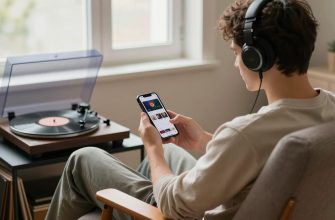
Finally, the decision to go wireless or wired audio revolves around priorities and the way of listening. Modern wireless earbuds are an excellent experience where ease of use is paramount such as commuting, workouts, and easy listening. However, when critical listening, in the studio, or performance in audio fidelity counts most, wired connections remain superior. With the development of technology this gap can be reduced, but until this moment, being aware of this deception by Bluetooth audio quality, it will help people make their decisions that are more related to what they really need and not what is promised by the marketers.