Follow us on Facebook
Breaking updates in your feed — tap to open
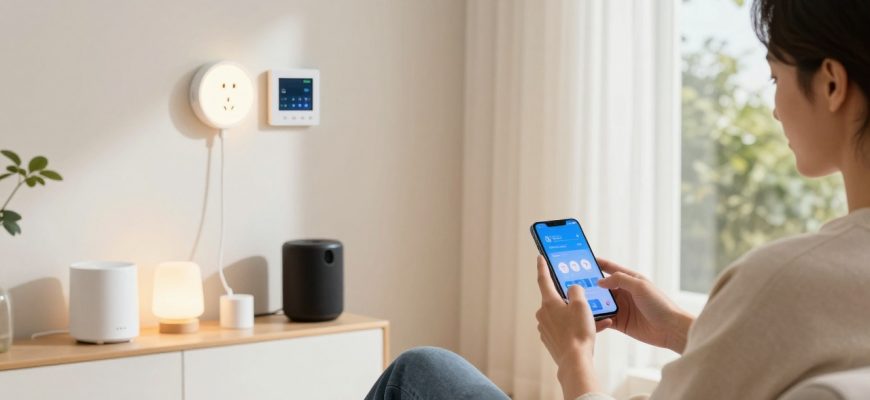
A smart home that can seamlessly operate on various platforms, has been a real challenge to technology enthusiasts. A large number of consumers have been confined within one ecosystem, which is incapable of combining devices based on different manufacturers without facing a compatibility problem. Not only does this vendor lock-in reduce your options but can also translate into increased expenses and decreased flexibility as your requirements develop over time. Fortunately, the situation is improving as new standards and protocols are presented, turning to specifically mitigate these interoperability challenges.
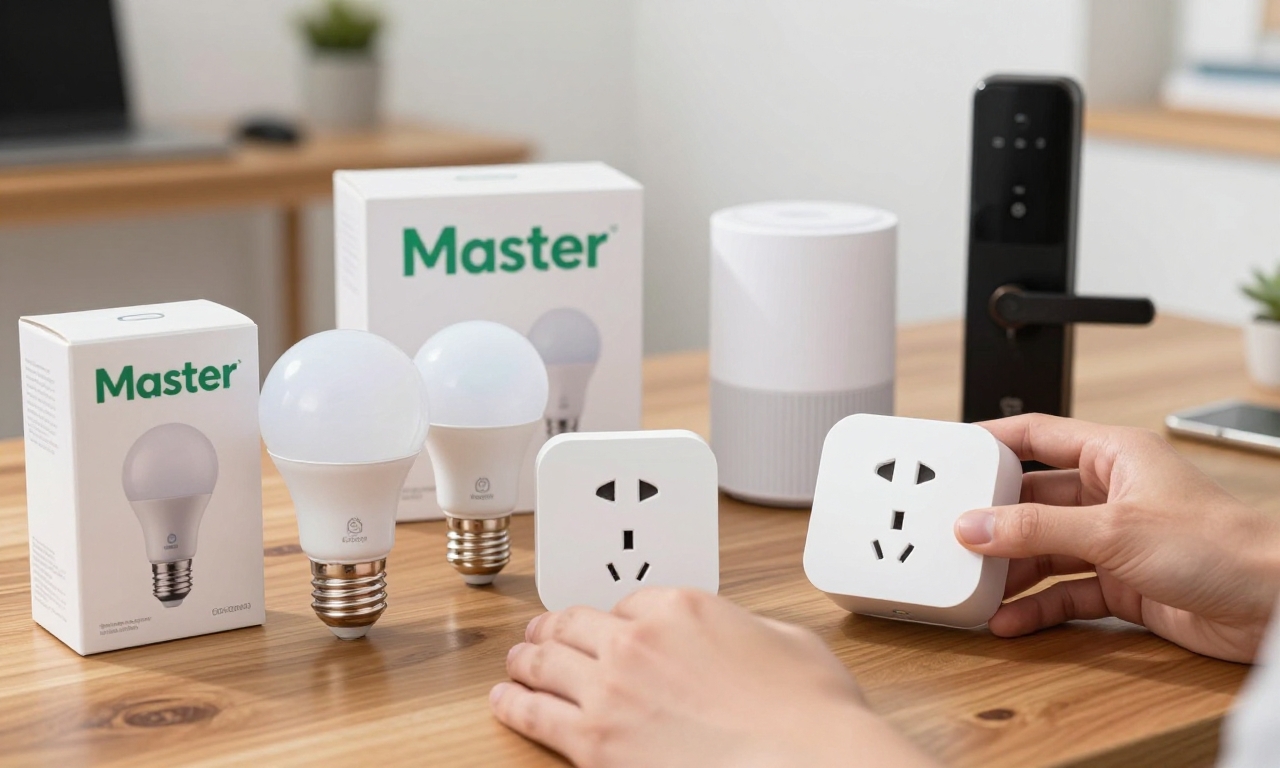
Knowledge of the Matter Standard
Matter is a major advancement in smart home technology, created by industry giants, such as Amazon, Apple, Google, and Samsung, in cooperation with each other. It is an open-source connectivity standard that enables gadgets of other vendors to communicate with each other no matter which ecosystem you choose. Matter uses current networking protocols such as Wi-Fi, Ethernet, and Thread, which is why it can be used in any new or existing smart home configuration. The most valuable part of Matter is its local-first philosophy, i., e. devices do not necessarily need access to the cloud to talk to one another, which makes them more reliable and more private.
When choosing devices in your interoperable smart home, you should prefer items that have Matter certification logo. Most manufacturers are now publishing new versions of their existing popular devices that support Matter, or certain existing devices can be enabled to do so through a firmware release. To individuals who care about security and privacy, Matter will have inbuilt encryption and authentication facilities to help keep your home network secure against unauthorized use.
- Lights smart lights such as Smart Hue and Nanoleaf by Philips
- Smart plugs by Eve and TP-Link
- Smart locks by Yale and Schlage are also switching to the standard
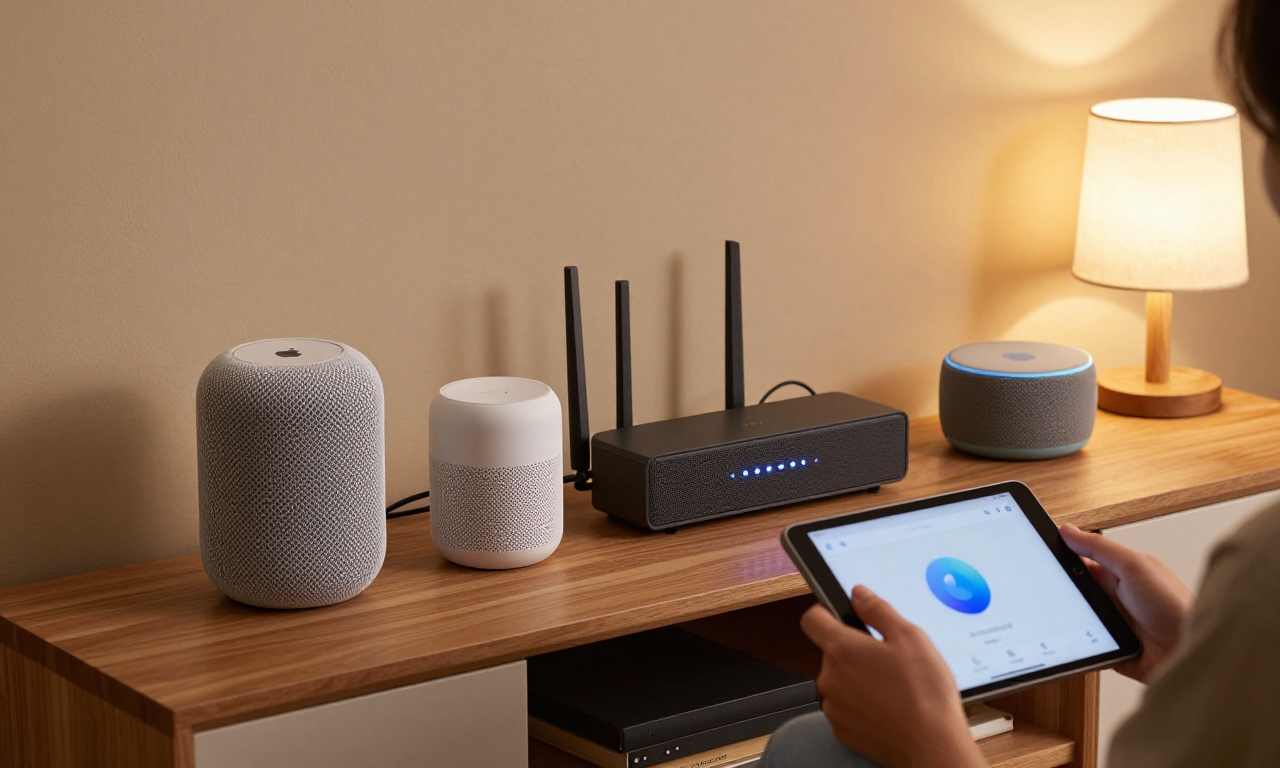
The Right Hub and Ecosystem
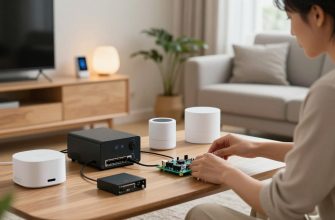
Although Matter makes the use of particular hubs unnecessary, a controller to control your equipment will remain necessary. It is also good news that numerous current smart speakers and displays can be used as Matter controllers, such as Apple HomePod, Google Nest devices, and Amazon Echo products with Thread support. Others use dedicated hubs such as the Samsung SmartThings Station or Apple TV, which provide extra processing functionality and reliability. In determining your setup, think about which voice assistant ecosystem you are most comfortable with because that will direct your choice of the primary controller.
To gain as much flexibility as possible, you may consider having multiple ecosystem controllers available so that you have redundancy and so that you are not locked out of your smart home in the event one of your services has a problem. I have discovered that a mix of Apple Home with personal devices and Google Home with shared family areas is a compromise that provides an opportunity to capitalize on advantages of both services. No matter which ecosystem you choose, make sure your network is sturdy enough to support numerous smart devices, that you have a good router and that you have enough bandwidth to avoid connection problems that can destroy even the most detailed smart home.
Creating Your Cross-Platform Smart Home
Begin with your interoperable smart home with basic devices, which offer the greatest utility regarding a variety of use cases. Smart lighting has direct advantages and relatively easy installation, whereas smart plugs may convert already used devices into smart devices without necessarily fully replacing them. Motion, temperature, door/window sensors form the backbone of any automated home, and are becoming more and more Matter supported. The first thing to consider is not only the existing compatibility, but also the history of the manufacturer to issue firmware updates and long-term support when choosing devices.
Expanding your ecosystem: Prioritize building automations that are cross-platformly reliable. Initial routines that start at sunset with turning on lights or change thermostat settings when occupancy is low are often the most reliable routines that many users find can deliver consistent results. Simple automations can be expanded into more complex automations with multiple types of devices and conditional logic as you grow more accustomed to what your system is capable of. It should be borne in mind that it is not necessary to create the most complicated smart home in the world, but it is better to create one that improves your life and does not introduce new issues related to maintenance and compatibility issues.
Keeping it Reliable and Future-Proofed
A popular apprehension regarding a mixed-ecosystem smart home is its reliability, especially when appliances by one manufacturer must integrate with appliances by another. Matter standard tackles this by using strict certification guidelines and standard communications protocols, yet appropriate configuration remains a key factor. Make sure everything is updated to the newest firmware, place your hubs and routers in a strategic position to give the best coverage area, and think about addingThread border routers to expand your mesh network to make your network more reliable.
To future-proof your smart home, additional steps are more than merely choosing the devices of the present-day standards. Reflect on the ways your needs may change within the following few years and select products of manufacturers with good records of updating their devices to several generations. Find firms that are an active part of the standards development effort and have shown a commitment to backward compatibility. Routine maintenance, such as the regular optimization of network and hardware upgrades on device firmware, will assist in keeping your smart home running well as you enlarge it with new features and devices.
Finally, constructing a smart home without vendor lock-in is a delicate and strategic process that demands tense planning and a selective choice of the devices, yet the advantages of flexibility and reduced costs in the long run justify this strategy. Using the Matter standards and the cross-platform capabilities that some devices offer, you can build a smart home system that scales to your needs instead of requiring you to fit its constraints. The technology has advanced to such a level where interoperability is not only achievable but becoming more dependable delivering new opportunities of customized home automation that can work the way you want it.