Follow us on Facebook
Breaking updates in your feed — tap to open
The Expensive Price of Smart Home Betrayal.
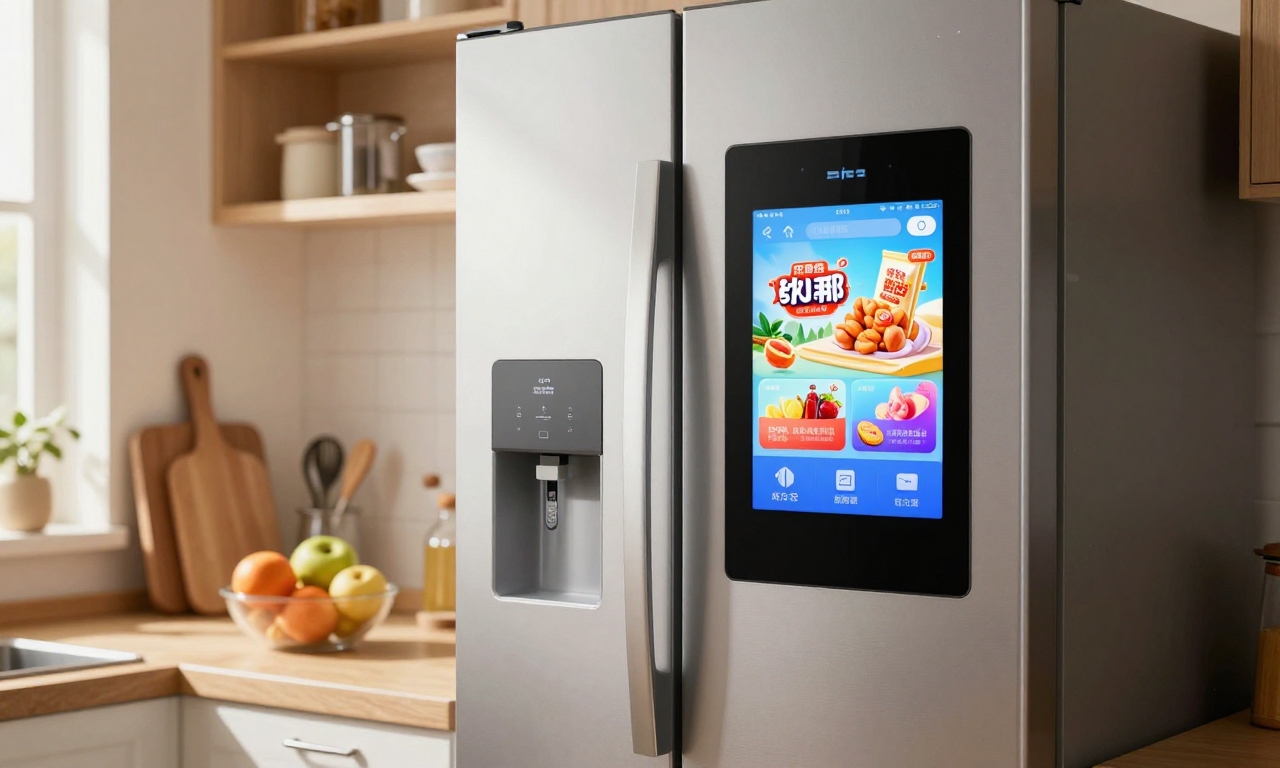
Being somebody who has evaluated a multitude of smartphones, tablets, and smart home tools over the last few years, I have witnessed manufacturers go out of their way when it comes to innovation and audacity. However, a new trend at Samsung that introduces advertising screens to their upscale Family Hub smart fridges – devices priced between 1,800 and 3,500 dollars – walks a line that must give pause to any consumer interested in the connected home. This is not only about refrigerators, but what occurs when companies turn the devices we purchase to serve their revenue avenues and not what we have bought to use within our homes.
The Intrusion into Intimate Spaces
The first thing that crossed my mind when learning about this pilot program, when the contextualized advertisement is displayed on the refrigerator in its information panel when not in use, was what this would also mean to all smart devices. We have observed the same trend with the smartphones and tablets with software updates that at times serve corporate interests at the expense of the user. However, refrigerators imply appliances that are meant to have purely utilitarian purposes in our most intimate areas- our kitchens. This is because the imposed alternative between tolerating intrusive marketing or ceasing fundamental operations turns what is expected to be a trustual relationship into a kind of digital servitude.
The Premium Experience Paradox
What is especially disturbing about this scenario is that Samsung is appealing to their most devoted and wealthiest clients, the very same group that appreciates high-end experiences and has shown readiness to spend high sums of money on quality appliances. They are the same buyers that can afford flagship smartphones such as the most recent Galaxy models, expensive wearables, or tablets. They do not want exploitation, but rather excellence. This haphazard tactic goes against all our knowledge of creation of brand loyalty in the competitive consumer electronics market, where companies such as Apple have established an empire on the basis of user experience and privacy guarantees.
It does not come as a revelation in the world of technology that the so-called enshittification, i.e. the tendency to attract users with high-quality products only to strive afterwards to make a profit at the cost of user experience, is not new. We have witnessed numerous varieties of it on different devices and platforms. However, its appearance in such an ordinary item as a refrigerator elevates the stakes quite a bit. It implies that no gadget or device, be it a smart phone, tablet, wearable, or a smart house appliance, can be really owned by the buyer in case manufacturers are free to use it to generate advertising revenue whenever they feel like.
Extended Implications on Connected Devices
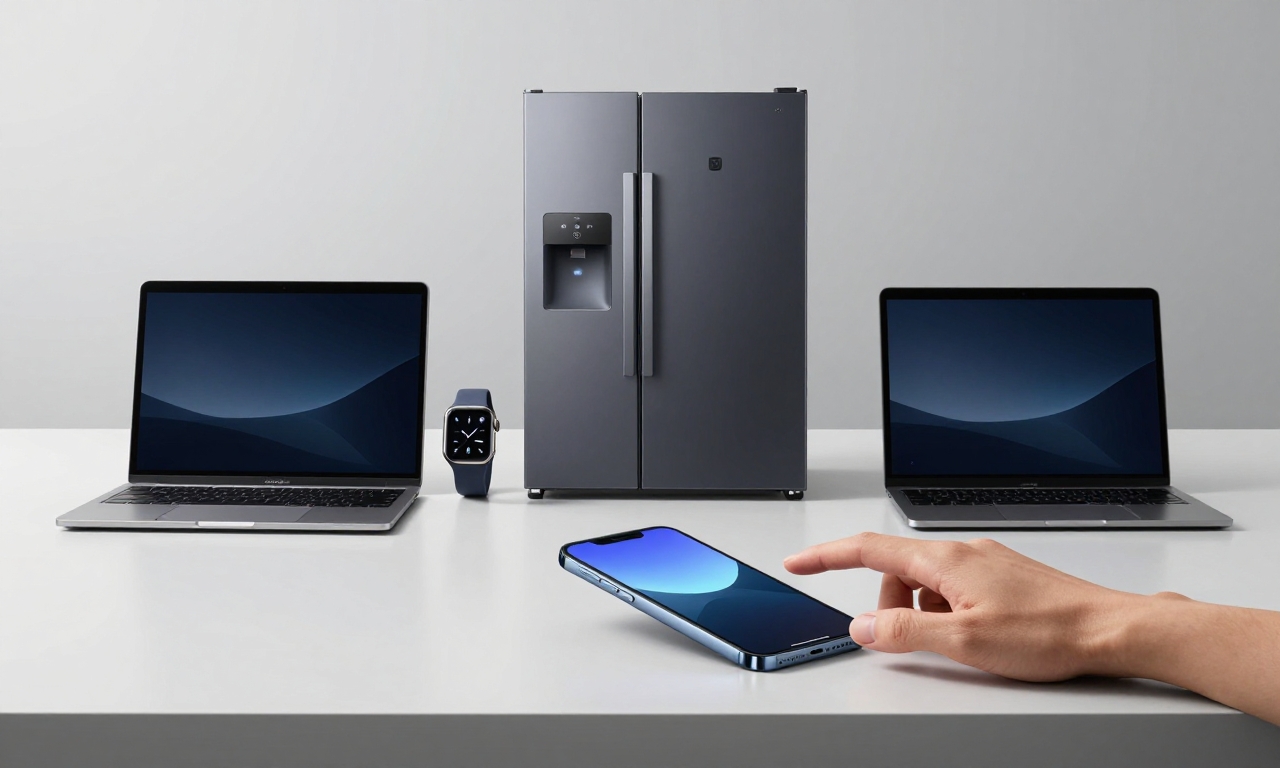
This should make consumers reevaluate their bottom-line attitude towards smart devices. By acquiring a high-end smartphone such as an iPhone or a Galaxy, you are purchasing an ecosystem. The same applies to smart clothing such as smartwatches, productivity tablets, or all kinds of devices that surround our connected experience. We have to question ourselves: can manufacturers place such advertisements into our already bought fridges, what is preventing them to do the same thing with other devices? The security and privacy issues are simply overwhelming once you think about the amount of personal information that these devices gather.
In a practical sense, this scenario is a valuable lesson to anyone intending to invest in the smart home. The same way you would investigate camera processing before purchasing a new smart phone or battery life before deciding on a tablet, now you need to reflect on the possibility that manufacturers may used internet connectivity to your disadvantage. This is not restricted to refrigerators alone; it extends to the complete ecosystem of gadgets in our lives whether it is a sound system with abuilt-in connection toBluetooth or wearables that monitor our health needs.
Devices Impacted by This Trend
- Smartphones
- Tablets
- Wearables (smartwatches)
- Smart home appliances (refrigerators)
- Sound systems with built-in connectivity
- Health monitoring wearables
Trust Economy of Consumer Electronics
What Samsung appears to have overlooked is that modern consumer electronics market is based on trust. Trust in the manufacture concern in its commitment to their customers with regard to user experience is important when I am prescribing smartphones to the readers, or when they are deciding between Android and iOS-powered gadgets. Businesses can foster this trust by maintaining regular performance, reliable updates, as well as respecting the privacy of its users. That confidence is very hard to regain once lost, and we have observed this happening with numerous privacy scandals of different tech firms over the years.
The short-term gains of refrigerator advertisements might be attractive to corporate accounting departments, yet the long-term losses of credibility in brand image may be much greater than financial rewards. In a world where customers are growing increasingly aware of how their products have a role to play in privacy and security concerns, such a move compromises the most basic of customer relationships. It hurts especially as a company such as Samsung, which competes in various fields, such as smartphones and tablets, wearables, and smart home devices, where trust is of crucial importance.

A Warning to Smart Devices Consumers
This episode on the refrigerator by Samsung should be a wake-up call as we continue with this ever-expanding globalized world. Consumers should always pose important questions before making a purchase of any smart device such as a new smartphone with 5G features, student tablets, fitness wearables, and smart home devices.
Critical Questions to Ask Before Purchase
- Will it be the same device after I buy it?
- Does the company update the core nature of its functionality?
- How will my privacy and user experience be affected should corporate priorities change?
To the companies, the lesson is no less straightforward: a treatment of the customers as advertising objectives can bring in short-termed revenues but will eventually hurt the trust and credibility needed to make it in the long-term. Every competitive market, where there exist substitutes in the market of every kind of device, cheap phones, fancy flagships, simple wearables, and complex smart homes, will eventually be voted by their wallets. And more and more, they are turning to companies that understand the basic tenet that when our consumers make a purchase of a device, they are acquiring the experience of using said device, not leasing access to advertisements in their living room.
| Feature | What it enables | Best for | Notes / limits |
|---|---|---|---|
| Smartphones | Ecosystem purchase, connectivity | High-end experiences, flagship models | Subject to software updates that may serve corporate interests |
| Tablets | Productivity, student use | Battery life considerations | Can be used to generate advertising revenue |
| Wearables | Health monitoring, fitness tracking | Smart clothing, smartwatches | Gather personal information, privacy concerns |
| Smart home devices | Connected home experience | Kitchen appliances (refrigerators), sound systems | May have advertising screens, utilitarian purposes compromised |