Follow us on Facebook
Breaking updates in your feed — tap to open
In the rapidly evolving world of smart home technology, manufacturers continually push boundaries to deliver innovative features that promise convenience and connectivity. However, Samsung’s recent pilot program for its premium Family Hub smart refrigerators has sparked a heated debate that goes beyond mere functionality. By introducing contextualized advertisements on the refrigerator’s information panel during idle periods, the company has inadvertently highlighted a critical issue facing all connected devices: the delicate balance between innovation and consumer trust.
This development isn’t just about ads appearing in your kitchen-it’s about fundamental questions of ownership, privacy, and the long-term relationship between consumers and the technology brands they invite into their homes. As smart home devices become increasingly integrated into our daily lives, understanding these implications becomes essential for anyone investing in connected appliances.
- The Family Hub Controversy: What Samsung’s Pilot Program Reveals
- Beyond the Kitchen: Broader Implications for Smart Home Privacy
- The Ownership Question in Connected Devices
- Privacy Concerns in Contextual Advertising
- The Business Perspective: Short-Term Gains vs. Long-Term Trust
- Practical Solutions: Protecting Your Smart Home Privacy
- For Current Smart Home Owners
- For Future Smart Home Purchases
- The Future of Smart Home Technology: Finding the Right Balance
The Family Hub Controversy: What Samsung’s Pilot Program Reveals
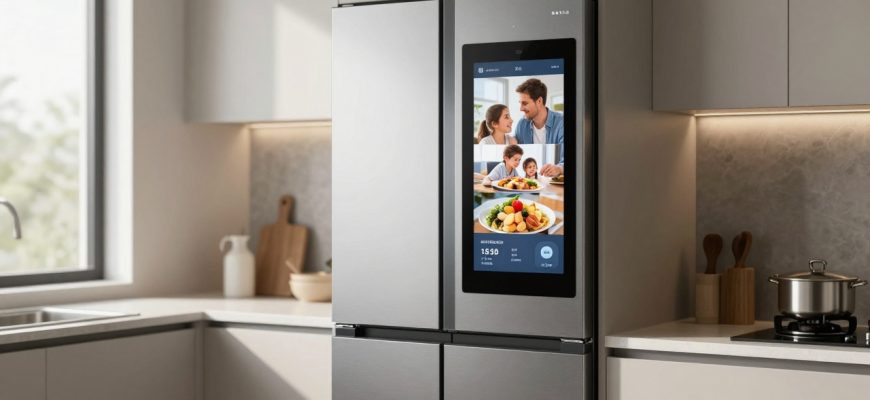
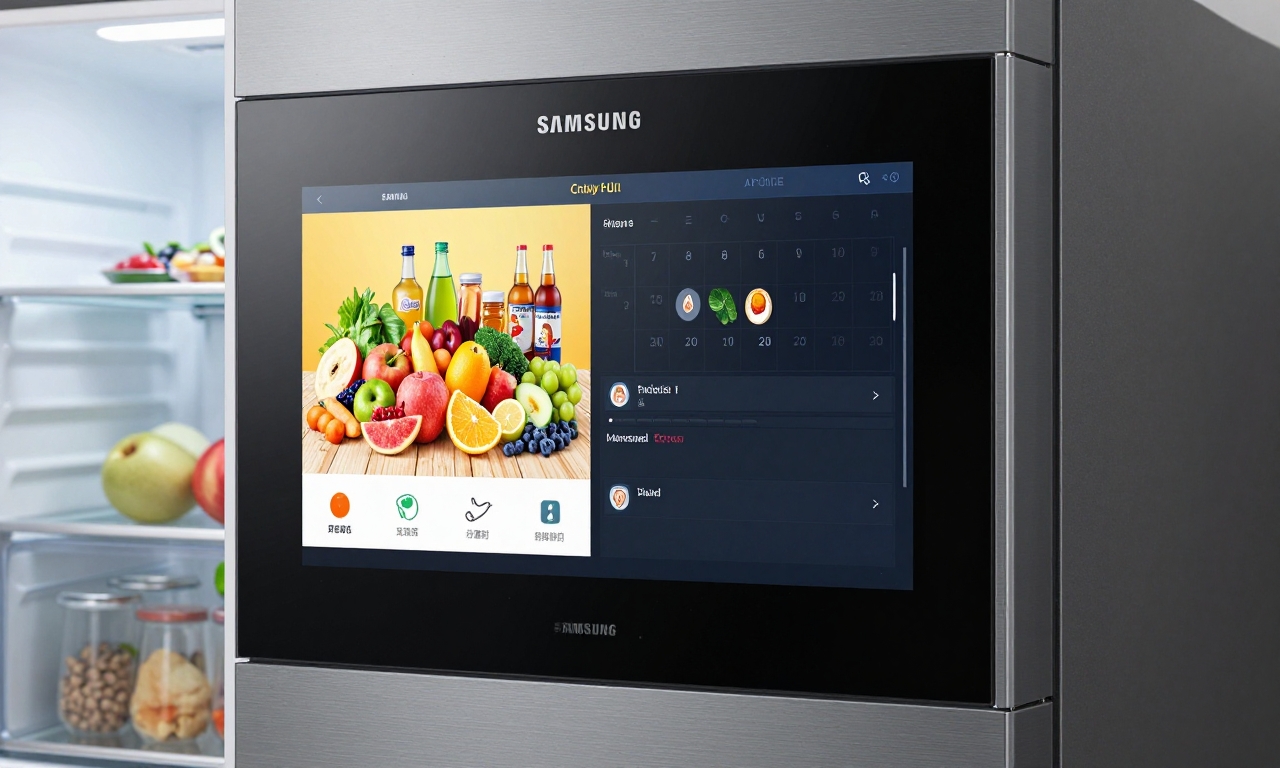
Samsung’s Family Hub refrigerators represent the pinnacle of smart kitchen technology, with prices ranging from $1,800 to $3,500. These premium appliances feature large touchscreen displays that traditionally served as information panels for recipes, family calendars, and smart home controls. The company’s decision to repurpose this display for advertising during idle periods has created what many consumers perceive as a significant breach of trust.
The pilot program displays contextualized advertisements based on user behavior and refrigerator contents, essentially transforming what was marketed as a premium information center into an advertising platform. What makes this particularly problematic is that customers who purchased these high-end appliances did so expecting a premium, ad-free experience. Instead, they’re now faced with a choice: accept intrusive marketing or potentially lose access to basic functions of the appliance they’ve already paid for.
This situation exemplifies what technology critics have termed ‘enshittification’-the corporate practice of initially attracting customers with excellent products, only to later prioritize profit over user experience. For Samsung’s most loyal and affluent customers, who specifically chose these refrigerators for their premium features, this feels like a betrayal of the trust relationship that should exist between consumers and premium brands.
Beyond the Kitchen: Broader Implications for Smart Home Privacy
The Ownership Question in Connected Devices
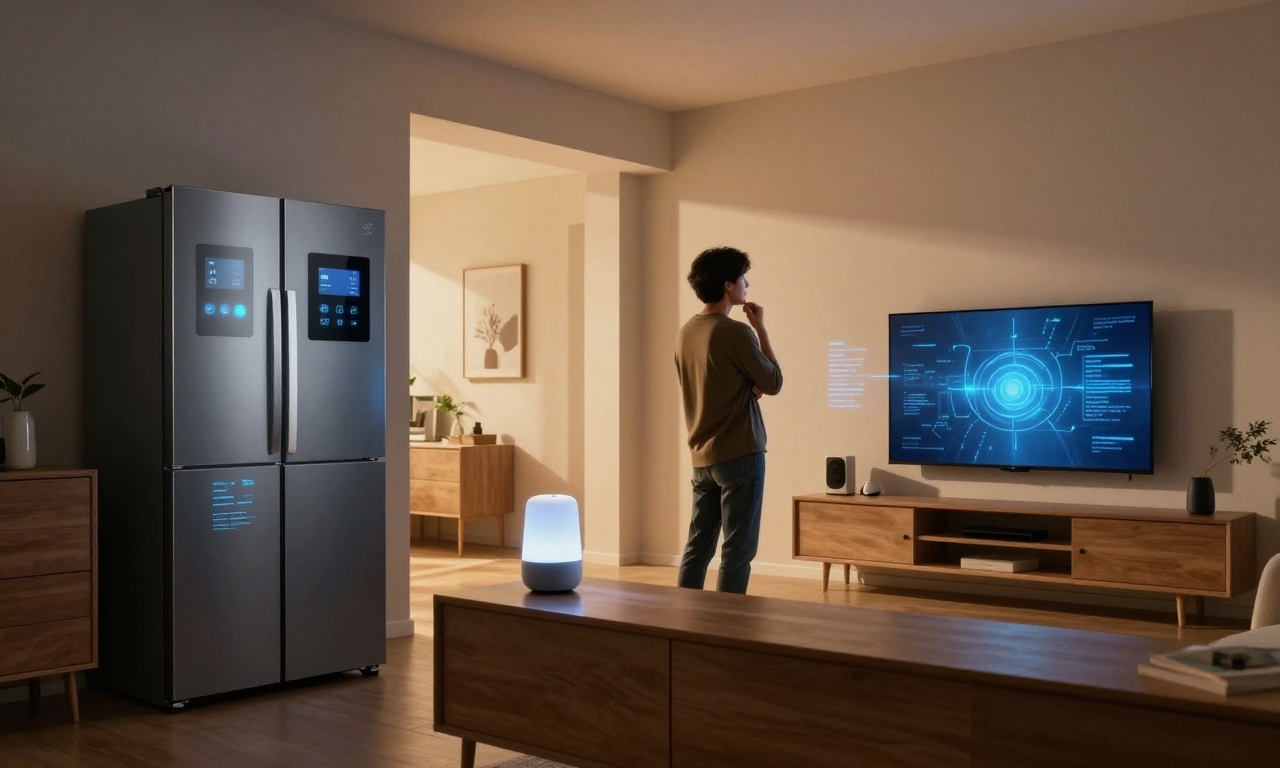
Samsung’s refrigerator ad program raises a fundamental question that affects all smart home devices: When you purchase an internet-connected appliance, do you truly own it? The ability for manufacturers to remotely modify functionality-especially in ways that prioritize their revenue over user experience-suggests that ownership in the traditional sense may no longer apply to connected devices.
This development has broader implications for consumer confidence in connected products. If a refrigerator manufacturer can introduce advertising after purchase, what prevents other companies from similar actions with smart TVs, security systems, or voice assistants? The episode serves as a wake-up call for consumers to consider whether manufacturers might exploit internet connectivity for commercial gain before purchasing any smart device.
Privacy Concerns in Contextual Advertising
The contextual nature of the advertisements raises additional privacy concerns. For ads to be truly contextualized to a refrigerator’s contents, the device must analyze and potentially share information about what’s inside. This creates questions about:
- Data Collection: What specific data is being collected about refrigerator contents?
- Data Sharing: Is this information shared with third-party advertisers?
- Consent: Were users adequately informed about this potential use of their data?
- Security: How is this sensitive data protected from breaches?
These questions become increasingly important as more kitchen appliances gain connectivity and data collection capabilities.

The Business Perspective: Short-Term Gains vs. Long-Term Trust
From a business standpoint, Samsung’s approach represents a classic case of potential short-term revenue generation at the expense of long-term brand credibility. While displaying ads on refrigerator screens might generate additional income, the damage to customer trust could have far-reaching consequences for the company’s smart home division and overall brand reputation.
This is particularly significant because:
- Premium Market Sensitivity: High-end consumers are especially sensitive to intrusive advertising and value premium, ad-free experiences
- Brand Loyalty Impact: Alienating loyal customers can have ripple effects across product categories
- Competitive Vulnerability: Competitors can capitalize on this misstep by emphasizing their commitment to ad-free experiences
- Future Product Adoption: Current negative experiences may deter customers from future smart home purchases
The episode serves as a cautionary tale for all technology companies: treating customers as advertising targets may generate immediate revenue but ultimately damages the trust essential for sustainable brand success.

Practical Solutions: Protecting Your Smart Home Privacy
For Current Smart Home Owners
If you already own smart home devices, including connected appliances, there are several steps you can take to protect your privacy and control your experience:
- Review Privacy Settings: Regularly check and adjust privacy settings on all connected devices
- Monitor Updates: Pay attention to firmware updates and what changes they introduce
- Use Network Segmentation: Consider placing smart home devices on a separate network from personal devices
- Research Before Buying: Investigate company policies regarding advertising and data use before purchasing new devices
- Consider Local-Only Options: Look for devices that offer local processing without cloud dependency
For Future Smart Home Purchases
When considering new smart home investments, particularly premium appliances, ask these critical questions:
| Question to Ask | Why It Matters |
|---|---|
| Does the manufacturer have a history of introducing ads after purchase? | Past behavior often predicts future actions |
| What data does the device collect and how is it used? | Understanding data practices helps protect privacy |
| Can features be disabled without losing core functionality? | Maintaining control over your device is essential |
| What are the company’s stated policies on advertising? | Clear policies provide transparency and accountability |
By being proactive and informed, consumers can make better decisions about which smart home technologies to invite into their living spaces.
The Future of Smart Home Technology: Finding the Right Balance
The Samsung refrigerator ad controversy represents a pivotal moment in the evolution of smart home technology. As devices become more integrated and capable, manufacturers must navigate the complex relationship between innovation, revenue generation, and consumer trust. The most successful companies will be those that recognize several key principles:
Transparency is non-negotiable. Consumers deserve clear communication about how their devices function, what data they collect, and how that data might be used-both now and in the future.
Choice matters. Users should have meaningful control over their devices, including the ability to opt out of features they find intrusive without losing core functionality.
Premium means premium. For high-end products commanding premium prices, customers reasonably expect premium experiences free from intrusive advertising.
Trust is earned, not assumed. In the competitive smart home market, brands that prioritize long-term trust over short-term revenue will ultimately win consumer loyalty.
As the smart home industry continues to evolve, episodes like Samsung’s refrigerator ad program serve as important reminders that technological capability must be balanced with ethical consideration and respect for consumer autonomy. The kitchens, living rooms, and bedrooms of the future will be filled with connected devices-how manufacturers approach these relationships today will determine whether those spaces feel like empowering smart homes or constrained advertising platforms.
The true test of smart home innovation isn’t just what technology can do, but whether it enhances our lives without compromising our autonomy or trust.
For consumers, the lesson is clear: approach smart home purchases with both excitement and caution, recognizing that connectivity brings both convenience and complexity. For manufacturers, the message is equally important: sustainable success in the smart home market requires building products that respect users as partners in innovation, not merely as targets for revenue generation.