Follow us on Facebook
Breaking updates in your feed — tap to open
The frequent incorporation of smartphones as a cultural gasp has triggered a cycle of yearly smartphone enhancements with intense advertising campaigns and well planned product introductions. We, as consumers, are conditioned to expect the next big thing, and we tend to assume that something new is always good. This mental conditioning is involved in our fear of missing out and the need to have social status via device ownership. Major manufacturers know well how to trigger these cues so that they develop narratives around incremental gains that present as revolutionary.
The Physical Improvements: Performance and Camera Gains
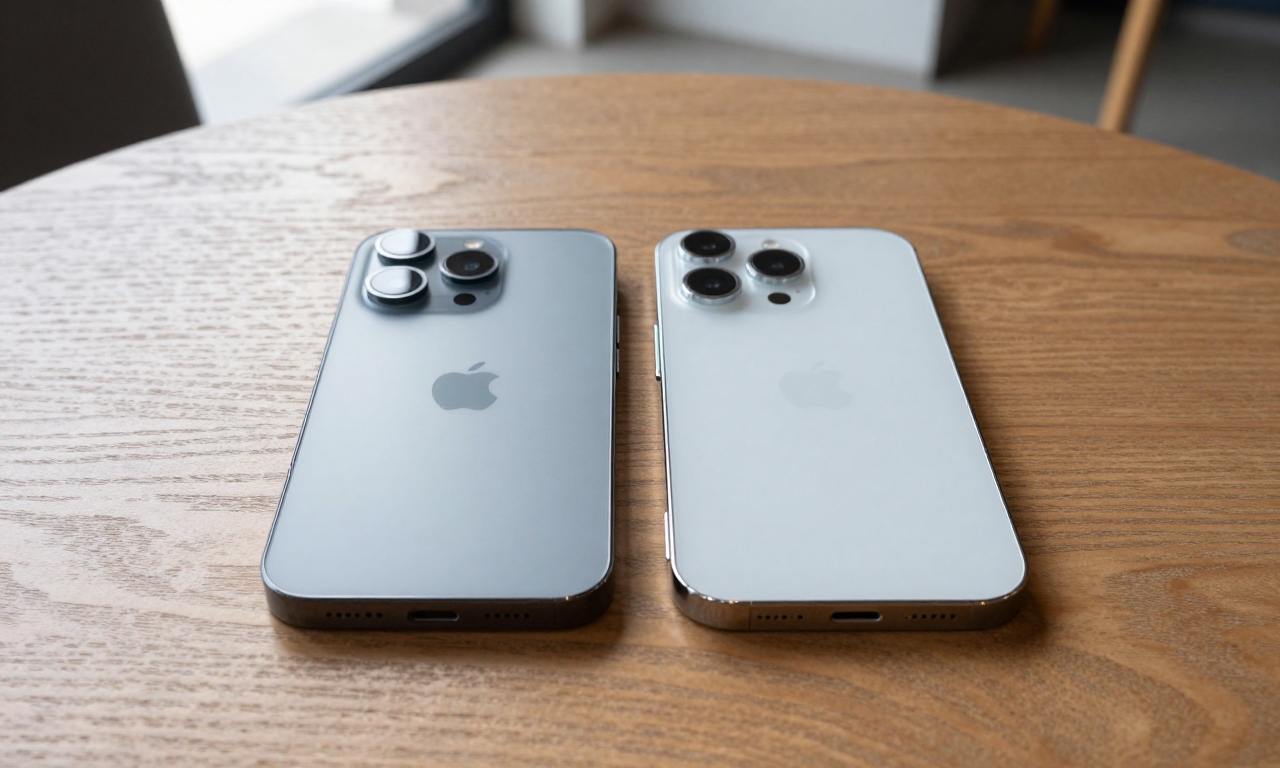
The situation becomes more refined when looking at real hardware innovations. The yearly thereafter performance improvement in flagship smartphones is increasingly mixed up. Although benchmark scores may increase by percentages, it is common to find very little change in real-life usage when dealing with the daily activities of browsing, social media, and even messaging. The difference is more apparent in high-performance tasks such as mobile gaming or video editing, where a two-year-old device is often more than adequate to the user. This fact confronts the belief that newer is faster in the real world.
One area where upgrades can be shown to produce visible improvements is in camera technology, especially in computational photography. The features of night mode have developed significantly, enabling taking of spectacular shots in the dark, which were not possible a mere few years ago. Algorithms in portrait mode have been improved to produce realistic background blur and enhanced edge detection. However, these software-based upgrading can also percolate occasionally to older machines as operating system upgrades, making it difficult to distinguish between hardware and software improvements.
Another complicated factor in the upgrade equation is battery life. Although battery technology has improved, slow changes, the greatest benefits go to smarter processors and software optimization instead of groundbreaking battery technology. Some amount of endurance, as well, some users would be surprised to hear, could be restored to their existing device by a simple battery change. The introduction of fast charging and wireless charging technology has definitely made it easier, but these additions have become a trend that cuts across price lines.
Cognitive Biases and Tactics in Marketing
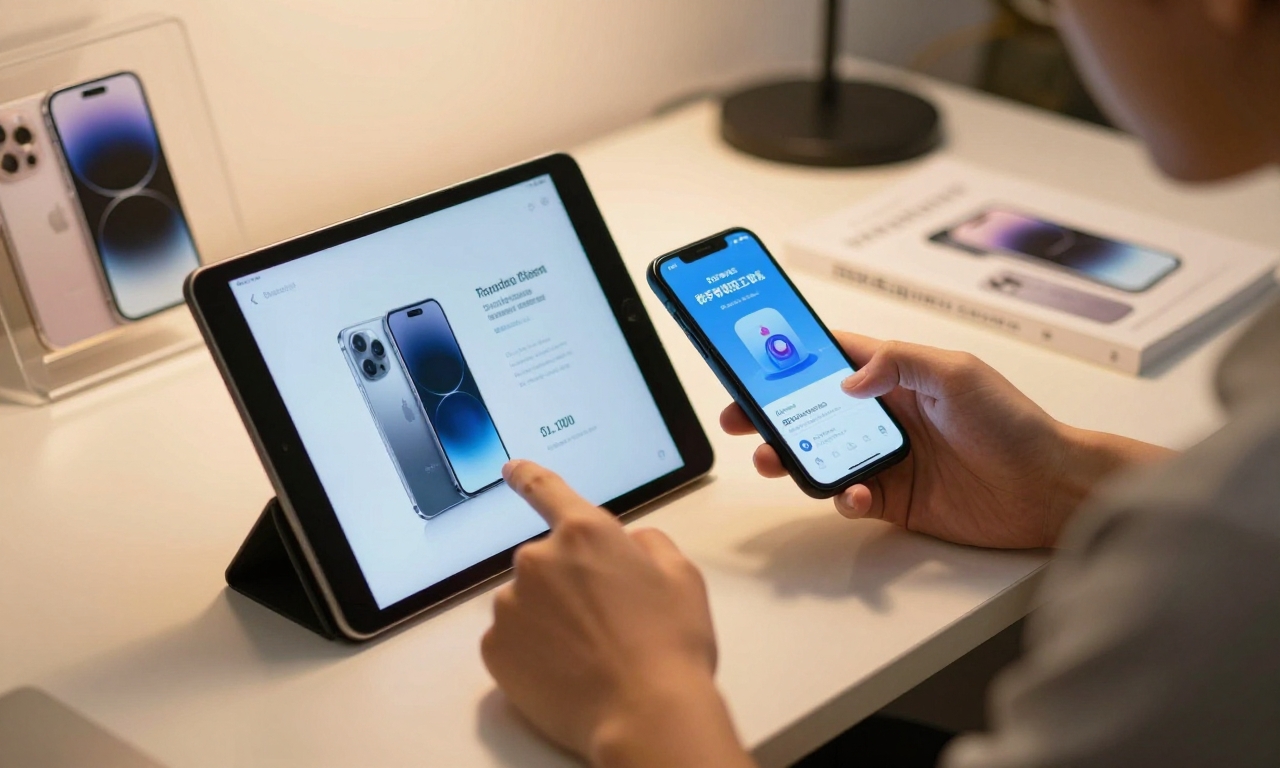
The psychology of the upgrade decision entails a number of cognitive biases which manufacturers skillfully exploit. Our attention on the advertised improvements as opposed to whether our present device is in line with our real needs is the anchoring effect at work. Social proof makes us think that upgrading is the standard as everyone in our surrounding appears to be doing it. Loss aversion also has something to contribute- we miss new features more than we appreciate the money we are going to spend. Psychological factors usually overwhelm the logical cost-benefit analysis in making upgrade decisions.
Software Updates as an Alternative
Another frequently ignored option to hardware upgrade is software updates. IOS and Android frequently add features that add to the abilities existing devices have, potentially adding features (and sometimes the functionality) formerly found only on newer models. The importance of security updates is to ensure personal information protection and device integrity. To users whose main focus is on privacy and security but not cutting-edge hardware or features, keeping up with software updates can be more useful than buying new hardware.
Durability and Construction Quality
The levels of durability and quality of construction have also increased dramatically throughout the smartphone sector, and devices can now survive three to four years in proper use. We have seen middle-end and flagship products with water and dust resistance as a standard feature, and display capabilities such as OLED provide a great level of longevity. Coupled with screen protectors and cases, current smartphones can endure up to years of daily use with little aggressive deterioration in operation and appearance.
Informed Decisions on Upgrades
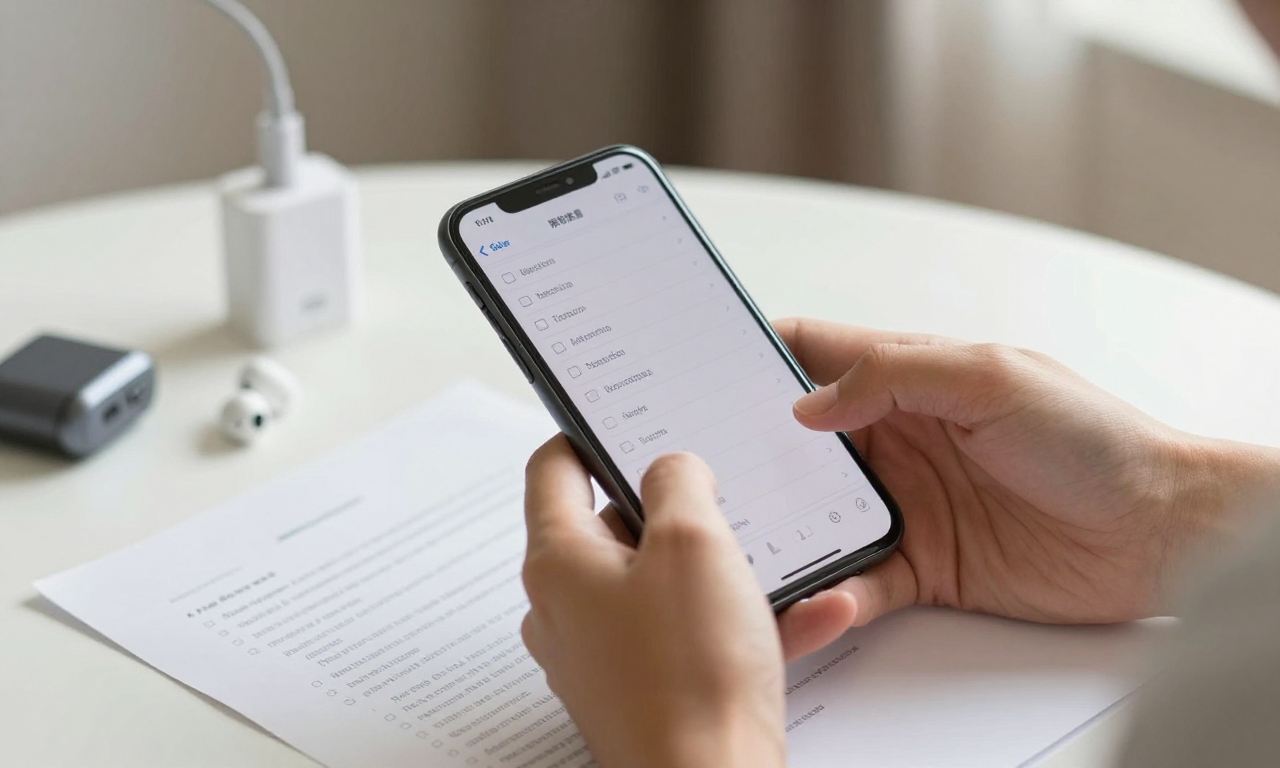
Whenever a consumer is considering an upgrade, there are a number of useful questions that can guide them in making their decisions.
- Does your existing device not meet the necessary tasks?
- Does your current phone have any particular features that you require?
- Do you think replacing your battery will address your major complaints?
- Budget factors are also significant because now the smartphone market can find good mid-range options, which are comparable to flagships of a few years ago.
The careful consideration of the analysis of your existing device versus your possible upgrades can often show some surprising ideas regarding actual value.
The Foldable Phone Segment
The foldable phone segment adds an extra upgrade-consideration factor. Although these devices provide new form factors and bigger screens, there are still questions regarding their durability and practical usefulness. The practical use of foldables demonstrates both their potentials and their shortcomings, especially in terms of crease visibility and hinge systems. The classic smartphone designs remain the most reliable, functional and affordable to most users.
Additional Gadgets and Peripherals
Additional gadgets can help to boost the smartphone experience without a complete upgrade.
- MagSafe is an addition to iPhones that can provide functionality in the form of magnetic attachment systems, whereas USB-C is a standard that has gained widespread connectivity.
- Wireless chargers are more efficient and cheaper and Bluetooth earbuds keep getting better in quality sound and noise cancelling options.
Such peripheral additions can be more directly gratifying than an upgrade to a whole device.
Finally, the upgrade choice must be irrational and reasonable. Although there is undoubtedly some improvement in new smartphones, the innovation has leveled off such that it is not uncommon to miss one or two generations and still be considerably behind in the game. Learning the psychology behind upgrade cycles and being able to analyze true improvements against marketing slogans objectively, consumers will be able to make more intelligent decisions which are congruent with real needs as opposed to those created by marketers.