Follow us on Facebook
Breaking updates in your feed — tap to open
The next time you get a notification on your old smartphone of a new software update, it claims to bring fun features and enhancements. In the release notes, manufacturers note new camera features, interface improvements, and security patches. Nevertheless, the actual effect of these updates to older hardware can be quite distinct in reality than what is marketed. This variation between its pledged features and its real performance warrants further scrutiny.
Performance Alterations: The Silent Trade-Off
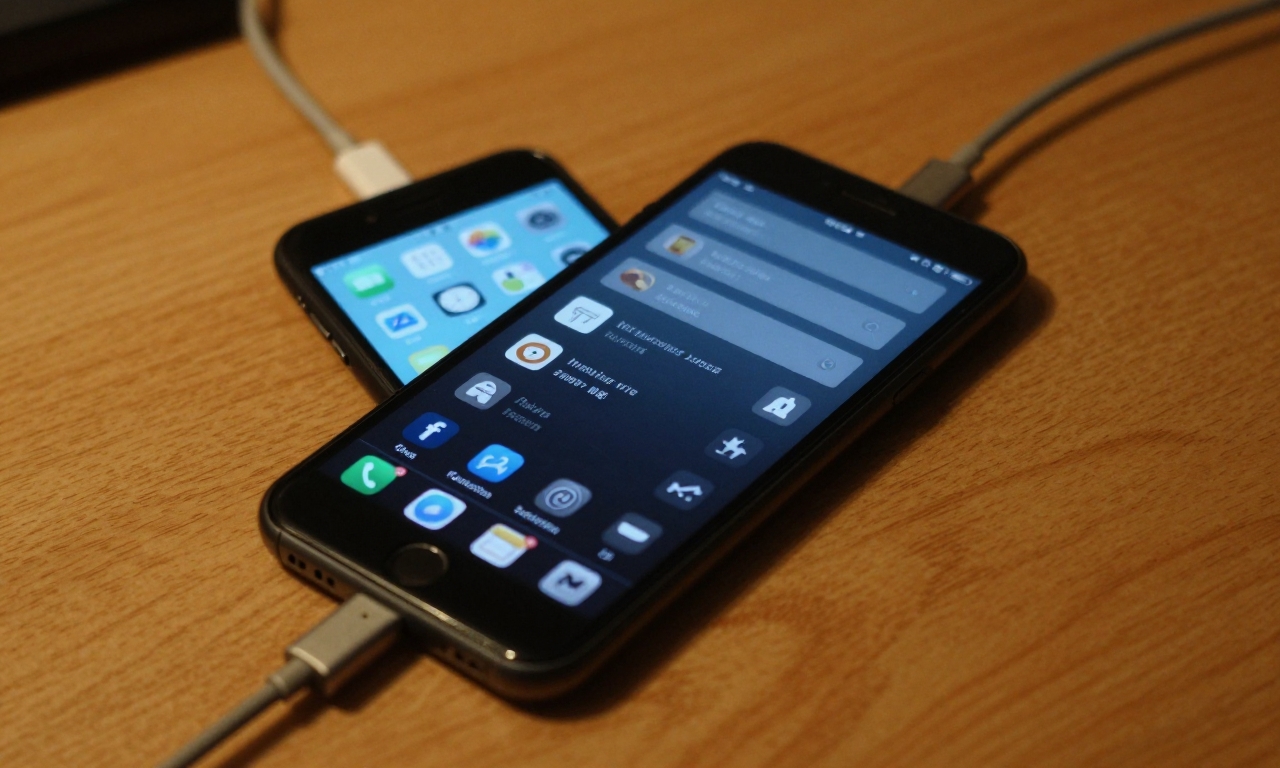
Multiple generations of smartphones show us a steady trend with bigger software release cycles. The changes in performance observed in devices that are two or three years old following the application of the latest operating system are also noticeable. Although some of these optimizations might make certain tasks feel more smooth, the added system requirements tend to overload older processors and the limited RAM. It generates a trade-off in which the new features are traded off against the overall system responsiveness. The impact differs greatly among manufacturers, and some companies are better suited to older hardware than the other.
Battery Life Degradation
Battery life is one of the most notable issues to users in regard to software updates with ageing devices. Through our testing data, we find that significant updates often bring on new backgrounds processes and system services that consume more power. Several older smartphones have a shorter screen-on time following extensive software updates even with battery optimization features. The effect of this battery life degradation can be quite more conspicuous than any performance changes, especially on devices with a battery cell that has a decreasing capacity during use.
Security Improvements
The most appealing argument in favor of installing software updates on older devices is security improvements. All significant releases will have some important security patches, which normally fix vulnerabilities found since the last release. Such security will mitigate malware, data breach, and unauthorized access that may lead to the compromise of personal information. Although users may hesitate with performance and battery life considerations, the advantages of updates in security terms cannot be ignored in ensuring overall safety of the devices in a world that is becoming more and more connected.
When Updates Extend Versus Degrade Experience
When the specific sets of devices are analyzed, one can find some interesting trends concerning what kind of updates actually prolongs the lifespan of a device. Outdated flagship smartphones tend to be more capable of large-scale updates than the budget or mid range products due to their use of more complex initial hardware. Nevertheless, the best devices at one known point will become lagged by new downloads requiring more generational advancement. This transition normally comes at the three-year point of most smartphones, but the optimization quality among companies differs greatly.
Camera Feature Updates
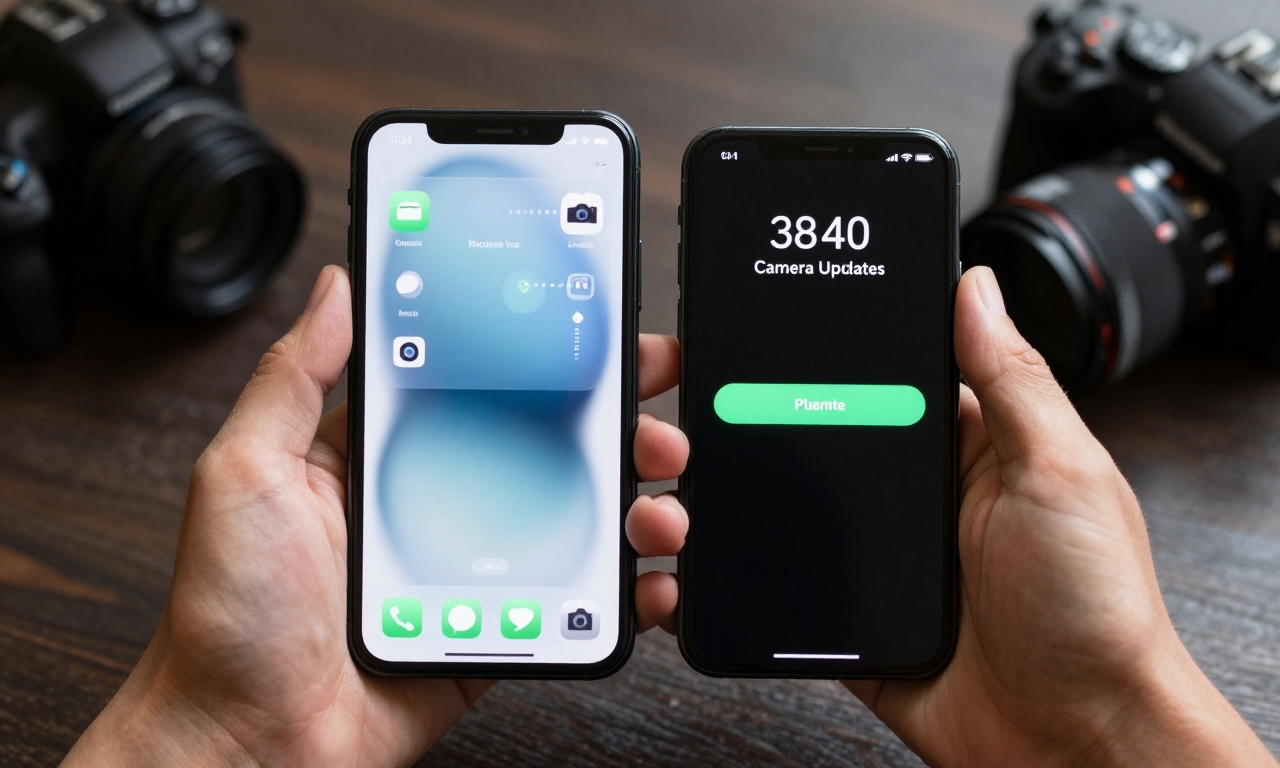
A particularly interesting case study is the solution to camera through software updates. Updates provided by many manufacturers offer improved photography features such as better night mode processing, improved portrait mode algorithms, and scientists provide new ways to shoot. Such camera upgrades can indeed lengthen the photo lifetime of older cameras, and make them competitive to newer ones in certain shooting situations. Nonetheless, these computational photography advances can often be very taxing in terms of processing power, which may affect the overall system performance.
Storage Considerations
The update is important to consider storage in the context of older devices. Large software updates can also consume a large amount of storage space making them difficult to install in machines with low internal storage. Regular users of the update notifications should have enough space, and failing to do this, they might have to remove applications, photos, or other files so that they can fit the new software. This storage pressure is one of the factors in the update experience that can undermine user satisfaction with otherwise positive advancements.
Informed Update Decisions
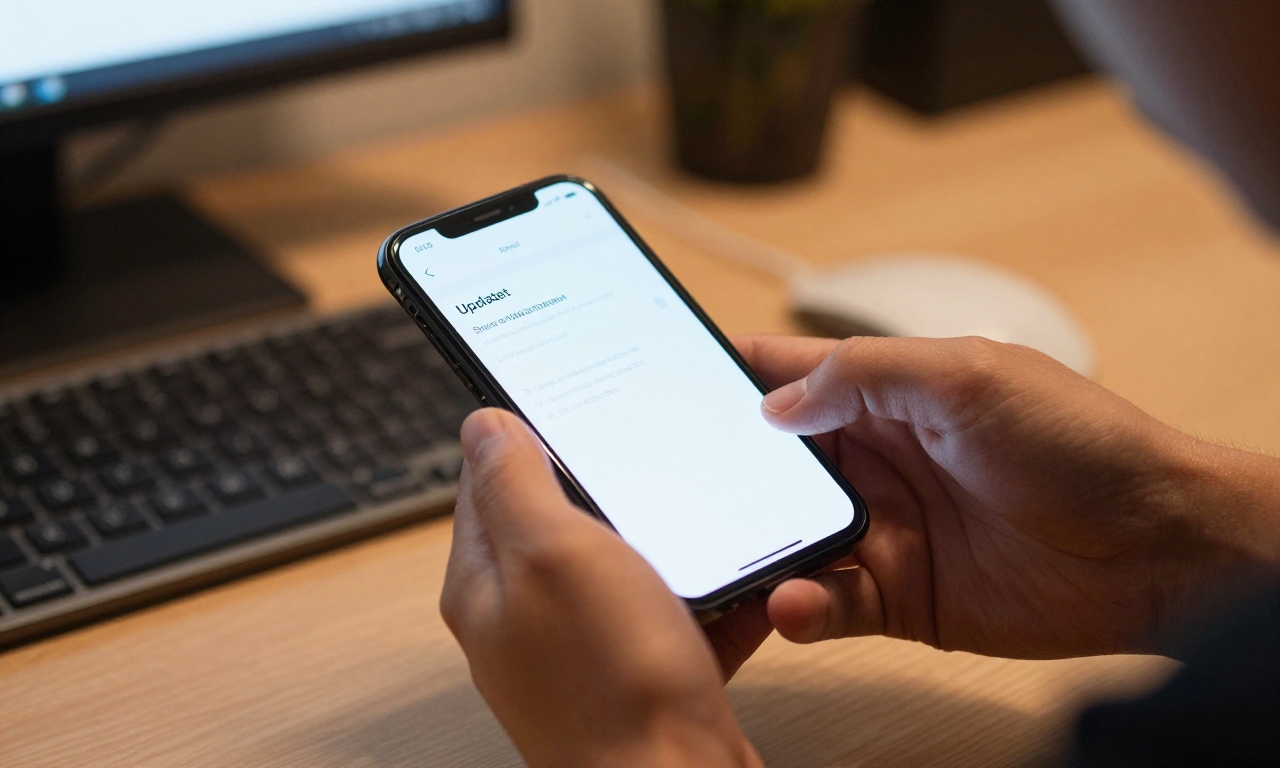
The actual difference brought about by software updates depends on your particular usage habits and device status. Incidentally, when this involves users who value security and up to date features, it is then only sensible to install the updates as soon as they show up regardless of the performance trade-offs likely to occur. A person who is more focused on stable performance and battery life may want to wait longer before significant updates or remain with minor versions that are more stable. Understanding how certain updates have impacted your specific type of device can also prove useful prior to installation.
Operating System Version Changes
A change of operating system version can often be the most substantive change to older devices. The most significant performance changes are usually introduced when changing one major version to another, whereas point updates in the same major version are often more stable. This difference is useful in explaining why there are users who claim drastic changes following some updates and those who claim not to see significant changes. The interpretation of this version transition type can help make the right expectations of what an update really will provide.
Manufacturer Support Policies
The manufacturer support policies have a significant effect on the process of updating older devices. Those companies offering a longer software lifecycle can tend to devote more resources to updating their older hardware. This optimization project can be the difference between an update that protracts the life of the device and the one that hastens obsolescence. A comparison of the update actions undertaken by various producers on the devices of equal age shows a significant difference in their dedication to the long-term user experience.
Finally, the option of updating old smartphones is a matter of compromise. Security enhancements are good justification to install updates, whereas potential changes in performance and battery life worth the user reasonable concerns. With a better idea of how recent changes to devices actually alter their behavior, instead of paying attention to feature lists, users can decide more wisely on keeping their old smartphones in use. This information will turn Software upgrades into a strategic decision regarding devices lifetime and user experience.