Follow us on Facebook
Breaking updates in your feed — tap to open
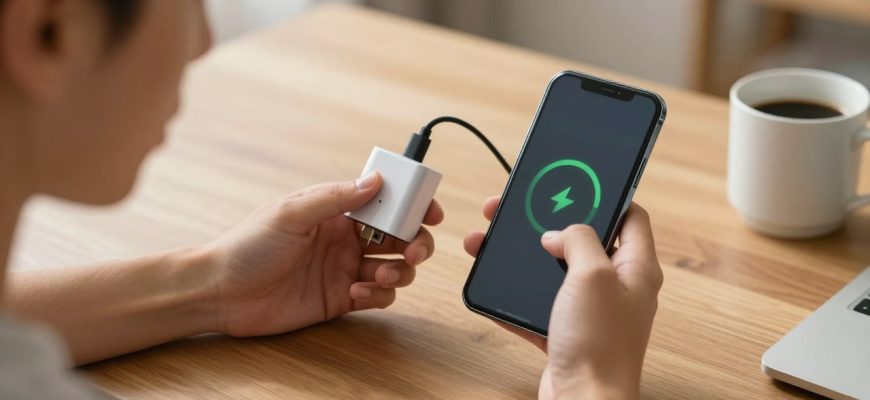
When you have recently bought a new Samsung Galaxy S26 series smartphone and attempt to keep it charged with a high-wattage 100W charger belonging to another device, you might have been surprised to see that it fails to charge as fast as claimed in the advertisement. This universal anger is due to an inherent misconception of the working principle of modern smartphone charging, specifically the introduction of USB-C Power Delivery technology by Samsung. The assumption made by many consumers is that wattage corresponds to faster charging, which is simply not true and varies according to the communication protocols between the charger and the device.
Getting familiar with PPS: The Secret of Samsung Fast Charging
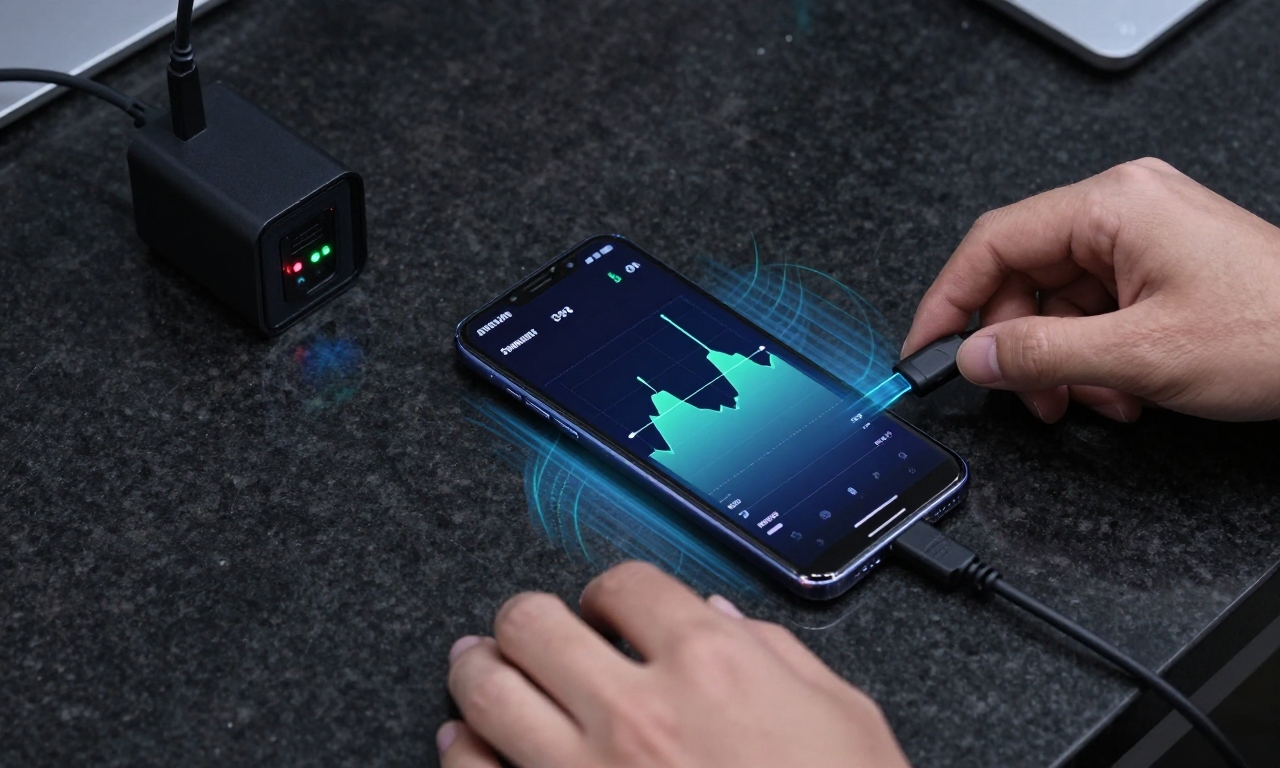
Central to Samsung fast charging is PPS, or Programmable Power Supply, an advanced version of USB Power Delivery. PPS uses dynamic voltage and current changes which can occur in very small steps during the charging procedure, as opposed to the typical fixed-voltage charging. This smart technology allows Samsung phones to maximize charging power and balance the heat production and battery life. When you plug in a standard 100W charger with no PPS support, your Samsung gadget knows it is not charging anything PPS-supported and limits itself to the minimal charge rates, which are around 15-18W in most cases no matter what the charger is capable of.
Technical requirements of appropriate PPS implementation are rather specific. The newer flagships of Samsung are enhanced with PPS chargers whose voltage readings usually range in-between 3.3-11V or current capacity rated up to 5A with the capacity to be adjusted in 20mV steps. Most generic 100W chargers are strong enough to charge a laptop or another device, but they are lacking this exact voltage modulation capability. That is why a charger that is fully compatible with a MacBook or gaming laptop may make your Galaxy phone charge at a snail’s pace. The communication handshake collapses on the protocol level, which does not allow the high-tasting charging that you want out of a premium device.
Cable Requirement: USB-C Cables Are Not Equal
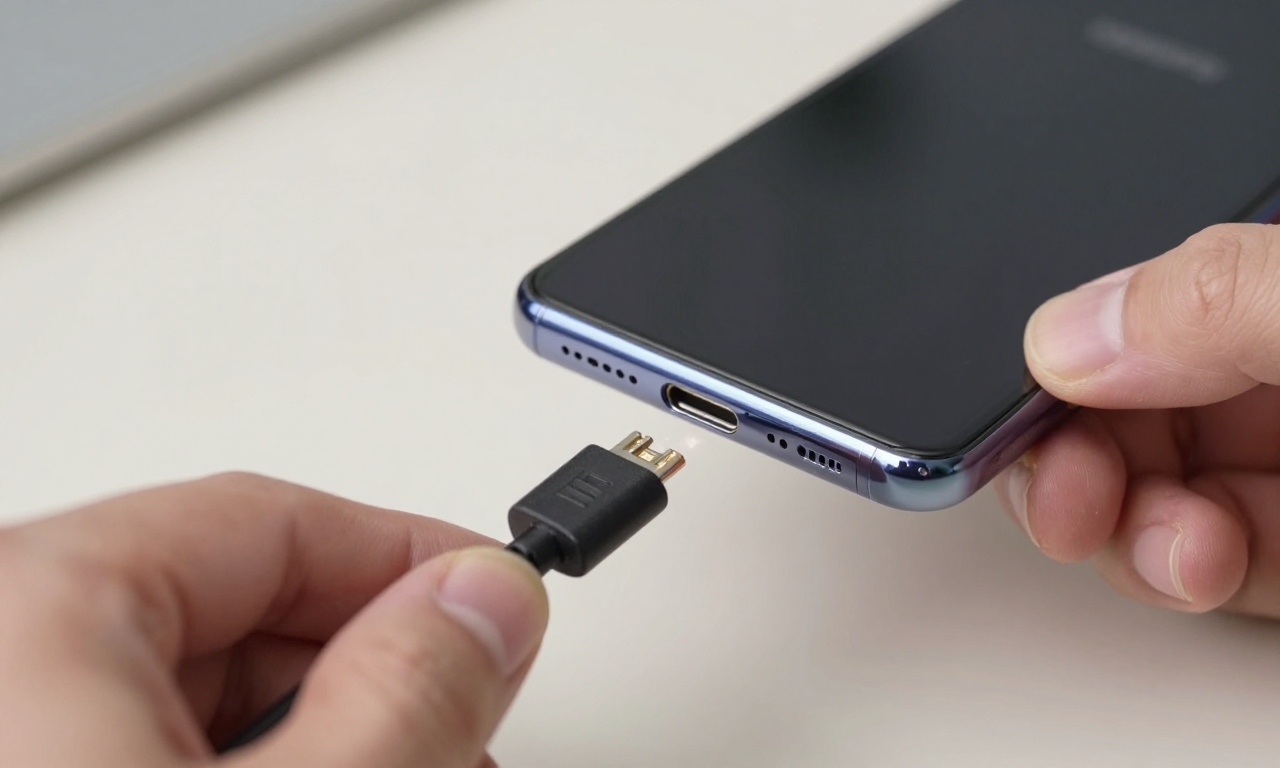
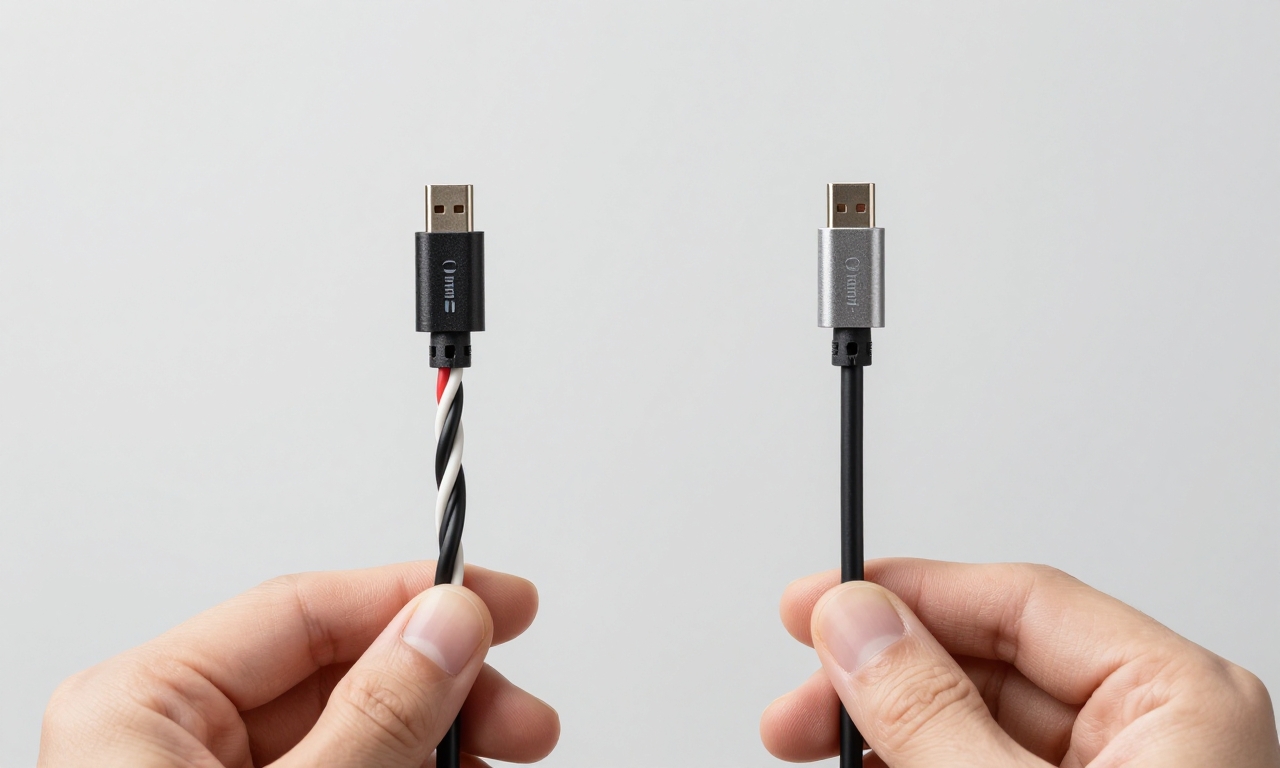
Your charge rate may be constrained by the cable you are using even when using a compatible PPS charger. This is an important detail that many consumers do not see because under the assumption that any USB-C cable will provide optimal performance. To use fastest charging speeds with Samsung, though, you will require a cable that is rated at minimum 5A current and can be USB-IF certified. Larger, less expensive cables tend to stop at 3A, which effectively acts as a bottleneck to your phone, keeping the device from charging to its full. It is especially relevant to users who use longer cables, in which case resistance is proportional to length and thus decreases the effective delivery of the current.
When choosing cables in your flagship smartphone, recommend explicit 5A or 100W ratings, and preferably E-Marker chips that convey capability both of the charger and the high-end phone. These chips are now implemented on many premium cables, and they negotiate the best power delivery profile automatically. Without this communication, even the perfect PPS charger will set your Samsung phone back to safer, slower charging schemes. This focus on cable quality is an important change in comparison with previous charging standards that did not place as much emphasis on cable specifications as far as a simple charging requirement was concerned.
Best Charger Solutions That Do Work
After a good deal of experimentation and trials, there are a few charger models that always provide adequate fast charging with the newest Samsung devices. This is inherently compatible with Samsung own 45W and 65W chargers which are explicitly designed with the necessary PPS profiles. Also on the third party side, Anker, UGREEN, and Baseus options explicitly promoted as PPS-supporting and enabling 5A show excellent performance. Interestingly, you do not always need 100W chargers you can have a well-implemented 45W or 65W PPS charger that will likely perform better than a generic 100W charger with Samsung phones in particular.
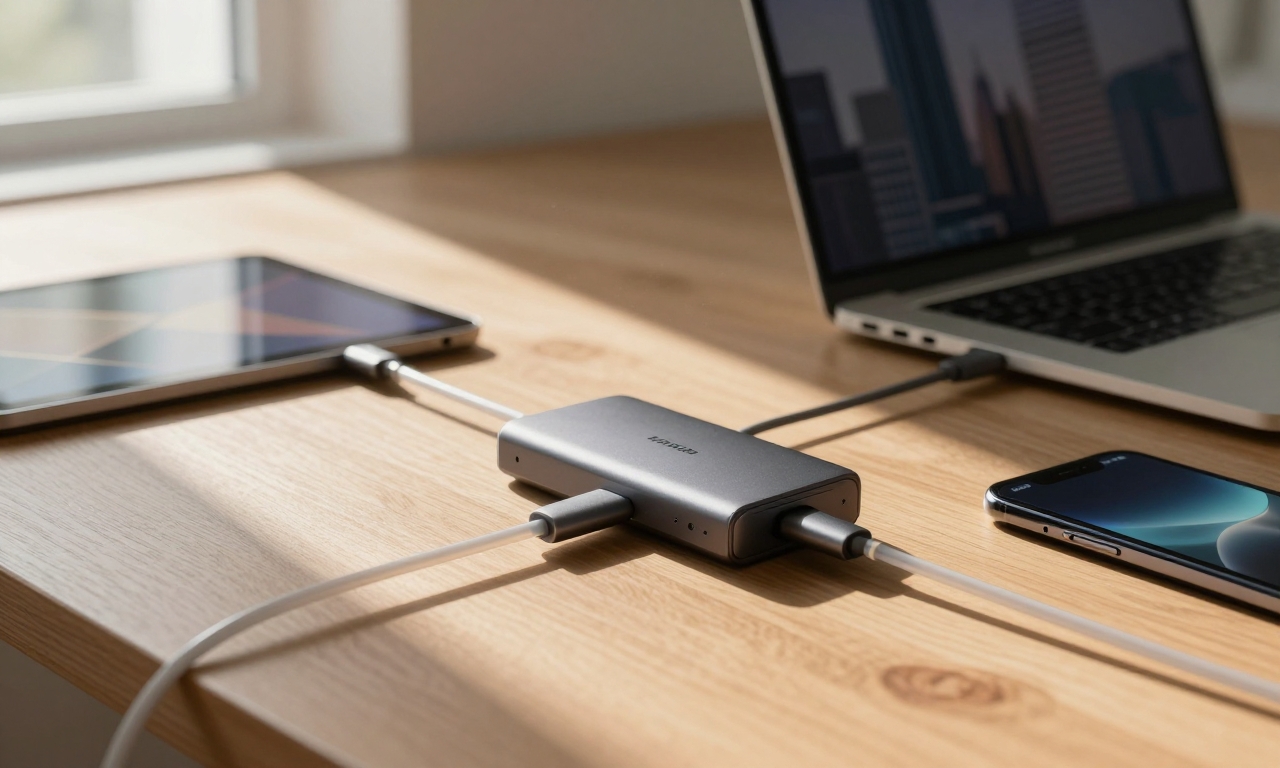
They are perfect in providing flexibility to those who need to charge multiple devices at once, such as multi-port GaN chargers with dedicated PPS ports. These lightweight chargers can charge your laptop, tablet, and smartphone at the same time and deliver the suitable amounts of power to all the devices. The trick lies in confirming that at least one port can output the voltage and current ranges of the PPS needed by Samsung gadgets. It is a more economical option than buying individual chargers to use with various electronics and guarantee optimal functionality throughout your technology ecosystem.
Battery Life and LTC
Outside the direct charging speed, these technical aspects have significant ramifications on a battery life optimization. The application of PPS in Samsung is not only about the speed itself, but it is focused to provide a balance between rapid charging and battery life. The fine voltage control permits easier energy transfer with very little heat production, which is essential in ensuring battery health in the long term. With incompatible chargers, you not only experience a slower charge, but you might also expose your battery to a sub-optimal charge that might hasten degradation.
This is a technical truth as to why Samsung has been shifting to more advanced charging protocols instead of merely incrementing wattage values. Whereas manufacturers in China boast about flashy 100W or 120W fast charging, Samsung has been following a more sustainable strategy to fast charging which ensures that its devices last years of service. The current emphasis on battery longevity at the company coincides with increasing consumer interest in both replacement charges and ecological footprint, which contributes to the charging protocol decision as much an investment in value over the long term as convenience over the short run.
In a future of mobile technology these charging considerations are only going to become more significant
Since foldable phones are becoming popular due to their larger batteries, and since performance is still being demanded of smartphones, efficient charging solutions will be critical. Movement to USB-C between devices has brought opportunities as well as confusion, with different manufacturers implementing it differently. The knowledge of those differences will allow consumers to make well-informed choices that will optimize short-term performance and long-term device lifespan.
To Samsung users, in particular, the answer is simple: the purchase of chargers and cables with the explicit support of PPS and with the appropriate specifications. This could imply the withdrawal of some of the older high-wattage chargers, but the end product is dependable fast charging that actually works with your premium device. This information will enable the consumer to filter during marketing promises and to gain insight into the technical nature of the functionality of their phones as the smartphone industry continues to transform.