Follow us on Facebook
Breaking updates in your feed — tap to open
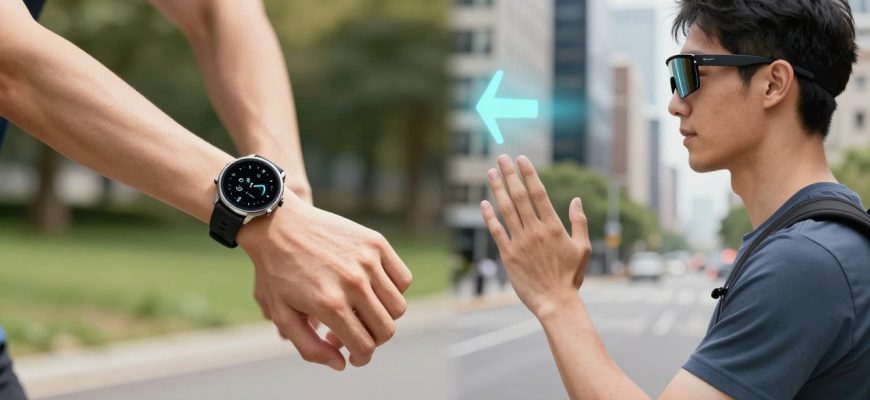
The year 2026 will mark an important era in wearable technology, as the artificial intelligence will be fully adopted into the devices that are readily attached on our body. This development has formed the two divergent trends, specialized health smart wearables and general-purpose smart glasses. How the two fundamental types use AI is radically different, producing devices that have a similar, but separate purpose to consumers. The difference between the two types can be understood by looking at the manner in which each type handles basic functionality beginning with health-monitoring all the way to day-to-day assistance.
Health-Based Wearables
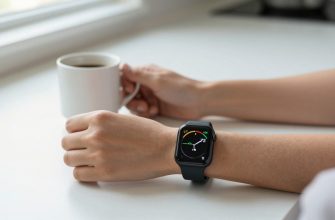
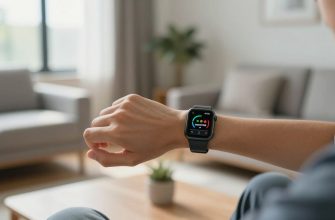
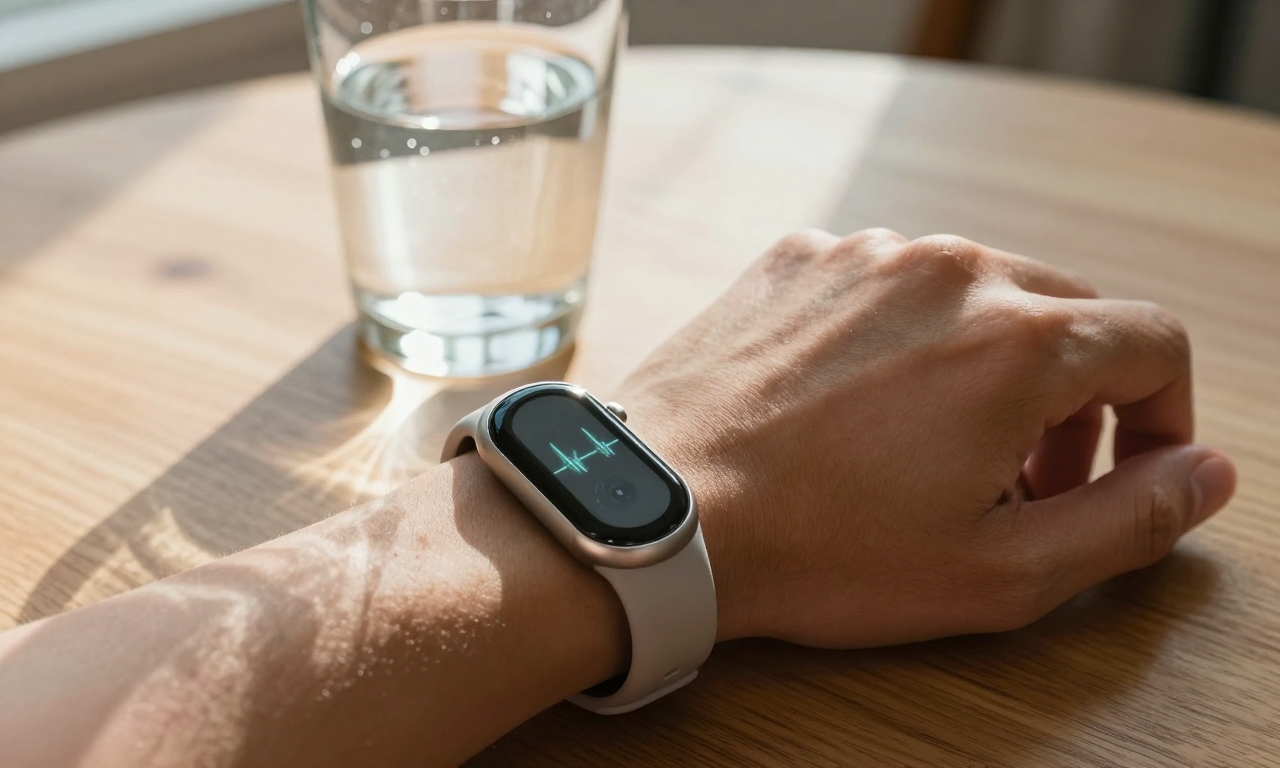
Health-based wearables have become much more than just a step tracker. State-of-the-art devices now include advanced sensors that monitor and log all the activities such as the heart rate variability and blood oxygen levels among others and artificial intelligence algorithms process this information and deliver meaningful health information. Precision of such health measures has increased manifold and medical grade validation is also becoming more widespread. These devices are also priced as expensive items that provide comprehensive biometric changes that can be used to train and change lifestyles by individuals who are active and health-aware.
Measuring the Health Metrics Accuracy
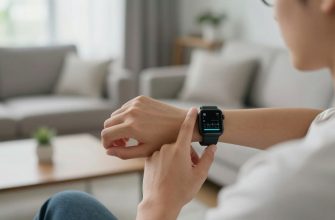
In comparing the health indicators between special wearables and the smart glasses, the former has shown to be better in dedicated health tracking. Devices sold by such companies as Fitbit and Garmin include several sensors to directly perform physiological monitoring, and the algorithms that process this data have been trained on huge amounts of human biometrics. Smart glasses are limited to fundamental health tracking through the various sensors included in them, but other functions are usually prioritized. This trade-off is evident when considering such features as sleep tracking quality or exercise intensity measurements, in which specialized devices have an advantage.
AI Assistant Functions
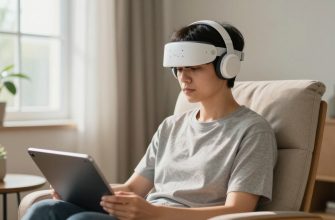
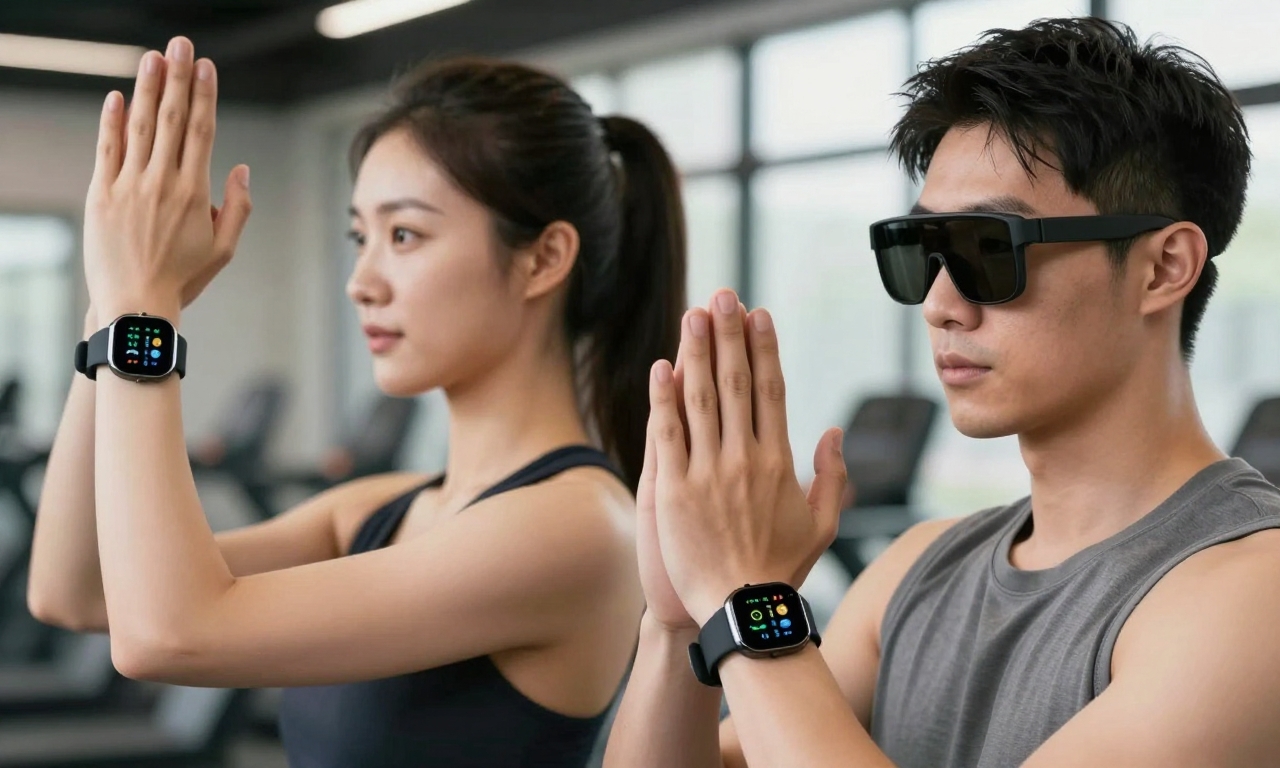
The other distinction between these types of wearables is in the AI assistant functions. Smart glasses are usually more advanced in the field of conversational AI, and they should be used in conversations without hands. These assistants will be able to facilitate navigation, pose questions, translate languages, and manage smart home equipment using natural voice commands. Wearables that are health-related, although they have AI assistants, will focus on health related questions and advice. The division indicates the main functions of each device: smart glasses target the improvement of daily existence on the whole, and health wearables concentrate on the wellness on the particular.
Battery Life
The battery life is a big point of trade-off as far as these types of wearables are concerned. Health-based devices are commonly designed to be longer-lived with certain ones capable of going over several days on a single charge through the restriction of features that consume a lot of power. Smart glasses need to be recharged every day which is usually accompanied with more powerful processors and their displays. This disparity is based on their different applications: health tracker is used continuously whereas smart glasses can be used as a tools to complete a certain task on an intermittent basis. These considerations of battery life make users select the kind of device that suits their charging patterns and usage patterns.
Artificial Intelligence Interaction and Interface
The interaction of artificial intelligence is the main determinant of user interface across all forms of wearables. The common use of AI in instruments related to health is to track patterns within biometric data to determine sleep quality, stress, and recoveries. The smart glasses deploy AI in computer vision, augmented reality overlay, and local awareness. This dissimilarity makes user experiences different: health wearables can give users retrospective analysis and proactive suggestions, whereas smart glasses can give users real-time support and information overlay.

User Scenarios
Fitness Enthusiasts
To the user who is a fitness enthusiast, health wearables are generally more valuable with an in-depth tracking of activities, workout analysis, and recovery. These gadgets are superior in measuring the physical activity and giving feedback on how to improve what is being done. Smart glasses may add to this experience by adding such functionality as analysis of forms during exercises or inspirational information during workouts, however, they usually do not have the viewing of the whole health scenario that specialized gadgets have. This will depend upon whether the users are more interested in having all the health information or multimedia added when undertaking activities.
Productivity Seekers
The smart glasses can be more useful to productivity seekers in their working daily routine. Being able to see the information without using hands, take part in a video call and see the notification without disruption of the main activity is a substantial efficiency benefit. Wearable items that are health centered are an indirect productivity improvement since they contain stress-monitors and recommend breaks, but do not fit the broadly applicable work help because of limitations in their interface. This feature defines the fact that each form of wearable is related to the specific area of the modern lifestyle as the category of smart glasses tackles the issue of instant productive life, and health-related items deal with the wellbeing in the long term.
Selecting the Right Wearable to Your Requirements
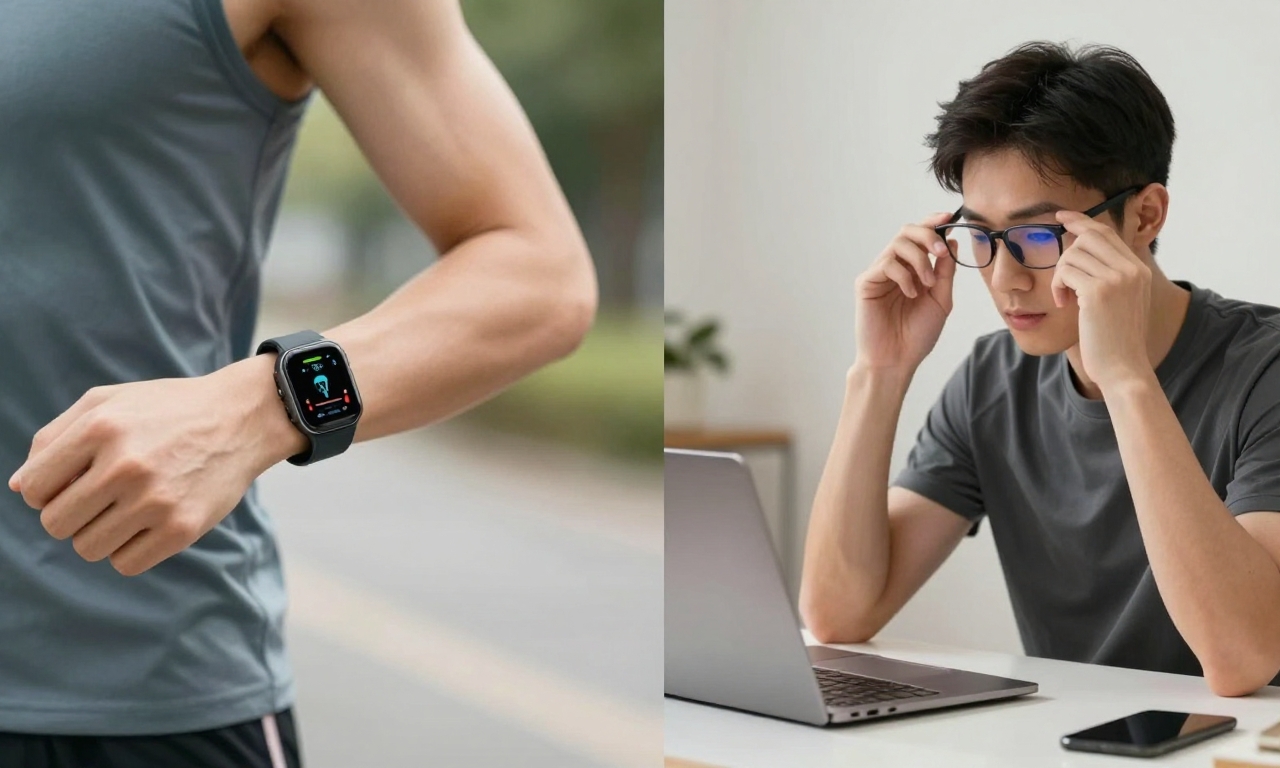
The choice regarding health-oriented wearables or smart glasses will always be based on personal priorities and lifestyle. Specialized health devices will suit users who have detailed health monitoring, fitness tracking and have long batterylev requirements. Smart glasses might be a more suitable solution to those who are interested in augmented reality, hands-free navigation, and the multimedia system. Certain users will also later on use both having different purposes all through the day. The expandable ecosystem of wearable technology has the answer to virtually any need and preference.
Future Outlook
In the future (2026), both types of wearables will keep growing in terms of more advanced AI features. Smart glasses can provide a better connection between our digital and real worlds, and the health-centric devices can go a step further to be more predictive and participate in inclusive health interventions. The interaction between these technologies can one day lead to hybrid devices that not only perform well in health surveillance, but also in the daily support of the user, until then it is possible to comprehend the unique capabilities of each technology to make a well-informed consumer choice. With the development of artificial intelligence, the boundaries between these groups will become less pronounced, yet their basic ideas on how to improve abilities of a person will continue to serve as a serious issue of consideration within years to come.