Follow us on Facebook
Breaking updates in your feed — tap to open
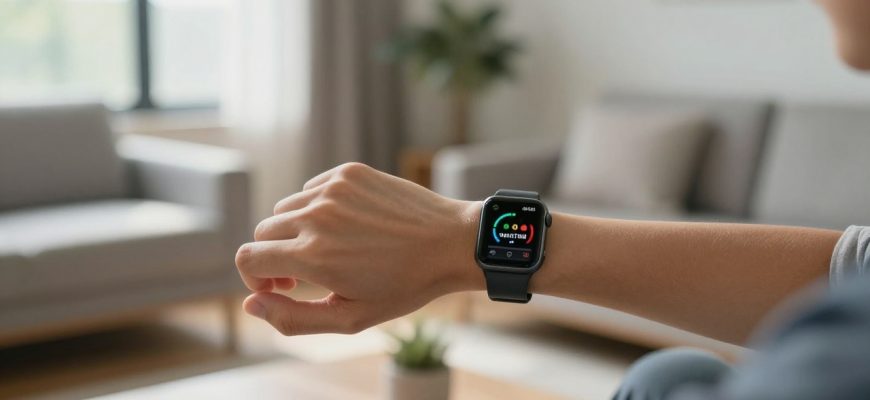
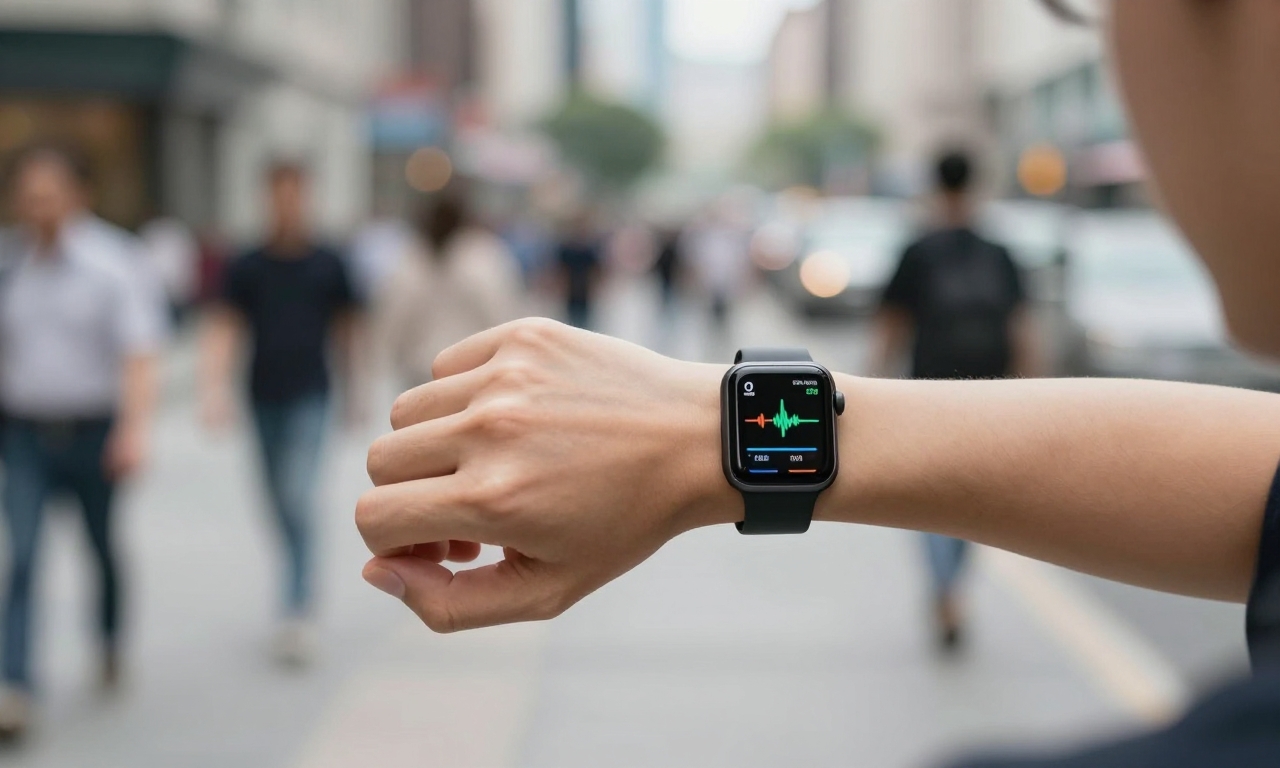
Current smartwatches have developed much beyond basic timekeeping gadgets as the devices have become multifaceted health monitors giving us data about our physical condition. Although these wearables can monitor a number of health indicators, a standard user can have issues reading the data being produced. It is an all-encompassing resource that seeks to de-mystify the most significant health metrics, and specifically the heart rate variability, sleep stage tracking, and stress monitoring features on widely used devices such as Apple watch, Fitbit, wear OS, etc. Knowledge of these measurements can help people make wise choices regarding their health and wellness practices.
- Understanding Heart Rate Variability (HRV)
- Sleep Tracking Accuracy on Smartwatches
- Stress Monitoring Features
- Practical Applications of Health Metrics
- Platform Differences in Health Metrics
- Integrating Health Insights into Daily Routines
- Future of Health Monitoring Technology
- Conclusion: Health Metrics as Self-Awareness Tools
Understanding Heart Rate Variability (HRV)
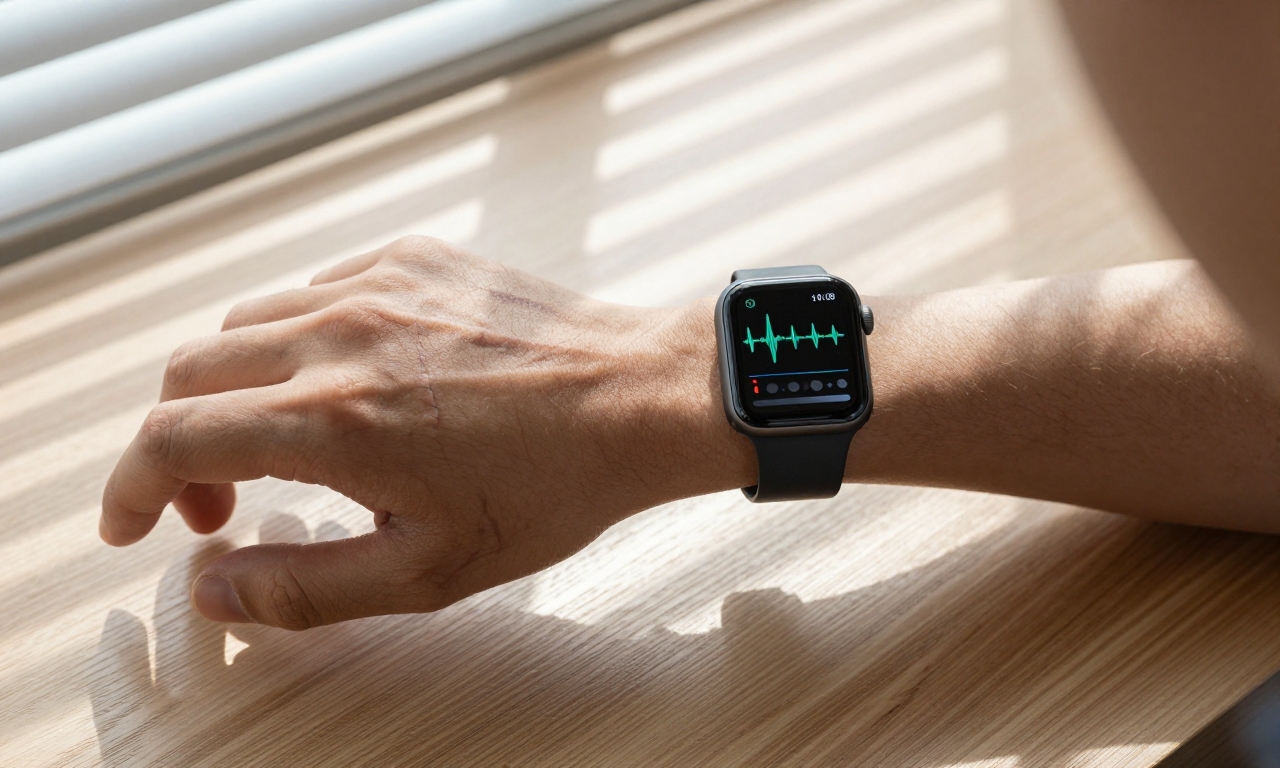
One of the most informative, but the least understood metrics on a modern wearable is heart rate variability or HRV. HRV is a measurement of the subtle differences between the period between successive heartbeats, as compared to basic heart rate measurements which count the number of times a heart beats each minute. Your autonomic nervous system controls these variations and is in charge of involuntary body activities. An elevated HRV usually means that your heart is clean and resilient to stress whereas a constant low score may indicate that your body is working hard. Because of its simplicity, many users choose to misinterpret HRV data when measured alone rather than following them through time and determining personal baselines and patterns.
Sleep Tracking Accuracy on Smartwatches
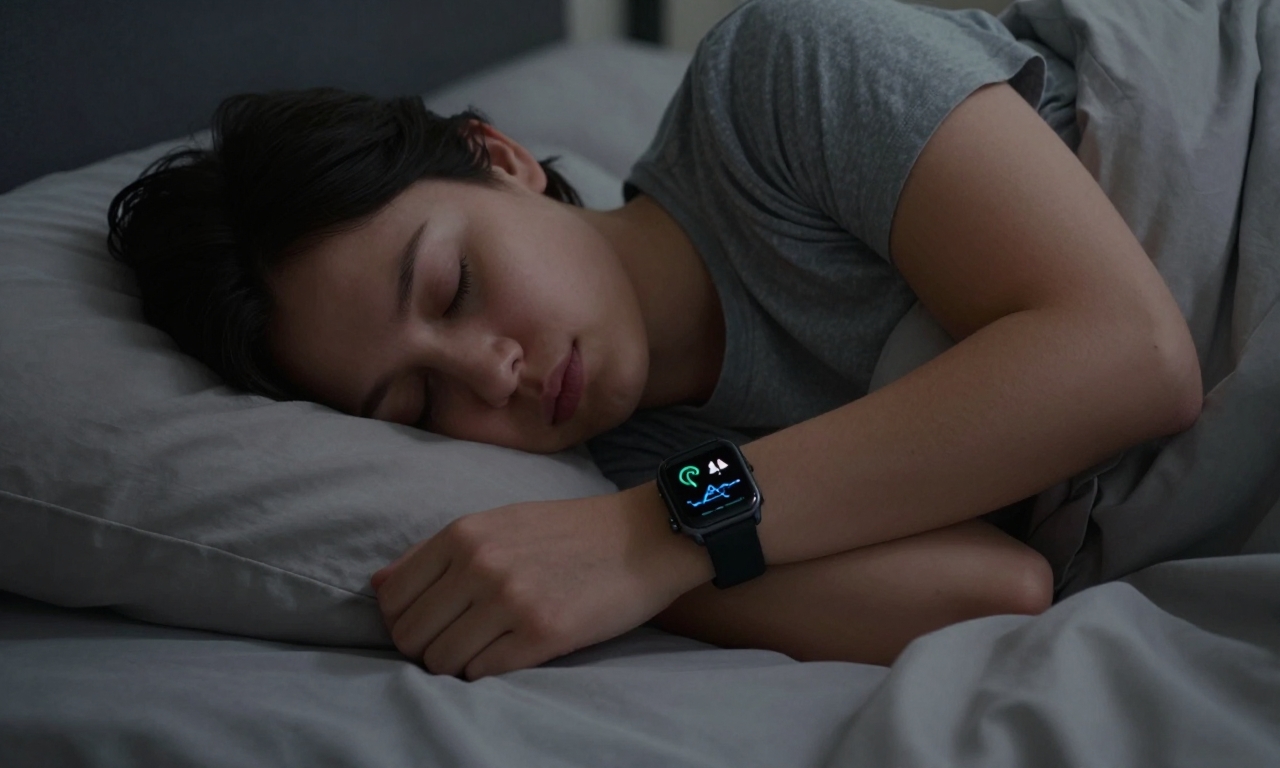
Another area that smartwatch technology has advanced in the past well-known years is the ability to track sleep stages. A combination of heart rate and movement sensors and more and more complex algorithms now characterizes the differences between light, deep, and REM sleep states in most contemporary devices. It should however be noted that unlike clinical polysomnography which is done in sleep labs, wearable sleep tracking is not as accurate. Depending on the devices and manufacturers, certain devices may contribute better results than others in certain sleep stages. Instead of aiming at perfect accuracy, they have to be attentive to changes in their sleep habits, in weeks and months.
Stress Monitoring Features
Stress tracking features have recently grown more and more popular within the wearable ecosystem, each of them using various approaches based on platform. There are devices that measure stress based on heart rate variability data, but some include skin temperature or galvanic skin response measurements. One such device is the Apple Watch, which estimates a stress score using HRV patterns observed in the day. Fitbit devices have a similar metric known as Stress Management Score, which is a combination of various data. Knowledge on the calculation of these scores and the factors that affect them may lead to more efficient stress management plans by its users.
Practical Applications of Health Metrics
When people learn to put these insights to use in their lives, the value of their health data in smartwatch is truly realized. In the case of professional sportsmen, recovery measures such as HRV can be used to optimize the training program by showing when the body requires a rest and when it is prepared to perform highly intensive training. Data on sleep tracking can provide patterns that influence daytime activity and mental function and may influence future changes to sleep routines or aspects of the sleep environment. Stress monitoring could be used as an early warning system to encourage users to use relaxation methods when the level of stress is not as problematic as it can be.
Platform Differences in Health Metrics
Various wearable platforms take different philosophies and technical implementations of health metrics. Users of Apple Watch enjoy a close integration with Health app ecosystem that brings together data across various sources. Wear OS devices have increased versatility among Android smartphones, and Fitbit can still boast of end-to-end sleep tracking and extensive battery life. Garmin watches are also a big hit among sportspeople as they provide more specific performance data and recovery suggestions. Given these platform differences, the knowledge will enable the selection of devices that support particular health monitoring priorities, allowing users to benefit from it.
Integrating Health Insights into Daily Routines
The best way to harness the value of smartwatch health tracking is to form regular routines related to data examination and interpretation. Instead of monitoring measures throughout the day, having regular weekly review meetings can be more worthwhile. A lot of devices provide weekly/monthly summations that include trends and patterns that may have been overlooked in day-to-day information. Wearable data can be combined with subjective notes regarding levels of energy, mood, and other physical sensations, forming a more comprehensive image of the overall health condition.
Future of Health Monitoring Technology
With the further development of wearable technology, we are likely to see more advanced health monitoring technologies. A future gadget can have many more sensors that measure the blood pressure, blood sugar or, any other biomarkers that now need separate medical equipment. But the core task will always be assisting users in the interpretation of these measurements and what to do with them. The health wearable that enables users to interpret the data and use it to enhance their health is probably the most valuable, not the one with the highest number of sensors.
Conclusion: Health Metrics as Self-Awareness Tools
Finally, the health measurements provided by smartwatches are not diagnostic tools but self-awareness tools. They help offer useful feedback on the impact of lifestyle choices on physiological responses, which can start to promote behavioral change. As users learn how to decode heart rate variability, sleep stage information and stress measurements, they can turn raw numbers into insights that can be acted upon. This information will enable people to become more directly involved in the management of their own health which can help them avoid minor concerns becoming serious concerns later in life.