Follow us on Facebook
Breaking updates in your feed — tap to open
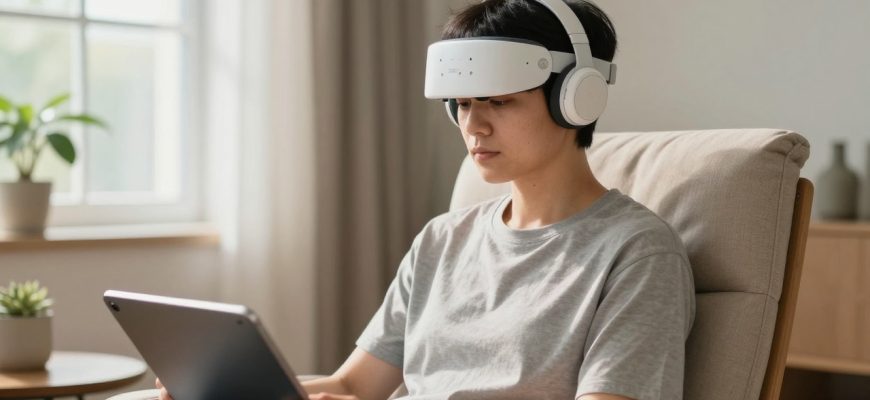
The wearable technology environment is changing past fitness trackers and smartwatches, as consumer EEG devices become the next generation in personal biometric monitoring. These brain reading wearables hold hope of reading our minds providing information about the depth of meditation, the level of concentration, and the quality of sleep. The key point to ask as we enter 2026 is whether this technology is stable enough to reach the mainstream or it has been relegated to experimental considerations among early adopters and academic considerations.
EEG Wearable Accuracy Testing
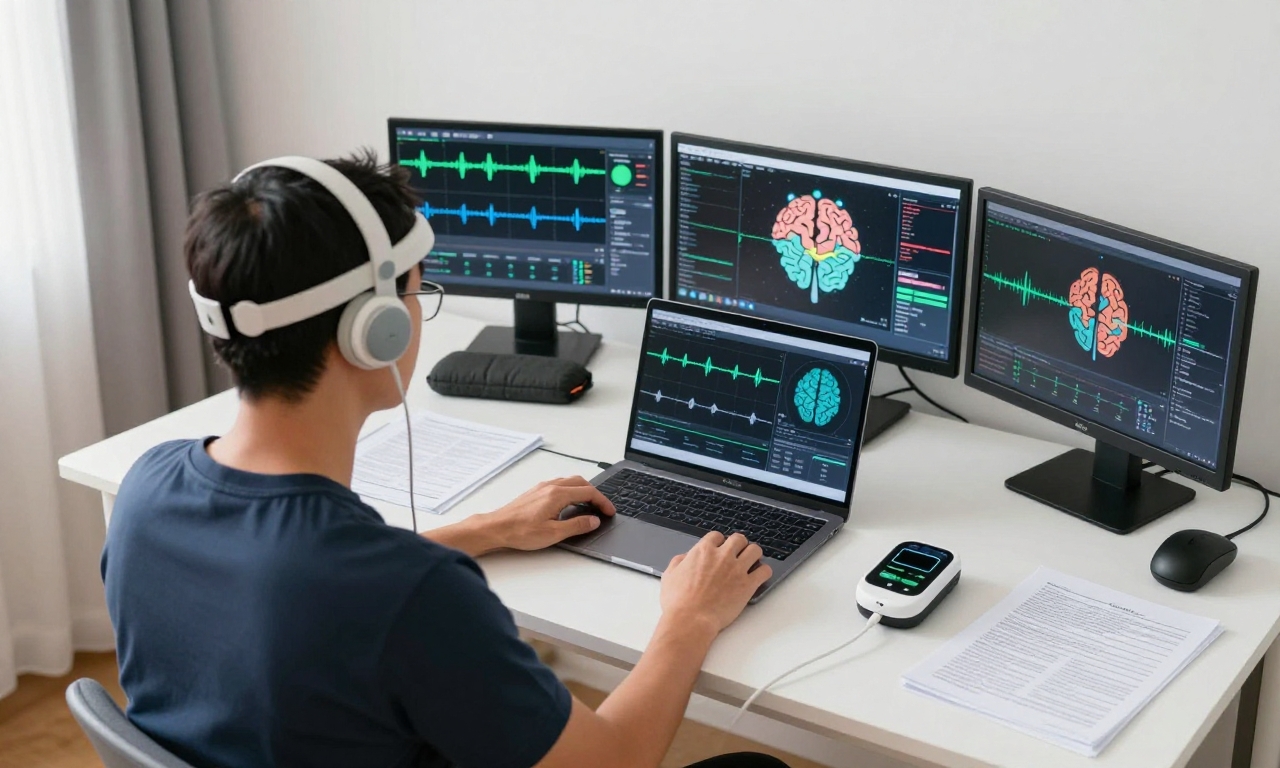
During my experiment of the existing EEG wearables, I realized that accuracy could greatly differ depending on the usage application. The domain of meditation tracking was the least developed without much progress but some of the devices offered consistent feedback on the states of relaxation that were consistent with the subjective experience. Monitoring of focus was even more difficult because environmental influences and patterns of the personal brain resulted in discrepancies in the measurement. The sleep analysis was the most complicated and was in most cases inconsistent with the sleep stage monitoring of the well-established wearable brands through EEG data. The main issue is to convert raw brainwave data to meaningful and actionable information to be used by ordinary users.
The Practical Implementation of Consumer EEG
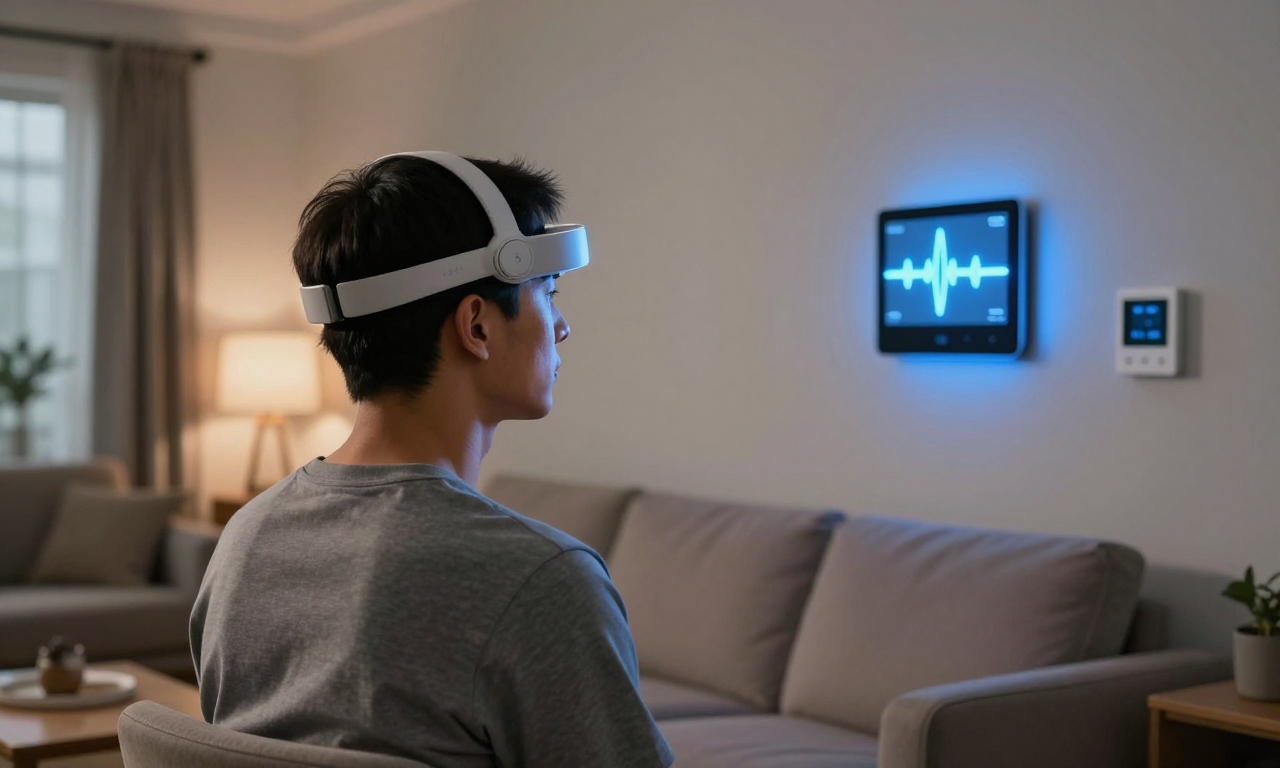
The practical implementation of consumer EEG cannot be simply limited to tracking but may also have applications with other technologies. Consider a wearable that dims and brightens the lights in your smart home according to your level of attention or an app that suggests meditation to do when it detects the patterns of stress. The functionality of some of the devices already contains bare-bones faminations of these features, which are form more of a demonstration than a finished piece. The distance between theory and practice is still large and demands advanced algorithms and improved hardware implementation.
Privacy Implications
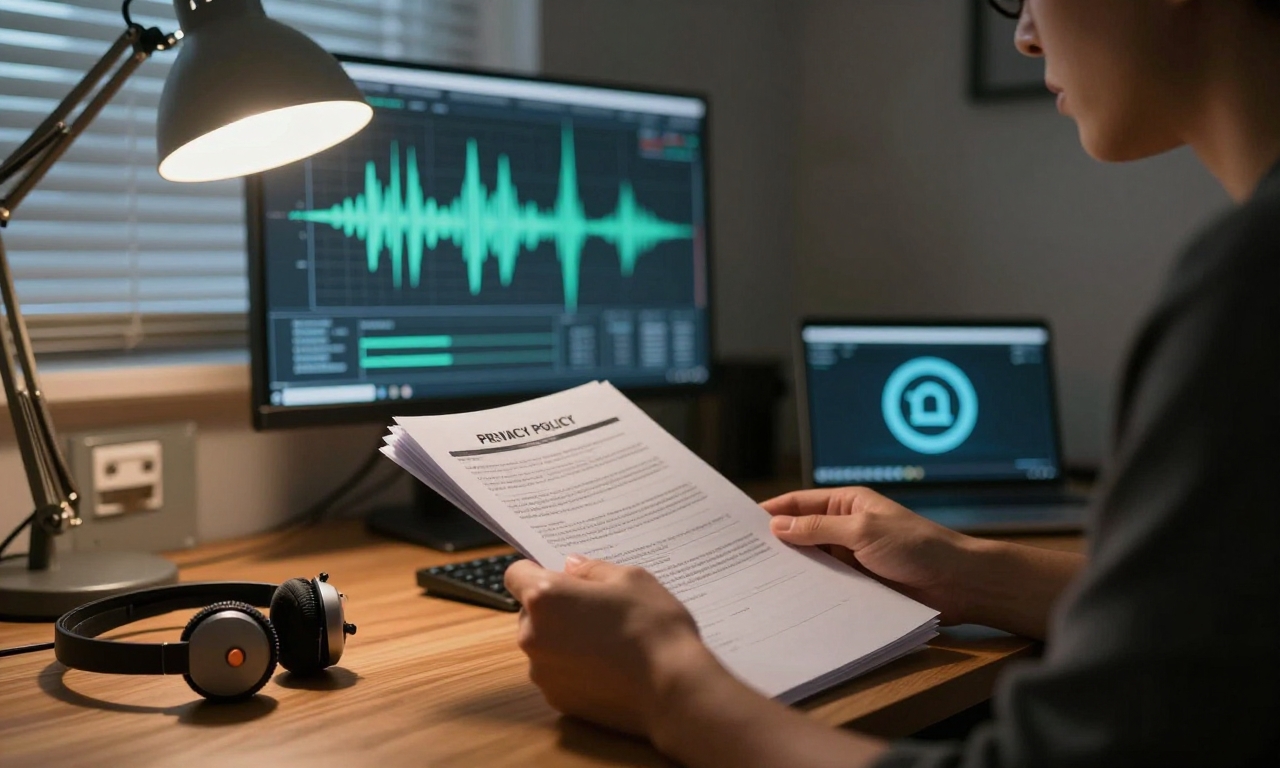
The most prominent obstacle to the mainstream acceptance of EEG wearables is privacy implications. Also, unlike data of why our heart rate increased or the number of steps we took, brainwave patterns use the intimate information about our mental conditions, feelings, and thoughts. The existing privacy policies across manufacturers are diverse, but some of them provide solid protection of the data and others reserve disturbingly broad privileges regarding the access to the information on the user. It is not only about the issue of data security but also the ethics of who is supposed to gain access to such personal biometric data as well as how such data will be utilized by employers, insurers, or advertisers.
Hardware Limitations and User Experience
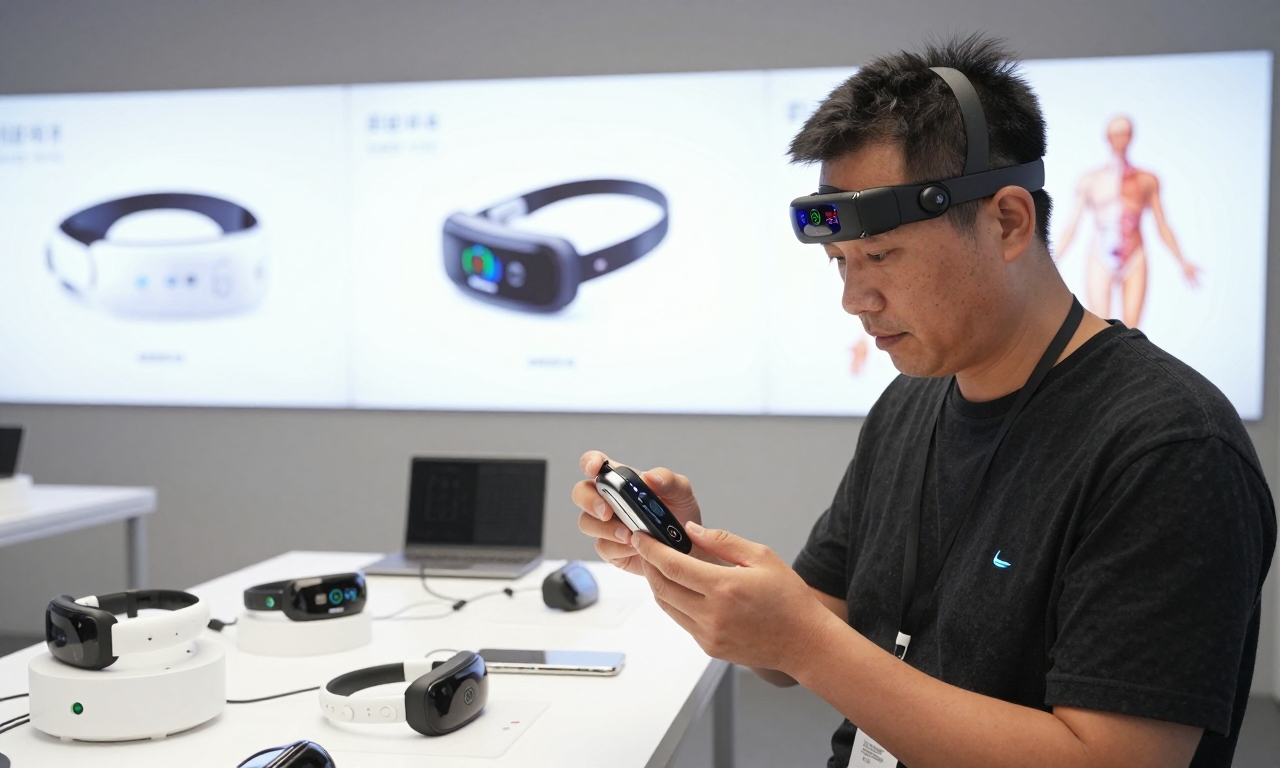
Existing EEG headgears have been limited to a few hardware shortcomings that affect the user experience. The dry electrodes that are used in most consumer devices are relatively inaccurate, though more comfortable and convenient than wet electrodes used in medical applications. One of the issues is battery life as most of the devices need to be charged on a daily basis, thus breaking the continuity in monitoring. The physical design The most common physical design is utilitarian in nature in that it focuses not on style but a utility that more closely resembles a medical piece as opposed to a consumer electronics. These restrictions not only have an impact on performance but also on adoption of the device since the users may not so easily adapt or integrate bulky or inconvenient devices in their day to day lives.
Software Development and Fragmentation
The EEG ware rate software is promising in its development, but still in a disjointed state. Other manufacturers have in-depth applications involving guided meditation sessions, focus training workouts, and step by step sleep analysis, other manufacturers have simple data visualization. The inability to be standardized implies that users cannot compare data across devices and platforms at all easily. There is a lack of integration with other health systems and fitness platforms to form silos of information, diminishing the value of all the information gathered. Such fragmentation is detracting of the momentum toward the seamless, integrated experience that mainstream demands.
Next-generation Development and Maturity
In the near future (2026), there might be a number of innovations which will further stimulate the mainstream use of EEG wearables. The sensor technology can be developed to be more accurate with no harm to comfort and the battery optimization can be further developed to allow a longer monitoring duration. Further advanced machine learning software may derive much more meaningful information about the brainwave, beyond mere states put into predictive analytics and personalized advice. Perhaps more crucially, more definitive regulatory measures and industry standards in areas of data privacy and accuracy claims may generate some production trust in this new genre of technology.
Comparison to Other Wearable Categories
The analysis of the wearables of the EEG compared to other wearable categories shows the difficulty and opportunities. Whereas fitness trackers and smartwatches have reached a mainstream success due to their ease of use, targeting specific and evident user requirements, with trust-worthy technology, EEG gadgets need to surmount greater obstacles based on precision, privacy, and usefulness. Nevertheless, the possible advantages are enormous in the case of individuals who want to gain a better understanding of their mental health and brain functioning. It is probable that the way to mainstream adoption will entail incremental change in all these aspects as opposed to one solution.
Consumer Considerations
These are some of the facts which consumers will have to take into consideration in case they want to purchase EEG wearables in the next few years. Claims of accuracy are supposed to undergo independent testing, as opposed to manufacturer claims solely. Privacy policies that will be involved in monitoring the brainwave should be thoroughly reviewed so that one can comprehend how such data will be stored, processed and possibly shared. The practical utility can be determined and relies on personal needs and application, so it is mandatory to determine certain objectives prior to investing into this technology. Although existing technologies present fascinating opportunities, they will be in the most appropriate position of being used by curious early adopters instead of everyday consumers looking at reliable tools in their day-to-day lives.
Conclusion
The path to mainstream wearables is as relevant to other technology adoption trends in that, when potential innovation exists, it has to overcome significant difficulties connected to performance, privacy, and utility. The category is indicating clear improvements as we near 2026 but clearly more will have to be done before it comes to the consistency and experience of mind that mainstream consumer electronics is supposed to have. It will be critical during the coming few years as to whether brain-sensing wearables become part of our everyday life or they will be specialized devices with particular applications and users.