Follow us on Facebook
Breaking updates in your feed — tap to open
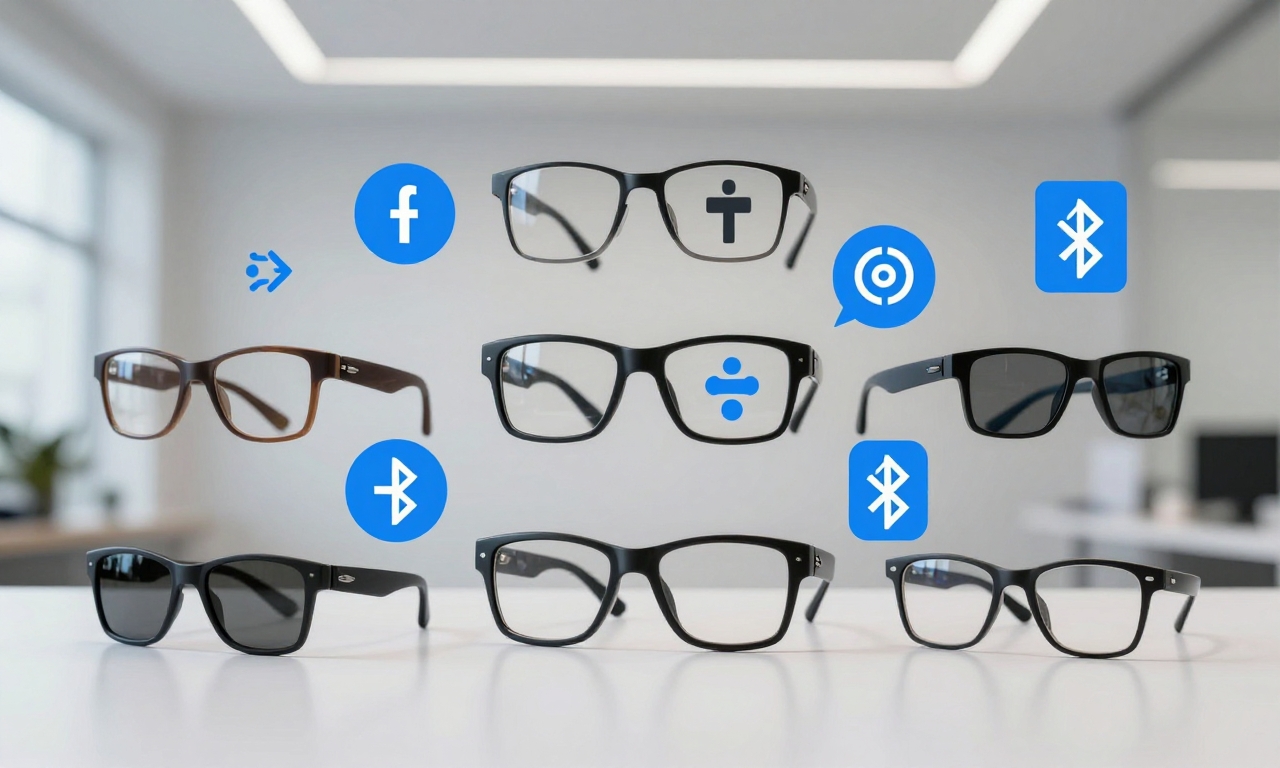
With the development of smart glasses such as the Ray-Ban Meta outgrowing their status as a niche product to become a regular accessory, a well-informed consumer would want to know more about its data collection policies in order to make an informed decision regarding their data collection. These gadgets are a considerable advancement on the wearable technology aspect, merging a regular pair of eyewear with powerful sensors capable of tracking audio, video, and location data at all times. In comparison to conventional smartphones, in which the device has to be actively engaged with, smart glasses are more passive, which means they could be capturing information without the person wearing smart glasses to be always aware of that information. This raises special privacy challenges which have to be closely investigated.
Learning Smart Glasses Data Collection
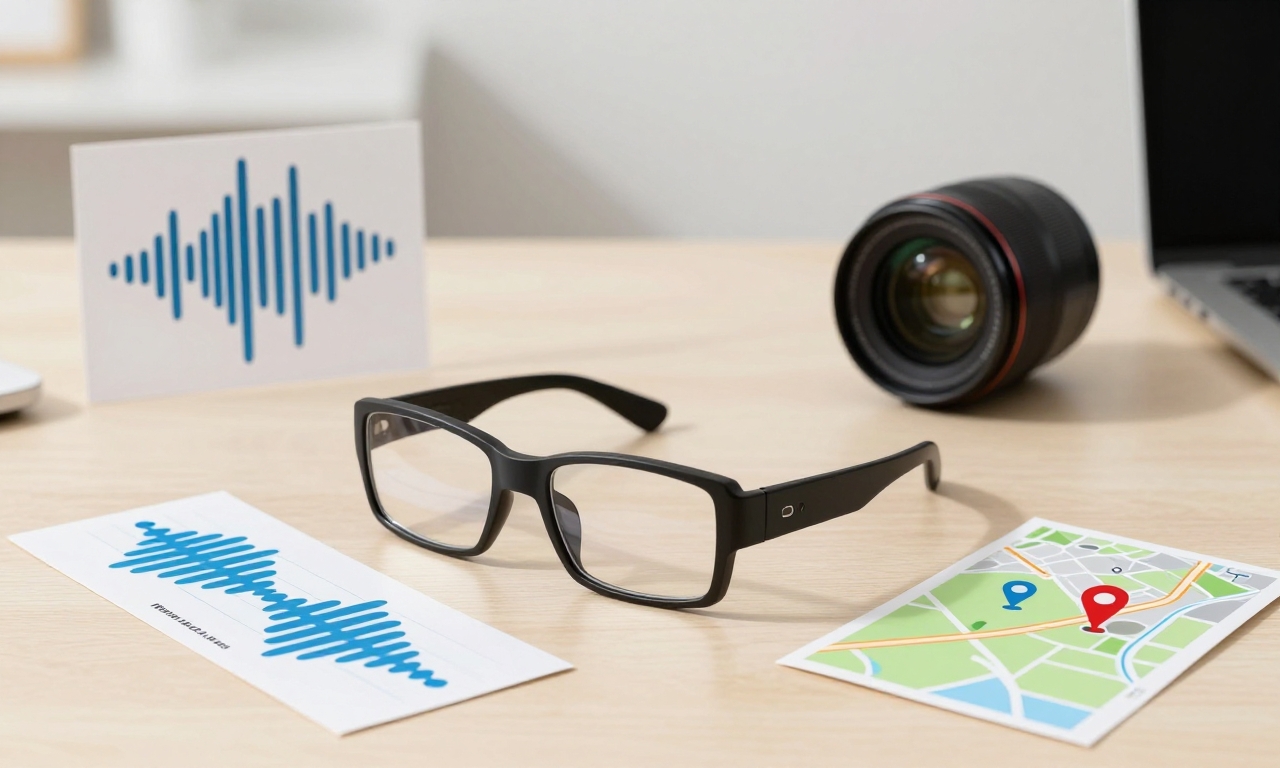
The contemporary smart glasses normally have several sensors which interact in order to deliver a number of capabilities.
- Voice feedback (recorded audio) can record conversations and other background noises at the request of voice recording, casting doubt on permission both outdoors and indoors.
- The ability to have visual data collection with in-built cameras gives such features as photography and augmented reality overlay, and it also raises the issue of surreptitious recording.
- GPS and Bluetooth are used to locate the position of the device, assist in navigating, and finding device partners, but create comprehensive movement histories that may be of interest to marketers or even affordable to third parties.
An example of what is available in this line is the Ray-Ban Meta smart glasses which have two cameras, open-ear sound, and a voice assistant. As per the documentation of Meta, these devices operate locally on the audio command as far as it is possible, and only transmit data to the servers when it includes working out complicated commands. Nevertheless, every visual data that is obtained in the form of photographs and videos are usually synchronized with related applications and cloud services. Such a difference between local and cloud processing is another essential privacy point because locally analyzed information tends to be more protected against a slight attack by a third party.
Other competing products by other firms that are investigating the same type of technology can adopt various approaches in handling data. Other manufacturers focus on on-device computing due to the privacy concerns, and others take advantage of cloud technology by utilizing more sophisticated computer capabilities. The difference between options implies that a consumer has to study the privacy policies and the data retention of a specific product separately. These differences are critical in making informed judgments regarding the choice of smart glasses specification in accordance with the level of privacy and risk-taking.
Effective Privacy Protection Practices
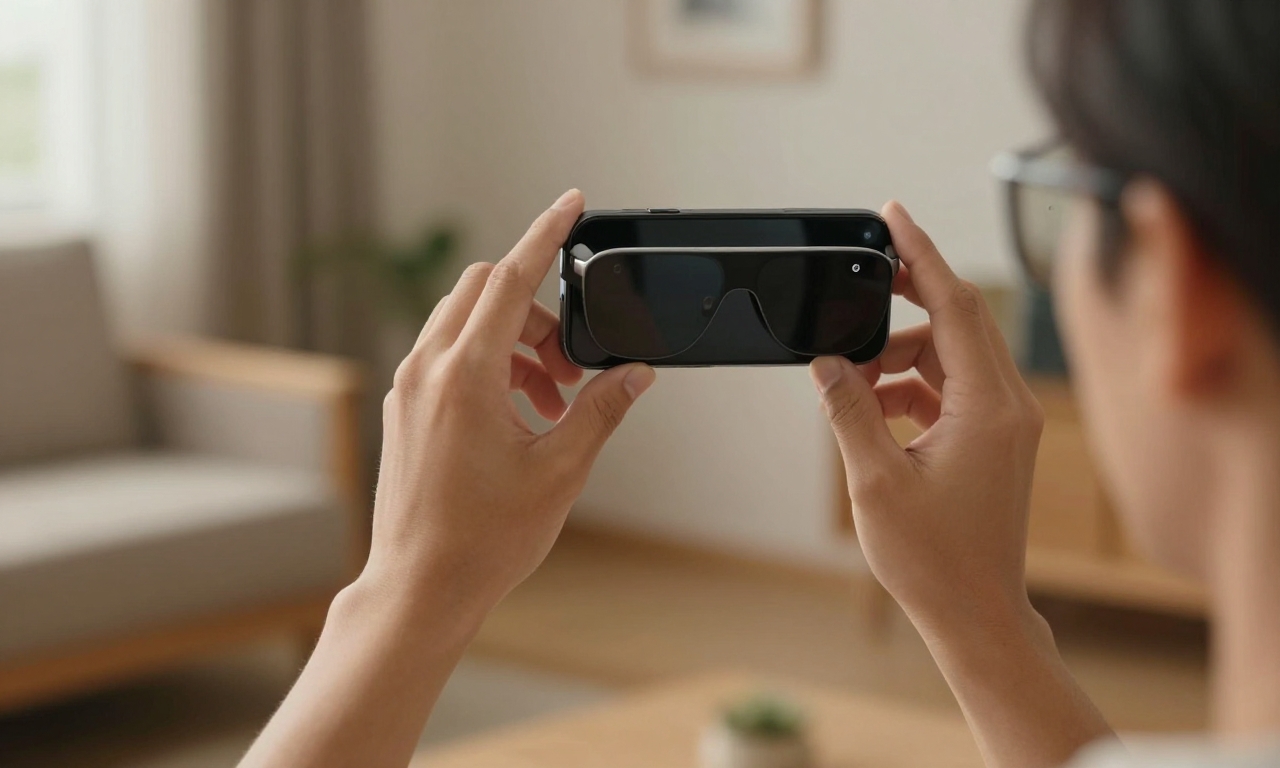
The first place of the implementation of effective privacy protection is the ability to comprehend the settings and permissions of the devices.
- The configuration features provided in the majority of smart glasses to enable users to restrict data harvesting include turning location features off when not required to navigate the surroundings and turning voice activation off in sensitive three settings.
- It is also important to consider the related apps and their permissions regularly, as companion apps usually decide how all this data may be processed, stored and even shared with third parties.
- Physical lens covers offer a simple mechanical approach, a solution to those who care about visual recording but those who need maximum privacy, which fully deceives the camera operations.
In addition to the settings of the devices, behavioral changes can contribute to privacy greatly. Using smart glasses is subject to control through conscious efforts to prevent the possibility of collecting excessive data by paying attention to the time and the location of application. As an example, discussing voice-activated privileges off the record or taking in prohibited zones makes the digital impact of these devices smaller. Also, it is always noteworthy to clear the memory of stored information in both glasses and coupled applications so that the information stored is not likely to build over time and be accessed by third parties with malicious intent. The practices are especially essential when the legal considerations of recording in different jurisdictions are taken into focus.
The legal environment of the smart glasses recording
The legal environment of the smart glasses recording differs greatly depending on location and situation. Multiple jurisdictions permit audio and video recording on public property under one-party consent regulations, but individual properties and other sensitive areas such as locker rooms or healthcare facilities usually tend to have more rigid restrictions. In two-party consent states, recording without permission may result into legal implications and this is why it is necessary to comprehend the laws of the area before making use of smart glasses recording options. More than that, organizations and companies can develop their policies against recording devices, which will provide other compliance factors to users.
Health Information and Biometric Data
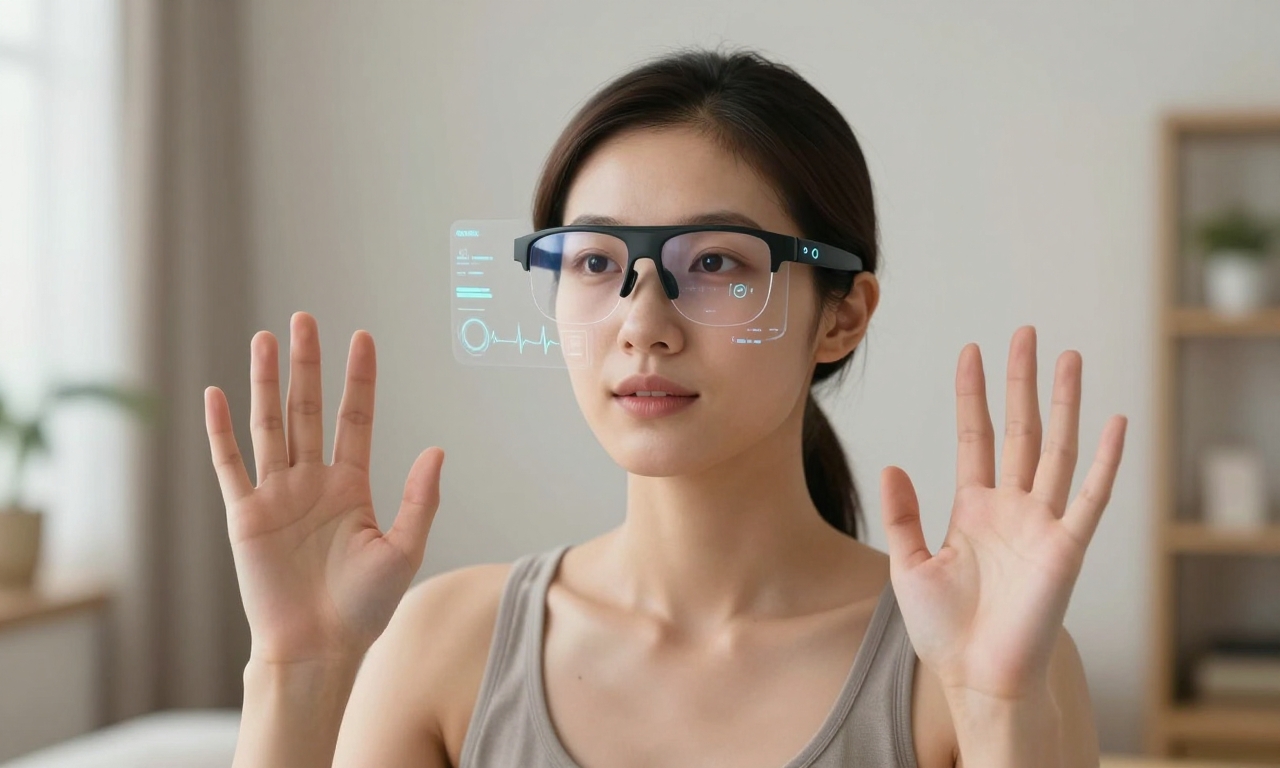
It is true that with the latest models of smart glasses, there is the integration of biometric sensors to monitor the health parameters such as heart rate, blood oxygen levels and even sleep habits in advanced models of smart glasses. This type of health data gathering brings with it dissenting privacy issues, especially on the protection of information law of medicine. The health information on consumer devices in the United States may not necessarily be regulated by HIPAA except when shared with covered entities thus, it has been identified that it might include gaps in regulation. Nonetheless, it is the ethical role of manufacturers to ensure that this sensitive information is not compromised on unauthorized occasions.
Combination of biometric data with other data gathered provides a complete picture of users that may expose intimate information such as day to day activities, health status and behavior. These datasets are especially useful and may be susceptible when they are used together with location history and visual context. Privacy policies should be confirmed by consumers to gain knowledge of how biometric data is stored, whether they are anonymized and shared with third parties. Other manufacturers have a specific health data sharing control, whereas other manufacturers bundle permissions on a wider scale.
In the outlook of the future, new technologies such as neural interfaces and advanced eye tracking may help in increasing the information collection capacity of smart glasses even more. The innovations are intended to offer the improved features of accessibility and a more natural human computer interaction but bring up serious privacy concerns of cognitive information and attention tracking. These technologies will become more mature, and proactive privacy structures, as well as open practices of data, will gain relevance. Regulation policies and industry standards should be changed with the advances in technology to have sufficient consumer protections.
Security Factors and Ideal practices
The security of devices is also a major concern of smart glasses privacy, unity, because hacked devices might leak all the information they have gathered.
- Firmware updates on a regular basis deal with the known vulnerabilities, and a robust system of authentication can be used to deny access to the glasses and the linked accounts.
- The issue of Bluetooth security deserves special consideration, because wireless communication might be hacked, unless a sufficient level of encryption is chosen.
- Interception can be minimized using the secure pairing techniques and not using public Bluetooth networks when dealing with sensitive information.
A combination of technical and behavioral awareness and legal knowledge is the most appropriate when most privacy protection is required.
| Feature | What it enables | Best for | Notes / limits |
|---|---|---|---|
| Technical control | Encryption, software updates, permission management | Preventing unauthorized access and data leaks | Requires regular maintenance and user diligence |
| Behavioral tactics | Conscious decisions on recording features in context | Reducing excessive data collection in sensitive situations | Depends on user awareness and situational judgment |
| Legal awareness | Compliance with regulations and policies | Avoiding legal implications and institutional non-compliance | Varies by jurisdiction and organizational rules |
This combination forms a layer of protection of complete privacy that responds to the individual requirements of wearable devices that are always on.
The privacy of smart glasses change will probably be an ongoing conversation between the manufacturers, regulators, and consumers. With these devices being more advanced and ubiquitous, it will be in every stakeholder s interest to have some expectations and rules regarding the data collection. There is the possibility that manufacturers that prioritize privacy as a design concept and opaque data practices can have competitive advantages over consumers who are becoming increasingly conscious of privacy. However, in the meantime, a self-educated user base who has learned the techniques of data collection and the measures available to them can gain the advantages of technology and deal with the privacy hazards.
In conclusion, smart glasses can be considered as a great technological advancement and great privacy concerns. Knowing what information these devices record, process and store, and what protection the information has, consumers are able to make effective choices that strike the right balance between convenience and privacy. The same line of analysis used to make flagship smartphone reviews or tablet purchasing choices, should be used in smart glasses evaluation, and the privacy implication of wearable cameras being a special concern. Like any type of technology that is integrated in everyday life, the ability to use it with appropriate knowledge and constant attention is the most effective approach to ensure personal privacy in a constantly globalized world.