Follow us on Facebook
Breaking updates in your feed — tap to open
Apple’s Vision Pro has received a measured refresh that blends exterior tweaks with meaningful internal upgrades. The update aims to deliver faster performance, sharper passthrough visuals, and better balance, while keeping the sensing stack and overall weight similar to before. For potential buyers and current owners, this release is a practical look at what adoption might require in real-world use and what it signals for Apple’s broader wearable roadmap.
What’s new under the hood: performance and rendering
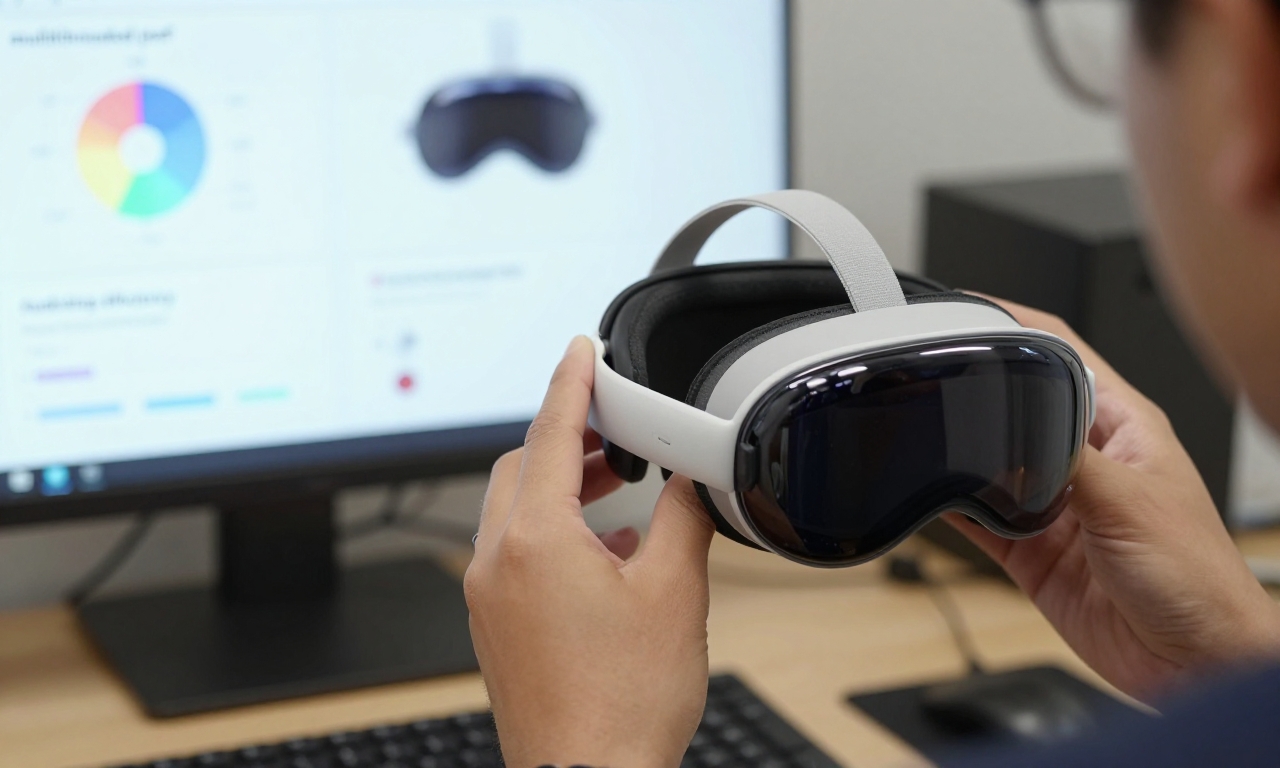
The headline changes lie under the headset’s hood. Apple has updated the silicon driving Vision Pro, aiming to improve multithreaded performance and general app launch speed. In practical terms, you’ll notice snappier transitions when you switch between experiences and faster loading of more complex apps.
The GPU gains mesh shading and ray tracing capabilities, enabling more realistic lighting and shading on 3D objects without a dramatic hit to battery life in typical usage. Apple claims rendering is about 10% crisper, translating to crisper text, more detailed textures, and smoother edges in menus and immersive apps. Passthrough visuals, the core of mixed reality experiences, are described as clearer at a 120 Hz refresh rate, creating livelier, more stable views of your surroundings. In tandem with these hardware boosts, software updates unlock capabilities that previously required cloud compute or were limited to specific apps, making AI-assisted tasks feel faster and more helpful as you navigate menus and media.
The sensing and camera processing stack remains substantially the same as the last generation, so there are no fundamental changes to how the headset reads your environment or tracks your hands. That means improvements rely on faster processing and smarter software, not a hardware refresh of sensors. For most users, the gains will be most noticeable in app launch speed, smoother rendering, and a more responsive passthrough view.
From a reviewer’s perspective, the hardware ups provide tangible day-to-day benefits. The gains are most evident in productivity and media-rich apps, but comfort, battery life, and price remain decisive factors for broader adoption. The upgrade feels like a thoughtful step forward rather than a revolution.
In short, the Vision Pro feels more capable in many scenarios, yet it remains a specialized device whose value depends on your use case and willingness to tolerate its weight and price.
Looking ahead, Apple’s strategy appears to lean toward software-enabled improvements and eventual hardware refinements that will target lighter design and longer battery life—an approach that could help Vision Pro evolve into a glasses-like wearable rather than a headset, while software and ecosystem mature.
Comfort, straps, and wearability
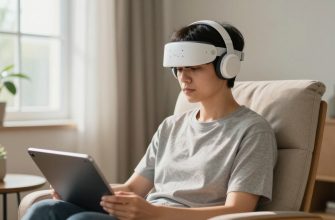
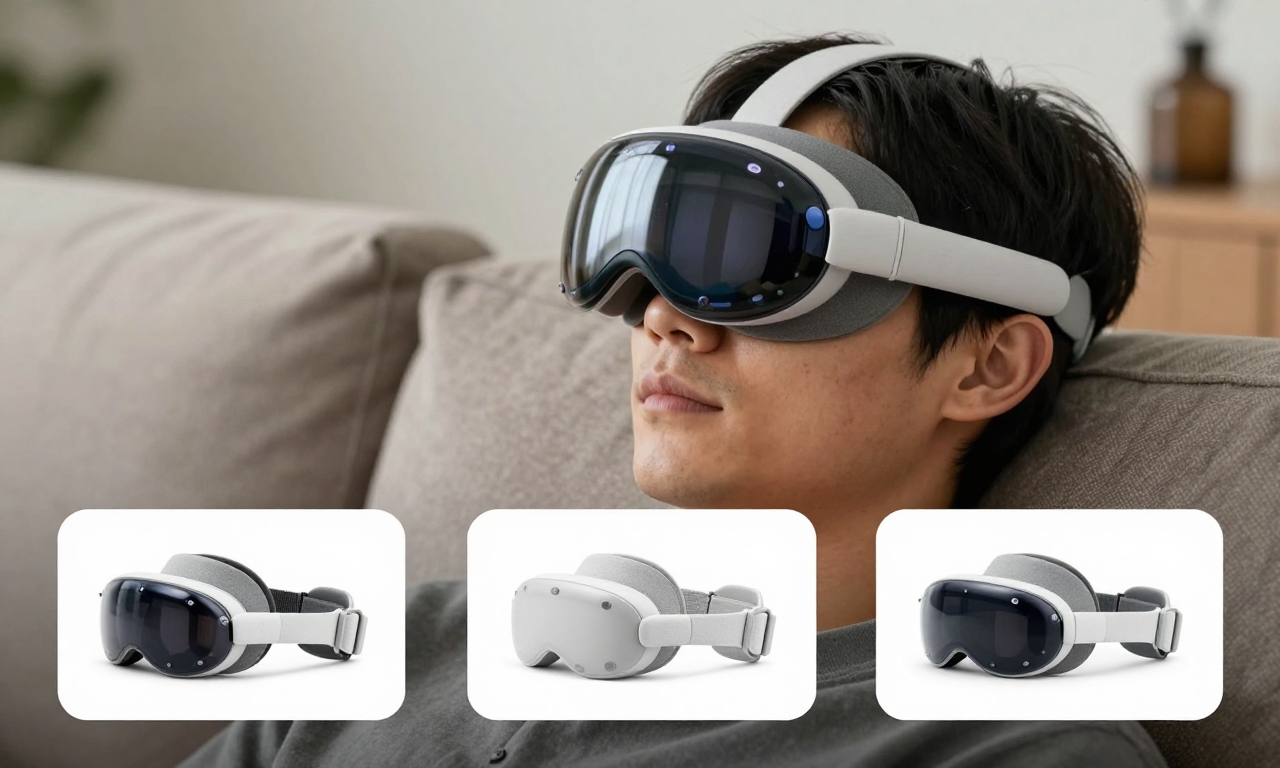
The update targets a more stable and comfortable wear experience, but the trade-off remains: this is still a serious piece of hardware to wear for long sessions. The strap has been redesigned to be compatible with the first-generation headset, a practical move that improves backward compatibility and simplifies accessories. Apple adds cushioning and a small counterweight to improve balance, distributing weight toward the back of the head and reducing pressure on the nose and cheeks during shorter viewing sessions.
There are three strap sizes to accommodate a broader range of head shapes, but the strap itself remains non-adjustable. That design choice helps keep a consistent fit across different users, but it also means someone with a particularly unusual head shape or someone who wears glasses could experience fit challenges. In practice, testers reported more secure wear and less front-heavy wobble, yet the basic heft of the device can still cause fatigue after longer periods. The update therefore marks a meaningful ergonomic step forward, even if it does not eliminate the core trade-offs inherent to head-worn computing.
For everyday tasks like quick media viewing or light productivity, the improvements can make a real difference. For long sessions, you’ll still want to plan in breaks and consider posture to mitigate fatigue. The balance shift, while not a perfect cure, helps the Vision Pro feel steadier during longer sessions than before, which matters for professionals who rely on sustained use during demonstrations or design reviews.
Battery life, software, and ecosystem
Battery life has improved to up to three hours of video playback, according to Apple’s estimates, with real-world use depending on brightness, content, and passthrough activity. The update keeps the sensing and camera processing stack largely unchanged, so the device’s ability to perceive your environment remains similar, with software refinements steering more of the experience. This means you’ll see more consistent performance during longer sessions, particularly with memory-heavy apps and media.
Software updates unlock previously missing capabilities and introduce new use cases. Remembered widget layouts allow you to arrange and recall favorite widgets across experiences, while richer media experiences and broader gaming compatibility with external peripherals expand what Vision Pro can do beyond immersive experiences. AI-enabled tasks run faster and more fluidly, thanks to on-device optimizations and smarter context handling. The upshot is a more usable, more capable system on the same hardware, provided you’re plugged into the right software ecosystem.
Despite these gains, the sensing and camera stack remains the same, which means Vision Pro’s performance is still bounded by its hardware foundation in outdoor and high-contrast environments. For potential buyers, the update signals that Apple intends to keep Vision Pro current through software while iterating hardware gradually, a plan that leans on an expanding app ecosystem rather than a dramatic hardware overhaul.
Pricing, market reception, and the road ahead
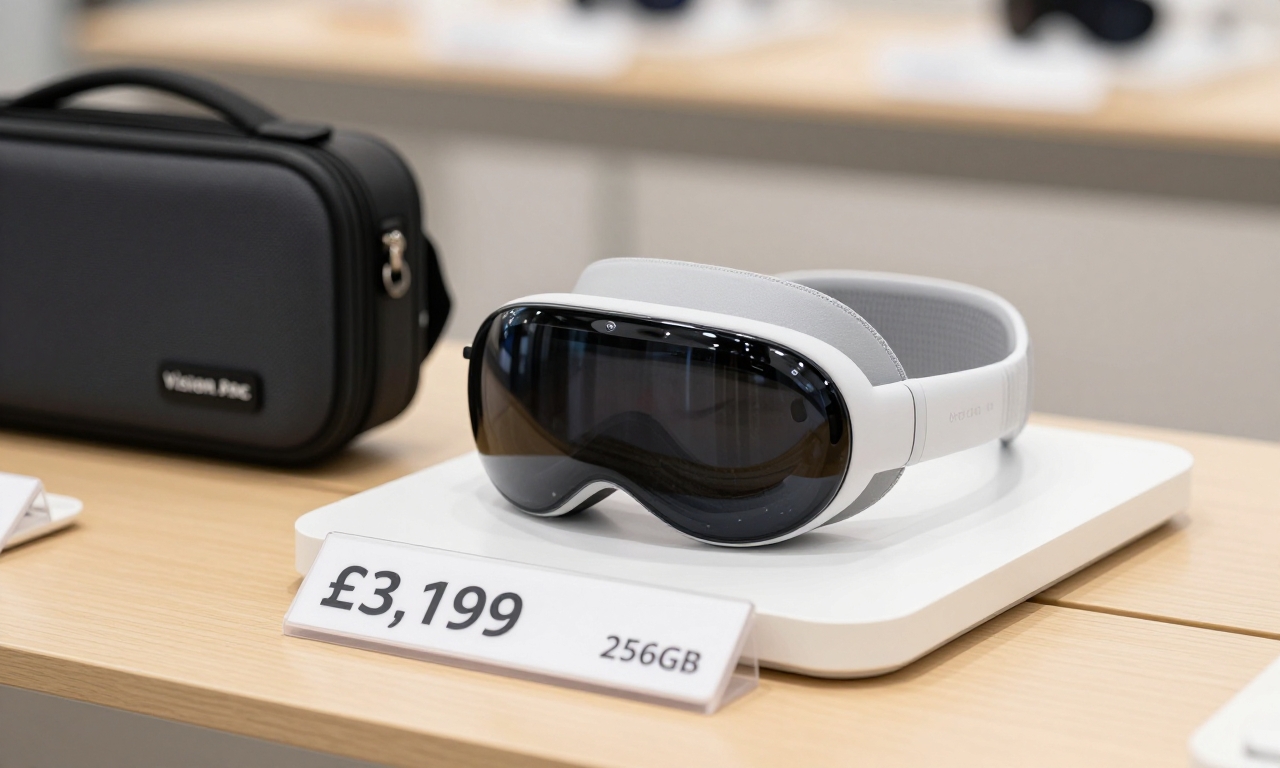
In the UK, the Vision Pro 256GB model is priced around £3,199, with extras like a travel case and prescription inserts pushing the total higher. That level of pricing secures a niche audience—early adopters, professionals, and enthusiasts who see clear value in the device’s immersive workflows and potential for future software-defined improvements. Market reception has been measured; for many, the headset remains a conversation starter rather than a daily driver, which the author characterizes as tepid interest relative to the scale of Apple’s ambition.
Given the price and the current form factor, Apple is unlikely to slash costs soon. Instead, the company’s roadmap points toward lighter, more comfortable iterations and a broader set of glasses-like wearables that keep the ecosystem growing around Vision Pro’s software. If Apple can couple improved hardware comfort with compelling software and a growing library of experiences, the headset could transition from a niche gadget to a more mainstream tool for specific tasks and use cases. For now, the Vision Pro remains a stepping stone to a future where digital content can be accessed as naturally as looking through a pair of glasses.