Follow us on Facebook
Breaking updates in your feed — tap to open
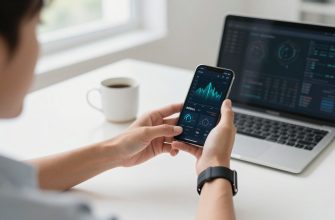
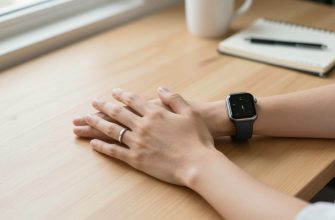
Over the last few years, wearable tech has built its main features on counting steps and simple fitness measurements, yet an important change is imminent in the field of tech related to women and their health. Current wearables have advanced capabilities that directly monitor menstrual cycles, document symptoms, and offer an insight into changes in hormones. This transformation is a radical departure where generic tracking of activities is replaced by personal health tracking, which recognizes the differences in physiological patterns that women undergo in their lives. I have experienced this change myself as a person that has tried many gadgets in her life, and I have seen how manufacturers have transcended the step counter machines to bring to life devices that help women really have a healthy journey.
The History of Women and Health Tracking
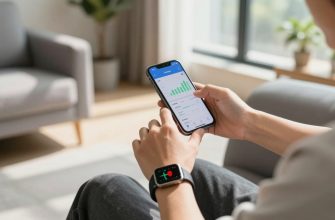
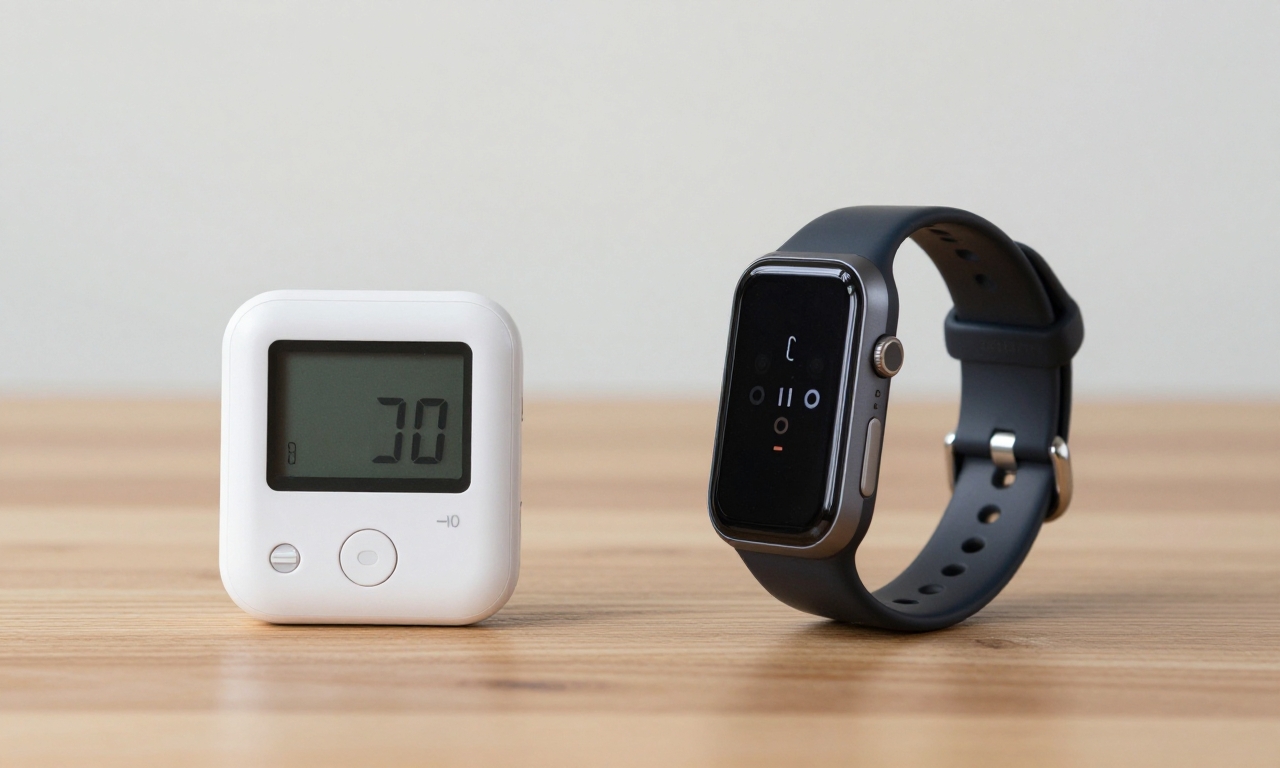
Initial fitness trackers were not very helpful to the unique health-related requirements of women, as they prioritized counting steps, calories burnt, and heart rate during a workout almost exclusively. Current high-tech wearables do put in place various sensors and algorithms to predict the menstrual cycles more and more accurately, register a broad spectrum of symptoms such as mood swings and physical pain, and even give some information about possible changes in hormones. This development reflects the wider shift in health technology to more individualized and data-driven wellness approaches. These additions mark not only the broadening of functionality but also the acknowledgment that the health of women should be addressed using not only a basic fitness tracking tool but also specific interventions and instruments.
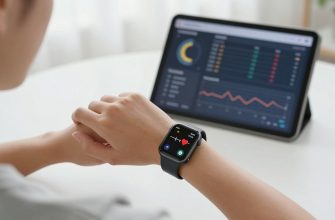
A number of factors also weigh when it comes to the accuracy of these wearables versus the clinical data. The most advanced ones will integrate various data streams such as basal body temperature, heart rate variability, sleeping patterns, and symptoms reported by the user to develop more detailed health profiles. My hands-on experience in testing shows that devices with temperature sensors can give the most accurate prediction of the cycles and are often within a range of one to two days of the actual cycle occurrences when used on a regular basis. Nevertheless, it is essential to know that they are wearables, not medical devices, and their predictions should augment rather than override the professional medical recommendation. The greatest applications effectively express this difference while remaining highly informative.
Best Features of the Website
There are a few characteristics of outstanding women health trackers that are unlike ordinary fitness bracelets. Based on the individual patterns learned over time, cycle prediction algorithms offer more and more viable predictions, whereas a detailed symptom logging enables users to keep track of not only the energy levels but also the particular physical symptoms. New high-tech machines can now provide insights into hormone levels as determined by physiological indicator instead of actual measurements but must be interpreted as approximations, not as absolute values. The most helpful implementations give this information in applicable formats that allow users to know more about the bodies without anything becoming too complex and demanding a lot of technical information or medical terms that users may not have enough knowledge about.
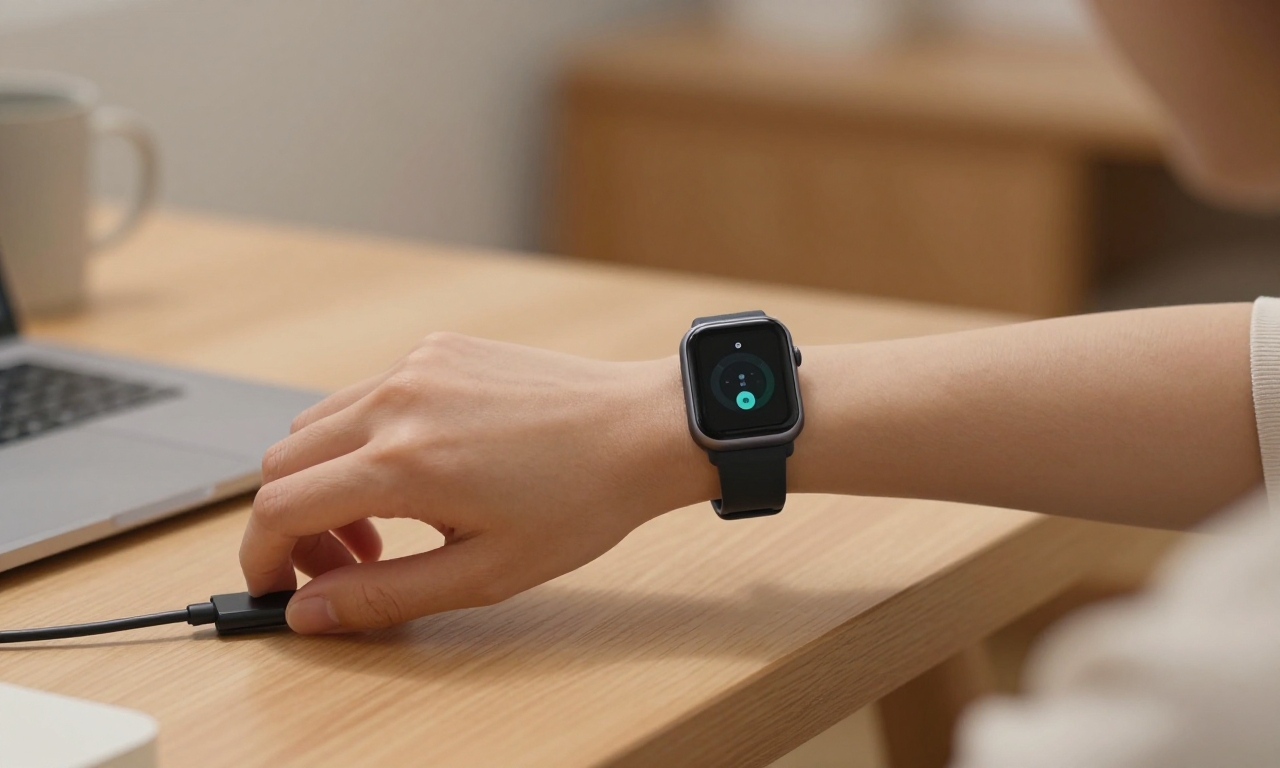
A long battery life is especially vital to female health monitoring since the device should be worn regularly to receive quality information. Devices that need to be charged frequently will pose a risk of creating data gaps that will compromise the accuracy of cycle forecasts and symptom monitoring. In my review, wearables that have a battery life of five or longer days on one charge are the right compromise between functionality and convenience in continuous health tracking. This extended battery performance makes sure that users are able to track consistently and their entire cycles without any interruption, which is important in the construction of genuine predictive models overtime.
The question of privacy and security is of particular importance when it comes to women health data, which may be quite delicate. The most appropriate gadgets apply strong encryption of stored information and offer concise privacy explanations on the utilization and security of information. Users ought to seek wearables that provide on-device processing in case they can and clear options regarding which data leave on the device to the maker or others. This data protection awareness is in lieu of the fact that health data, in particular, reproductive-based health data, must be given special attention and the confidentiality of users must be taken seriously.
The right device to your needs
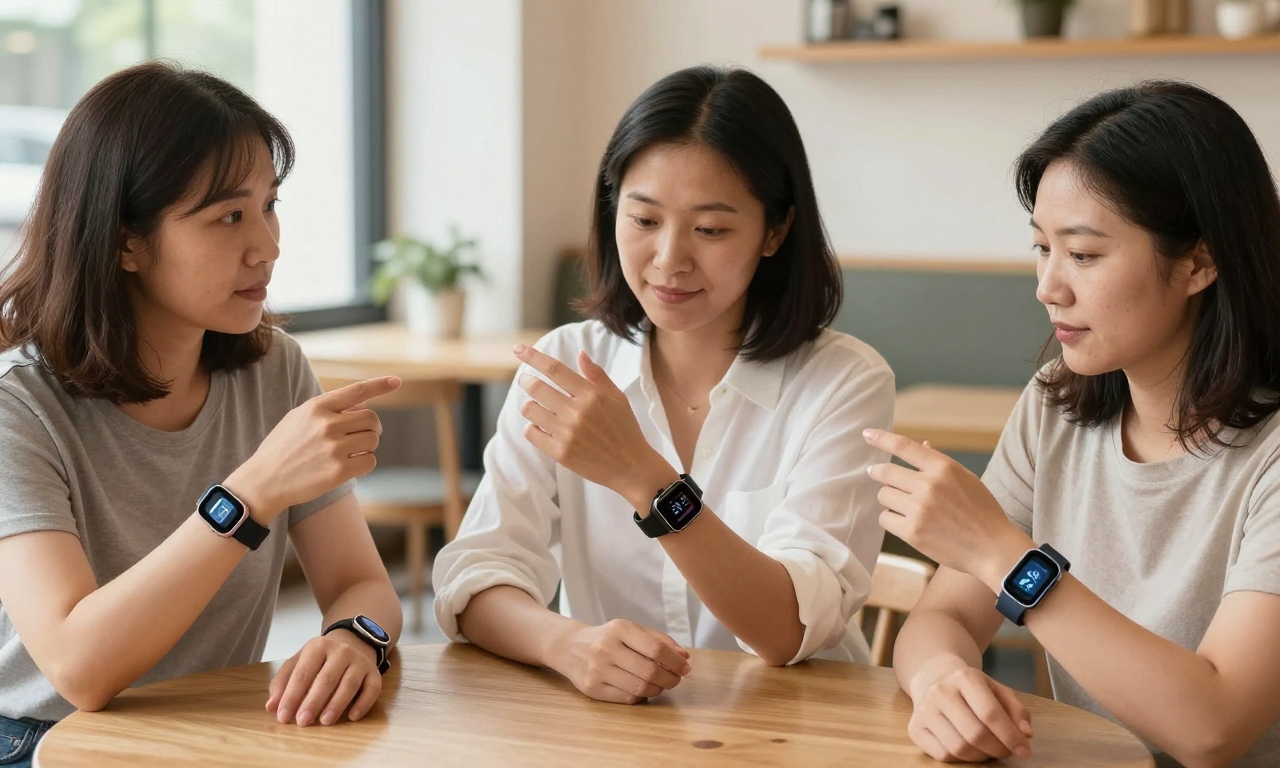
The choice of wearable to be used in healthcare tracking by women can be mostly determined by personal needs and life cycles. In this category, with the need to primarily track cycles and merge with simple symptom recordings, various mid-range devices can serve a good purpose without appearing too complicated. Individuals with greater interest in more comprehensive hormone measurements and connection to other health ecosystems may want more sophisticated flagship models with a more resilient sensor array and analysis tools. The choice is frequently reduced to trading off the needed features against such practical factors as device compatibility, cost limitations, and individual preferences in terms of the form factor and the comfort of daily usage.
The health tracking requirements of women change substantially between adolescence and perimenopause and even further as they continue with life. Younger users may be more concerned with discreet designs and educational features that allow them to learn more about their developing cycles, whereas older users are in their reproductive time and may appreciate more accurate ovulation prediction as a family planning option. Devices that monitor changing patterns and give information about the transition are usually helpful to women in their approach to menopause. The most dynamic wearables meet these changing requirements with the ability to customize their tracking features and a versatile user interface that can be updated as their health needs shift.
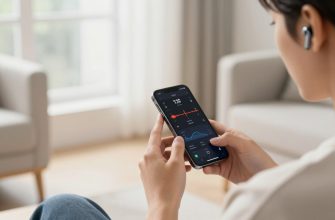
When the women health wearables are integrated with the greater health ecosystems, they are even more valuable. Smartphones that are compatible with health apps on the iOS and Android operating systems enable users to keep all their health records under a single platform. This interoperability is especially useful in the context of exchanging information with health practitioners, or integrating wearable data with other health indicators that are monitored using smartphone applications. The most successful implementations provide connected health images instead of individual pieces of data to enable users to see how various factors in their health relate to each other and impact each other.
Through lengthy experimentation and reviewing of all the options available, a number of devices are emerging as particularly distinct because of the value they have in tracking the health of women. Models that have been specifically optimized with temperature sensors constantly offer the best cycle predictions, whereas the models with user-friendly symptom logging interfaces make daily tracking a breeze instead of a burden. Most useful implementations combine advanced technology with the ease of use, producing tools that are not too specialized but present and usable. These gadgets are the best in the world of women health gear, but the future holds a number of better-innovations to enhance this in the near future.

The future of health wearables in women
The future of health wearables in women is bright, and sensor technology, algorithmic complexity, and user experience design continues to be improved. These devices can revolutionize how women know and deal with their health over the years as they become more accurate and comprehensive. The transformation of basic step trackers to advanced health watches is also one of the most valuable contributions of wearable technology, developing an object that can truly benefit the wellbeing of women in ways that other generic fitness trackers can never achieve. This development is ever gaining momentum and even more personalized and insightful health tracking is gearing up in the future.